What an Ore Conveyor Belt Has to Handle
An ore conveyor belt is the load-carrying element of a bulk handling line that moves crushed or run-of-mine material from a primary crusher, stockpile or transfer point toward processing. Compared with a general-purpose belt, an ore conveyor belt usually faces sharp edges, heavy lumps, abrasive dust, and sometimes oil, heat or moisture. That combination explains why buyers look beyond a simple rubber sheet and examine carcass, cover compound and splice design together. In mines, quarries, cement plants, power stations and sand and gravel yards, the belt is often the component that decides how long a whole conveying circuit can run without a stoppage.
Construction of the Belt
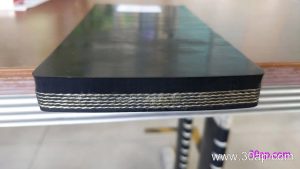
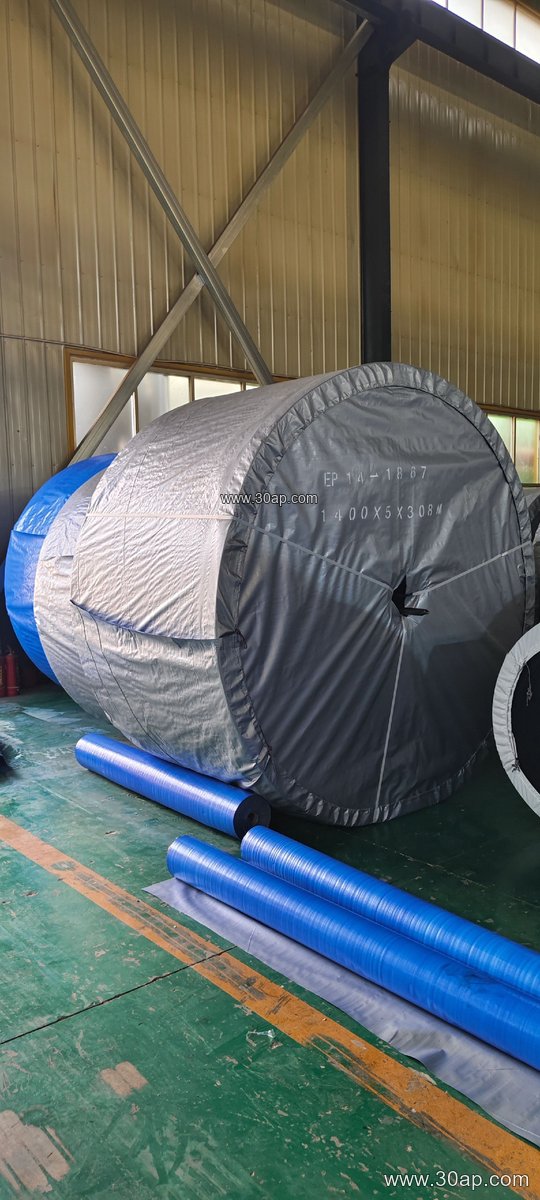
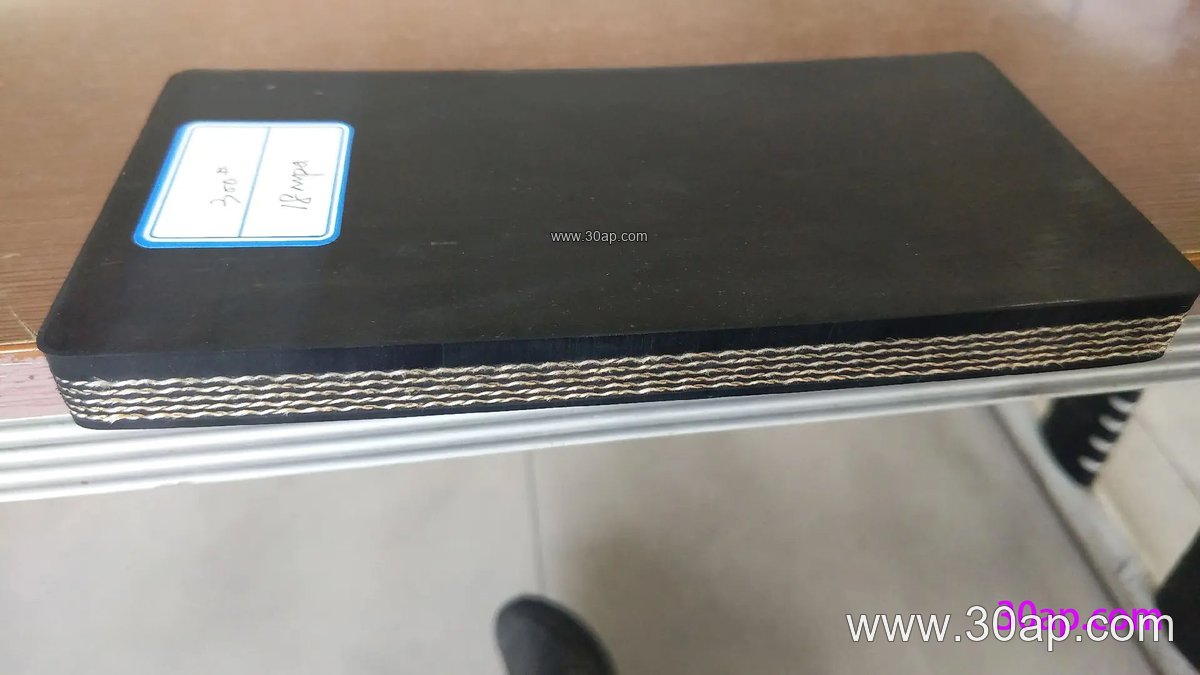
The belt is a composite. A fabric core or steel cord carcass carries tension, while top and bottom covers protect the carcass from wear and moisture. Fabric cores are common in EP and NN constructions, where polyester or nylon plies provide strength and flexibility. Steel cord belts use brass-plated cords for very high tension over long distances. Cover compounds are selected for abrasion, heat, oil, flame resistance or cold, depending on the duty.
Core Types and Typical Strength Grades
Strength grades are usually described by the carcass type and a numerical index. The table below shows common reference values; final selection should follow the conveyor design and the manufacturer’s data.
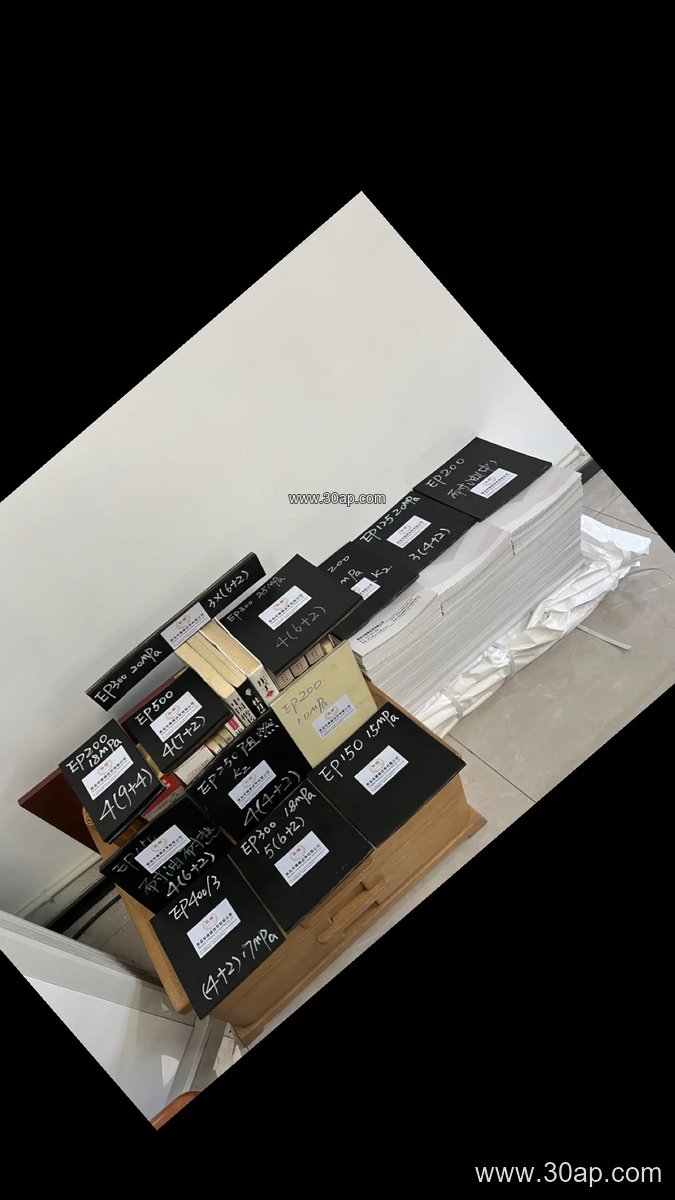
- EP fabric core: EP200, EP315, EP400, EP500, EP630, EP800, EP1000, EP1250, EP1600, EP2000
- NN nylon core: NN100, NN200, NN300, NN400
- Steel cord: ST1000, ST1250, ST1600, ST2000, ST2500, ST3150
- PVC and PVG: PVG800, PVG800S for underground coal duties
Widths commonly range from B500 and B650 up to B2000, with wider belts used where high tonnage and large lumps justify the extra structure. Cover thickness is often expressed as top plus bottom, for example 4+2 mm, 5+2 mm or 6+2 mm, and the number of fabric plies usually falls between two and six. These are reference ranges, not fixed matches; a given width does not dictate one pulley diameter, and shaft sizes must be calculated from the actual load case.
Where It Is Used
The same product appears under many industry names. In a mine it may be called a mining conveyor belt or an underground mining conveyor belt; at a quarry it is a quarry or aggregate conveyor belt; downstream it becomes a crusher conveyor belt or a bulk material conveyor belt. Iron ore, copper ore and gold circuits each bring their own wear profile, and a rock conveyor belt in a hard-rock plant may need a thicker abrasion resistant cover than a cement plant line handling limestone. Ports and ship loading terminals use wide belts with high strength, while power plants and steel plants often specify flame retardant or heat resistant grades.
Matching the Belt to the Circuit
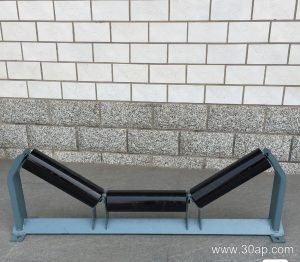
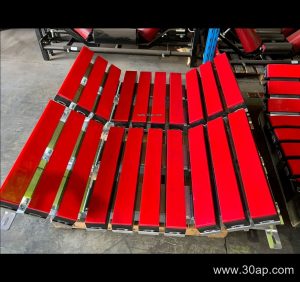
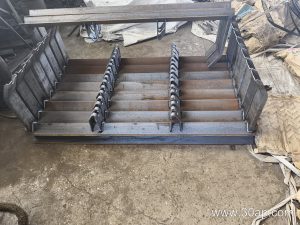
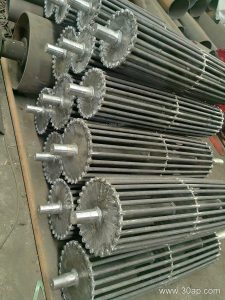
Drive, tail and bend pulleys each do a different job in the conveyor, and the belt must be checked against all of them, not just the drive. The belt also runs over idler rollers and is held by conveyor brackets and frames, so alignment and troughing affect belt life as much as the compound does. A chevron or corrugated sidewall belt may be chosen for steep inclines, and a pipe conveyor belt for enclosed routing, but those are separate designs from a conventional troughed ore belt.
Buyer Checklist
- Confirm material size, lump weight, moisture and temperature before choosing the cover.
- State the required tensile strength and safety factor from the conveyor calculation.
- Decide between fabric core and steel cord based on distance, tonnage and splice preference.
- Check flame retardant, anti-static, oil resistant or cold resistant requirements for the site.
- Review cover thickness, ply count and edge protection for the expected wear pattern.
- Ask how the belt will be spliced and whether an endless conveyor belt is preferred.
Maintenance matters as much as the initial specification. Keep the belt tracking straight, avoid material spillage at transfer points, inspect the covers for cuts and exposed carcass, and check pulley lagging and idler rotation regularly. A well-matched ore conveyor belt with the right carcass and cover, supported by sound pulleys and rollers, will usually deliver a longer service interval than a heavier belt chosen without regard to the actual duty.