What a Conveyor Belt Lagged Pulley Does
A conveyor belt lagged pulley is a conveyor pulley whose shell carries a rubber or ceramic covering, known as lagging, to improve grip on the belt. The lagging raises friction between the pulley face and the belt, which reduces slip at the drive position and helps keep the belt tracking steadily under load. In a quarry, a cement clinker line, or a power plant coal yard, this grip matters most where the belt starts under tension or carries wet, dusty material. The same component is often called a rubber-lagged conveyor pulley or a lagged drum pulley, and it belongs to the drive, tail, or bend positions depending on the layout, though each position serves a different duty.
How the Lagged Pulley Is Built
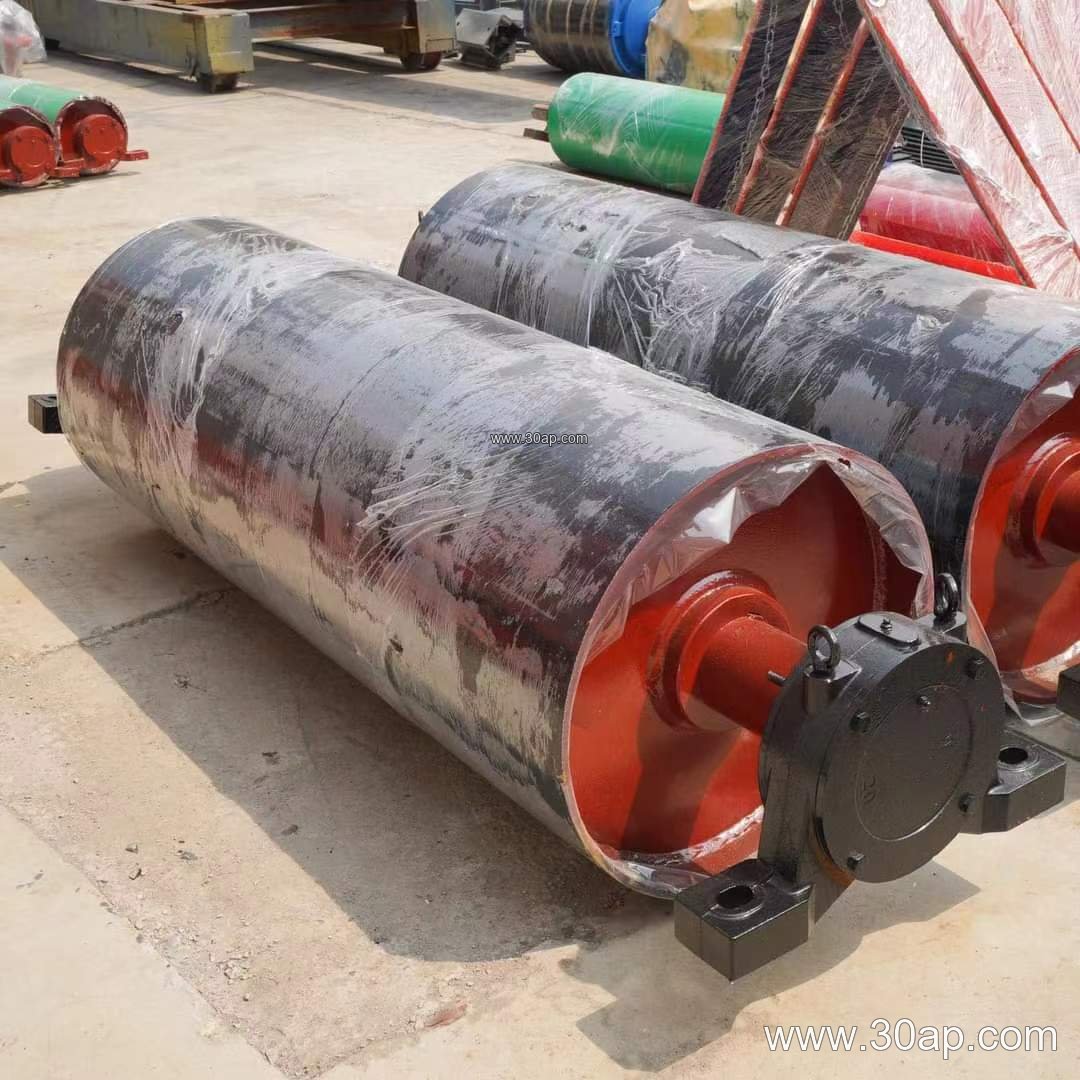
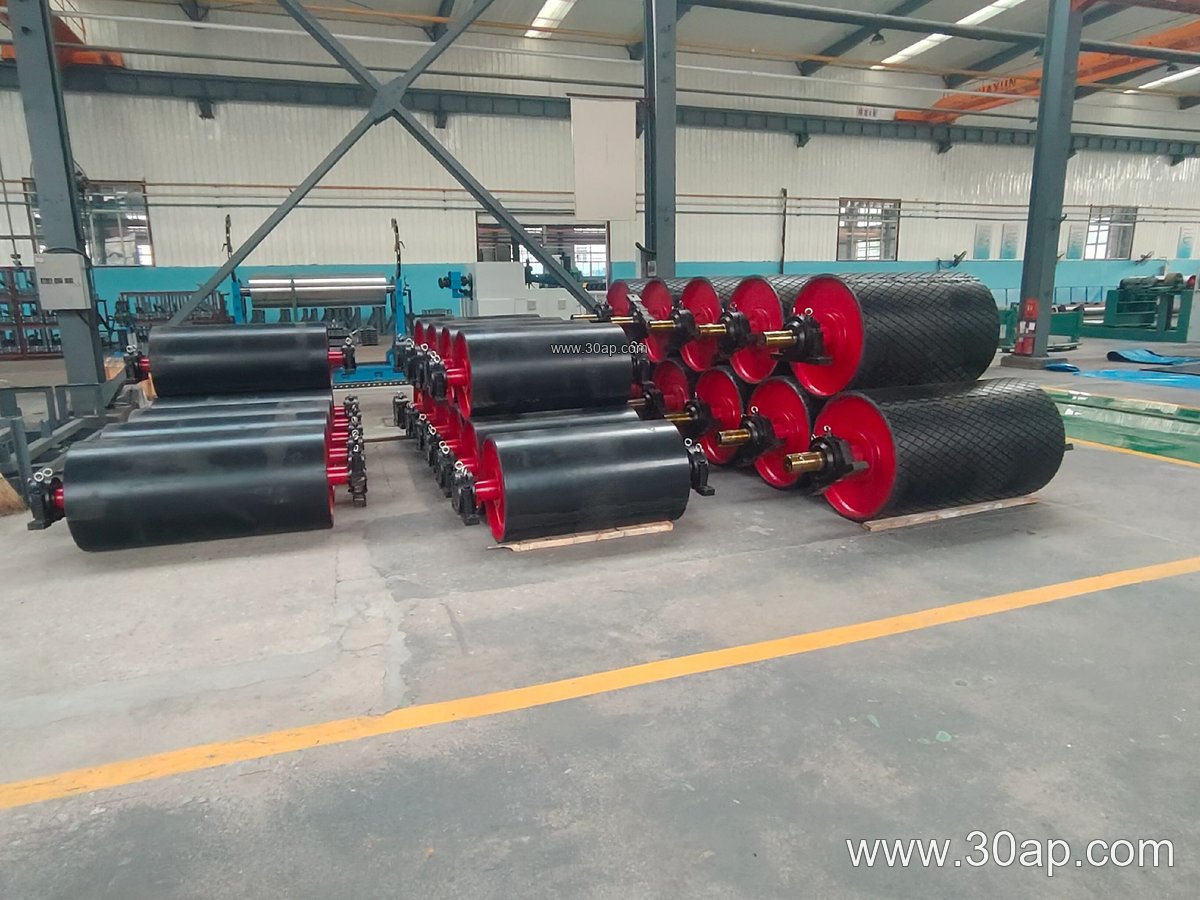
The core is a steel shell welded to end discs, with a shaft running through the hub and bearing housings mounted on a conveyor bracket at each end. Lagging is bonded to the shell in one of several ways: hot vulcanized rubber, cold bonded rubber, cast rubber, diamond grooved rubber, herringbone rubber, or ceramic tiles set in a rubber matrix. Thickness commonly runs 8, 10, 12, 15, or 20 mm, chosen with the belt tension and the risk of slip in mind. A diamond or herringbone pattern helps shed water and fines, while plain lagging suits cleaner, drier duty.

Typical Dimensions Buyers Ask About
Pulley size follows belt width, load, and shaft torque rather than a single fixed rule. The face width is normally a little wider than the belt, and the diameter is set by the required wrap angle and belt speed. The table below shows common reference combinations; these are typical examples, not a fixed match for every conveyor.
| Belt width | Typical pulley face width | Example diameter | Lagging thickness |
|---|---|---|---|
| B500 | about 600 mm | Ø250 to Ø400 | 8 to 12 mm |
| B650 | about 750 mm | Ø315 to Ø500 | 10 to 12 mm |
| B800 | about 950 mm | Ø400 to Ø630 | 10 to 15 mm |
| B1000 | about 1150 mm | Ø500 to Ø800 | 12 to 15 mm |
| B1200 | about 1400 mm | Ø630 to Ø1000 | 12 to 20 mm |
| B1400 | about 1600 mm | Ø800 to Ø1250 | 15 to 20 mm |
| B1600 | about 1800 mm | Ø1000 to Ø1400 | 15 to 20 mm |
Shaft diameters such as Ø80, Ø100, Ø120, Ø140, or Ø160 are determined from torque and bearing load, not copied from belt width alone. A B1200 × Ø1000 drive pulley and a B800 × Ø500 tail pulley can both be correct on different conveyors.
Where the Lagging Pays Off
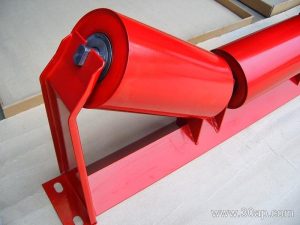
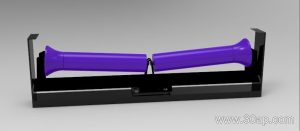
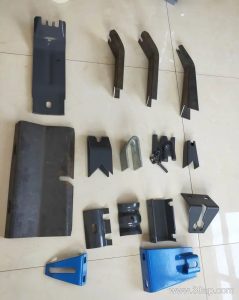
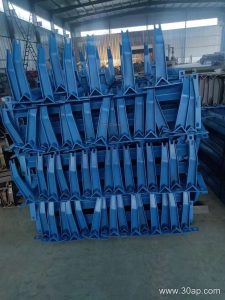
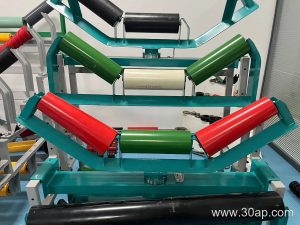
Drive and head pulleys benefit most, because the lagging transfers motor torque to the belt. In an iron ore or copper ore transfer station, a diamond-grooved lagged drive helps when dust and moisture reach the shell. At the tail position, lagging protects the shell from abrasion and keeps the belt centered on the return run. Bend and take-up pulleys may use plain or lightly lagged faces, since their main job is redirecting the belt rather than transmitting power. A conveyor belt lagged pulley works alongside the belt itself, the idler roller sets that support the carrying run, and the conveyor bracket that anchors each bearing housing.
Buyer Checklist Before Ordering
- Confirm the pulley position: drive, tail, bend, or take-up, since duty and lagging differ.
- State belt width, pulley diameter, face width, and shaft diameter from the conveyor design.
- Choose lagging type by environment: diamond or herringbone for wet, dusty duty; plain for clean service; ceramic where abrasion is severe.
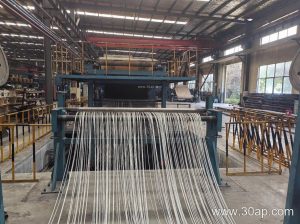
- Match the belt construction to the load, whether an EP conveyor belt, a steel cord conveyor belt, or a flame retardant belt for underground coal mining conveyors.
- Check that the lagging thickness leaves clearance in the chute and frame.
Maintenance Notes
Inspect lagging for wear, cuts, and loose edges at each shutdown. Worn lagging reduces grip and can allow belt slip, which heats the shell and shortens belt life. Keep the pulley face clean and confirm that the belt is not misaligned against the lagging edge. When replacing lagging, record the original thickness and pattern so the new covering matches the original design intent.