What a Ship Loading Conveyor Belt Does
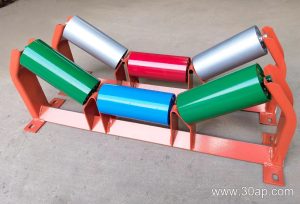
A ship loading conveyor belt is the heavy-duty belt used on shiploaders and port conveyor systems to move bulk materials—such as coal, iron ore, cement clinker, or aggregates—from stockpiles or rail wagons directly into a vessel’s hold. Unlike a standard yard belt, this belt must handle high lift angles, frequent starts and stops, and the corrosive salt-laden air of a marine environment. The belt itself is a key component of the loading arm, working alongside conveyor pulleys, idler rollers, and conveyor brackets to maintain a steady flow at rates that often exceed several thousand tonnes per hour.
In a typical port layout, the ship loading conveyor belt receives material from a jetty belt and discharges it through a telescopic chute or a boom. The belt’s top cover resists impact from the falling material, while the bottom cover protects against abrasion on the return run. Because the loading point moves as the hold fills, the belt must remain stable under shifting tension and misalignment.
Construction and Common Belt Types
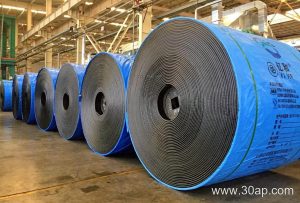
Most ship loading conveyor belts are built with a fabric core or a steel cord carcass, depending on the duty. For medium-duty port applications, an EP conveyor belt (polyester-nylon) offers good fatigue resistance and low elongation. For very long booms or high-tonnage loading, a steel cord conveyor belt provides the necessary strength and minimal stretch. A rubber conveyor belt with a heavy abrasion-resistant cover is common where lump size and drop height are high.
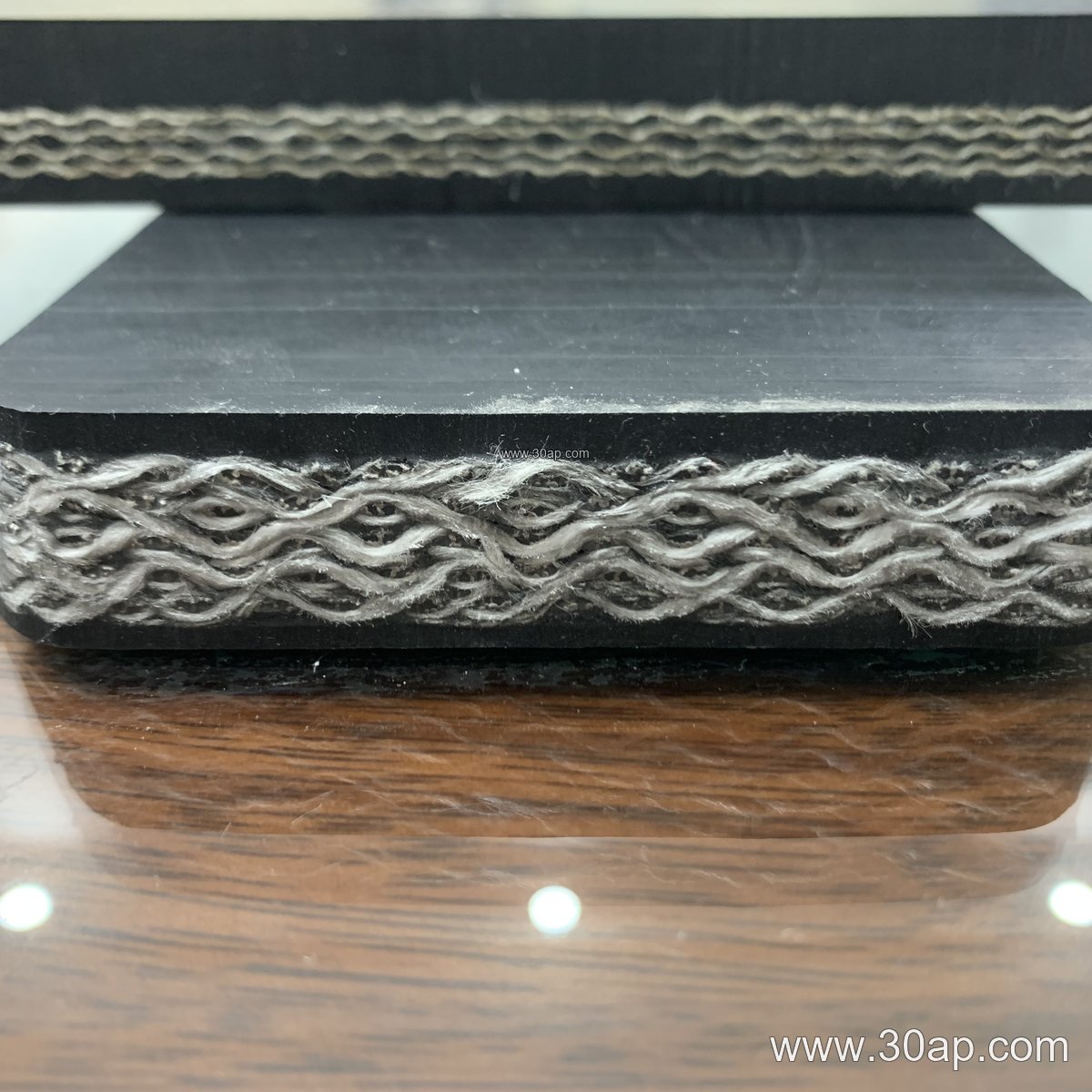
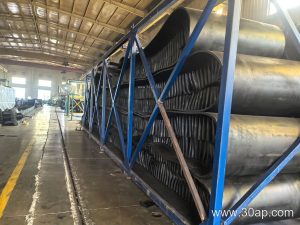
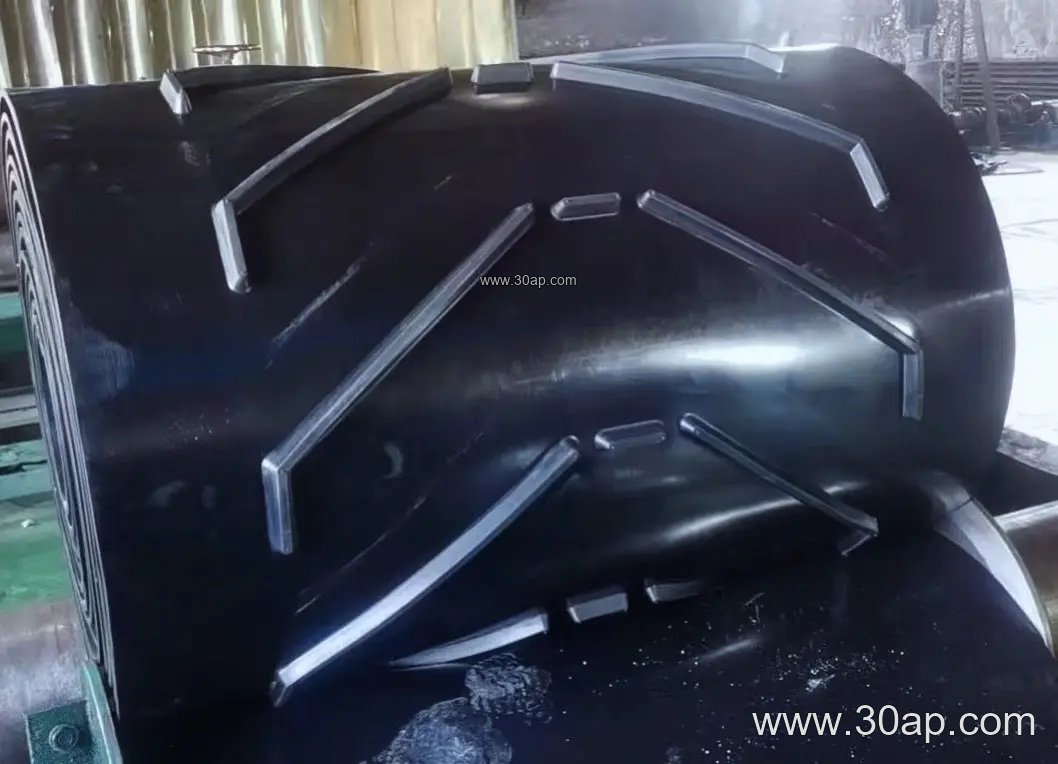
Other constructions may appear in specific port terminals. A chevron conveyor belt can help on inclined loading booms where material tends to roll back. A corrugated sidewall conveyor belt may be used on space-limited shiploaders to prevent spillage. However, the flat, heavy-duty belt remains the standard for most ship loading conveyor belt systems.
Common strength grades include EP200, EP315, EP400, EP500, EP630, EP800, and EP1000, with wider belts often using higher grades. Belt widths for ship loading typically range from 1000 mm to 2000 mm, with 1200 mm and 1400 mm being frequent choices. Cover rubber thickness might be 6+2 mm, 8+3 mm, or greater, depending on the material’s abrasiveness and the drop height. These values are reference examples; actual selection is determined by the conveyor design and operating conditions.
Key Selection Factors for Port Operations
Buyers should consider the material being handled. Coal and coke may require a flame retardant conveyor belt or an anti-static belt to reduce fire risk. Iron ore and copper ore demand a high abrasion resistant conveyor belt with a thick top cover. Cement clinker can be hot, so a heat resistant conveyor belt may be needed if the material is not fully cooled. For cold climates, a cold resistant conveyor belt maintains flexibility in sub-zero temperatures.
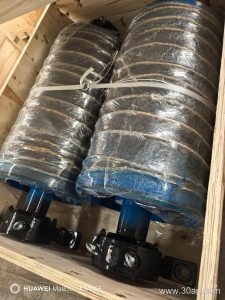
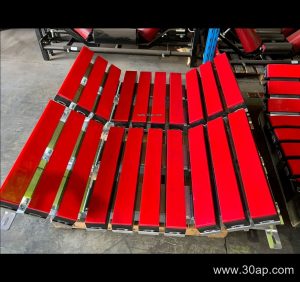
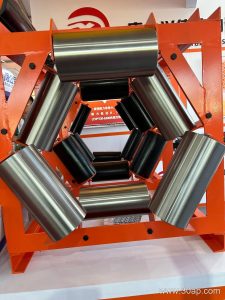
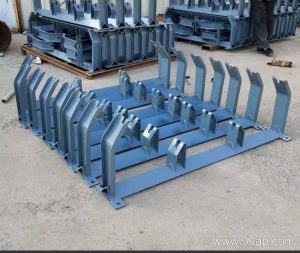
Belt tension and pulley compatibility are critical. The drive pulley, tail pulley, and bend pulleys are not interchangeable; each has a specific role in maintaining belt tracking and tension. The belt’s minimum pulley diameter should be checked against the conveyor pulley sizes to avoid excessive bending stress. The conveyor bracket and idler roller spacing also affect belt support and training, especially at the loading point where impact is highest.
Environmental factors include salt spray, UV exposure, and temperature swings. A rubber cover with good ozone resistance helps extend service life. For oily cargo residues, an oil resistant conveyor belt may be specified. In food or agricultural terminals, a food grade conveyor belt could be relevant, though ship loading of bulk food products is less common.
Installation and Maintenance Notes
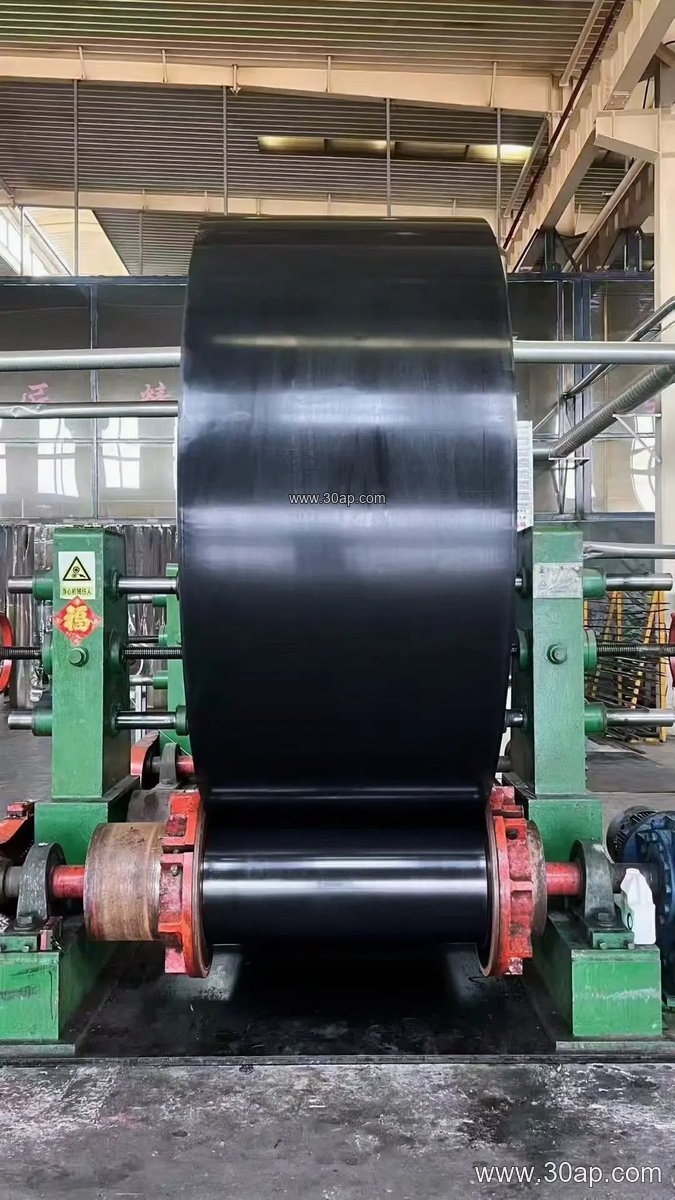
Proper belt splicing is essential. An endless conveyor belt made with a vulcanized splice reduces weak points and improves load distribution. During installation, ensure the belt is aligned with the drive and tail pulleys, and check that idler rollers turn freely. Regular inspection of the belt surface for cuts, gouges, and cover wear helps prevent unexpected downtime.
Keep the loading chute centered to avoid off-center impact, which can cause edge damage. Monitor belt tension and adjust take-up systems as needed. In dusty port environments, clean the belt and pulleys regularly to prevent material buildup that can lead to mistracking. Lubricate conveyor pulley bearings according to the manufacturer’s schedule, and replace worn idler rollers promptly to avoid belt damage.
Typical Industries and Terminals
Ship loading conveyor belts are found in coal terminals, iron ore ports, cement export facilities, power plant coal yards, and aggregate loading stations. They also serve fertilizer plants, grain terminals (with appropriate belt type), and mineral sand operations. In each case, the belt must match the material characteristics and the loading equipment’s geometry.
Whether the terminal handles coal, ore, or cement, the ship loading conveyor belt is a critical link between stockyard and vessel. By understanding the belt’s construction, selecting the right cover and carcass, and maintaining the system properly, port operators can achieve reliable and efficient loading operations.