What a Sand and Gravel Production Line Idler Does
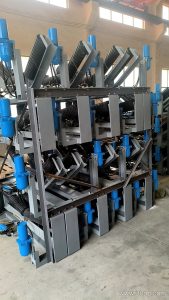
On a sand and gravel production line, the conveyor belt carries crushed rock, washed aggregate, and sometimes wet or sticky material. The idler roller supports that belt, keeps it tracking, and absorbs the load. A sand and gravel production line idler is not a single component but a family of rollers chosen for different positions along the conveyor. In a quarry or aggregate plant, these rollers sit under the belt from the crusher discharge to the screening deck and stockpile conveyors.
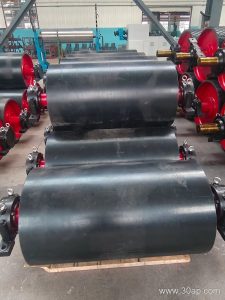
Unlike a conveyor pulley, which drives or redirects the belt at the ends, an idler rotates freely and only supports the belt. Drive, tail, and bend pulleys are not interchangeable with idlers, and they are not replacement names for one another.
Construction Basics
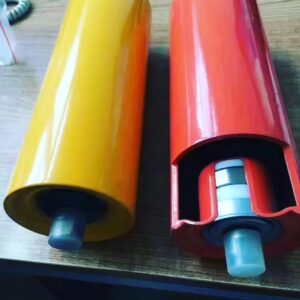
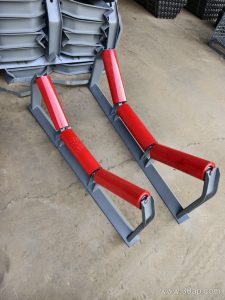
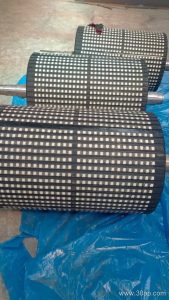
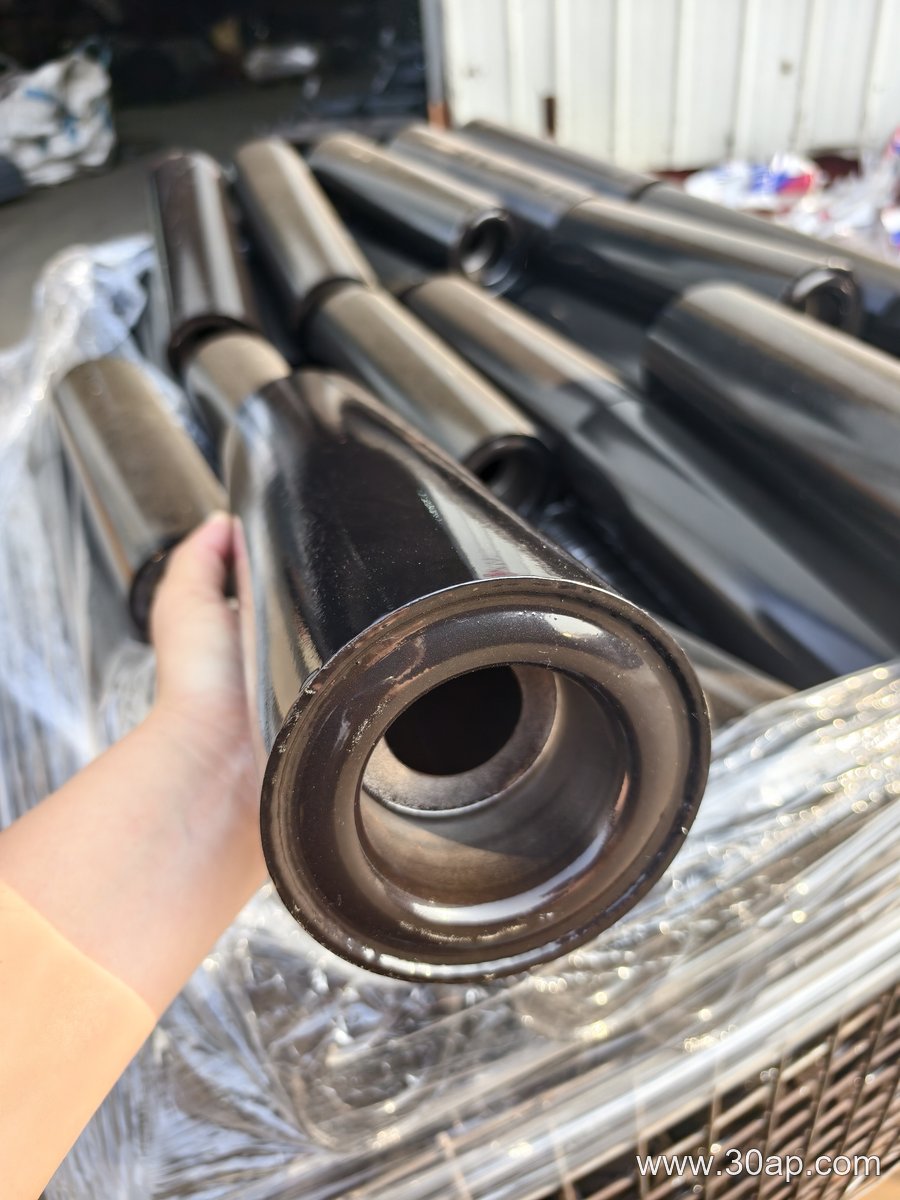
A typical sand and gravel production line idler has a steel tube shell, a shaft, bearing housings, and seals. The bearing size is matched to the roller diameter and load, not to belt width alone. Common bearing numbers include 6204, 6205, 6305, 6306, 6308, and 6310. The roller surface may be plain steel, nylon, ceramic, or rubber rings for impact zones.
Sealing is critical in aggregate plants because dust and fine grit attack bearings. Labyrinth seals and contact seals are common choices. A worn seal lets fines enter, which shortens roller life and can score the shaft.
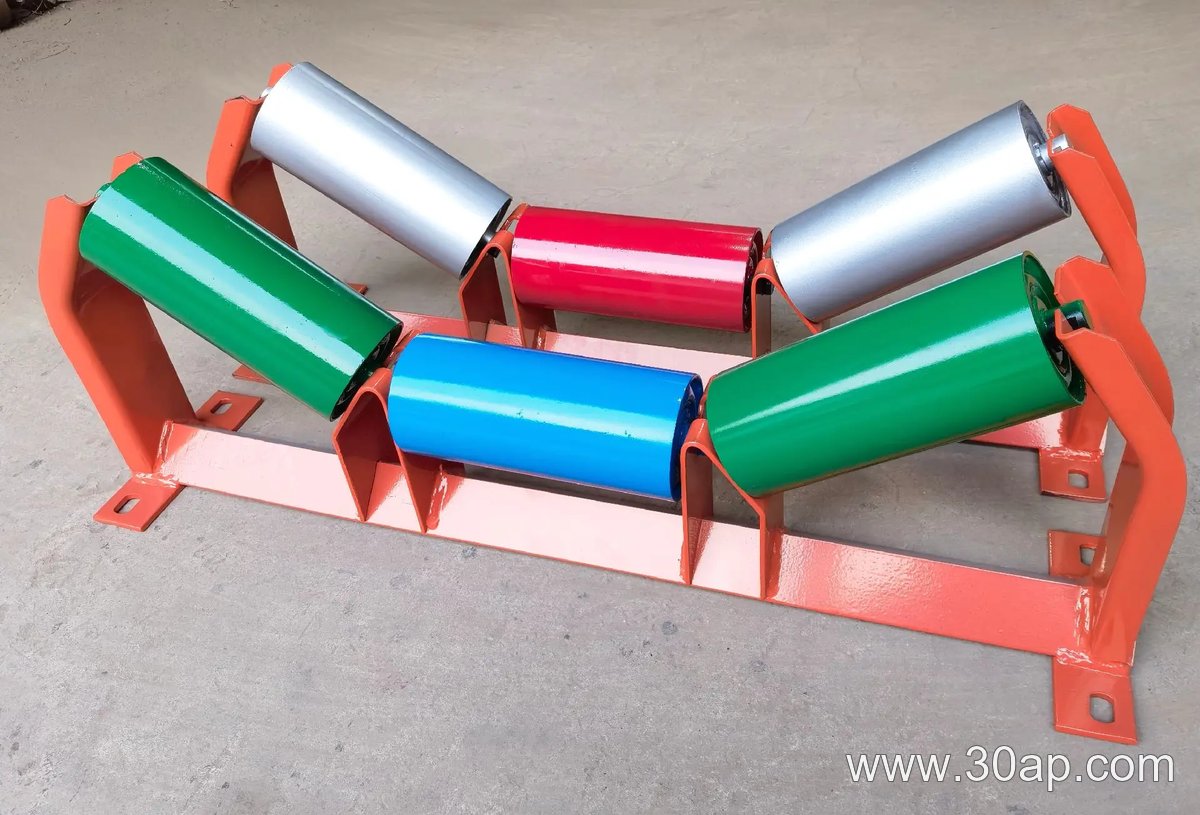
Where Idlers Fit on the Line
Different positions call for different idler types. A few examples show how the selection changes:
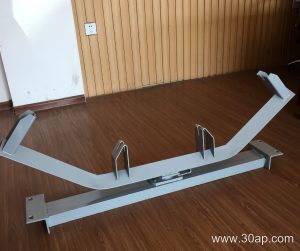
- Troughing idlers – three-roll or two-roll sets that shape the belt into a trough. Common trough angles are 20, 30, 35, and 45 degrees.
- Impact idlers – used under the crusher discharge or transfer points where large lumps fall onto the belt. Rubber ring or rubber disc types absorb the shock.
- Return idlers – flat or V-shaped rollers that support the empty belt on the return strand. Spiral or helical return rollers help shed sticky material.
- Self-aligning idlers – friction or tapered types that correct belt misalignment on long conveyors.
A transition idler may be placed near the head or tail to gradually change the belt from flat to troughed. Comb or garland idlers appear in some fine-material applications.
Common Dimensions and How They Relate
Roller diameter and belt width are related but not locked together. A B800 belt may use a 89 mm, 102 mm, or 108 mm roller depending on load and speed. The table below shows common reference values, not a fixed match.
| Belt width | Common roller diameter | Typical three-roll troughing length |
|---|---|---|
| B500 | 63–89 mm | About 200 mm |
| B650 | 76–108 mm | About 250 mm |
| B800 | 89–133 mm | About 315 mm |
| B1000 | 108–159 mm | About 380 mm |
| B1200 | 133–178 mm | About 465 mm |
| B1400 | 159–194 mm | About 530 mm |
| B1600 | 178–219 mm | About 600 mm |
Side rollers and center rollers can differ in length. A 35-degree trough needs a different roller length than a 20-degree trough on the same belt. The shaft diameter follows the bearing and load calculation, not belt width alone.
What Buyers Should Check
When specifying a sand and gravel production line idler, start with the conveyor duty: material size, tonnage per hour, belt speed, and whether the belt is loaded or empty. Then confirm the roller diameter, bearing number, seal type, and surface form. For dusty quarries, sealed bearings and rubber-covered impact rollers are worth the extra attention.
Also check that the conveyor bracket and frame match the idler shaft. A roller that fits the bracket but not the load will fail early. Ask for the roller length, shaft end shape, and mounting dimensions before ordering.
Maintenance Notes
Idlers are wear parts. Listen for squealing, watch for a stopped roller, and check for material buildup on return rollers. Replace a seized idler before it wears a flat spot into the conveyor belt. In a wash plant or wet aggregate line, choose seals that resist water and fines. Keeping spare rollers on hand reduces downtime in a busy sand and gravel operation.