What a Sand Making Plant Conveyor Belt Does
A Sand Making Plant Conveyor Belt moves crushed stone, manufactured sand, and screened aggregate between the jaw crusher, cone or impact crusher, vertical shaft impactor, vibrating screen, and stockpile. The belt is the continuous link in that chain, so its cover compound, carcass, and edge construction determine how long the line runs before splicing or replacement. In a sand making plant, the duty is often abrasive and slightly damp rather than chemically aggressive, which is why an abrasion resistant conveyor belt is a common starting point.
The same belt family appears in quarry conveyor belts, aggregate conveyor belts, and crusher conveyor belts, and the selection logic is similar across those duties. A plant that also handles washed material or sticky fines may need a different surface pattern, but the underlying carcass choice still follows tension and impact load.
Construction of the Belt
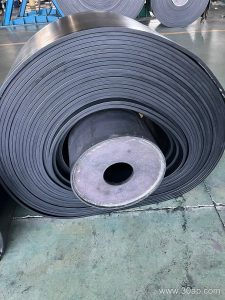
A typical fabric-cored sand plant belt has three functional layers. The top cover takes the abrasion from crushed rock, the carcass carries the tension, and the bottom cover protects the pulley side. Cover grades are usually quoted as top plus bottom thickness, for example 4+2 mm or 6+2 mm, with heavier covers used where stone falls from height onto the belt.
Carcass options include EP conveyor belt (polyester warp, nylon weft) and NN conveyor belt (nylon both directions). EP fabric core conveyor belts are common in sand and gravel duty because they resist stretch and moisture reasonably well. Multi-ply fabric core conveyor belt constructions with two to six plies cover most plant conveyors, while a steel cord conveyor belt is normally reserved for long overland runs or very high tension rather than short in-plant transfers.
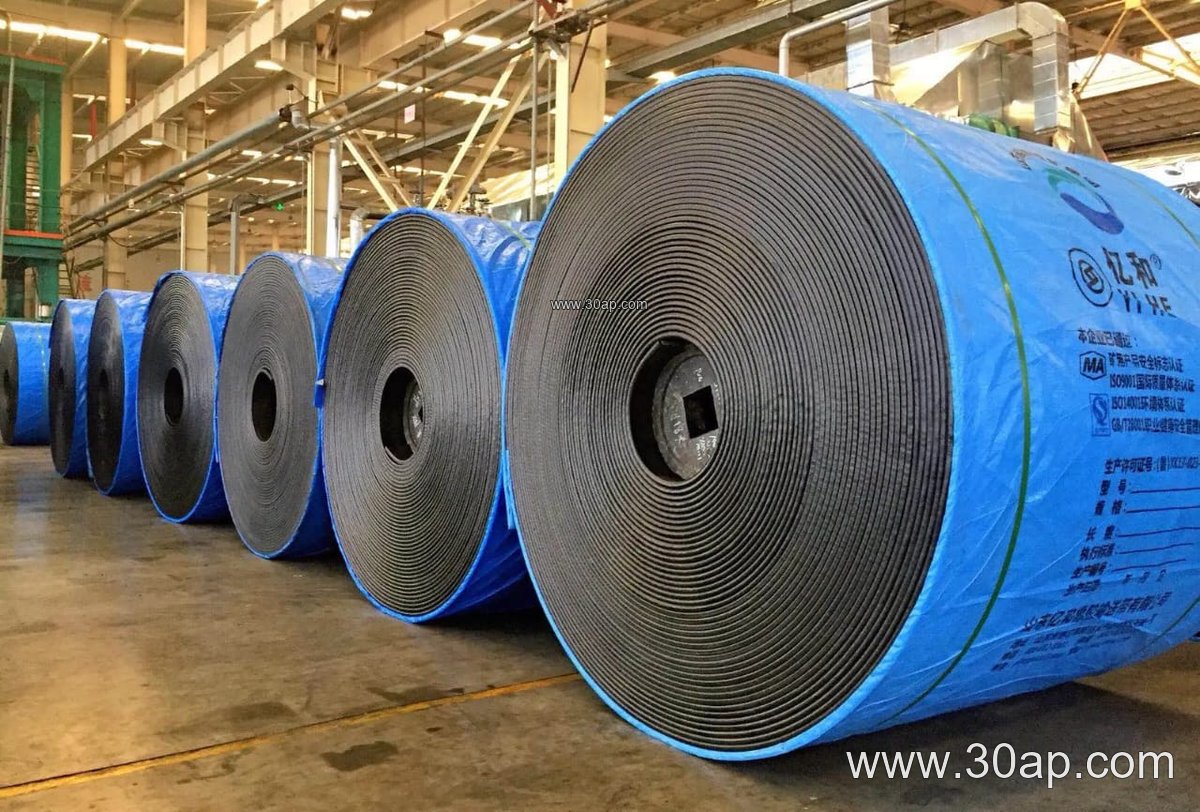
| Parameter | Common reference values |
|---|---|
| Belt width | B500, B650, B800, B1000, B1200, B1400 |
| EP strength grades | EP200, EP400, EP630, EP800, EP1000, EP1250 |
| Cover thickness | 3+1.5, 4+2, 5+2, 6+2 mm |
| Carcass plies | 2 to 6 plies typical |
These are reference ranges, not fixed combinations. Width and strength are matched to the conveyor design, and a wider belt does not automatically require a specific pulley diameter.
Where the Belt Fits in the Plant
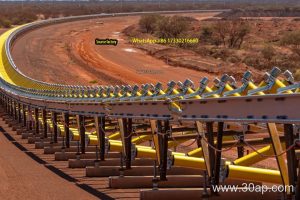
Sand plants usually run several short conveyors in series, so each Sand Making Plant Conveyor Belt may see a different load. A belt under the primary crusher handles coarse rock and impact; a belt after the screen carries finer, drier sand; a return or stockpile belt may run at a slight incline. A chevron conveyor belt or corrugated sidewall conveyor belt can help on steep inclines where material would otherwise roll back, while a skirted conveyor belt keeps fines contained at transfer points.
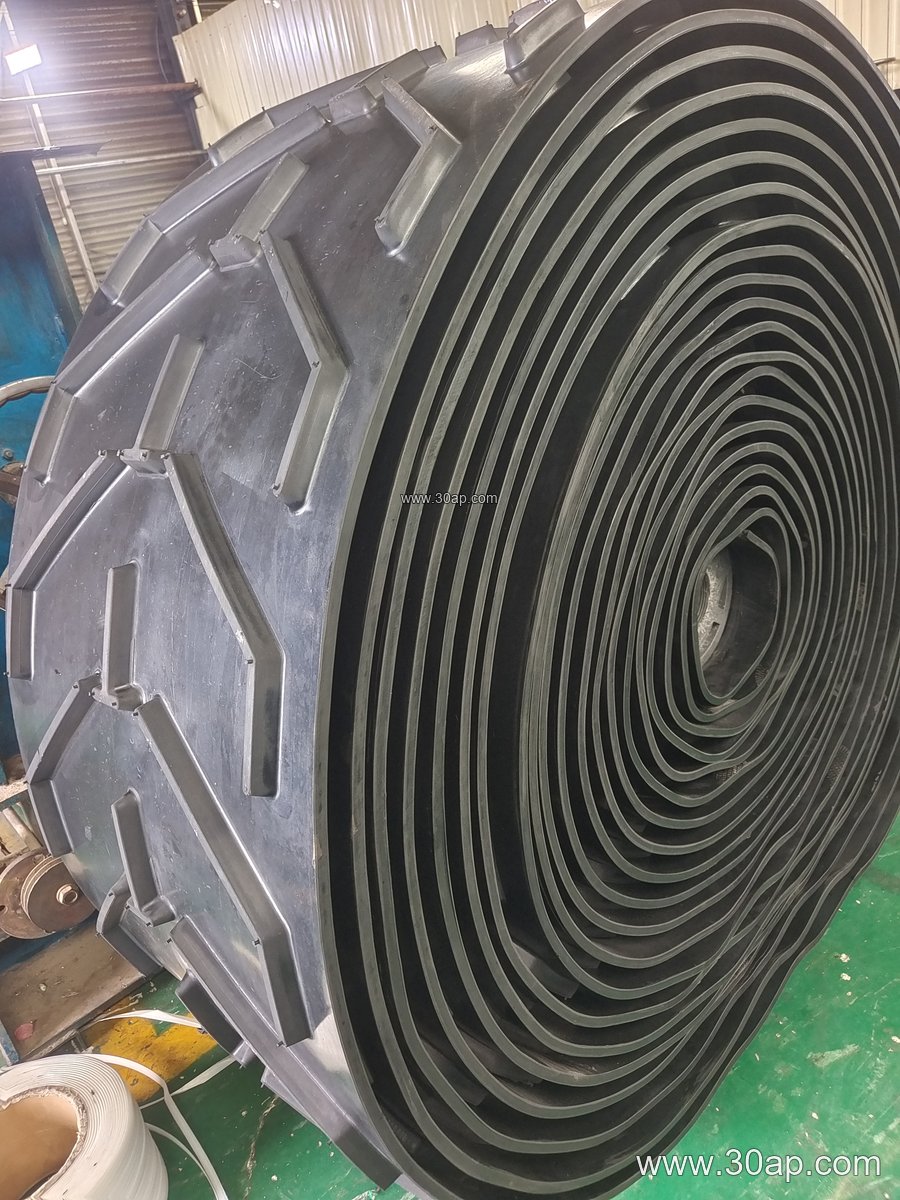
In mining and quarry settings, similar belts appear as a mining conveyor belt or heavy-duty mining conveyor belt. Coal handling uses flame retardant conveyor belt and anti-static conveyor belt grades, but a sand plant generally prioritizes abrasion resistance over fire safety unless the site also processes coal or operates in a confined area. Cement plants and power plants may use heat resistant conveyor belt grades where clinker or hot material is present, which is a different duty from sand making.
Matching Belt to Pulleys, Idlers, and Brackets
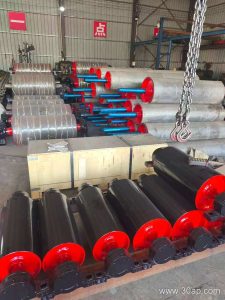
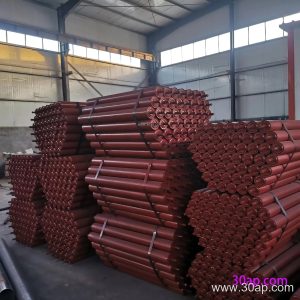
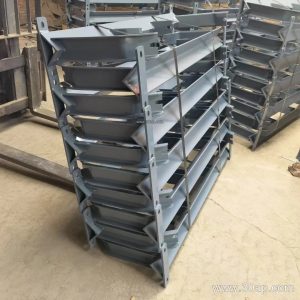
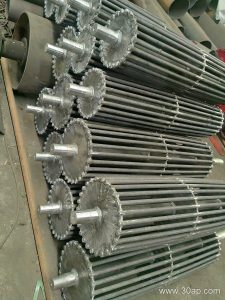
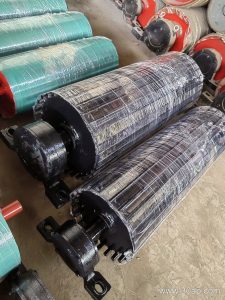
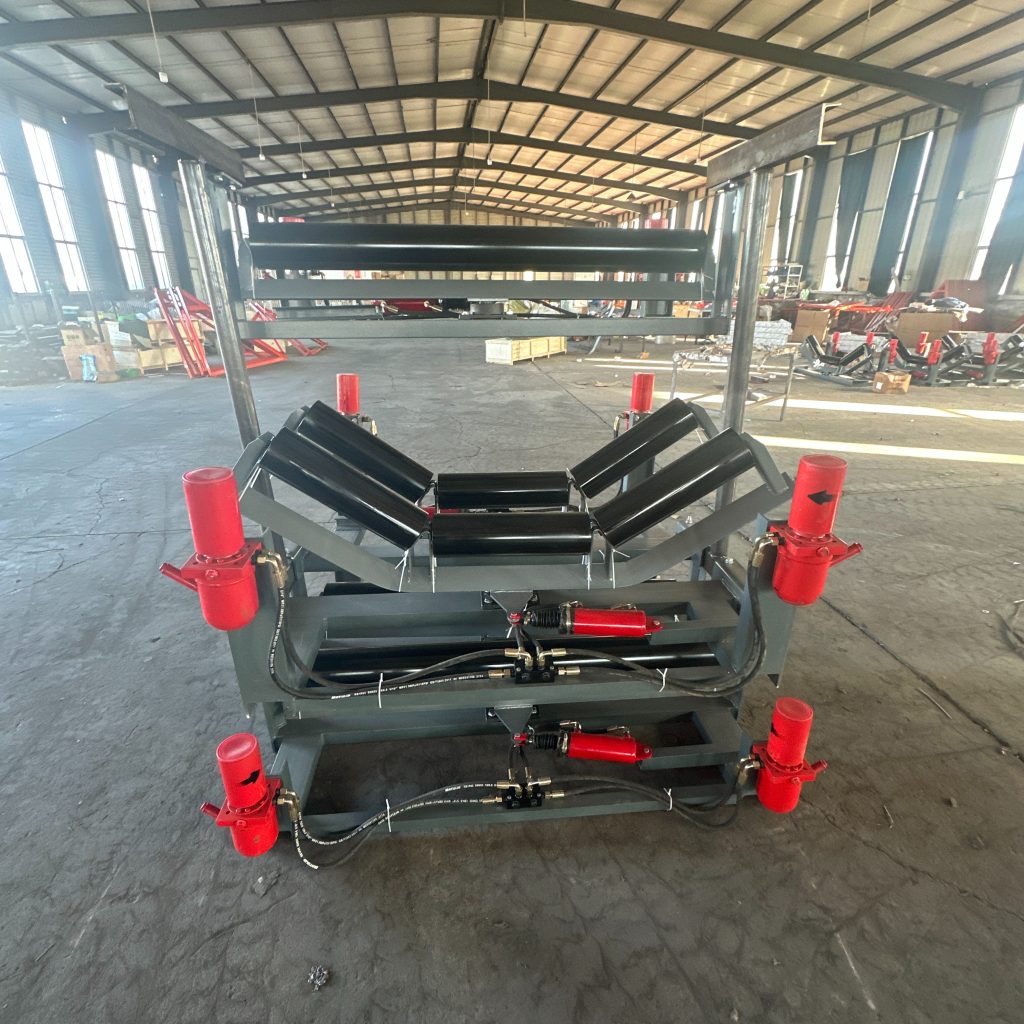
The belt does not work alone. Drive, tail, and bend pulleys each have a specific role, and the belt must track correctly over all of them. Idler roller spacing, trough angle, and the conveyor bracket layout affect how the belt sits and wears. A poorly aligned frame or worn idler can shorten belt life more than cover compound choice.
When specifying a belt for a sand making line, check the minimum pulley diameter recommended by the belt supplier for the chosen carcass and ply count. Do not assume a belt width alone determines shaft size or pulley diameter; those come from the conveyor design and the belt manufacturer’s data. For more on matching components, see the conveyor belt and idler roller guidance at www.example.com/conveyor-belt and the pulley notes at www.example.com/conveyor-pulley.
Buyer Checklist
- Confirm the actual duty: abrasive rock, damp sand, or sticky fines, and whether a heat resistant or oil resistant grade is needed.
- Match strength grade and ply count to the calculated tension, not to a guess based on width.
- Choose cover thickness for impact and abrasion, for example 4+2 mm for moderate duty and 6+2 mm or heavier for high drop points.
- Decide whether a smooth belt is enough or a chevron, skirted, or corrugated sidewall profile is required for incline and containment.
- Check splice type and whether an endless conveyor belt is preferred to reduce downtime.
- Review pulley and idler condition before fitting a new belt, since worn components damage new covers quickly.
- Ask for the supplier’s recommended minimum pulley diameter for the selected construction.
Abrasion resistant conveyor belt grades are the workhorse in sand making, but a plant that also runs recycled material or handles wet feed may benefit from a different cover. Buyers should request the belt data sheet, confirm cover and carcass values, and keep spare idler roller and conveyor bracket stock on hand so minor failures do not stop the line. For abrasion and wear details, see www.example.com/abrasion-resistant-conveyor-belt, and for incline options see www.example.com/chevron-conveyor-belt.