What an Assembled Pulley Is
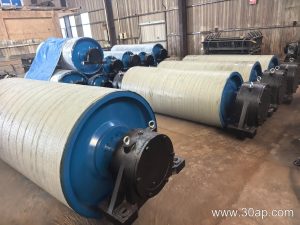
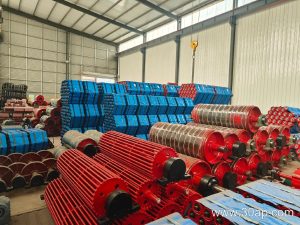
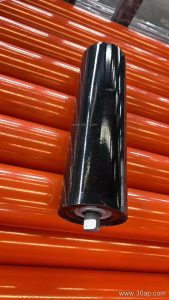
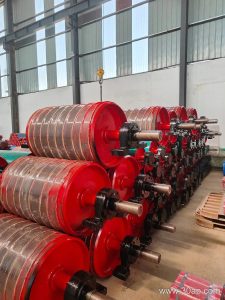
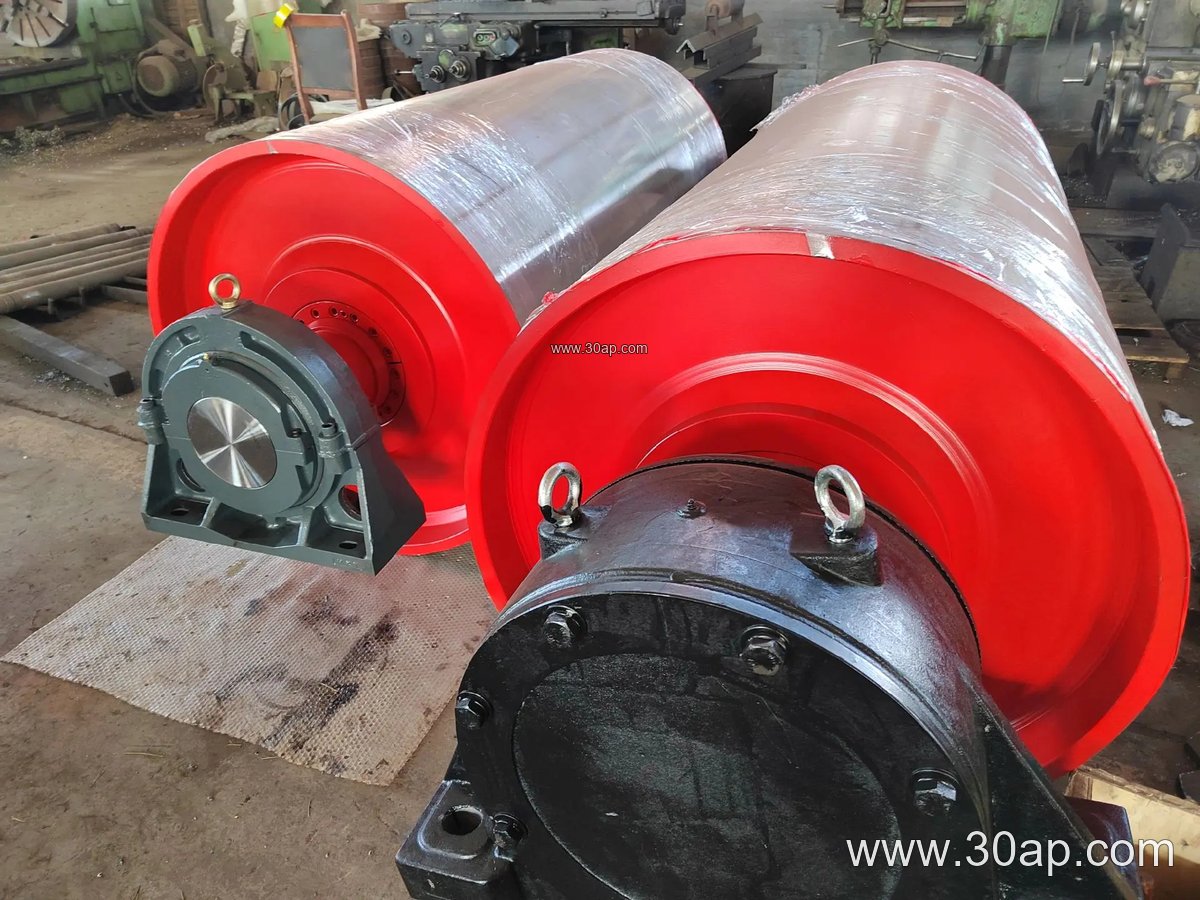
An assembled pulley is a complete, ready-to-mount conveyor pulley that combines the shell, shaft, hubs, bearings, and locking elements into a single unit. Unlike a bare pulley shell that requires separate shaft and bearing assembly on site, this pre-built component arrives as a finished assembly, simplifying installation and reducing downtime. In bulk material handling, the assembled pulley serves as the driving, tail, or bend wheel that supports and moves the conveyor belt.
These pulleys are common in quarry, coal mining, and cement plant operations where reliability and quick maintenance matter. A typical assembled pulley may be supplied with lagging already applied, bearings greased and sealed, and shaft ends machined for coupling or keyed drive connections.
Construction and Key Components
The structure of an assembled pulley typically includes:
- Shell – rolled steel cylinder, sometimes with welded end discs.
- Shaft – solid or hollow, sized by torque and load, not by belt width alone.
- Hubs and locking assemblies – connect shell to shaft; may be welded or bolted.
- Bearings and housings – greased for life or relubricable, with seals for dusty environments.
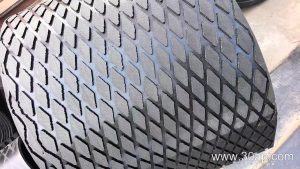
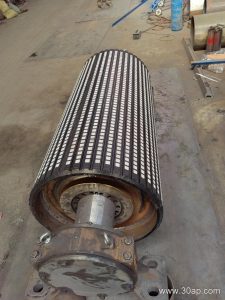
- Lagging – rubber, ceramic, or diamond pattern applied to improve grip and extend cover life.
Assembly may be welded, bolted, or use interference fits. The finished unit is dynamically balanced for smooth rotation at operating speeds.
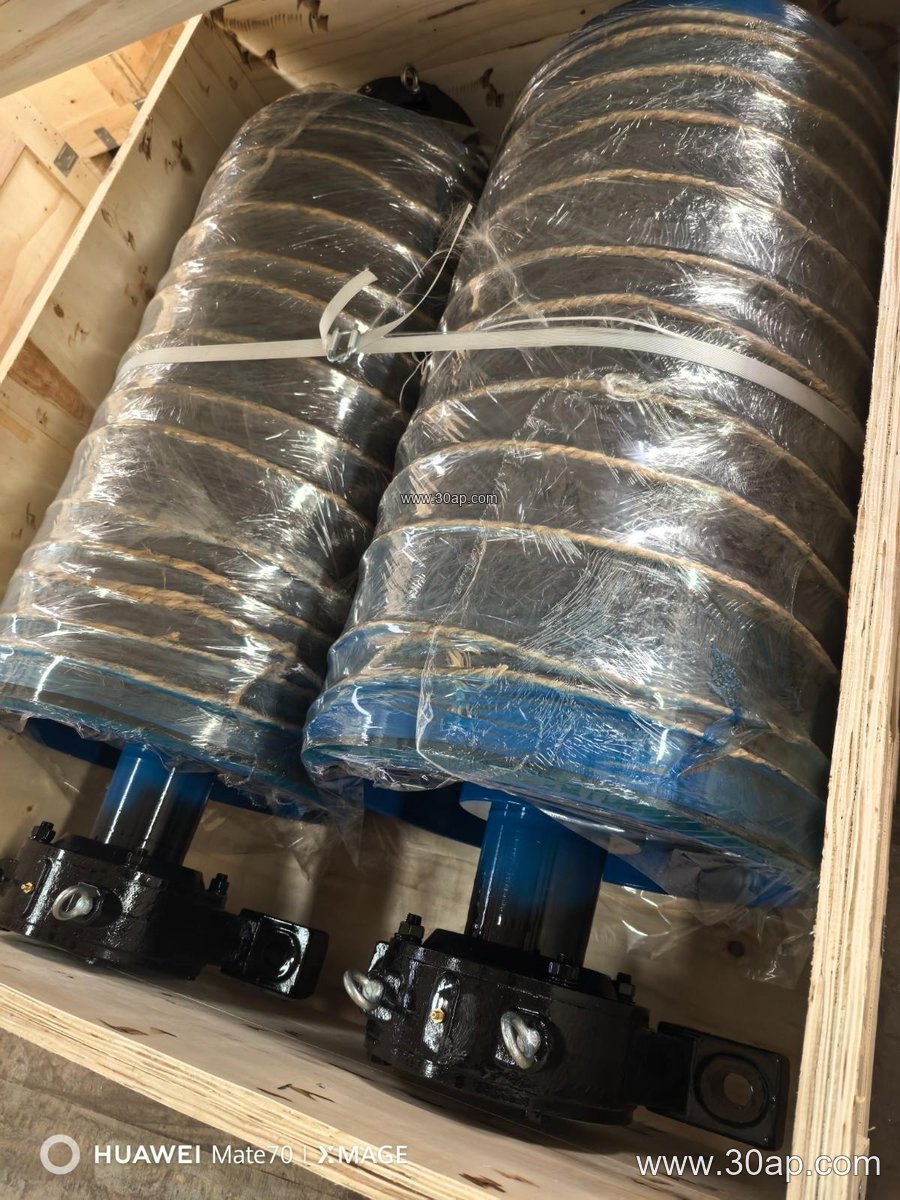
Where Assembled Pulleys Are Used
In a limestone quarry, an assembled pulley at the head of a primary conveyor drives the belt that carries blasted rock to the crusher. In a coal handling plant, tail and bend pulleys keep the conveyor belt aligned and tensioned through transfer points. Cement plants use them on clinker and raw meal conveyors, while power plants rely on assembled pulleys in coal feeding lines. The same component appears in port bulk terminals, steel sinter lines, and aggregate washing circuits.
Because the pulley is pre-assembled, it suits locations where on-site fitting of shafts and bearings would be difficult, such as elevated structures or confined transfer towers.
Common Sizes and Configurations
Assembled pulleys are specified by belt width, pulley diameter, shaft diameter, and face width. The table below shows typical reference combinations; actual selection depends on belt tension, speed, and load.
| Belt Width (mm) | Pulley Diameter (mm) | Face Width (mm, approx.) | Common Shaft Diameter (mm) |
|---|---|---|---|
| B500 | Ø250 – Ø400 | 600 | Ø60 – Ø80 |
| B650 | Ø315 – Ø500 | 750 | Ø70 – Ø90 |
| B800 | Ø400 – Ø630 | 950 | Ø80 – Ø100 |
| B1000 | Ø500 – Ø800 | 1150 | Ø90 – Ø120 |
| B1200 | Ø630 – Ø1000 | 1400 | Ø100 – Ø140 |
| B1400 | Ø800 – Ø1250 | 1600 | Ø120 – Ø160 |
| B1600 | Ø1000 – Ø1400 | 1800 | Ø140 – Ø180 |
| B1800 | Ø1250 – Ø1600 | 2000 | Ø160 – Ø200 |
Surface options include plain, rubber lagged (8–20 mm thick), diamond grooved, ceramic lagged, and herringbone pattern. The choice depends on whether the pulley is driving (needs grip) or just redirecting the belt.
Buyer Checklist
Before ordering an assembled pulley, confirm the belt width, required diameter, shaft size, lagging type and thickness, bearing type, and whether the pulley will be welded or keyed to the shaft. Check that the face width exceeds the belt width as recommended. Also verify the load rating and rotation speed. For conveyors handling abrasive EP conveyor belt or heavy steel cord conveyor belt, a robust lagging and sealed bearing arrangement are often advisable.
Ask for the assembly drawing and balance report. Ensure the supplier states the bearing brand and grease type. For coal mining or underground use, flame retardant lagging may be relevant; for food or clean applications, avoid certain rubber grades. Remember that shaft diameter is determined by torque and load, not by belt width alone.
Maintenance Notes
Assembled pulleys reduce installation time but still need periodic checks: bearing temperature, seal condition, lagging wear, and bolt torque. In dusty cement or quarry environments, relubrication intervals may be shorter. Keep the conveyor pulley aligned with the belt and inspect for material buildup on the shell, which can cause tracking problems.
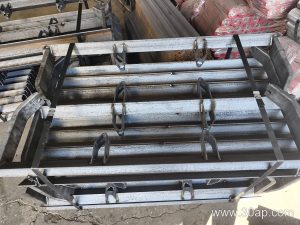
When replacing a pulley, match the new assembly’s dimensions and lagging to the original design, unless an engineering change is approved. Using the correct conveyor bracket and mounting bolts is also important for safe operation.