What a Heavy-Duty Lagged Pulley Does on a Conveyor
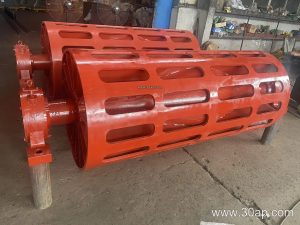
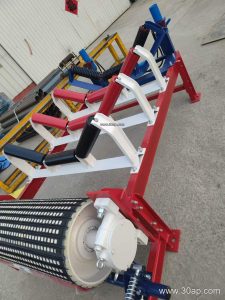
A heavy-duty lagged pulley is the robust, rubber-covered drum that transmits motion to a conveyor belt or changes its direction at head, tail, tension, or bend positions. The lagging is a sacrificial and friction-enhancing layer bonded to the shell, giving the belt reliable grip in wet or dusty conditions while protecting the drum body from wear. In a quarry or a cement plant, this component often determines whether a conveyor starts cleanly under load or slips.
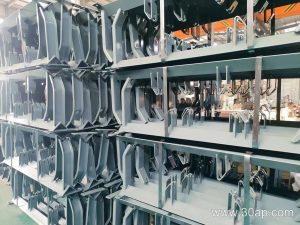
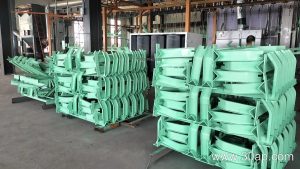
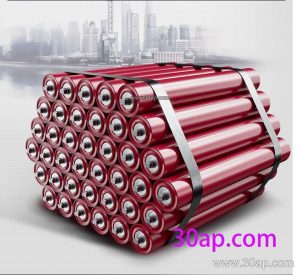
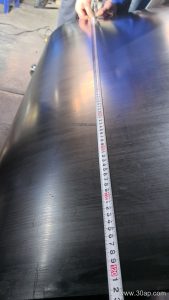
For matching equipment, think of the conveyor belt, idler roller, and conveyor pulley as a single chain. A well-specified heavy-duty lagged pulley should work with, not against, the belt’s tension and the surrounding conveyor bracket arrangement.
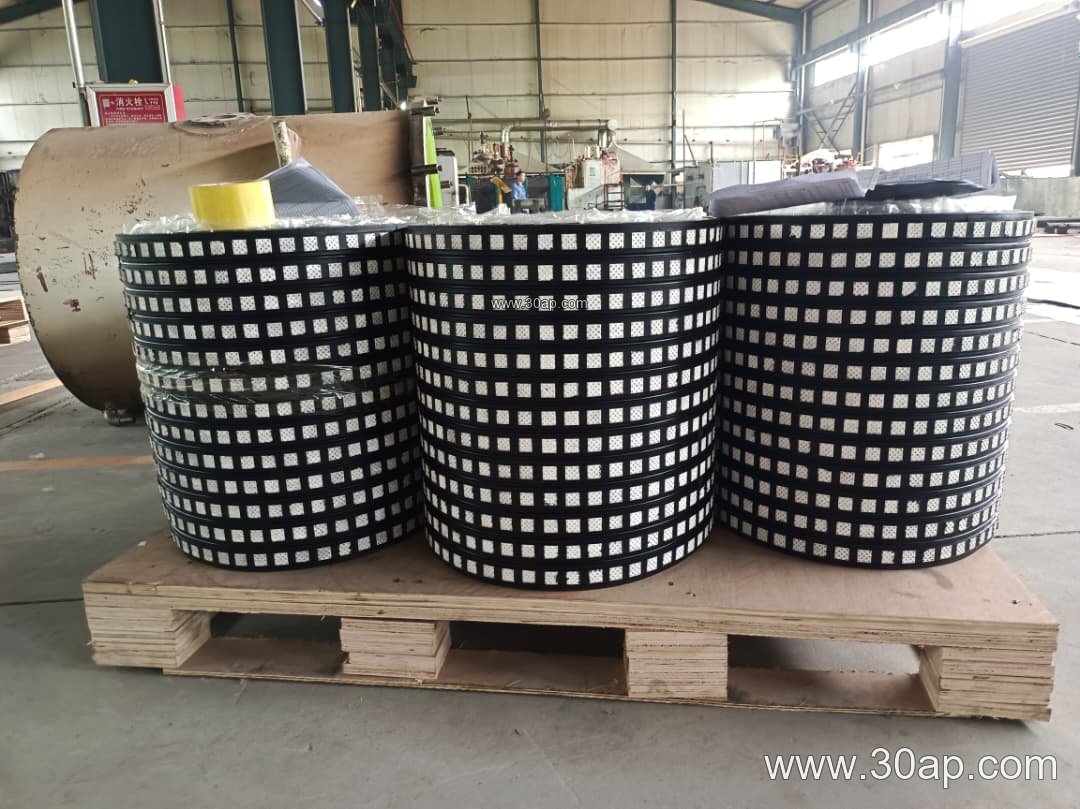
Construction and Surface Options
The core is usually a steel shell with welded end discs and a shaft sized by torque and load rather than belt width alone. Lagging may be cast rubber, cold-bonded rubber, hot-vulcanized rubber, diamond-pattern lagging, herringbone lagging, or ceramic lagging, with common thicknesses of 8, 10, 12, 15, and 20 mm.
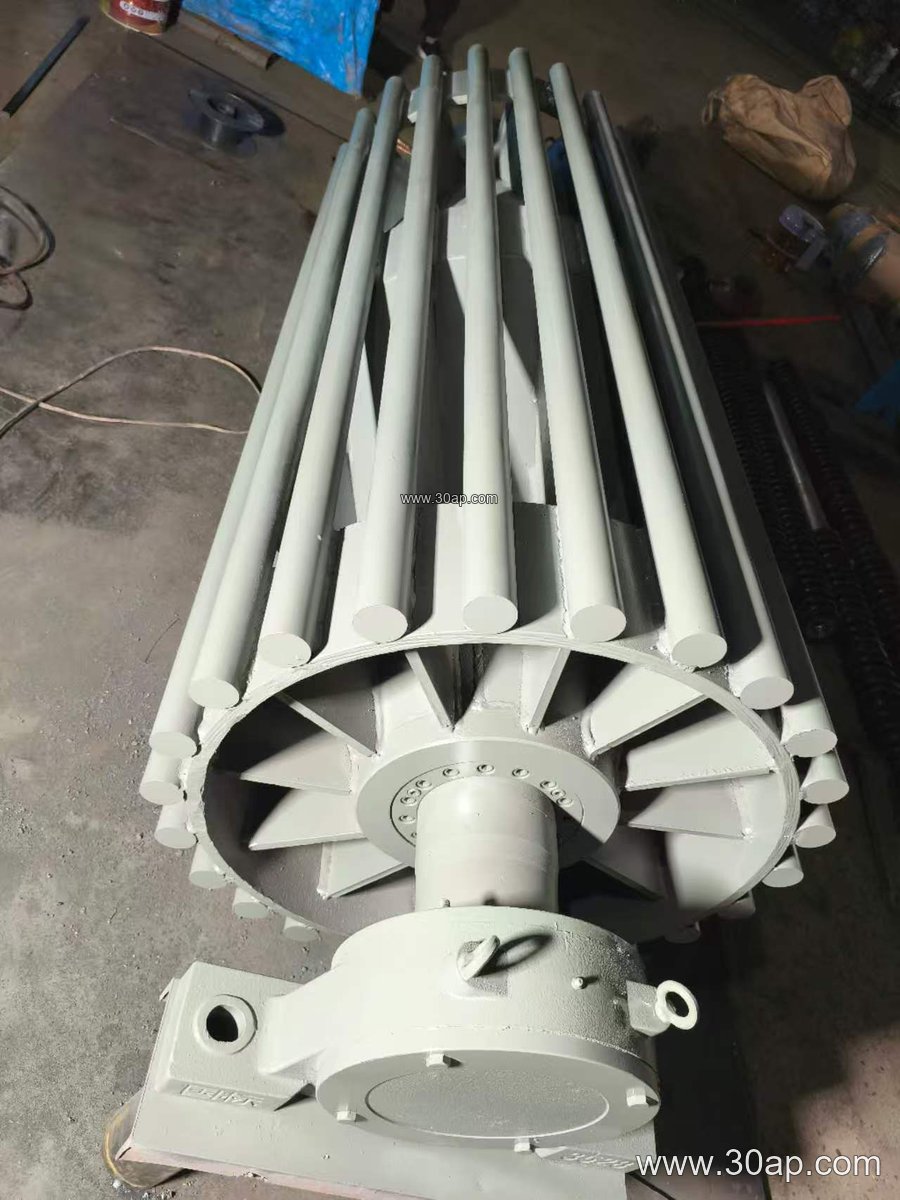
- Plain surface: simple and suitable for light slip risk.
- Diamond or herringbone lagging: improves grip and sheds water.
- Ceramic lagging: suited to abrasive bulk material handling.
- Hot-vulcanized rubber: strong bond for heavy mining duty.
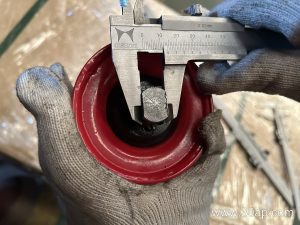
The drum face is normally wider than the belt, for example B800 with roughly 950 mm face width or B1200 with about 1400 mm. Diameter choices span Ø200 to Ø1800 depending on wrap angle and belt tension, so a B800 × Ø500 or B1200 × Ø1000 combination is common but never fixed. Shaft diameters from Ø50 to Ø200 are selected per drive load.
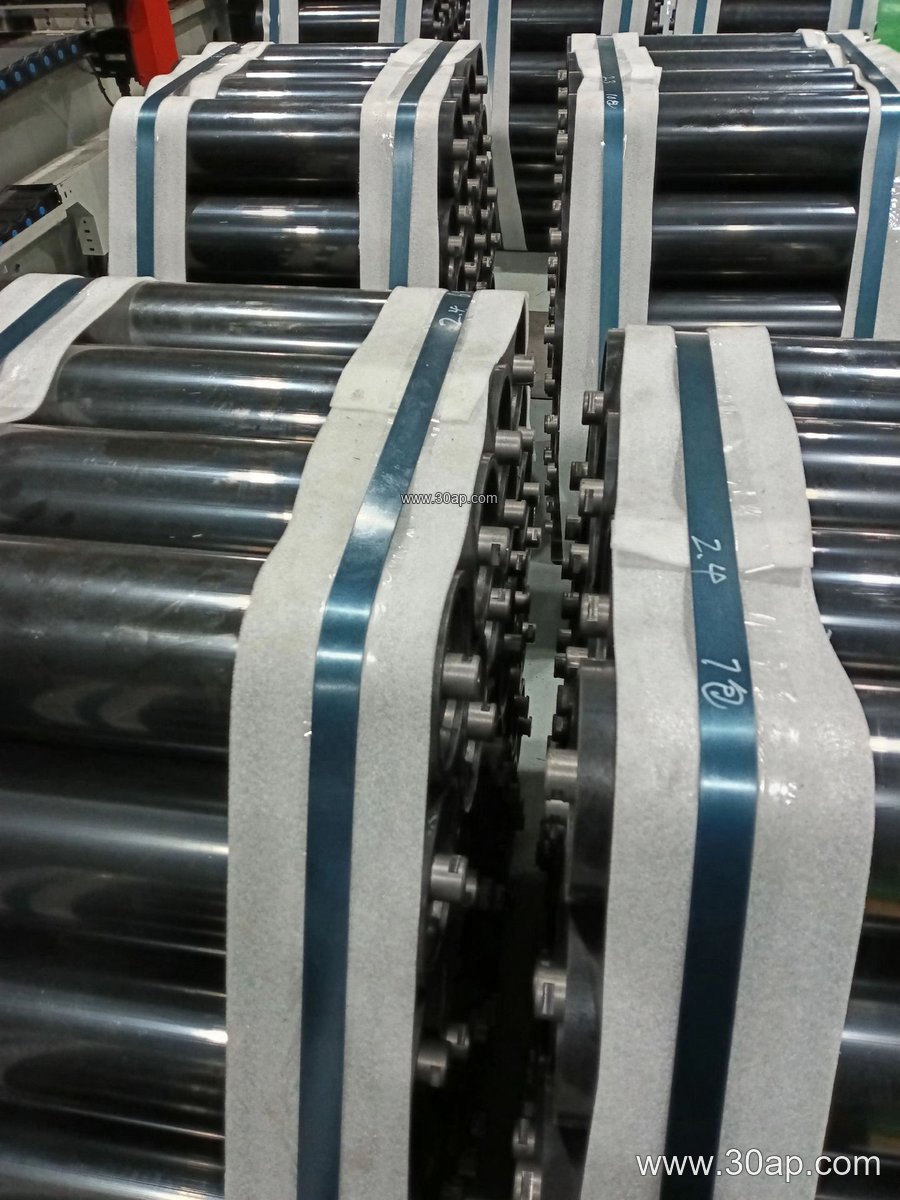
Where It Fits in the Plant
Heavy-duty lagged pulleys appear in primary crushing circuits, limestone mines, sinter plants, and port bulk terminals. They are also useful in a coal mining conveyor line where a flame retardant conveyor belt runs alongside a conveyor pulley that must resist slipping. In a power plant coal yard, the same drum may work with an abrasion resistant conveyor belt and a set of idler rollers to keep material moving.
Tail pulleys and bend pulleys are different roles, so do not substitute one for the other. A bend pulley changes direction; a tail pulley returns the belt. A heavy-duty lagged pulley can serve either role when specified correctly, but the drive pulley remains the one transmitting power.
Buyer Checklist
- Confirm belt width and drum face width together.
- Match lagging type to material: wet, oily, or highly abrasive.
- Review shaft diameter and bearing selection with the drive torque.
- Check compatibility with the conveyor bracket and idler roller spacing.
- For underground work, use flame retardant and anti-static belt and lagging choices where required.
Ask the supplier for drawings, lagging thickness, and balance data. On sites handling an EP conveyor belt or a steel cord conveyor belt, the pulley’s grip and surface quality matter as much as the belt itself. Visit www.example.com/conveyor-pulley for related component guidance, and keep www.example.com/idler-roller in mind when reviewing the full conveyor line.