What a Carbon Steel Idler Does on a Conveyor
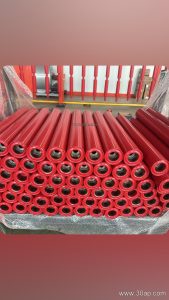
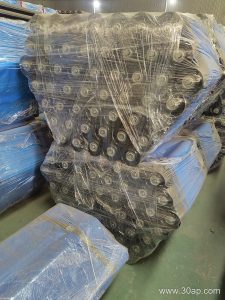
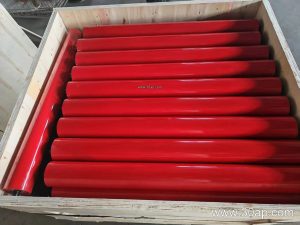
A carbon steel idler is the rotating support that carries the conveyor belt and the material load between the head and tail of a conveyor. In most bulk handling lines the belt slides over a series of these idler rollers, so the quality of the idler directly affects belt life, power consumption and how straight the belt tracks. A carbon steel idler roller is often specified where strength and cost need to balance, from a quarry conveyor moving crushed rock to a power plant feeding coal into a bunker.
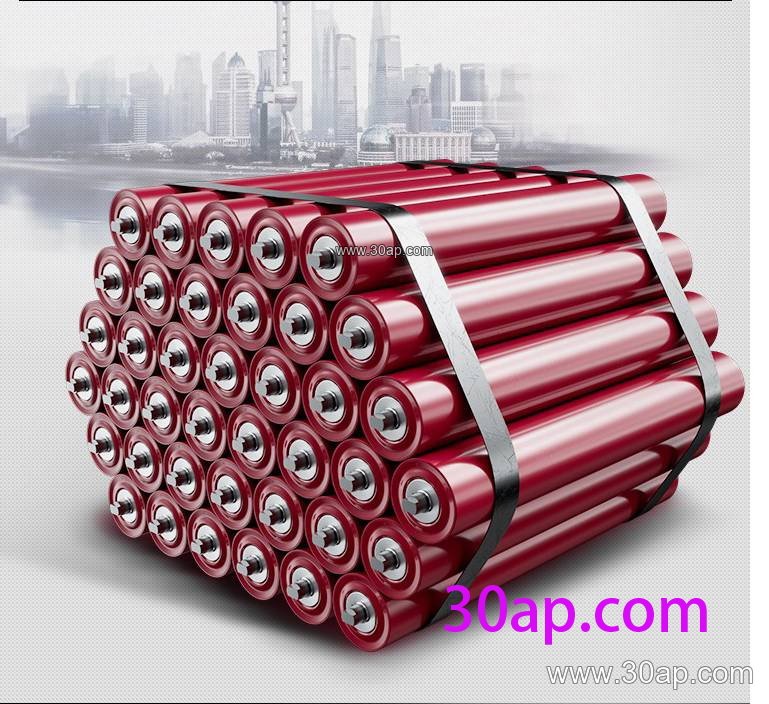
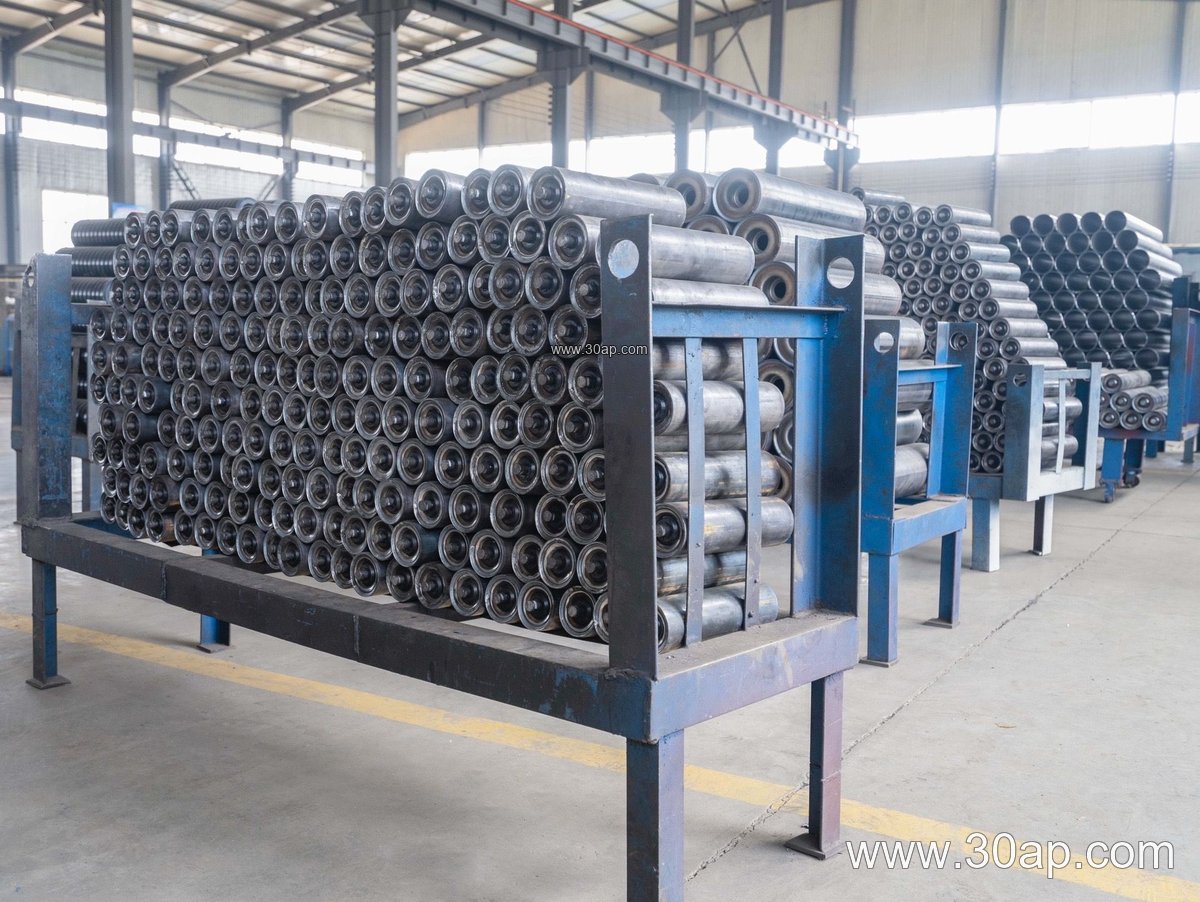
The body of the roller is normally a steel tube, with stamped bearing housings welded at each end, a shaft running through the centre, and sealed bearings packed with grease. The steel grade and wall thickness are chosen according to load and belt speed rather than a single universal rule.
How the Roller Is Assembled
Construction usually follows a simple pattern. The tube is cut to length, the bearing seats are machined or pressed in, and the shaft is fitted with bearings at both ends. A labyrinth seal or a combination of seal and dust cover keeps fine material away from the bearing. Roller surface can be plain steel, or covered with rubber rings where impact and abrasion are heavy. Bearing selection is matched to the roller diameter and duty, so common sizes such as 6204, 6205, 6305, 6306, 6308 and 6310 appear across different roller designs rather than being tied to one diameter.
For a troughing set, three rollers form a trough that holds the material on the belt. The side rollers are inclined while the centre roller stays flat. The trough angle is a design choice, commonly 20, 30, 35 or 45 degrees, and it changes how much material the belt can hold and how the load sits on the belt edge.
Common Forms and Where They Fit
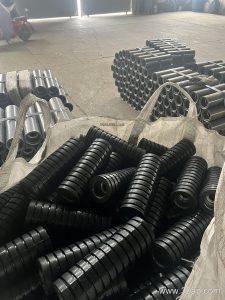
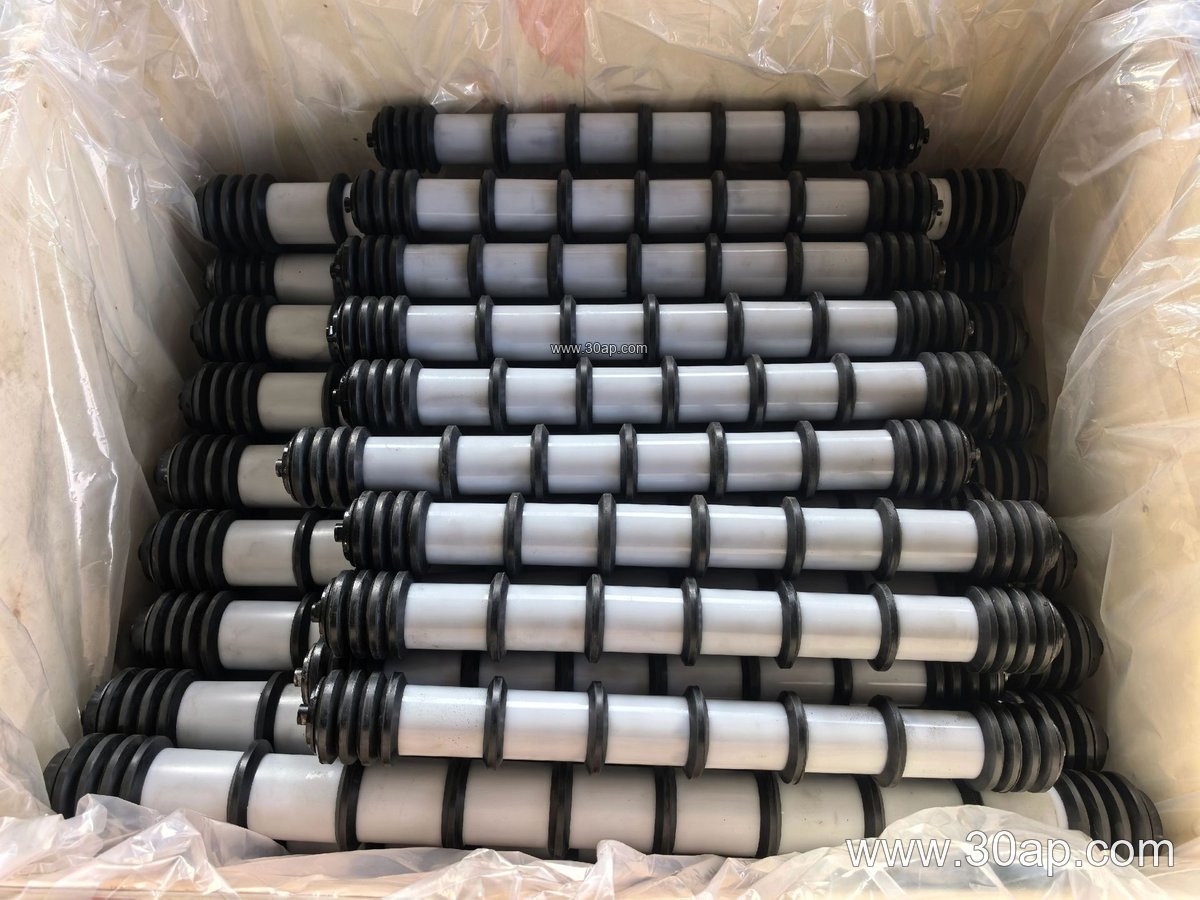
Different positions on the conveyor call for different roller forms. The carrying side usually uses troughing idlers, while the return side may use flat return rollers or V-shaped return rollers to keep the belt centred. Transition idlers ease the belt from flat to troughed. Impact idlers with rubber rings are placed under the loading point, and self-aligning idlers help correct belt wander on long runs. Spiral rollers are sometimes used on the return side to shed sticky material.
- Troughing idler set, two or three rolls, for the carrying run
- Flat or V-return roller for the empty belt
- Impact roller with rubber rings under the chute
- Self-aligning roller on long or curved sections
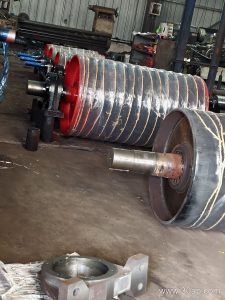
These are not interchangeable with drive pulleys, tail pulleys or bend pulleys, which transmit or redirect belt tension rather than support the belt along its length.
Roller Diameter, Belt Width and Roll Length
Roller diameter and belt width are selected together with the conveyor design. Common roller diameters include Ø63, Ø76, Ø89, Ø102, Ø108, Ø127, Ø133, Ø159, Ø178, Ø194 and Ø219 mm. Belt widths range from B400 and B500 up to B2400 for wide installations. The roller length depends on belt width, trough angle and the number of rolls in the set; the values below are typical examples, not fixed pairings.
| Belt width | Typical roll length (three-roll troughing) |
|---|---|
| B500 | about 200 mm |
| B650 | about 250 mm |
| B800 | about 315 mm |
| B1000 | about 380 mm |
| B1200 | about 465 mm |
| B1400 | about 530 mm |
| B1600 | about 600 mm |
| B1800 | about 670 mm |
| B2000 | about 750 mm |
Side rollers and centre rollers can differ in length, and the final figure is set by the conveyor designer. A wide belt does not automatically fix one pulley diameter, and a given belt width does not decide a single shaft size.
Where Carbon Steel Idlers Are Used
These rollers suit many bulk conveying duties. In a limestone quarry or an aggregate line, dust and grit make sealing important. In a coal handling system at a power plant, the idler must cope with continuous load and often with flame retardant belt requirements. In a cement plant, fine abrasive dust tests bearing protection. They also appear in iron ore and copper ore handling, in a crusher discharge conveyor, and in port ship loading lines where long conveyors run many rollers.
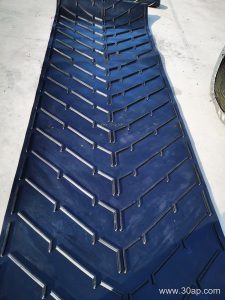
The belt itself matters too. A heavy-duty mining conveyor belt, an abrasion resistant conveyor belt or a heat resistant conveyor belt each places different demands on the roller surface and bearing seals. Matching the carbon steel idler to the belt and the material is more useful than choosing by size alone.
Buyer Checklist
- Confirm roller diameter, roll length and trough angle from the conveyor drawing.
- Check bearing size, seal type and grease filling for the dust and moisture level.
- State the material handled and whether impact or abrasion protection is needed.
- Ask for the steel tube wall thickness and shaft material.
- Confirm mounting dimensions fit the existing conveyor bracket and frame.
For more on matching rollers with belt and pulley equipment, see the conveyor component pages at www.morningbelt.com and the roller range at www.morningbelt.com/idler. A carbon steel idler chosen with the right diameter, seal and mounting detail will keep a conveyor running smoothly in quarry, mine, cement or power plant service.