What a Sealed Idler Is and Why It Matters
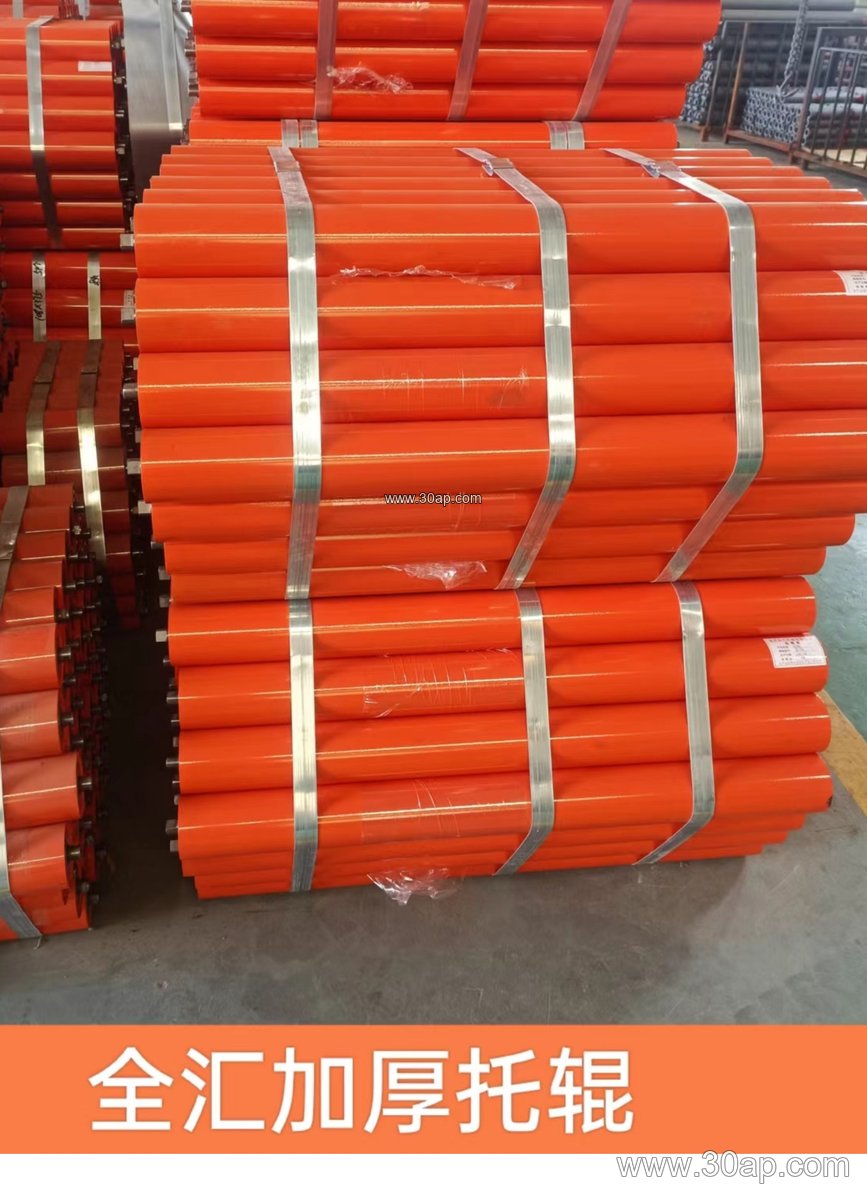
A sealed idler is a type of idler roller designed with protective seals to keep dust, water, and other contaminants out of the bearing housing. In industries such as mining, coal preparation, cement plants, power generation, and quarrying, conveyor systems operate under constant exposure to abrasive materials. The sealed idler helps extend bearing life and reduces maintenance downtime, making it a practical choice for both new installations and retrofits. Whether you are running a Mining Conveyor Belt or a Fabric Core Conveyor Belt, the idler’s sealing performance directly affects the overall reliability of the conveyor line.
Construction and Sealing Mechanism
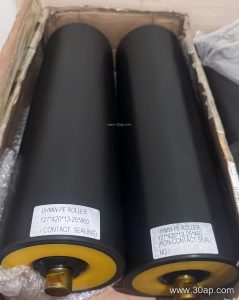
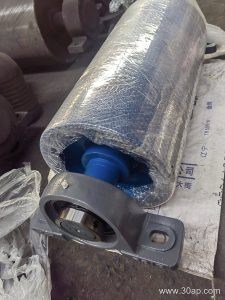
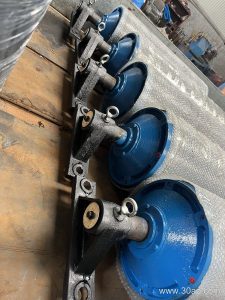
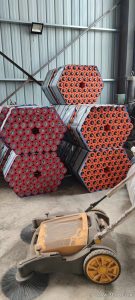
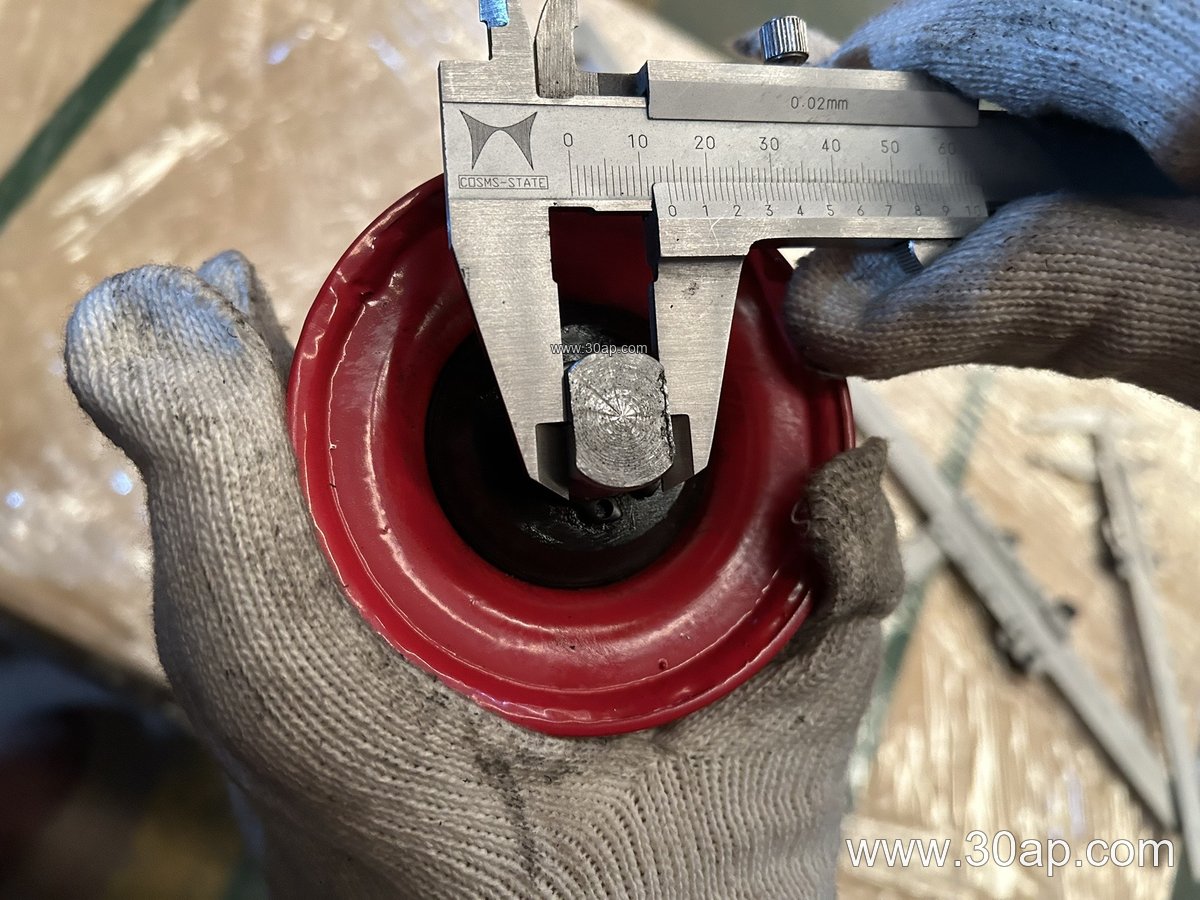
At its core, a sealed idler consists of a steel tube, a shaft, bearing housings, and a sealing arrangement. The seals are typically made of rubber or synthetic materials and may include labyrinth or contact designs. These seals prevent fine particles from entering the bearing cavity while retaining lubricant. Common bearing sizes used in sealed idlers include 6204, 6205, 6305, 6306, 6308, and 6310, matched to the roller diameter and load requirements. Roller diameters range from Ø63 to Ø219, with Ø89, Ø108, Ø133, and Ø159 being frequently used in bulk material handling. The roller surface can be plain steel, nylon, ceramic, or rubber-disc covered, depending on the application. For example, a rubber-disc sealed idler is often selected for impact zones where a Heavy-Duty Conveyor Belt carries large lumps.
Where Sealed Idlers Are Used
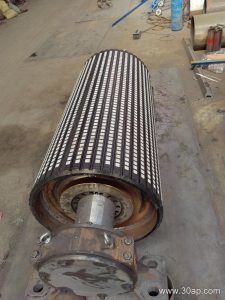
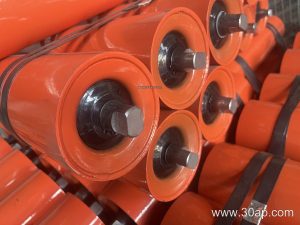
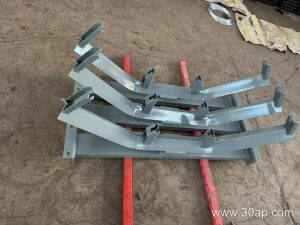
Sealed idlers are found in a wide range of conveyor sections, from the carrying side to the return side. In a typical three-roll troughing set, sealed idlers support the belt and help maintain the trough angle. Common trough angles are 20, 30, 35, and 45 degrees. In dusty or wet conditions—such as a limestone quarry, a coal washing plant, or a power plant coal yard—the sealed design reduces the risk of premature bearing failure. They are also used in Steel Cord Conveyor Belt systems where long distances and high tensions demand dependable idler performance. The sealed idler is not a substitute for a drive pulley, tail pulley, or bend pulley; those are separate components with distinct functions. However, selecting the right idler complements the entire conveyor pulley and bracket assembly.
Key Parameters and Selection Guidelines
When specifying a sealed idler, several parameters should be considered. The table below lists common reference values; actual dimensions should be confirmed with the conveyor design.
| Parameter | Common Options / Range |
|---|---|
| Roller diameter | Ø63, Ø76, Ø89, Ø102, Ø108, Ø127, Ø133, Ø159, Ø178, Ø194, Ø219 |
| Belt width (B) | B400, B500, B650, B800, B1000, B1200, B1400, B1600, B1800, B2000, B2200, B2400 |
| Trough angle | 20°, 30°, 35°, 45° |
| Bearing | 6204, 6205, 6305, 6306, 6308, 6310 |
| Roller surface | Steel, nylon, ceramic, rubber disc |
| Idler length (example, 3-roll troughing) | B500: 200 mm; B650: 250 mm; B800: 315 mm; B1000: 380 mm; B1200: 465 mm; B1400: 530 mm; B1600: 600 mm; B1800: 670 mm; B2000: 750 mm |
These values are typical examples and should not be treated as fixed combinations. The idler length varies with belt width, trough angle, and the specific idler arrangement. Side rollers and center rollers may have different lengths. The shaft diameter is determined by load and bearing selection, not by belt width alone. For instance, a B800 belt may use a Ø108 idler with a 30° trough, while a B1400 belt might require a Ø133 or Ø159 idler with a 35° trough. Always consult the conveyor design for exact specifications.
Buyer Checklist for Sealed Idlers
- Confirm the sealing type and material compatibility with the environment (dust, water, chemicals).
- Verify the bearing size and lubricant type for the expected load and speed.
- Check the roller diameter and length against the belt width and trough angle.
- Consider the surface form: rubber disc for impact, ceramic for abrasion, or plain steel for general use.
- Ensure the idler is compatible with the existing conveyor bracket and frame dimensions.
- For explosive atmospheres, specify anti-static properties where required, especially with a Flame Retardant Conveyor Belt.
Sealed idlers contribute to lower maintenance costs and longer service intervals when properly selected. They are a small but critical part of the material handling system, working alongside the conveyor belt, pulleys, and brackets to keep production moving.