What a Tail Drive Pulley Does
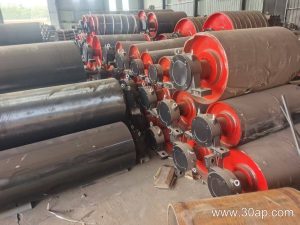
A tail drive pulley is a conveyor pulley mounted at the tail end of a belt conveyor and used to drive the belt. In this arrangement, the drive unit is placed at the return end rather than at the head, which can suit layouts where the head area is crowded or where the discharge zone should stay free of motors and gearboxes. It is a specific position-based type of drive pulley, not a bend pulley and not a simple tail pulley that only redirects the belt. The tail drive pulley both transmits torque to the conveyor belt and sets the belt path at the tail, so its design must handle drive loads and belt tracking at the same time.
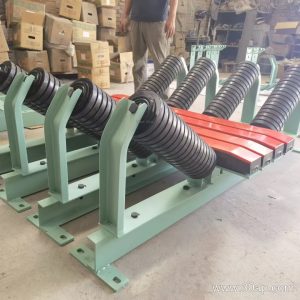
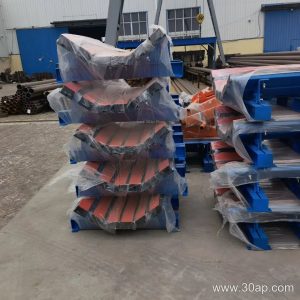
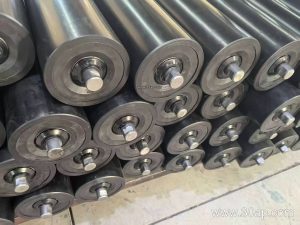
Where a conventional layout uses a head drive pulley, a tail drive variant is often chosen for underground mining conveyors, long inclined lines, and transfer points where the return strand offers better access for maintenance. It works together with the conveyor belt, idler rollers, and conveyor brackets, and its behavior depends on the whole conveyor, not on the pulley alone.
Construction and Surface Options
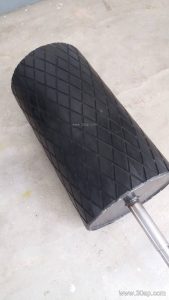
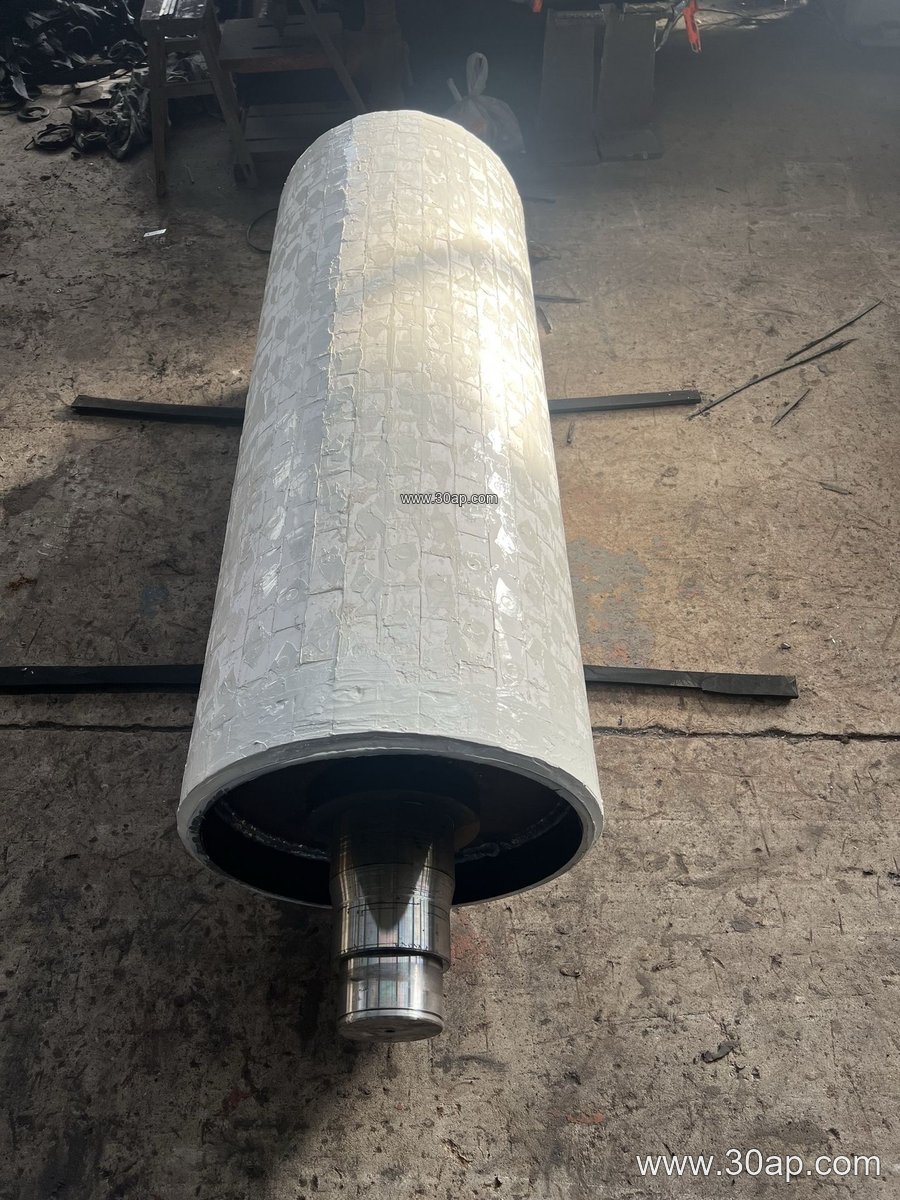
The body is typically a welded steel drum with a shaft, hubs, and bearing housings. Because it is a driving component, the shell is usually machined and covered with rubber lagging to raise friction between the drum and the belt. Common surface forms include plain, cold-bonded rubber, hot-vulcanized rubber, diamond lagging, herringbone lagging, and ceramic lagging. Lagging thickness is commonly 8, 10, 12, 15, or 20 mm depending on the duty.
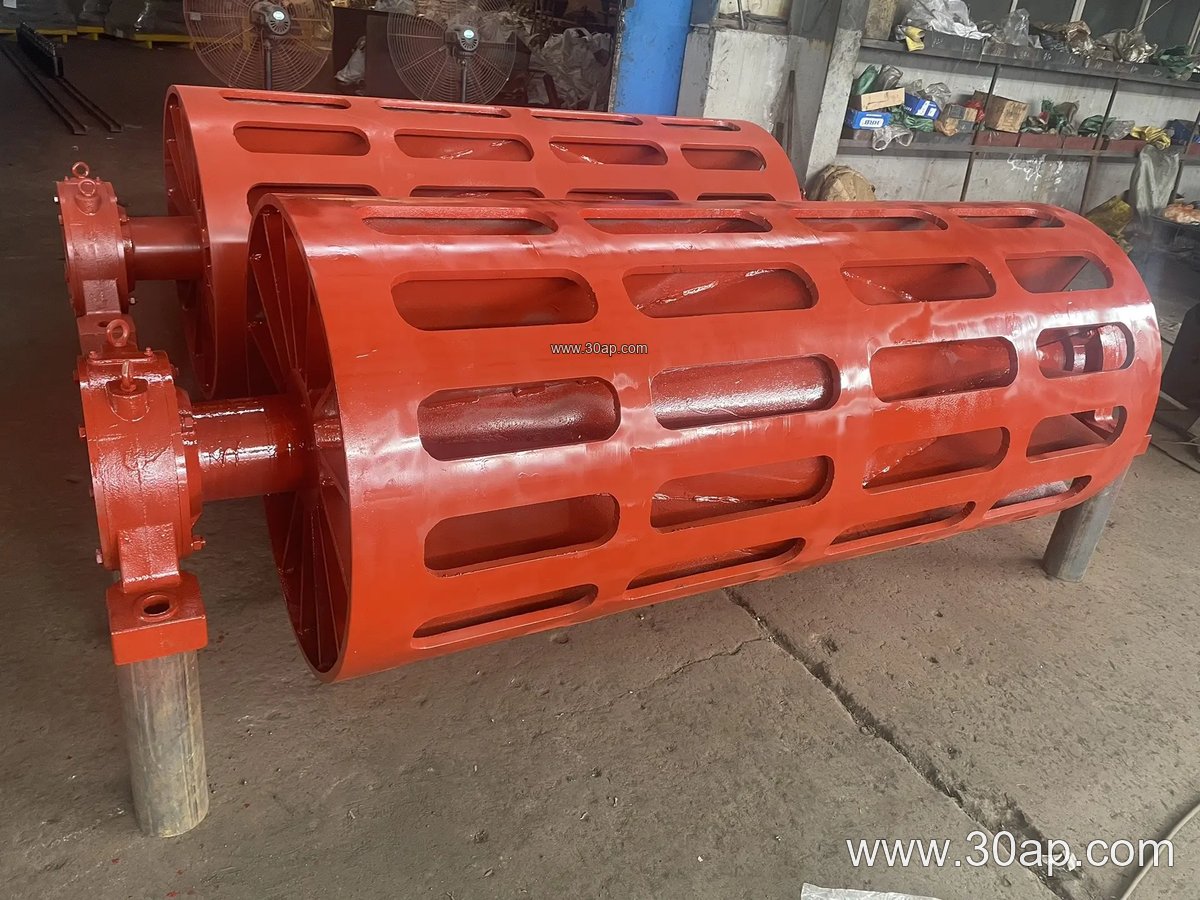
Diamond or herringbone patterns help shed water and fines, which matters in wash plants and quarries. Ceramic lagging is often considered where abrasive slurry or sharp aggregate is present. The pulley also needs a suitable locking assembly and a shaft sized by torque and load, not by belt width alone.
Typical Sizes and Matching
Tail drive pulleys are made in a range of diameters and face widths. Face width is usually a little wider than the belt to keep the belt supported. Reference combinations such as B800 × Ø500, B1200 × Ø1000, or B1400 × Ø800 appear in project designs, but no single belt width is tied to one diameter. Diameter selection depends on belt speed, torque, belt stiffness, and the required wrap angle.
| Belt width | Typical pulley face width | Common diameter range |
|---|---|---|
| B500 | about 600 mm | Ø250 to Ø400 |
| B650 | about 750 mm | Ø315 to Ø500 |
| B800 | about 950 mm | Ø400 to Ø630 |
| B1000 | about 1150 mm | Ø500 to Ø800 |
| B1200 | about 1400 mm | Ø630 to Ø1000 |
| B1400 | about 1600 mm | Ø800 to Ø1250 |
Shaft diameters commonly fall between Ø50 and Ø200, again determined by torque and bearing load. These values are reference data for discussion, not verified universal specifications.
Where It Fits in the Plant
You will see this pulley in coal preparation plants, cement clinker lines, and power plant coal handling. In a wash box or a transfer house, placing the drive at the tail can keep the head pulley compact and shorten the drive shaft. In a quarry or aggregate line, a tail drive pulley may be used on a secondary conveyor feeding a screen. It is also found in iron ore and copper ore circuits and in port bulk terminals where the return end is more accessible.
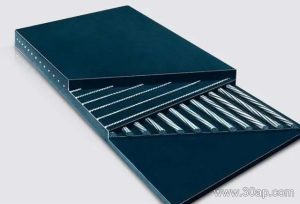
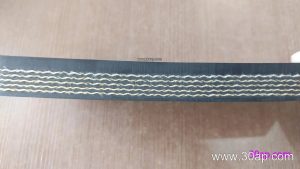
Because the belt leaves the tail drive pulley under tension, the belt grade matters. A heavy-duty mining conveyor belt with a strong fabric core, such as an EP conveyor belt or a steel cord conveyor belt, will behave differently from a light PVC belt. Abrasion resistant conveyor belt covers reduce wear on both the belt and the lagging, and flame retardant conveyor belt grades are common in underground coal mining conveyors. In dusty or wet conditions, an anti-static conveyor belt may also be specified.
Buyer Checklist
- Confirm the drive position and wrap angle, since a tail drive pulley sees different belt tension from a head drive.
- Check lagging type and thickness against the material and moisture level.
- Match face width to belt width with a small margin, and verify shaft size from torque calculations.
- Review bearing selection, sealing, and lubrication access for the site.
- Ask how the pulley will be balanced and how the lagging is bonded.
- Plan inspection of lagging wear and belt tracking as part of routine maintenance.
A tail drive pulley is only one part of the conveyor, but it links the drive, the belt, and the tail geometry. Getting its diameter, lagging, and shaft design right keeps the whole line running smoothly. For related components such as conveyor pulleys, idler rollers, and conveyor brackets, work with a supplier who can review the full conveyor layout.