What a Disc Idler Is and Where It Fits
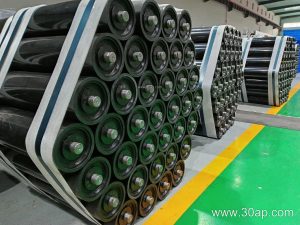
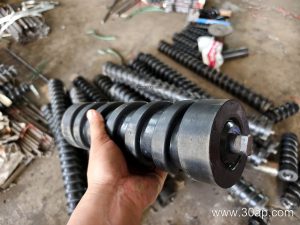
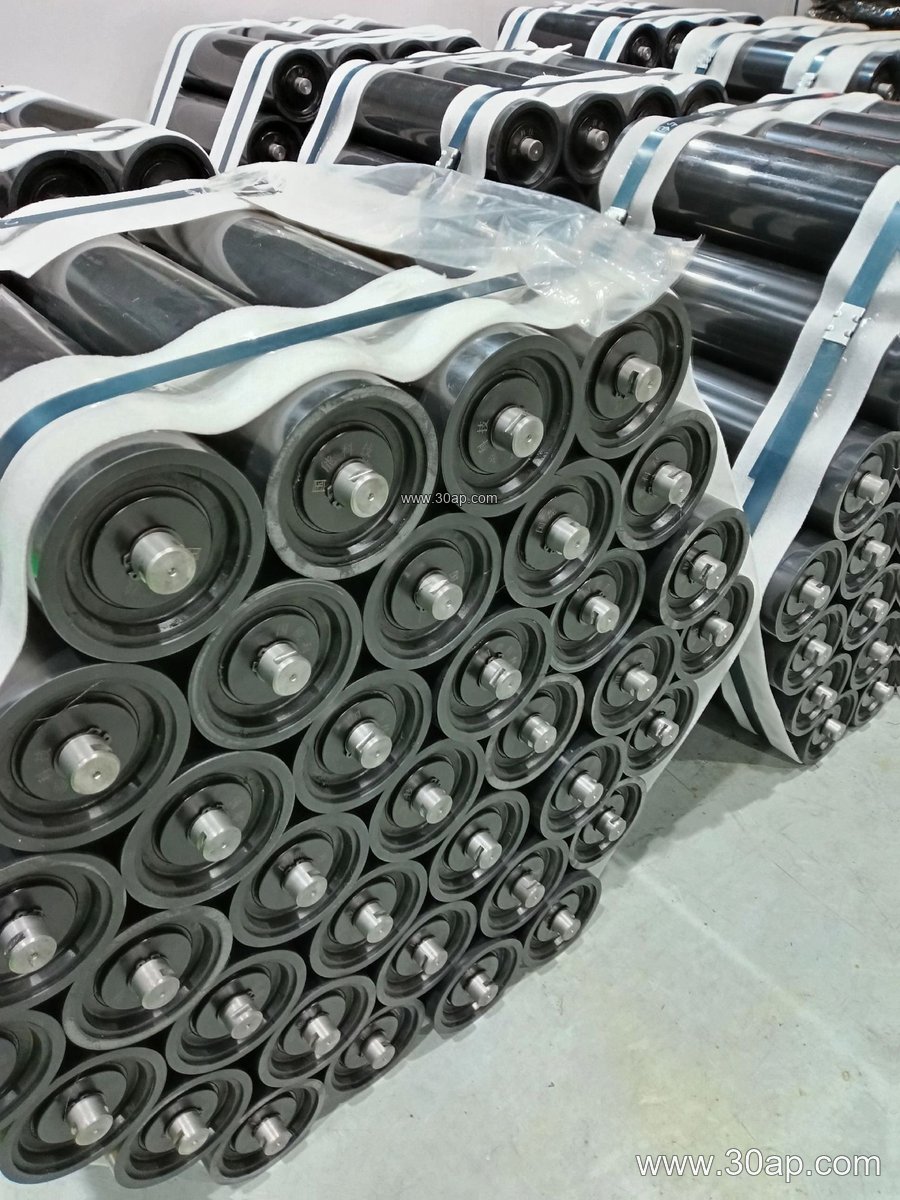
A disc idler is a type of conveyor idler roller that uses a series of discs, rather than a continuous cylindrical shell, along its shaft. These discs are typically made of rubber or a rubber-like material and are spaced apart to form a flexible, self-cleaning surface. In a conveyor system, the disc idler is often used on the return side or in applications where material buildup is a concern. Unlike a standard steel idler roller, the disc design allows fines and sticky material to fall away between the discs, reducing the risk of belt misalignment and premature wear. This makes it a practical choice for handling bulk materials in industries such as coal mining, cement plants, power plant coal handling, and quarry operations. When paired with a rubber conveyor belt or an EP conveyor belt, the disc idler helps maintain consistent belt support while minimizing maintenance.
Construction and Key Components
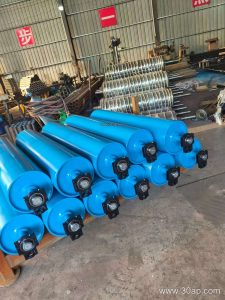
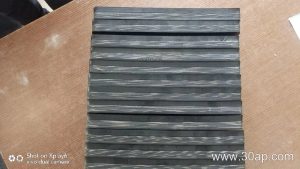
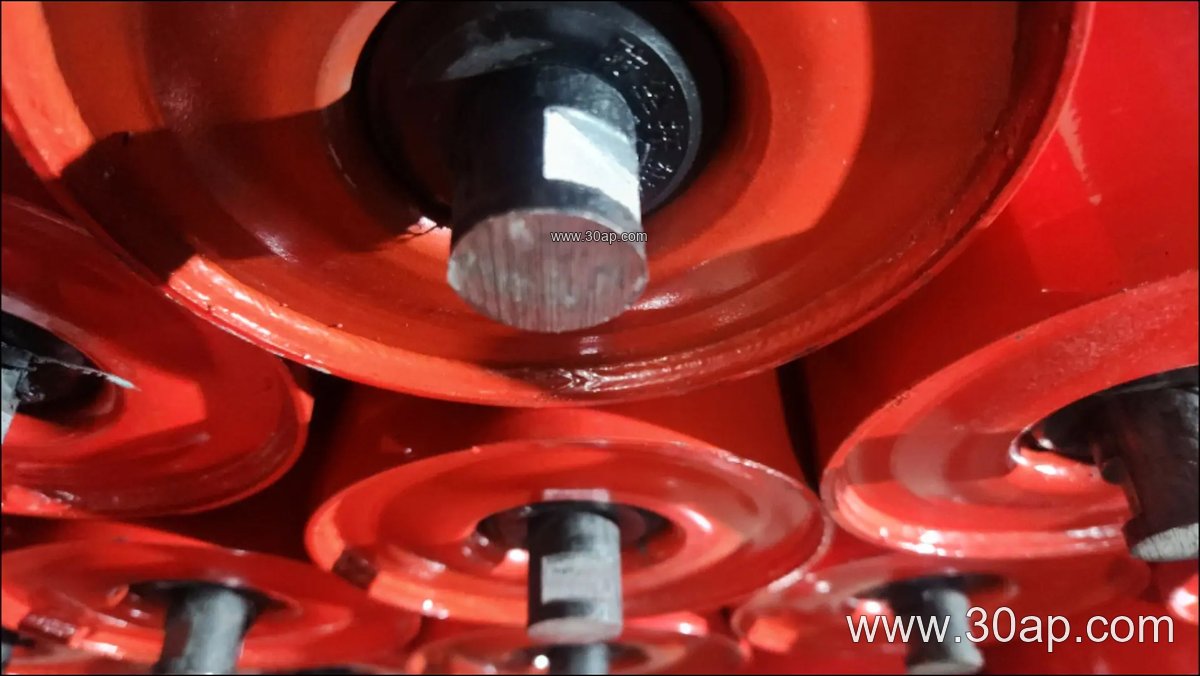
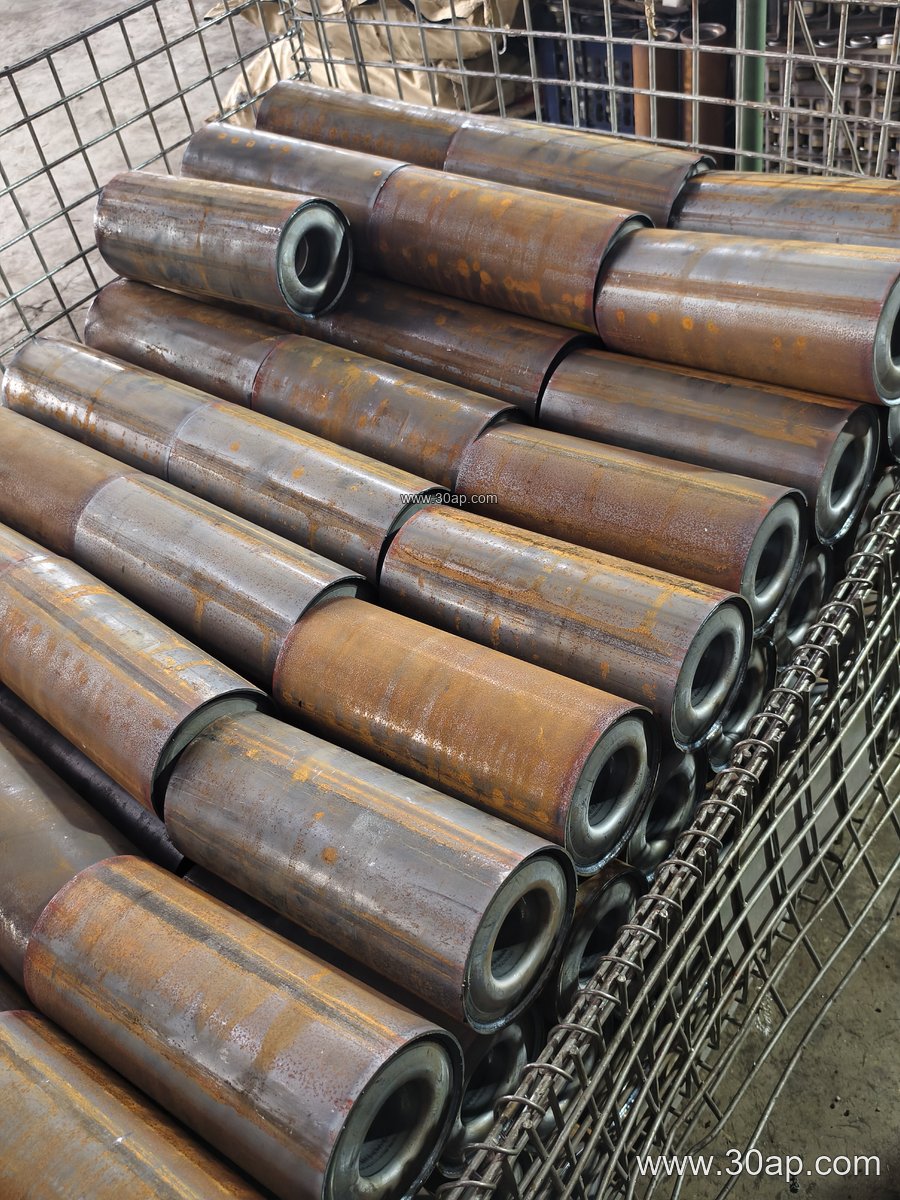
The typical disc idler consists of a central shaft, a series of rubber discs, and bearing housings at each end. The discs are mounted on the shaft and can be either molded directly onto the shaft or assembled as separate components. Common bearing sizes for idlers include 6204, 6205, 6305, 6306, 6308, and 6310, though the specific bearing is selected based on load and speed requirements. The shaft diameter is determined by the overall design and load, not simply by the belt width. The disc material is usually abrasion-resistant rubber, which helps absorb impact and reduce noise. Some designs feature a steel tube core with rubber discs vulcanized to it, combining strength with flexibility. The surface of the discs may be smooth or grooved to enhance self-cleaning. For harsh environments, such as underground coal mining or iron ore handling, the disc idler can be specified with sealed bearings and corrosion-resistant finishes.
Where Disc Idlers Are Used
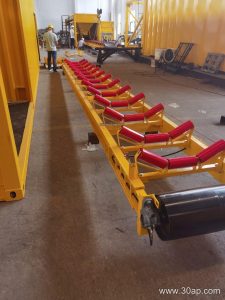
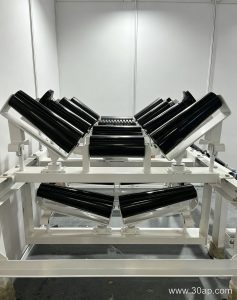
Disc idlers are commonly found in the return run of belt conveyors, especially where the belt carries wet or sticky materials. In a coal preparation plant, for example, the return belt often carries residual coal fines that can adhere to a smooth idler roller, causing buildup and tracking issues. The disc idler allows these fines to drop off between the discs, keeping the belt path cleaner. Similarly, in a cement plant handling limestone or clinker, the disc idler can reduce material carryback. Other applications include sand and gravel lines, port conveyor systems, and power plant coal handling. When used with a flame retardant conveyor belt or an abrasion resistant conveyor belt, the disc idler contributes to a more reliable conveyor loop. It is important to note that disc idlers are not a substitute for bend pulleys or tail pulleys; they serve a different function in the conveyor structure.
Specifications and Selection Guidance
Disc idlers are available in a range of sizes to match conveyor belt widths and load requirements. The table below lists common reference values for roller diameter and belt width, but final selection should be based on the specific conveyor design, belt speed, and material characteristics.
| Parameter | Common Reference Values |
|---|---|
| Roller diameter (mm) | Ø63, Ø76, Ø89, Ø102, Ø108, Ø127, Ø133, Ø159, Ø178, Ø194, Ø219 |
| Belt width (mm) | B400, B500, B650, B800, B1000, B1200, B1400, B1600, B1800, B2000, B2200, B2400 |
| Bearing sizes | 6204, 6205, 6305, 6306, 6308, 6310 (selection depends on load and speed) |
| Disc material | Rubber, abrasion-resistant rubber, or rubber-covered steel |
When selecting a disc idler, consider the belt width, the material being conveyed, and the operating environment. For a 1000mm wide conveyor belt, a disc idler with a diameter around Ø108 or Ø127 mm might be typical, but the exact size should be confirmed with the conveyor designer. The disc spacing and thickness also affect performance; wider spacing suits larger lumps, while closer spacing provides better support for fine materials. Buyers should verify the shaft diameter and bearing type with the manufacturer, as these are not determined by belt width alone. For high-abrasion applications, such as handling iron ore or copper ore, a disc idler with thick rubber discs is often preferred. In coal mining, flame retardant and anti-static properties may be required for the entire conveyor system, including the idler components.
Maintenance and Buyer Considerations
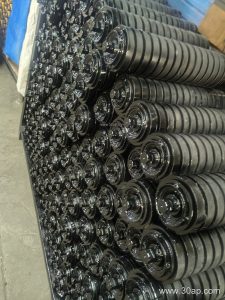
Disc idlers generally require less maintenance than smooth idlers in sticky material conditions because they are self-cleaning. However, periodic inspection is still necessary to check for worn discs, damaged bearings, or misalignment. When replacing idlers, it is important to match the disc idler’s dimensions and load rating to the original specification. Buyers should also consider the compatibility with the conveyor belt type. For instance, a pipe conveyor belt or a corrugated sidewall conveyor belt may have specific idler requirements that differ from a standard troughed conveyor. In any case, the disc idler should be selected as part of the complete conveyor system, not in isolation. For reliable performance in dusty or wet conditions, sealed bearings and high-quality rubber discs are recommended. Always consult the conveyor designer or idler manufacturer for exact specifications, as the values in this article are for reference only.
Conclusion
The disc idler is a specialized conveyor idler roller that offers self-cleaning benefits in demanding bulk material handling environments. By understanding its construction, typical applications, and selection criteria, buyers can make informed decisions that improve conveyor reliability and reduce downtime. Whether in a quarry, a cement plant, or a coal mining operation, the right disc idler can complement the conveyor belt and other components for efficient material transport.