What the Mining Conveyor Belt Does on Site
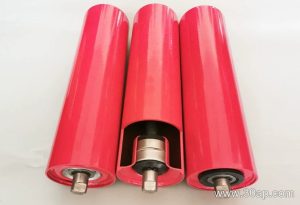
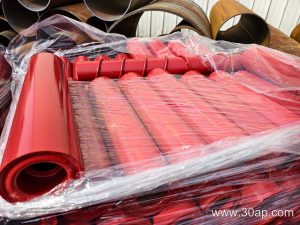
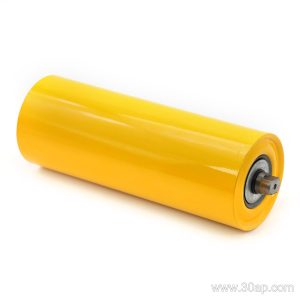
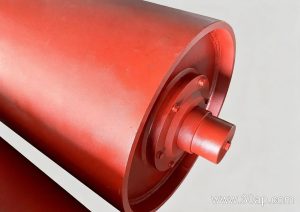
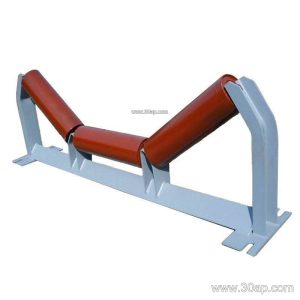
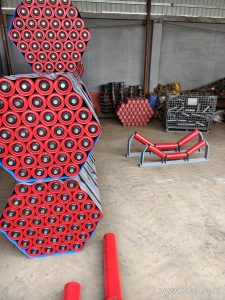
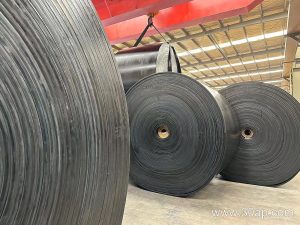
A mining conveyor belt is the load-carrying element of a continuous haulage system. It moves crushed ore, coal, aggregate and overburden from the crusher, stockpile or loading point to the next stage without trucks. In a quarry, coal preparation plant, cement works, steel plant or power station, the belt is only one part of the machine, but it is the part that touches the material. The frame, idler rollers, conveyor pulleys and conveyor brackets hold and guide it, while the belt itself absorbs impact, abrasion and sometimes heat, oil or flame exposure. That is why a mining conveyor belt is chosen by duty, not by appearance.
Construction and Common Constructions
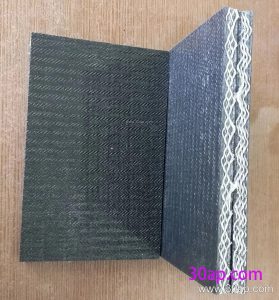
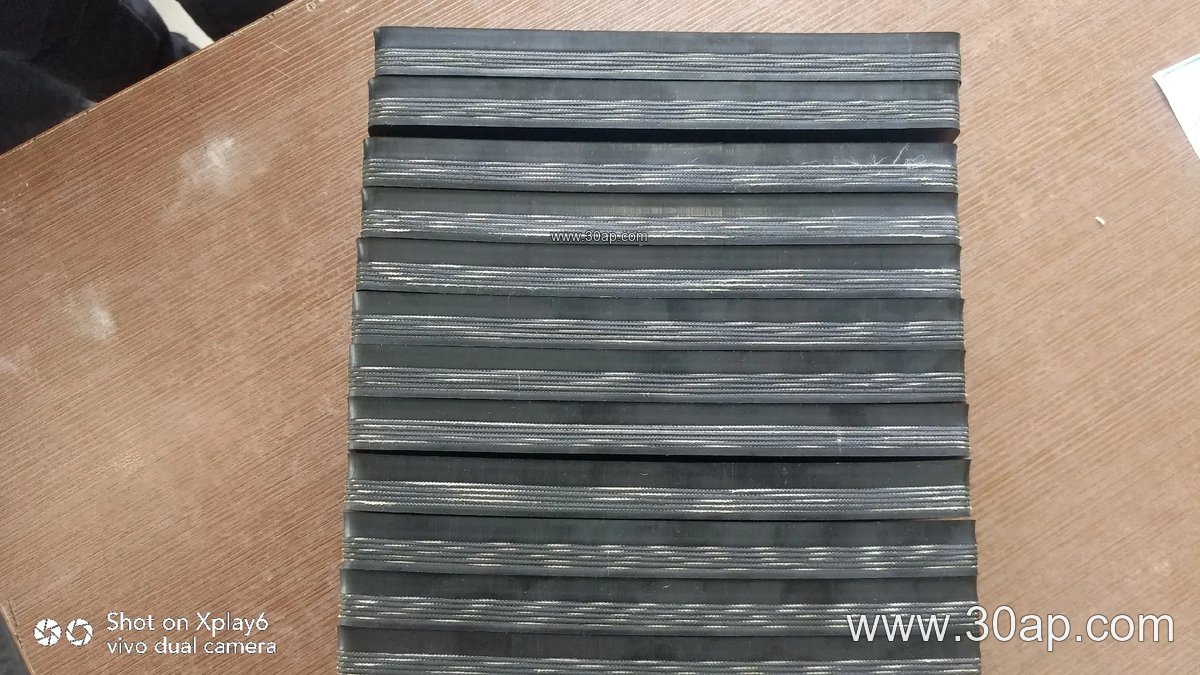
Most belts for mine duty are fabric-core or steel-cord reinforced. A fabric core uses woven plies, often EP (polyester-cotton) or NN (nylon-nylon) canvas, bonded under heat and pressure with rubber covers. A steel cord belt uses brass-plated wires as the tension member for long, high-capacity runs. Cover compounds are selected for the job: abrasion resistant for rock and ore, flame retardant for coal, heat resistant near clinker or sinter, oil resistant around lubricated machinery, and anti-static where dust and static are a concern.
Common carcass grades include EP200, EP315, EP500, EP800 and EP1250, and steel cord classes such as ST1000, ST1600 and ST2500. These are reference grades, not a fixed rule for every site. Belt widths commonly run from B500 to B2000, with B800, B1000, B1200 and B1400 frequent in mine plants. Cover thickness might be 4+2 mm or 6+2 mm for coarse rock, or 8+3 mm in severe impact zones. A 2-ply to 6-ply fabric construction is typical, while an endless belt is often preferred for permanent installations to reduce splice risk.
Where the Belt Fits in the Flow
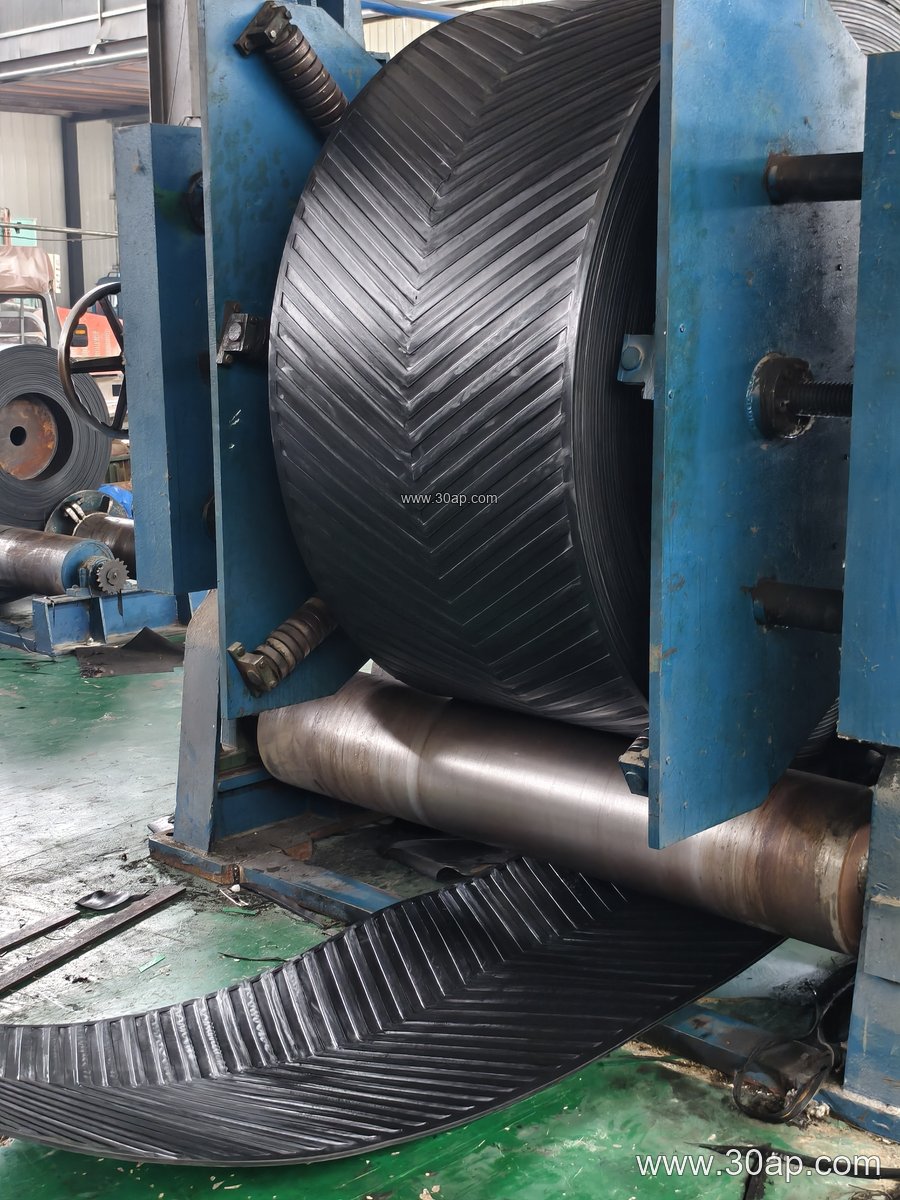
In a hard rock quarry, a primary crusher discharge belt takes sharp, heavy lumps and needs high abrasion resistance plus impact tolerance. A coal mining conveyor belt must usually combine flame retardancy with anti-static behavior, and underground coal mining conveyor belt designs often use PVC or PVG covers. In a cement plant, heat resistant conveyor belt grades handle clinker, while a limestone quarry conveyor belt may simply need a tough EP rubber conveyor belt. Copper ore, iron ore and gold ore circuits tend to favor heavy-duty mining conveyor belt construction with thick covers and strong splices. Port and ship loading systems may use wide belts in the 1800 mm to 2200 mm range.
Selection Notes for Buyers
Start with the material: lump size, temperature, moisture, oil content and whether the material is sharp or dusty. Then confirm the duty cycle and the conveyor geometry. Pulley diameters, trough angles and transition distances affect the belt’s bending and edge stress. Drive, tail and bend pulleys are separate components with separate functions, so they should be specified as such rather than treated as one item. A wider belt does not automatically dictate a single pulley diameter, and shaft size follows the pulley design and load, not the belt width alone. Ask for the tension rating, cover grade and splice method in writing.
Typical Reference Values
- Fabric grades: EP200, EP400, EP630, EP1000, EP1250
- Steel cord classes: ST1000, ST1600, ST2000, ST2500
- Widths: B500, B650, B800, B1000, B1200, B1400, B1600, B1800, B2000
- Cover combinations: 3+1.5, 4+2, 5+2, 6+2, 8+3 mm
- Ply counts: 2 to 6 plies for fabric cores
- Special covers: abrasion resistant, heat resistant, oil resistant, flame retardant, anti-static, cold resistant
Installation and Care
Alignment matters more than many operators expect. Check that idler rollers sit square to the belt line, that the conveyor pulleys are level, and that skirts and chutes do not press into the cover. Keep the belt tracking straight during startup, and recheck after the first few days of running. Store spare belts off the ground, away from ozone sources and direct sunlight. When a splice is needed, match the splice strength to the carcass and use the recommended step pattern. A well-matched rubber conveyor belt, supported by sound rollers and pulleys, usually gives the lowest cost per ton moved.
For more product references, see mining conveyor belt, EP conveyor belt and steel cord conveyor belt.