What Is a Non-Standard Conveyor Bracket
A non-standard conveyor bracket is a support component made to fit a conveyor layout that cannot use off-the-shelf parts. It may differ in mounting hole spacing, beam length, trough angle, or material from a standard bracket. These brackets are common in quarries, coal washing plants, cement lines, and port terminals where the conveyor belt must follow an unusual path or fit around existing structures.
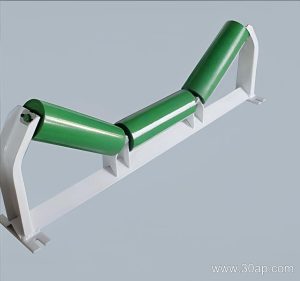
Unlike a standard conveyor bracket, which follows a fixed pattern, a non-standard bracket is designed around the actual idler roller, conveyor pulley, and conveyor belt arrangement. It is often the connecting piece between the conveyor frame and the roller or pulley, and it must match the load and alignment needs of that specific spot.
How It Is Built
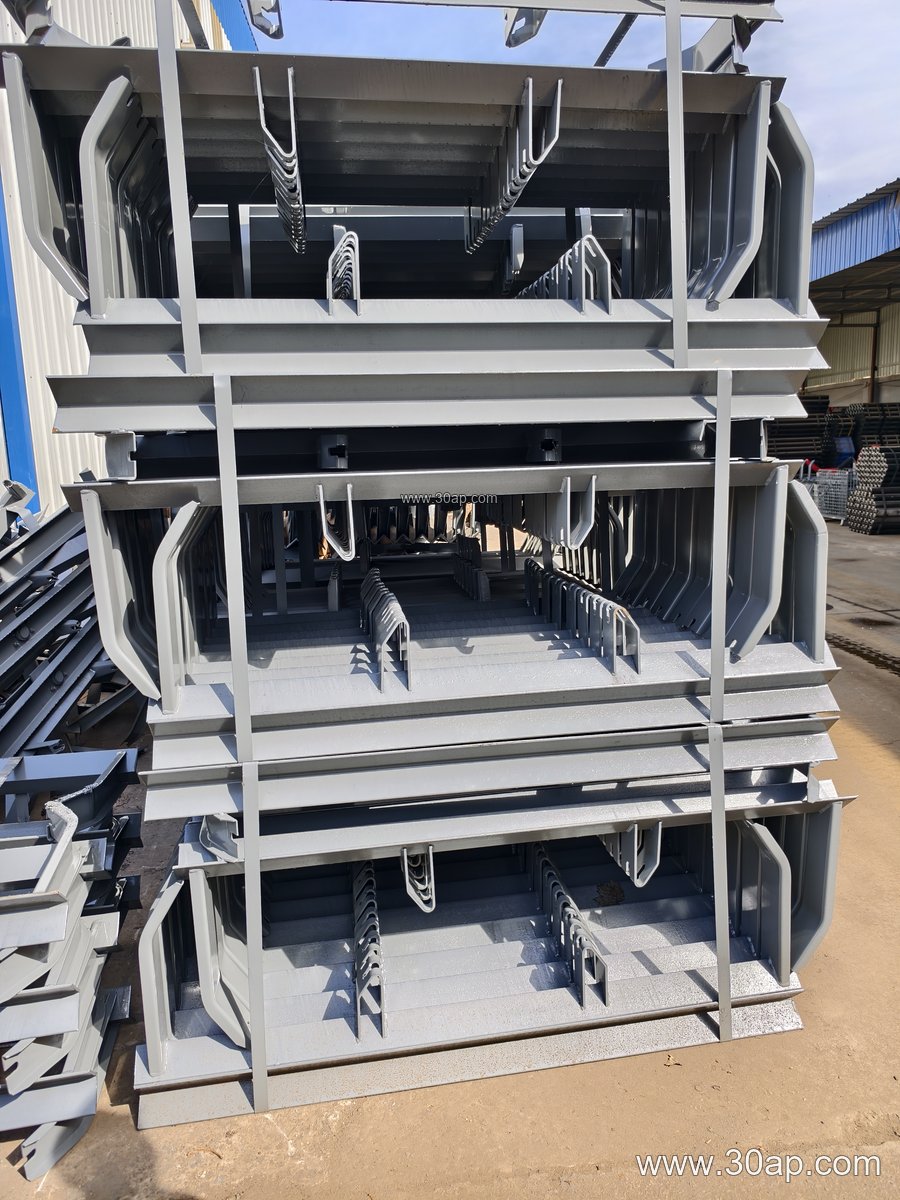
Most non-standard conveyor brackets are fabricated from angle steel, channel steel, or bent steel plate. The choice depends on the required strength and the space available. A bracket for a heavy-duty iron ore or sinter line may use thicker channel steel, while a bracket in a grain silo or fertilizer plant may use lighter bent plate to save weight.
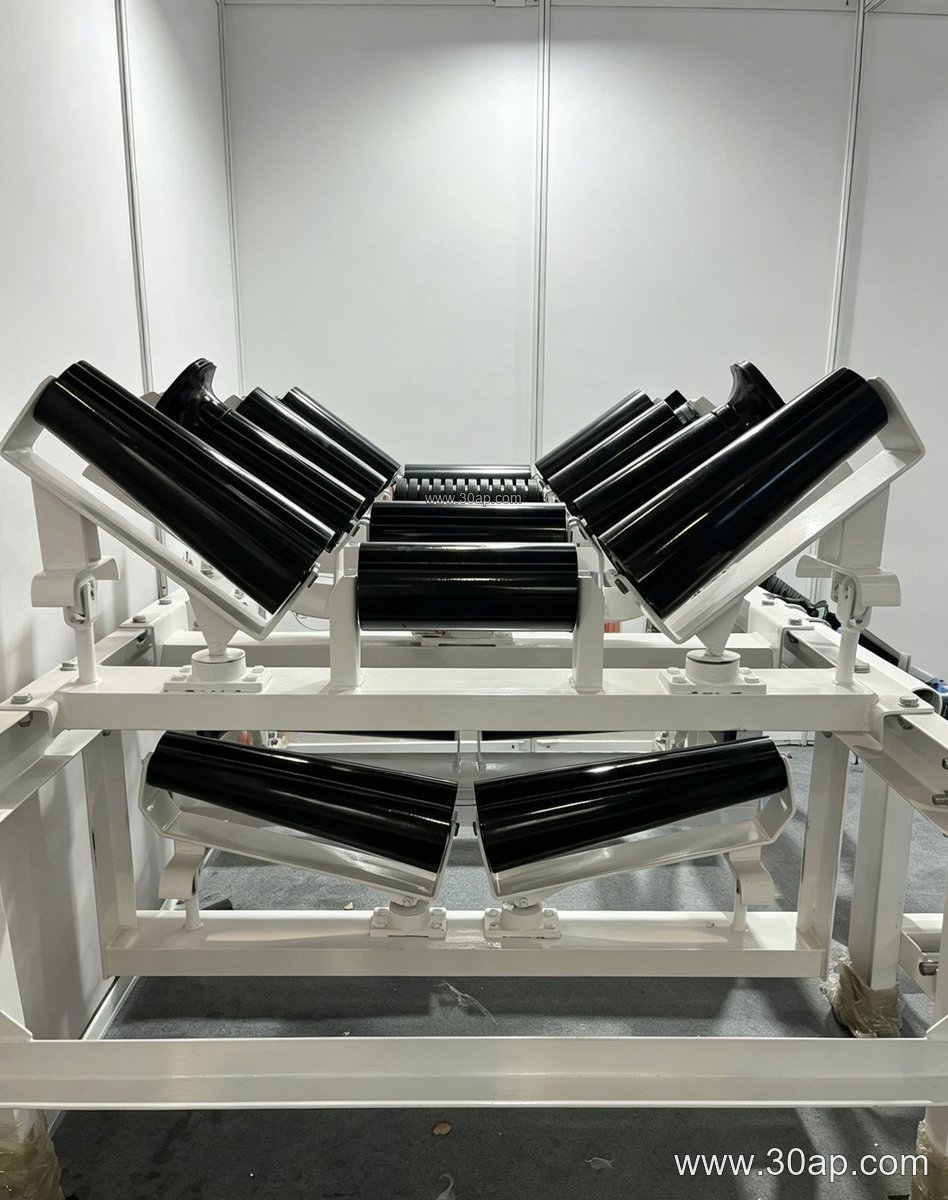
Key features often include:
- Custom mounting hole patterns to suit the conveyor frame and the idler roller shaft.
- Adjustable or fixed trough angles, commonly 20, 30, 35, or 45 degrees.
- Reinforced corners or gussets for impact zones near crushers and screens.
- Slotted holes for fine alignment during installation.
Because the bracket is non-standard, its dimensions are usually given as a set of requirements rather than a single model number. For example, a bracket for B800 belt with 35-degree trough and Ø108 idler roller will have different hole spacing and beam length than one for B1200, 45-degree, Ø133. These values are reference examples, not fixed pairings.
Where It Is Used
Non-standard conveyor brackets appear in many bulk material handling settings. In a limestone mine or sand and gravel line, they may support transition idlers where the belt changes from flat to troughed. In a coal preparation plant or power station coal yard, they often carry impact or training idlers that need extra clearance. In a tunnel spoil removal system, compact brackets help fit the conveyor into tight spaces.
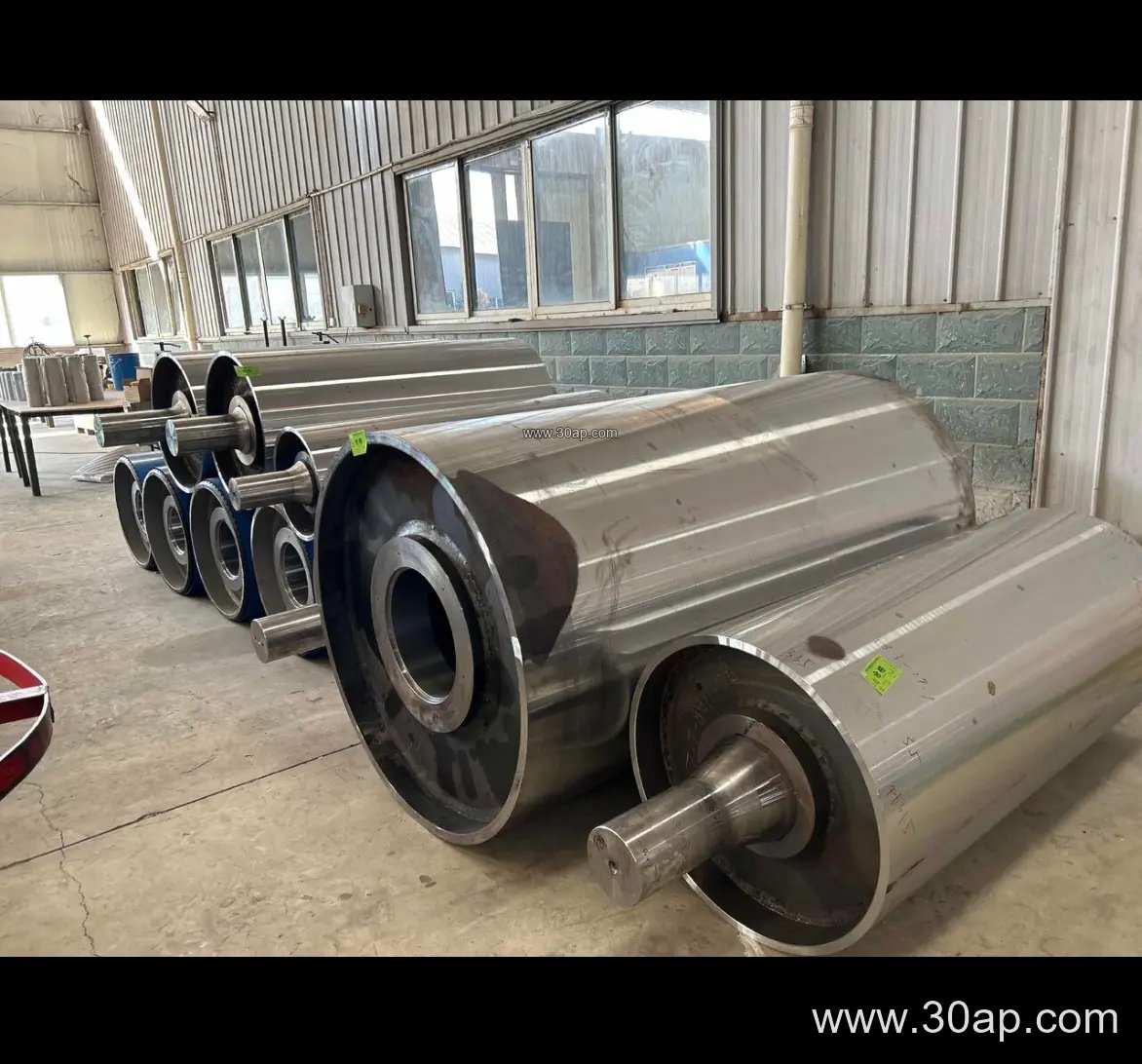
They are also used with bend pulleys and take-up pulleys, where the bracket must align with the pulley bearing housing. Note that drive pulleys, tail pulleys, and bend pulleys are not interchangeable, so the bracket design must match the specific pulley type and its mounting position.
Selection and Installation Tips
When specifying a non-standard conveyor bracket, buyers should provide the belt width, trough angle, roller diameter, and mounting interface. Common belt widths include B500, B650, B800, B1000, B1200, B1400, B1600, B1800, B2000, B2200. Roller diameters often range from Ø89 to Ø194. Trough angles are typically 20, 30, 35, or 45 degrees.
A simple table helps organize the request:
| Parameter | Example 1 | Example 2 | Example 3 |
|---|---|---|---|
| Belt width | B800 | B1200 | B650 |
| Trough angle | 35° | 45° | 30° |
| Roller diameter | Ø108 | Ø133 | Ø89 |
| Bracket type | Adjustable | Fixed | Transition |
These are illustrative combinations only. The actual bracket must be designed for the specific conveyor. During installation, check that the bracket is square to the conveyor centerline and that the idler roller turns freely. For adjustable brackets, set the trough angle to match the belt training needs and lock it securely.
Buyer Checklist
Before ordering, confirm the conveyor belt width, the idler roller diameter, the required trough angle, and whether the bracket is for carrying, return, or transition service. Also confirm the mounting hole spacing and beam length, as these change with belt width and trough angle. Ask for material and surface treatment details if the conveyor operates in a wet or dusty environment such as a wash plant or port.
Remember that a non-standard conveyor bracket is not a universal part. It is a made-to-fit component that should be specified with the same care as the conveyor pulley and idler roller it supports.