What a Self-Aligning Idler Does on a Conveyor
A belt conveyor self-aligning idler is a training idler designed to correct belt drift before it becomes a problem. Instead of sitting square to the frame like a standard carrying idler, it pivots or skews slightly when the belt wanders, nudging the belt back toward the center line. On a long overland conveyor at a quarry, a transfer point in a cement plant, or a coal yard feeding a power plant boiler, a small tracking error can grow into edge damage, spillage, and shortened belt life. The self-aligning idler is the component that quietly prevents that drift.
It is not a drive pulley, tail pulley, or bend pulley, and it should never be treated as a substitute for any of them. Those pulleys transmit power and change belt direction. The self-aligning idler is a rotating roller assembly mounted on the carrying or return side, and its job is guidance, not traction.
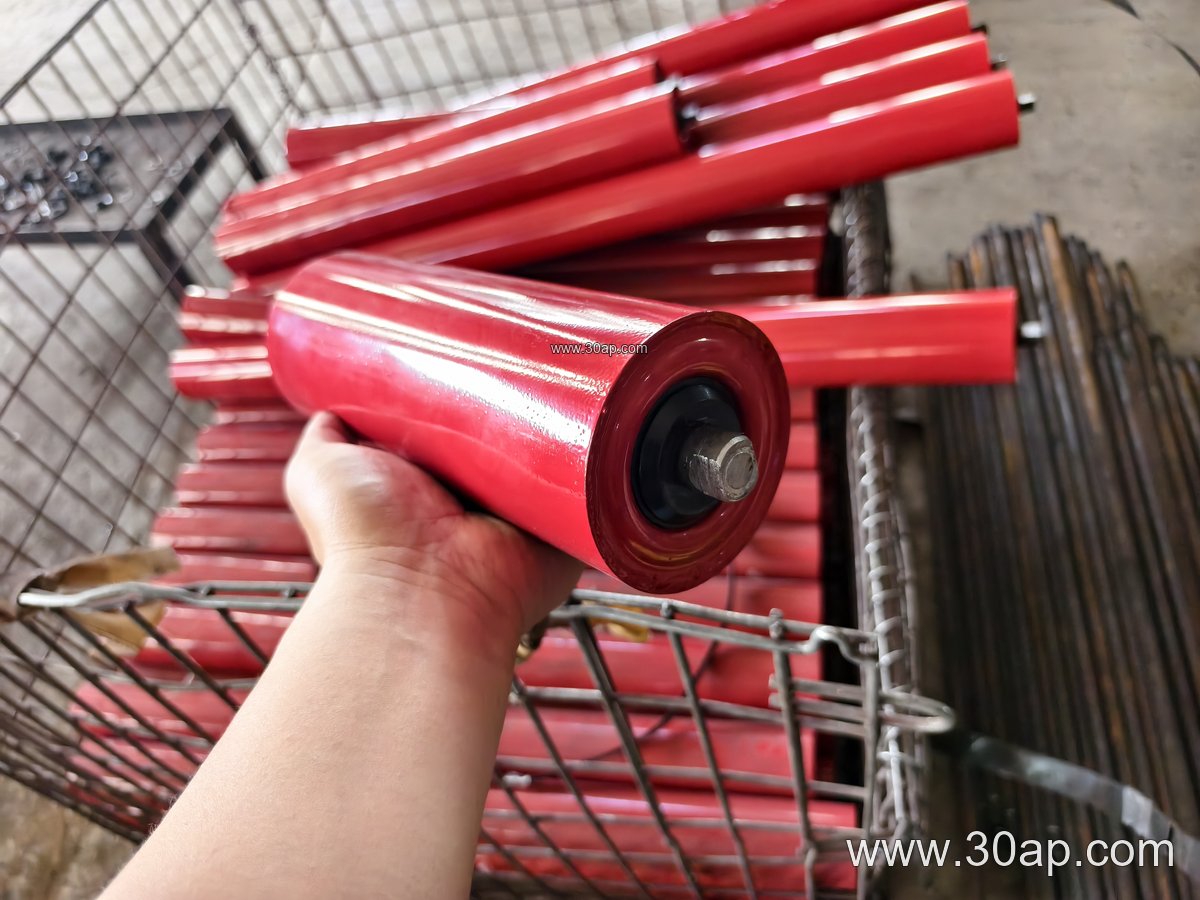
How the Assembly Is Built
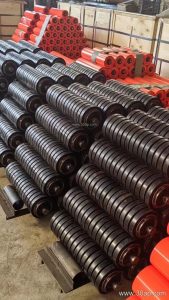
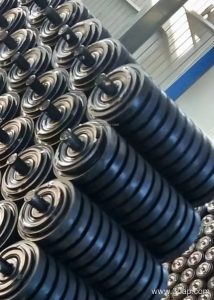
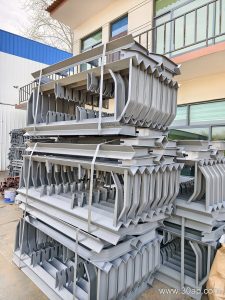
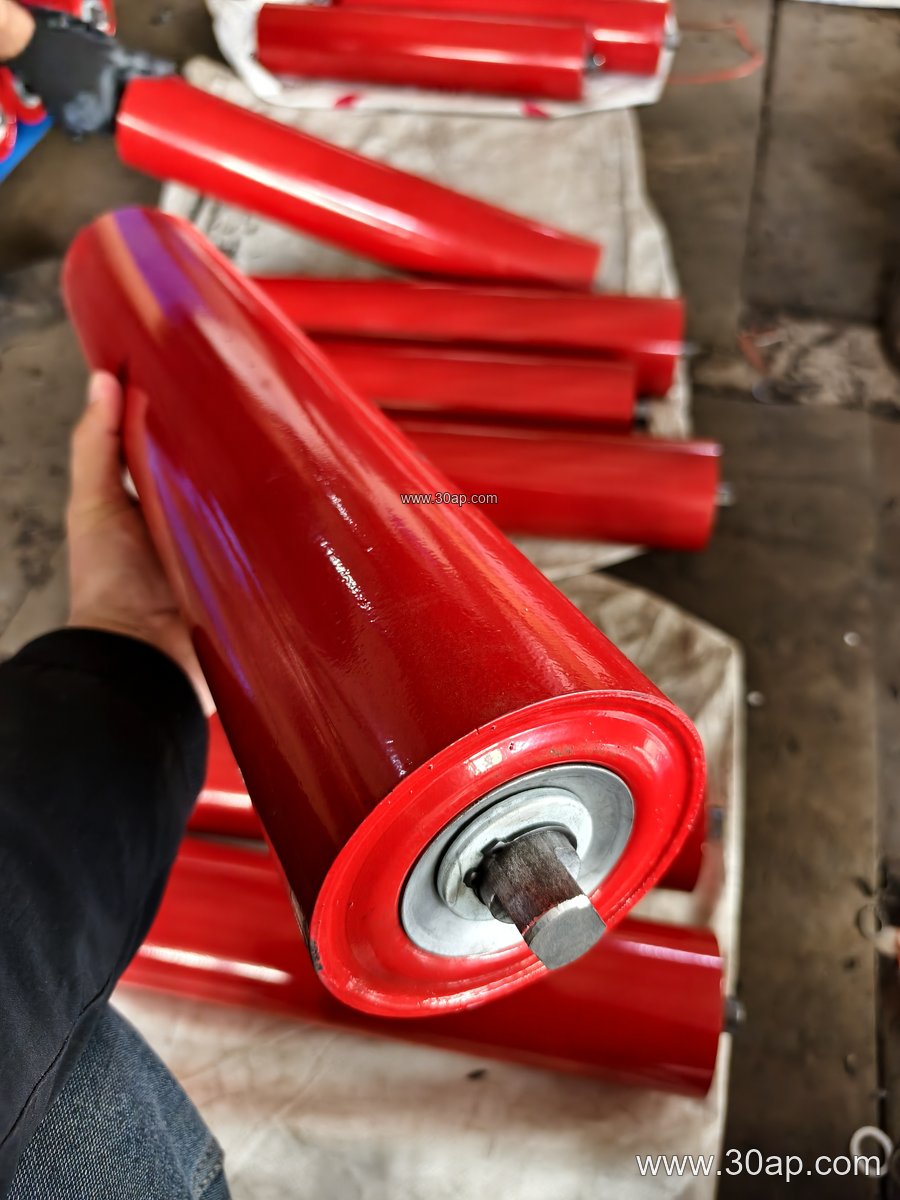
A typical self-aligning idler uses a steel tube shell, a shaft, sealed bearings, and a mounting bracket that allows a small amount of rotation. Some designs use a friction or conical arrangement so that the roller responds to belt contact and steers itself. The roller surface may be plain steel, nylon, or rubber-covered, depending on whether the conveyor handles abrasive ore, wet aggregate, or sticky material.
Common roller diameters for training idlers follow the same family as other idlers, such as Ø89, Ø108, Ø127, Ø133, and Ø159 mm. Bearing selection is usually matched to load and speed rather than to one fixed roller size, so a 6205 or 6305 bearing might appear across several diameters. Belt widths range from B500 and B650 up to B1800 and B2000 on large bulk handling lines, with roller lengths set by belt width, trough angle, and idler configuration.
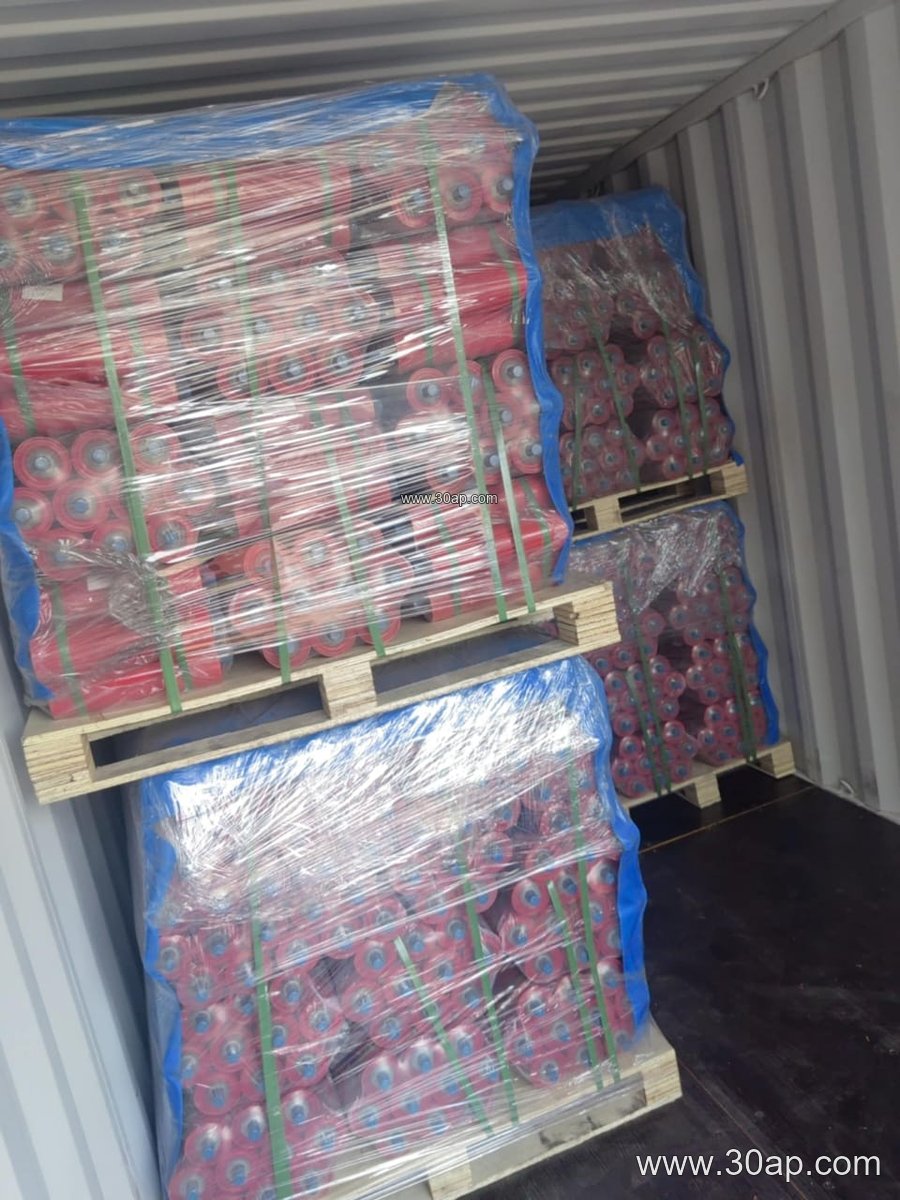
Common reference dimensions
| Belt width | Typical three-roll trough idler length | Common trough angle |
|---|---|---|
| B500 | about 200 mm | 20 to 35 degrees |
| B650 | about 250 mm | 20 to 35 degrees |
| B800 | about 315 mm | 30 to 35 degrees |
| B1000 | about 380 mm | 30 to 45 degrees |
| B1200 | about 465 mm | 30 to 45 degrees |
| B1400 | about 530 mm | 35 to 45 degrees |
These are reference figures, not fixed rules. Side rollers and center rollers can differ, and the final length is confirmed by the conveyor design.
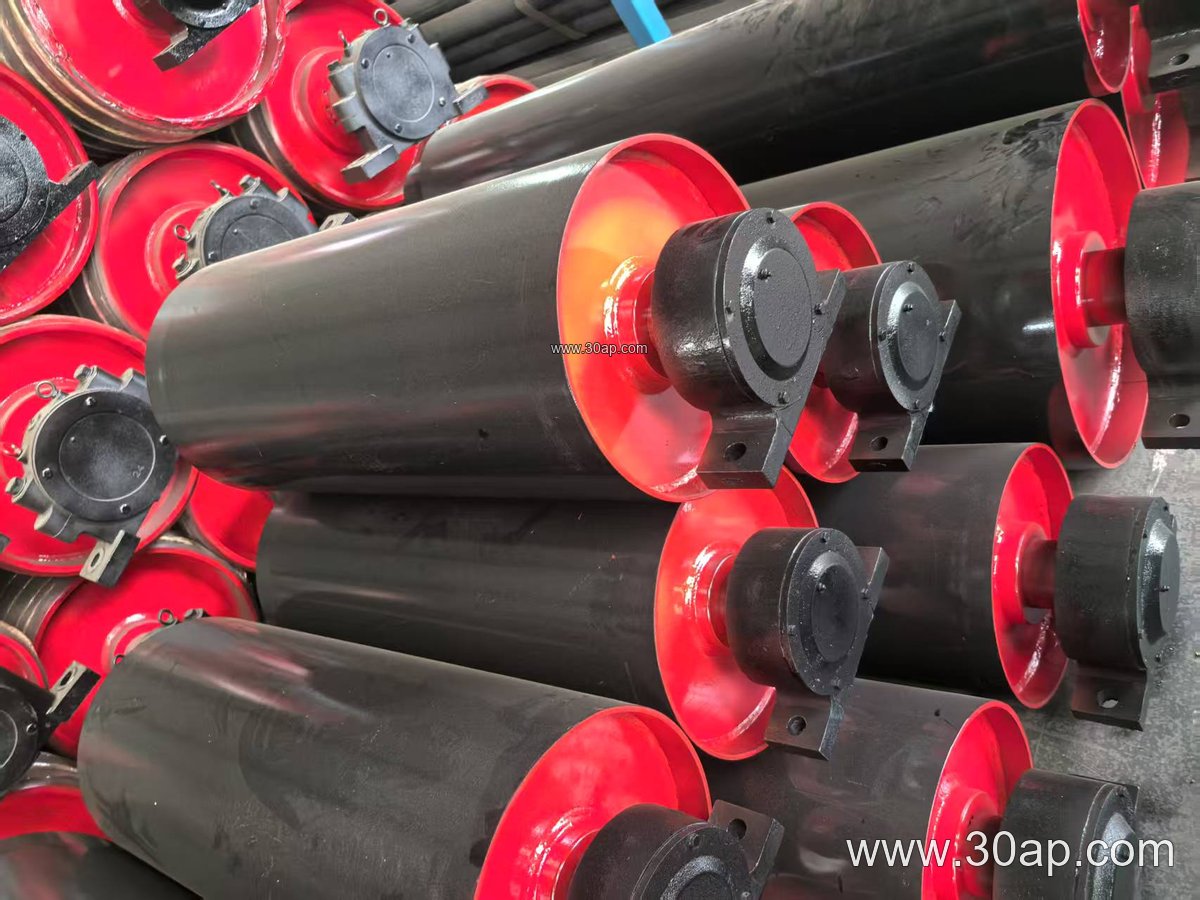
Where Self-Aligning Idlers Are Used
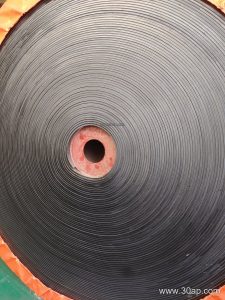
Training idlers appear on the carrying side just after a load point and on the return side where the belt is prone to wander. In a limestone quarry, they help keep a fabric core conveyor belt centered after a crusher discharge. In a coal mining conveyor system, a flame retardant conveyor belt running through a transfer tower benefits from self-aligning idlers that resist misalignment caused by uneven loading.
They are also common in sand and gravel plants, cement kiln feed lines, steel plant sinter conveyors, and port ship loading systems. A pipe conveyor belt or a corrugated sidewall conveyor belt may use different tracking hardware, but the principle of correcting drift early still applies. Where spillage and edge wear are costly, a self-aligning idler is a low-maintenance way to protect the belt and the conveyor bracket structure around it.
What Buyers Should Check
- Belt width and trough angle: confirm the idler matches the actual belt width and the 20, 30, 35, or 45 degree trough used on the line.
- Roller diameter and bearing: ask for the shaft and bearing arrangement, not just the tube size, because load and speed determine bearing life.
- Sealing: in dusty quarry or coal yard service, good bearing seals matter more than a small price difference.
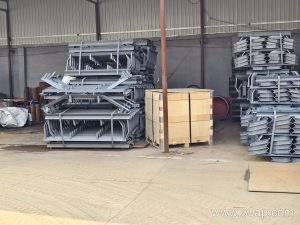
- Mounting: check that the pivot or bracket fits the existing frame and that the training action suits the belt direction.
- Belt type: an abrasion resistant conveyor belt, heat resistant conveyor belt, or oil resistant conveyor belt may need a different roller surface or clearance.
A self-aligning idler is a small part of the conveyor, but it influences belt tracking, edge wear, and downtime. Matching it to the belt width, trough angle, and operating environment is more useful than choosing by roller diameter alone.