What Makes an Impact Resistant Conveyor Belt Different
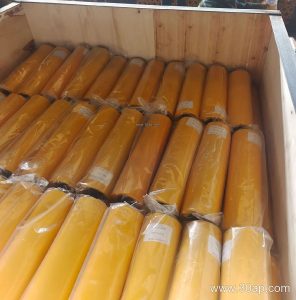
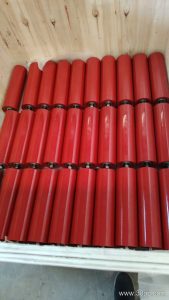
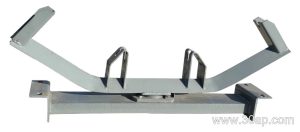
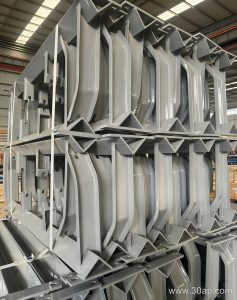
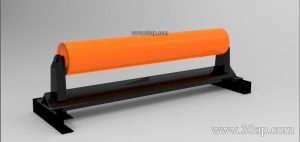
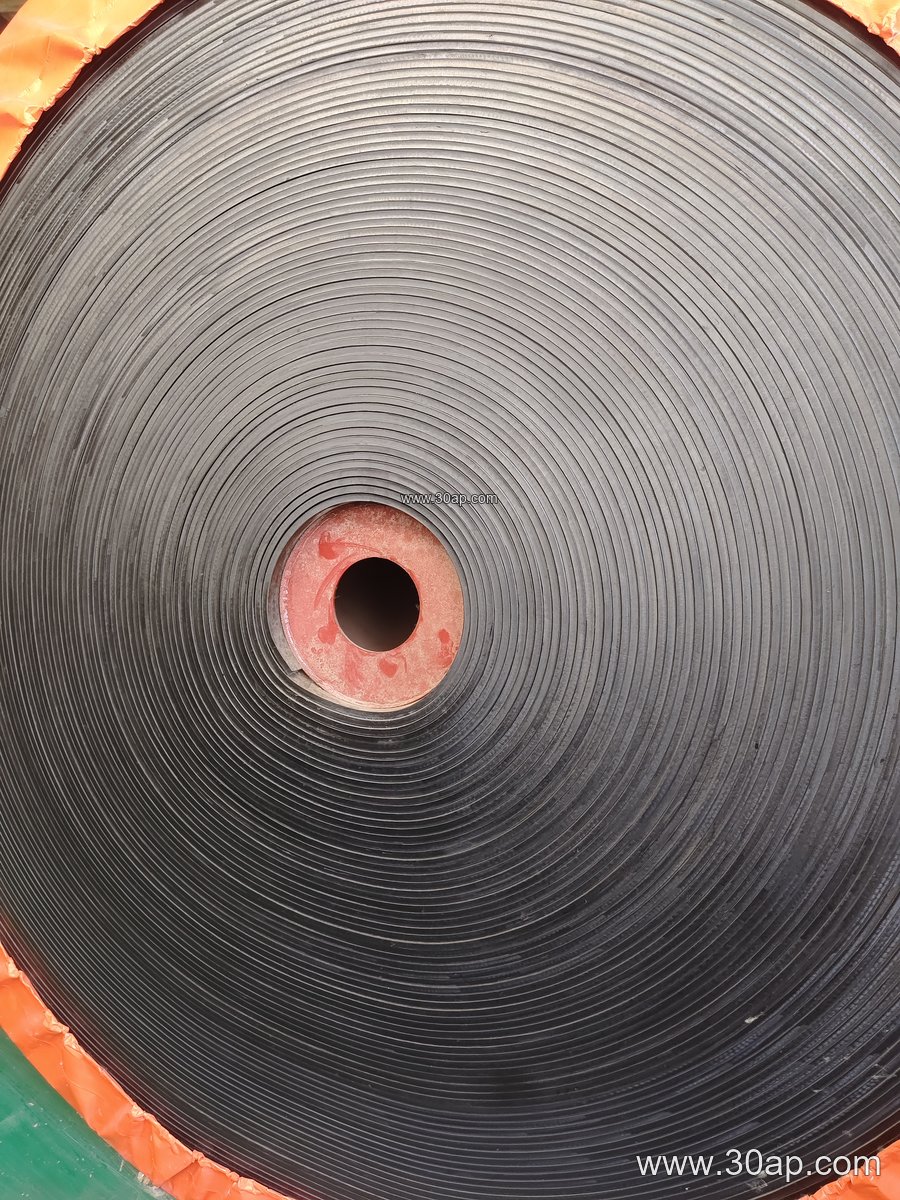
An impact resistant conveyor belt is engineered to absorb the shock of heavy, sharp, or high-drop materials without premature failure. In quarry, mining, and aggregate operations, the loading point is often the most punishing part of the conveyor line. A standard belt may crack, puncture, or delaminate when large rock or ore hits it at speed. The impact resistant version uses a reinforced carcass and a specialized top cover to spread that force across a wider area, protecting the belt’s core and extending service life. This belt is not a replacement for a drive pulley, tail pulley, or bend pulley; it works as part of the complete conveyor system, along with idler rollers and conveyor brackets that support the belt along its run.
Construction and Key Design Features
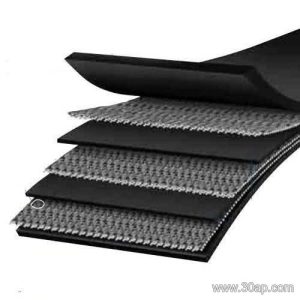
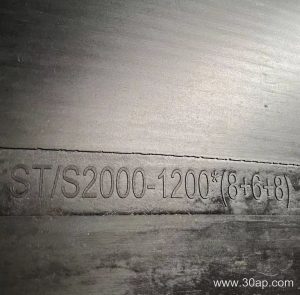
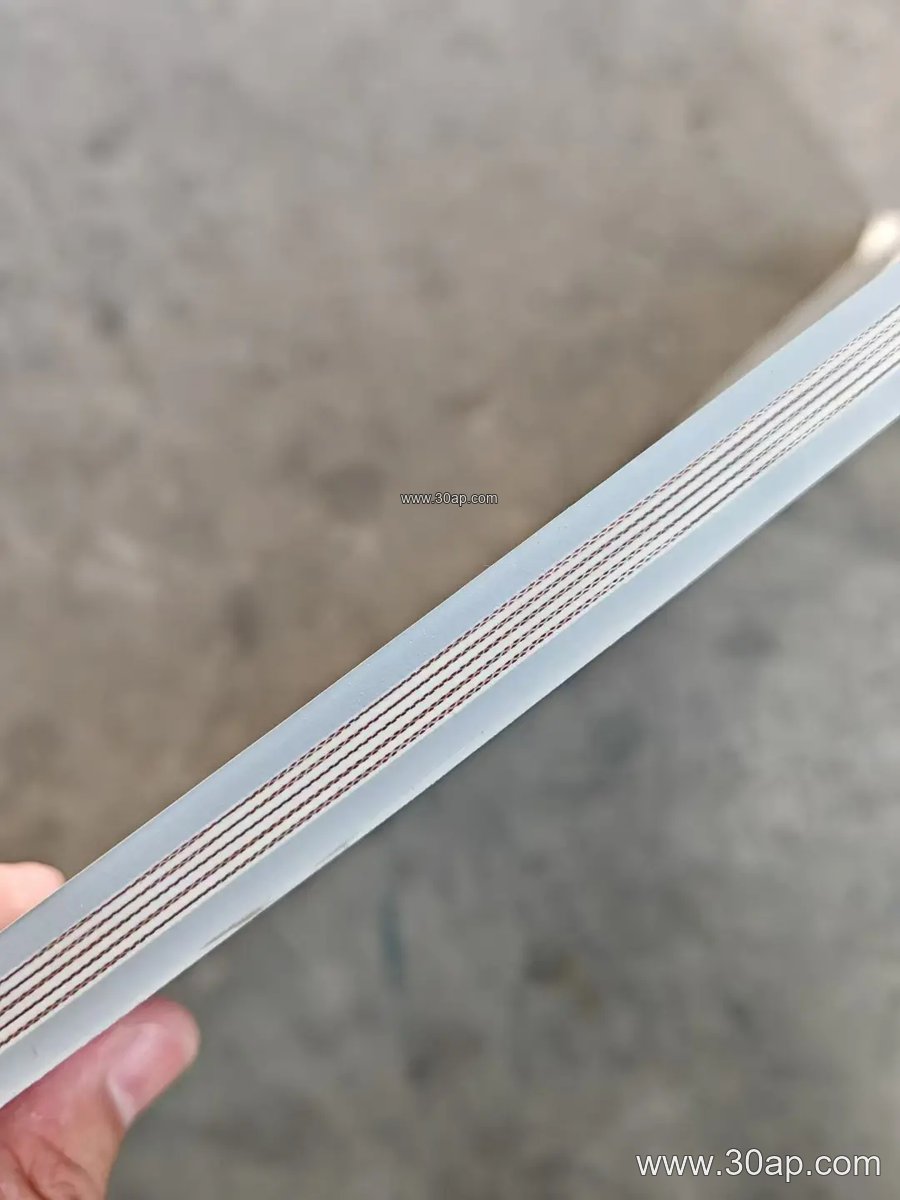
The impact resistance comes from a combination of material choices and structural layering. Most impact resistant conveyor belts use a fabric core, such as an EP conveyor belt or NN conveyor belt, with multiple plies for strength and flexibility. For extreme shock loads, a steel cord conveyor belt can be specified, though fabric core belts are more common in mobile and transfer applications. The top cover is typically thicker than standard, often in the range of 6+2 mm to 8+3 mm, and may use a high-abrasion rubber compound. Some designs add a breaker layer—a reinforced fabric or metal mesh—just below the cover to distribute point loads. The bottom cover is usually a standard thickness, sometimes 2 mm or 3 mm, to maintain troughability over idler rollers. Edge construction is also important: cut edges or molded edges may be selected based on the conveyor pulley and bracket arrangement.
Where Impact Resistant Belts Are Used
These belts are common in primary crushing stations, truck dump hoppers, and ship loading facilities where material falls from height. In the mining industry, they handle run-of-mine ore and coal, often in combination with a flame retardant conveyor belt or fire resistant conveyor belt for underground use. Cement plants use them under crushers and at transfer points where clinker and limestone drop onto the belt. Power plants and steel plants also rely on impact resistant belts for coal and coke handling. In sand and gravel operations, an aggregate conveyor belt with impact resistance is a practical choice at the feed point. The belt may also be paired with a chevron conveyor belt or corrugated sidewall conveyor belt in steep incline sections, but the impact resistant type remains the primary subject for horizontal and low-angle loading zones.
Common Specifications and Size Ranges
Impact resistant conveyor belts are available in a range of strengths and dimensions. The table below shows typical reference values; actual supply depends on the manufacturer and the specific conveyor design.
| Parameter | Common Reference Range |
|---|---|
| Belt width | B500, B650, B800, B1000, B1200, B1400, B1600, B1800, B2000 |
| Fabric core strength | EP200, EP315, EP400, EP500, EP630, EP800, EP1000, EP1250, EP1600, EP2000 |
| Number of plies | 2 to 6 layers, depending on duty |
| Top cover thickness | 6+2 mm, 8+3 mm, or thicker for severe impact |
| Bottom cover thickness | 1.5 mm to 3 mm, typical |
For very wide installations, an extra-wide conveyor belt may be required, and heavy-duty mining conveyor belt grades often combine impact resistance with high abrasion resistance. When selecting a belt, consider the maximum lump size, drop height, throughput, and the spacing of idler rollers. A belt that is too stiff may not trough properly; one that is too soft may not absorb impact. The pulley diameters at the drive and tail ends also influence belt flexibility, so the belt specification should be matched to the conveyor pulley dimensions rather than chosen in isolation.
Buyer Checklist for Impact Resistant Belts
Before ordering, confirm the material type, lump size, and expected impact energy. Check whether the belt needs additional properties such as oil resistance, heat resistance, or anti-static behavior for the surrounding environment. Review the carcass type—EP, NN, or steel cord—and the number of plies. Ask for the cover compound data, including abrasion loss and hardness, though values vary by supplier. Verify the belt width against the conveyor frame and ensure the idler roller spacing is suitable for the belt’s stiffness. For underground coal mining, a PVG conveyor belt or PVC conveyor belt may be specified alongside flame retardant requirements; however, the impact resistant belt remains the focus at the loading point. Finally, plan for proper splicing, either vulcanized or mechanical, because the joint is often the first place to show impact damage.
Maintenance and Operating Notes
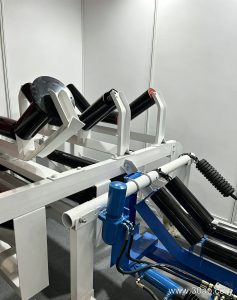
Impact resistant belts still need correct support. Impact idlers or cushion rollers at the loading zone help absorb energy before the belt does. Keep the skirt rubber and chute clear so material does not wedge against the belt edge. Inspect the top cover for cuts and gouges, especially after large lumps pass through. If the belt shows repeated damage at the same spot, review the drop height and consider a chain curtain or rock box to reduce direct impact. Remember that the belt works with the conveyor pulley, idler roller, and conveyor bracket as a system; misalignment or a worn pulley can accelerate belt wear even on a high-quality impact resistant conveyor belt.