What an Anti-Misalignment Idler Does
An anti-misalignment idler is a specially designed idler roller that actively corrects belt drift on a conveyor system. Unlike standard carrying or return idlers, this component uses angled rollers or pivot mechanisms to steer the belt back toward the centerline when it begins to wander. In industries such as coal mining, cement plants, and aggregate quarries, belt misalignment is a leading cause of spillage, edge damage, and unplanned downtime. The anti-misalignment idler addresses this by providing continuous, passive correction without external power.
Construction and Working Principle
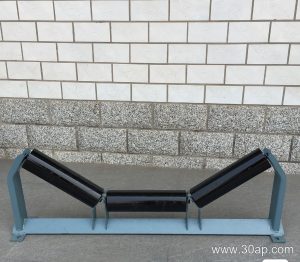
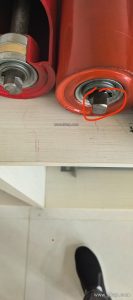
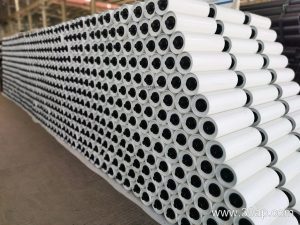
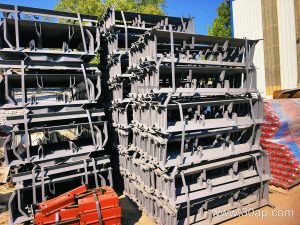
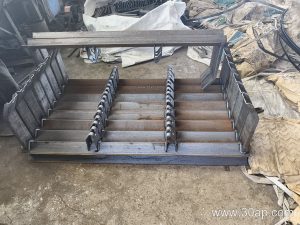
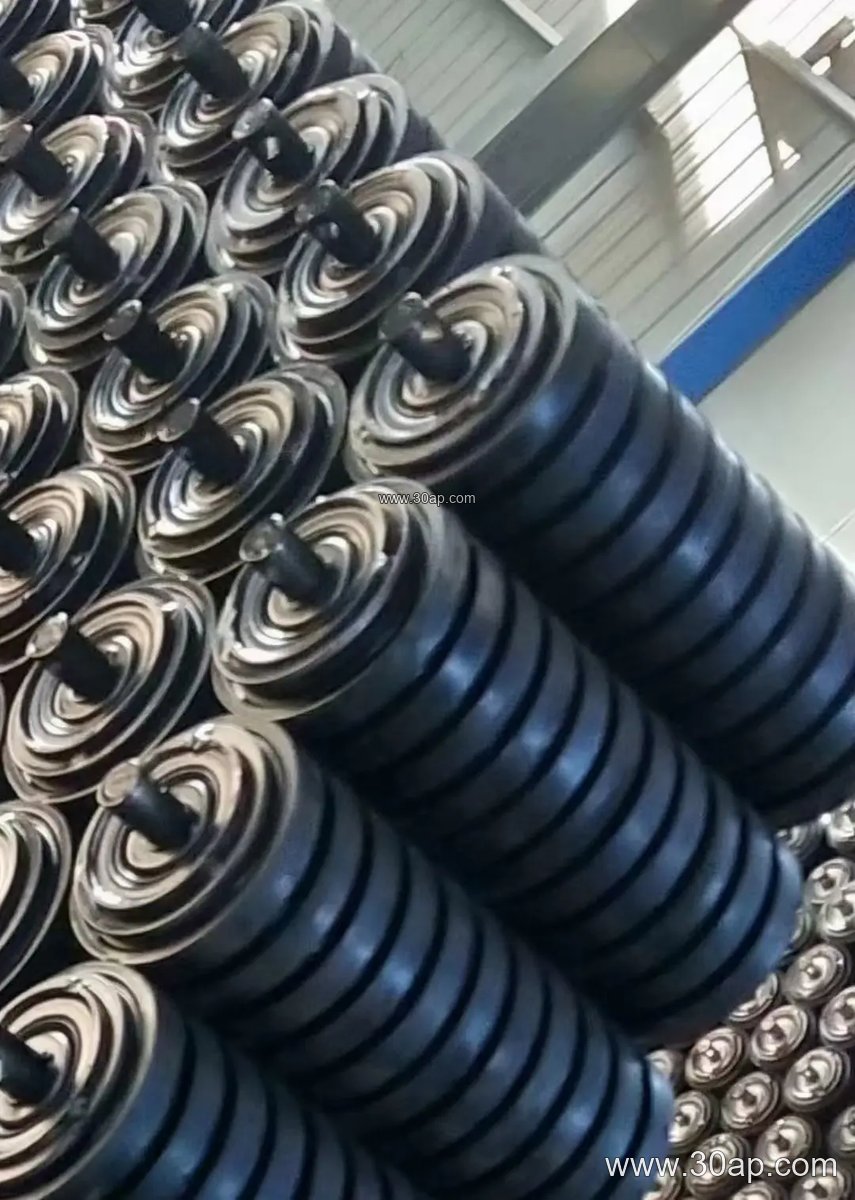
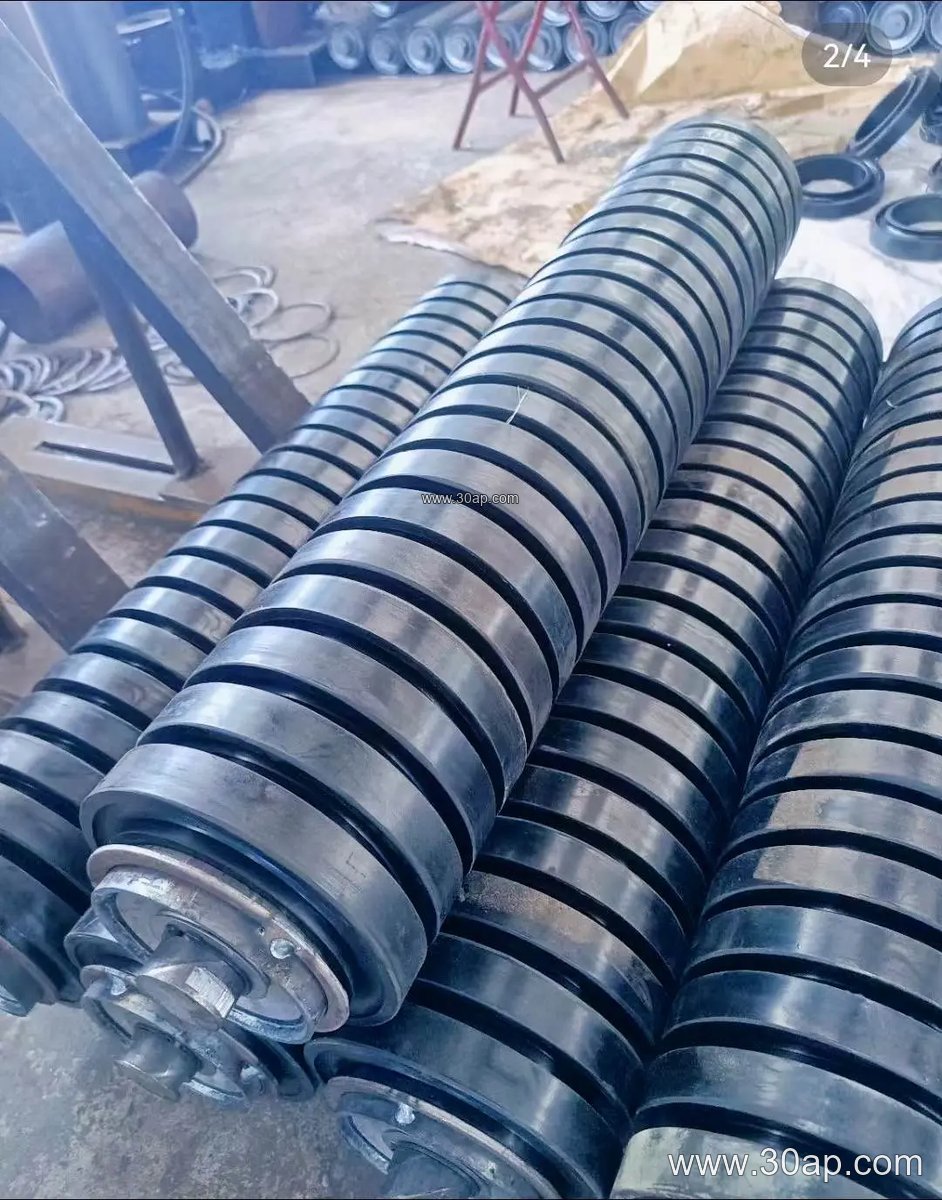
Most anti-misalignment idlers are built around a central pivot shaft that allows the idler frame to rotate slightly when the belt contacts a side roller. The roller surfaces are often tapered or arranged in a V-shape, so any lateral force from the belt generates a restoring force. Common configurations include friction self-aligning idlers and conical self-aligning idlers. The rollers themselves are typically made of steel tube, nylon, or rubber-covered steel, with bearing sizes such as 6205, 6305, or 6306 chosen to match the load and speed. Sealed bearings protect against dust and moisture in harsh environments like underground mining or power plant coal handling.
Where It Fits on the Conveyor
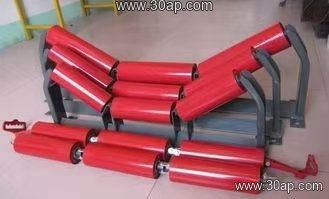
Anti-misalignment idlers are usually installed on the carrying side, often just after the loading point or before the drive pulley, where belt wander is most likely. They can also be used on the return strand in place of a plain flat return idler when tracking issues persist. In a typical three-roll troughing set, the center roll may be replaced by a self-aligning unit, but the anti-misalignment idler is not a substitute for a bend pulley or tail pulley—those are different components with distinct functions. For a quarry conveyor belt or a cement plant conveyor belt, placing one or two anti-misalignment idlers at critical zones can significantly reduce edge wear and material spillage.
Common Sizes and Roller Options
Anti-misalignment idlers are available in a range of roller diameters and belt widths to suit different conveyor capacities. The table below shows typical reference values; actual selection depends on belt width, trough angle, and load conditions.
| Parameter | Common Options |
|---|---|
| Roller diameter (mm) | Ø63, Ø76, Ø89, Ø102, Ø108, Ø127, Ø133, Ø159 |
| Belt width (mm) | B500, B650, B800, B1000, B1200, B1400, B1600 |
| Trough angle | 20°, 30°, 35°, 45° |
| Roller surface | Steel tube, nylon, rubber ring, ceramic |
| Bearing | 6204, 6205, 6305, 6306, 6308 |
For a 1000mm wide conveyor belt, a common anti-misalignment idler might use Ø108 or Ø127 rollers with a 35° trough angle. However, no single size is mandatory for every belt width; the correct combination is determined by the conveyor design and the material being handled.
Selection Tips for Buyers
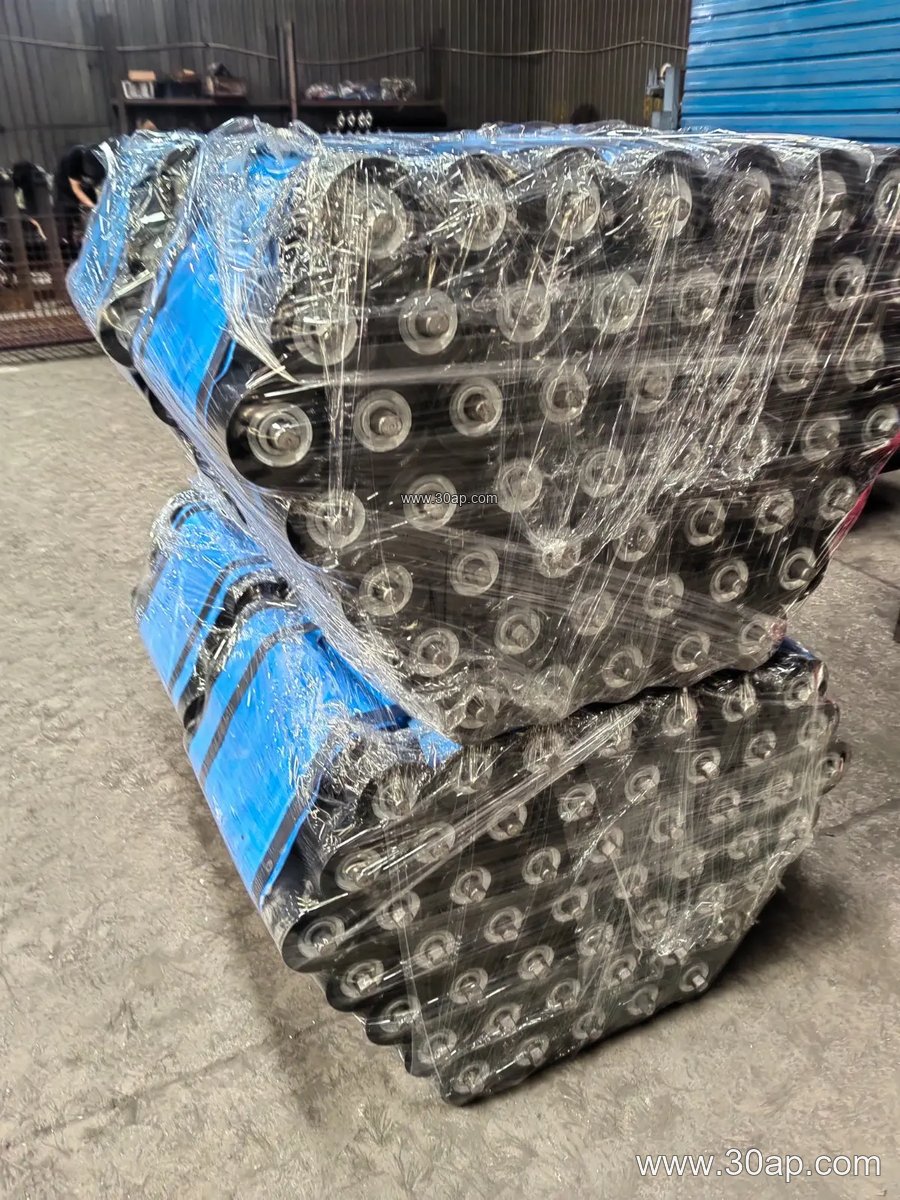
When choosing an anti-misalignment idler, consider the belt speed, load weight, and environmental conditions. In dusty or wet applications such as underground coal mining, sealed bearings and corrosion-resistant finishes are important. For high-abrasion materials like iron ore or crushed rock, rubber-covered rollers can extend service life. Also verify that the idler frame matches your existing conveyor bracket and that the roller length is compatible with your troughing set. Remember that anti-misalignment idlers work best when the belt itself is in good condition—worn or damaged belts may still misalign despite corrective idlers.
Maintenance and Compatibility
Regular inspection of the pivot mechanism and roller rotation is essential. A stuck or seized anti-misalignment idler can worsen tracking problems. Lubricate bearings according to the manufacturer’s schedule, and replace any roller with excessive play or surface wear. This idler is designed to complement, not replace, proper belt training procedures and correctly aligned pulleys. In aggregate plants or ship loading facilities, pairing anti-misalignment idlers with a well-maintained Rubber Conveyor Belt and compatible conveyor pulley will deliver the most reliable performance.
For harsh environments such as a Mining Conveyor Belt system, consider idlers with enhanced sealing and heavy-duty bearings. Always consult the conveyor designer to confirm that the selected anti-misalignment idler suits your specific belt width and trough angle.