What a Heavy-Duty Steel Conveyor Bracket Does
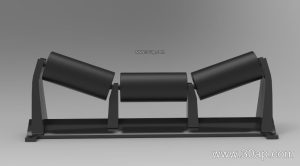
A heavy-duty steel conveyor bracket is the structural support that holds the idler roller in place along a conveyor line. It carries the load of the belt and the material, keeps the roller at the correct height and angle, and transfers those forces into the conveyor frame. In a quarry, iron ore plant, or cement works, this component is often overlooked until misalignment shows up as edge wear on the conveyor belt or spillage at the transfer point. A well-built bracket keeps the belt tracking steady and the rollers turning freely.
The same item is also called a heavy-duty steel idler support bracket or heavy-duty conveyor roller bracket. All three names refer to the same product, and this article keeps the main keyword in view while noting the equivalent wording buyers may see in drawings and quotations.
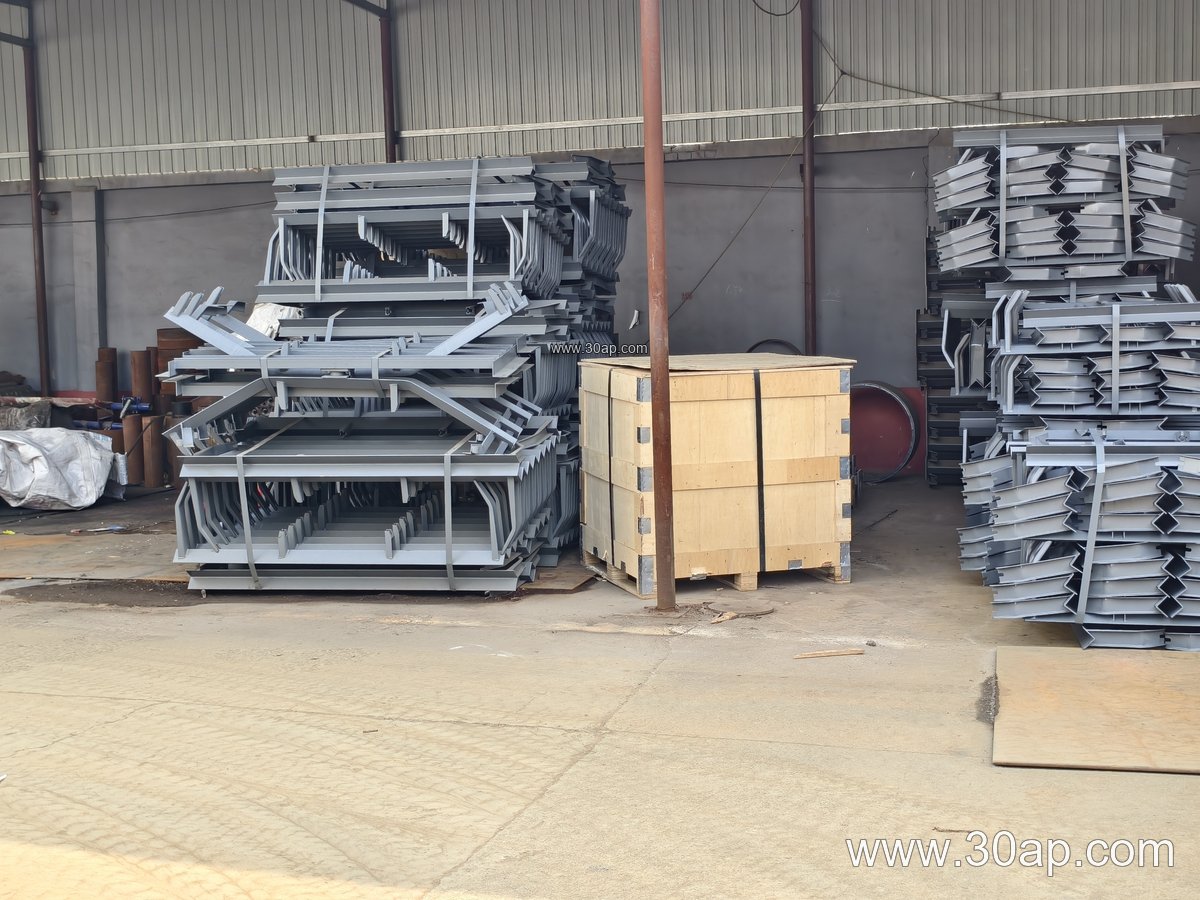
How It Is Built
Most of these brackets are fabricated from angle steel, channel steel, or bent steel plate. The gauge and profile depend on the belt width, the load, and the spacing between frames. Welded joints are common, and mounting holes are punched or drilled to match the frame. Heavy-duty grades use thicker material and reinforced gussets at the corners where the roller shaft sits.
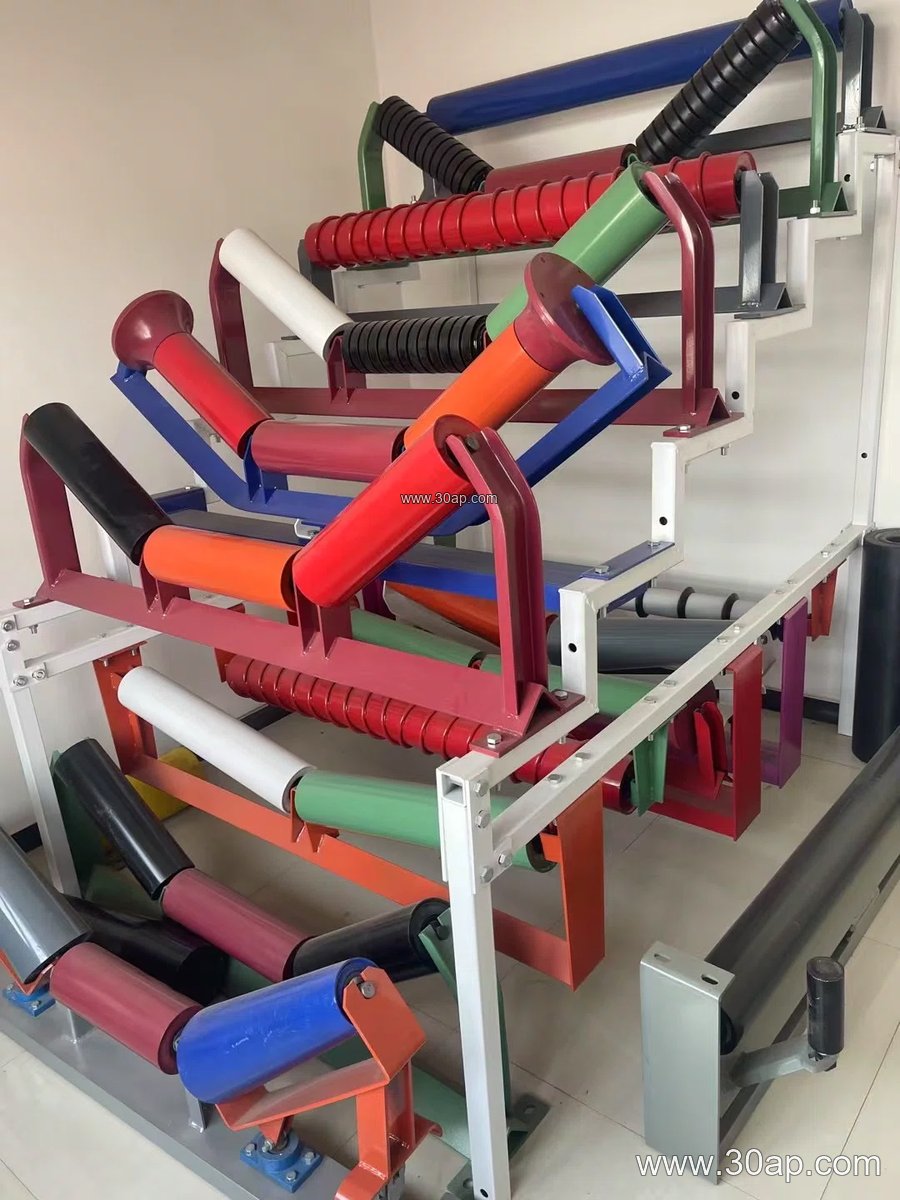
A bracket is usually supplied as a pair, left and right, with a crossbeam between them. The arrangement of the crossbeam and the angle of the roller seats define the trough shape. For a B1000 belt running at 35 degrees with a Ø108 idler roller, the bracket pair must place the side rollers at that angle while leaving room for the center roller. None of these values are fixed combinations; hole spacing and beam length change with width and trough angle.
Common Types and Where They Sit
- Trough bracket (carrying side): supports the loaded run, usually at 20, 30, 35, or 45 degrees.
- Transition bracket: eases the belt from flat to troughed at the tail and head.
- Return bracket and V-return bracket: hold the belt on the return run.
- Impact bracket: fitted under loading points to absorb drop energy.
- Self-aligning bracket: corrects minor tracking drift.
- Adjustable bracket: allows the trough angle to be changed on site, unlike a fixed bracket.
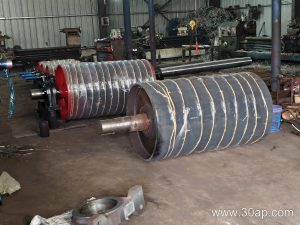
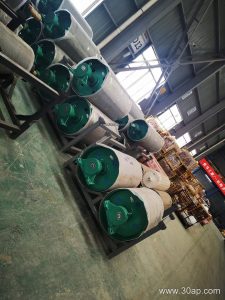
These are all support brackets, not pulleys. A drive pulley, tail pulley, and bend pulley serve different functions and are not interchangeable with any bracket type.
Where They Are Used
In a coal washing plant, trough brackets hold the carrying idlers under a flame retardant conveyor belt that moves washed coal to the stockpile. In a sand and gravel line, impact brackets under the crusher discharge protect the belt from lump damage. The same hardware appears in power plant coal handling, steel sintering lines, and port ship loading systems. Selection often follows the belt: a heavy-duty mining conveyor belt with high abrasion resistance needs brackets that can take the same punishment.
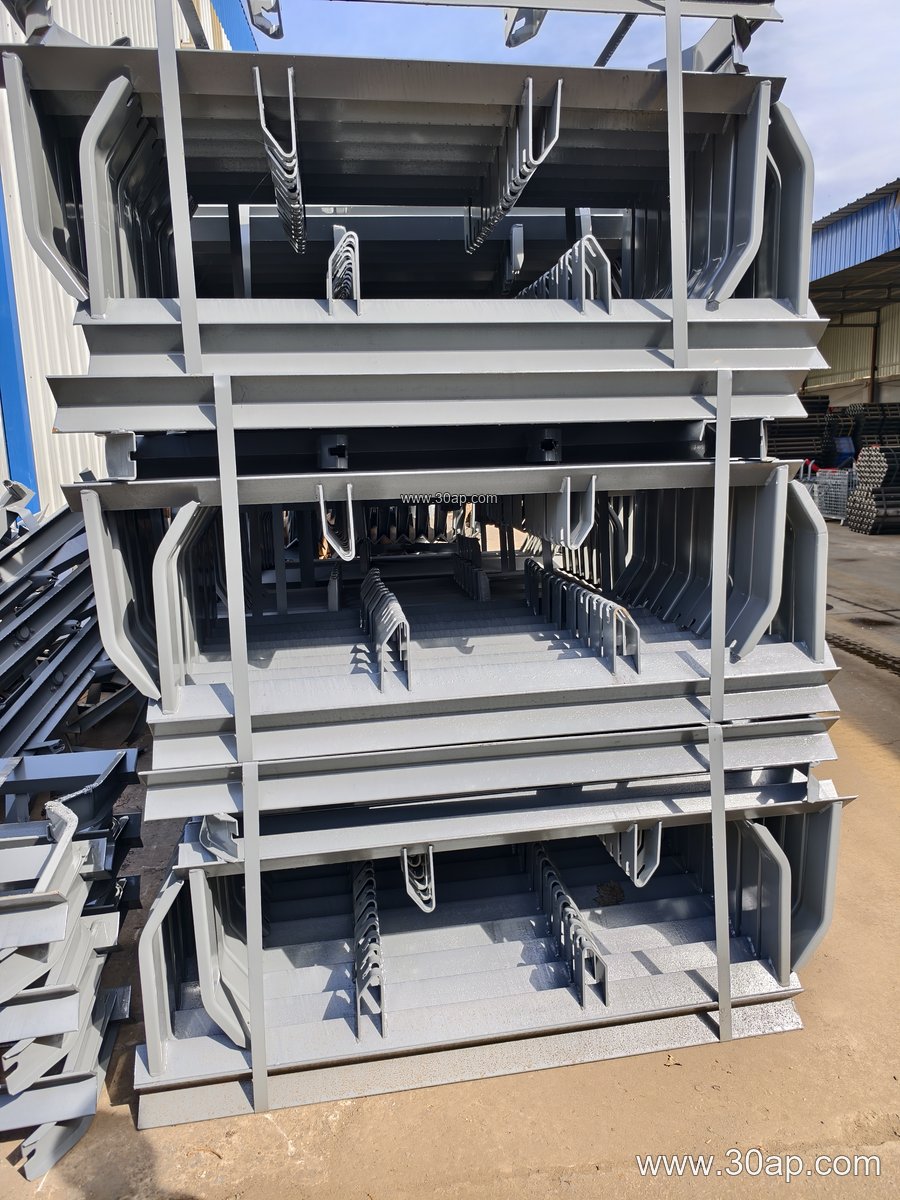
Buyer Checklist
Ask for the belt width, trough angle, roller diameter, and frame hole pattern before ordering. Confirm the steel grade and surface treatment, and check whether the bracket is fixed or adjustable. For a B1200 line at 45 degrees with Ø133 rollers, the drawing should show matching mounting dimensions rather than a generic size. Also confirm the bracket suits the belt type in use, whether that is an EP conveyor belt, a steel cord conveyor belt, or a corrugated sidewall conveyor belt. For more on matching components, see conveyor bracket and idler roller guidance.
Installation and Maintenance Notes
Align brackets to a string line before tightening, and check that all rollers sit at the same height. Recheck trough angles after the first week of running, since settling can change belt contact. Inspect welds and bolt holes during shutdowns, and replace bent brackets before they damage the belt or the roller. Keep spare bracket pairs in stock for critical transfer points.