What a Heavy-Duty Ceramic Lagged Pulley Is
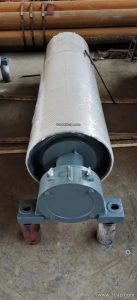
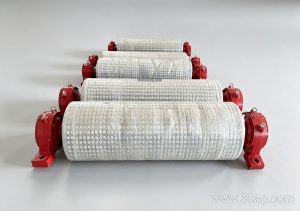
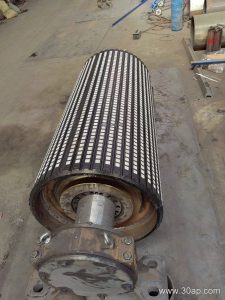
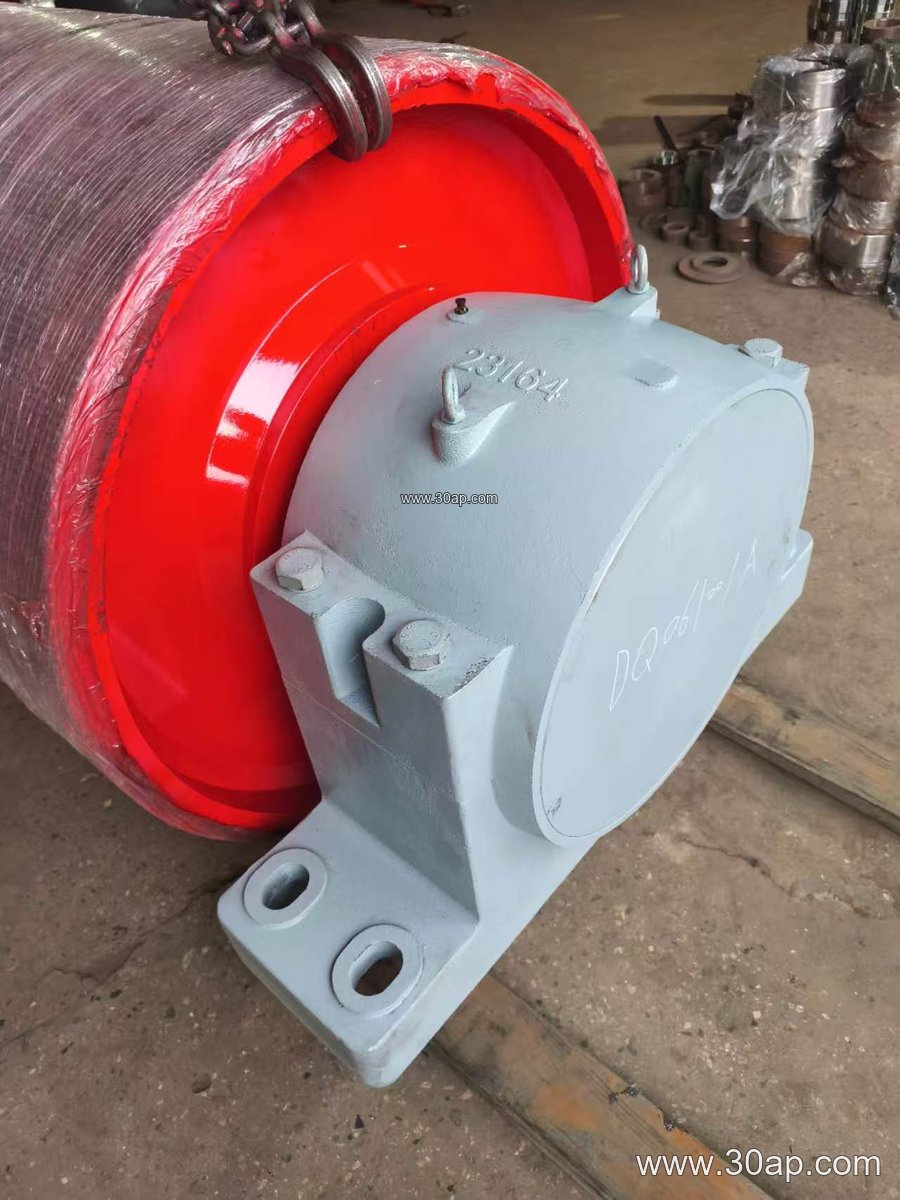
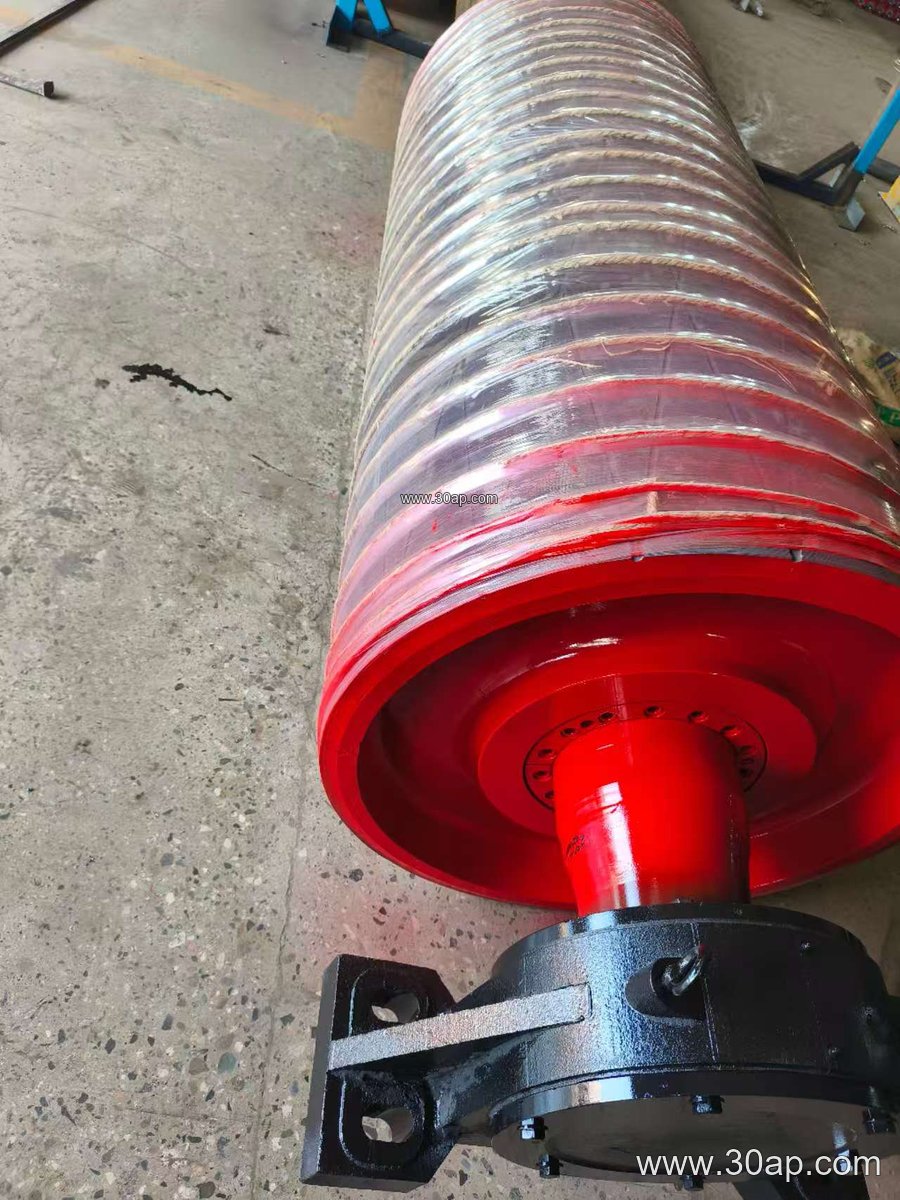
A Heavy-Duty Ceramic Lagged Pulley is a conveyor pulley whose shell is covered with ceramic tiles set in a rubber or epoxy matrix. This ceramic lagging is designed for the toughest drive positions, where grip and wear life matter most. Unlike standard rubber lagging, the ceramic studs bite into the belt surface and resist abrasion from abrasive bulk materials. In a quarry or a cement plant, this pulley often serves as the head drive, pulling a heavy conveyor belt loaded with crushed rock or clinker.
The ceramic lagging is not a substitute for the pulley type itself. A drive pulley, tail pulley, and bend pulley each perform distinct roles. You would not replace a tail pulley with a drive pulley, nor a bend pulley with a tension pulley. The ceramic lagging is a surface enhancement applied to the correct pulley for the job.
Construction and Key Components
The pulley body usually starts as a welded steel drum with machined end discs and a shaft. The shaft diameter is determined by torque and load, not by belt width alone. Common shaft sizes include Ø80, Ø100, Ø120, Ø140, and Ø160 mm, but final selection follows the conveyor design.
The ceramic lagging consists of small ceramic tiles, often with raised dimples or studs, bonded to the drum. The bonding layer may be rubber or a cold-bonded epoxy. Tile thickness and pattern vary. A typical lagging thickness might be 10 mm, 12 mm, or 15 mm, but these are reference values, not fixed rules. The ceramic surface is harder than rubber and maintains grip even when wet or muddy.
Because the ceramic lagging adds grip, it is often used on drive pulleys in primary crushing circuits, where the belt carries large rock and the risk of slip is high. The same pulley may be paired with a heavy-duty conveyor belt such as an EP400 or steel cord ST1600, depending on the tension and impact requirements.
Where It Fits in the Conveyor Line
Ceramic lagged pulleys are most valuable at the drive position. In a limestone mine or a coal preparation plant, the head pulley must transmit high torque without slipping. The ceramic surface helps maintain traction when the belt is dusty or damp. In a power plant coal handling system, a ceramic lagged drive pulley can reduce belt slip during winter conditions.
Beyond the drive, a ceramic lagged bend pulley or tension pulley may be used where the belt wraps at a sharp angle and slip would cause wear. However, the tail pulley usually relies on wing pulleys or plain rubber lagging because it contacts the dirty side of the belt. A ceramic surface on a tail pulley can be counterproductive if the belt carries sticky material.
When specifying a Heavy-Duty Ceramic Lagged Pulley, match the pulley face width to the belt. For example, a B800 belt typically uses a pulley face around 950 mm, and a B1200 belt around 1400 mm. These are common references, not mandatory pairings. A B1000 belt might use a Ø800 pulley in one conveyor and a Ø1000 pulley in another, depending on belt tension and wrap angle.
Buyer Checklist for Heavy-Duty Ceramic Lagged Pulleys
Before ordering, confirm the pulley type, duty, and interface with the rest of the conveyor. Consider these points:
- Pulley type: Drive, tail, bend, tension, or snub. Each has a different load profile.
- Belt width and pulley face: B650, B800, B1000, B1200, B1400, and B1600 are common widths. Face width is usually slightly wider than the belt.
- Diameter: Ø500, Ø630, Ø800, Ø1000, and Ø1250 are typical heavy-duty sizes. Diameter affects belt wrap and bending stress.
- Shaft diameter: Ø80 to Ø200 mm range, determined by torque and bearing load.
- Lagging: Ceramic tile pattern, bond type, and thickness (e.g., 10 mm, 12 mm, 15 mm).
- Bearing and bracket: Confirm the conveyor bracket and bearing housing dimensions.
Also check that the conveyor belt can handle the ceramic surface. A rough-top or chevron belt may not mate well with ceramic studs. For abrasive ore, a high abrasion resistant conveyor belt is a better match than a standard rubber belt. In underground coal mining, flame retardant conveyor belt and anti-static properties are essential, and the pulley lagging should be compatible with the belt’s cover compound.
Maintenance and Compatibility Notes
Ceramic lagging is durable but not indestructible. Check tile bonding regularly, especially after heavy impact or belt misalignment. A loose tile can damage the belt. Keep the pulley clean and ensure the conveyor belt tracks centrally. Use appropriate conveyor pulley bearings and maintain proper tension.
For harsh environments, pair the ceramic lagged pulley with an abrasion resistant conveyor belt, a heavy-duty conveyor belt, or a steel cord conveyor belt as needed. In a sand and gravel plant, a ceramic lagged drive pulley on the primary belt can outlast rubber lagging by a wide margin. In a cement plant, it helps maintain grip on the clinker belt. The key is to select the right pulley type and match the lagging to the belt and material.
For more information on conveyor pulleys, idler rollers, and conveyor belts, visit our site at www.example.com/conveyor-pulley and www.example.com/heavy-duty-conveyor-belt. Our team can help you specify the right ceramic lagged pulley for your application.