What the ST1600 Grade Represents
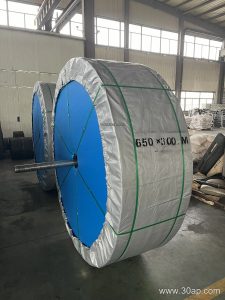
An ST1600 conveyor belt is a steel cord belt rated at 1600 N/mm nominal breaking strength. The ST prefix marks the steel cord family, and the number gives the tensile class, so ST1600 sits in the upper-middle range of that lineup, above ST1250 and below ST2000. It is chosen where a single long flight or a heavily loaded incline needs more pull than a fabric carcass can deliver reliably. In practice, engineers often arrive at this grade when a Steel Cord Conveyor Belt with lower rating would need an impractical number of splices or an oversized safety margin.
The same product may appear in project documents as an ST1600 steel cord belt or a 1600 N/mm steel cord belt. Those names point to one article; they are not different constructions.
How the Belt Is Built
The carcass consists of parallel brass-coated steel cords embedded in a rubber core compound. Cord pitch, cord diameter and the number of cords per unit width are set by the manufacturer according to the belt width and the required strength, so two belts of the same class from different suppliers may not share internal geometry. Top and bottom covers protect the cords from abrasion, impact and moisture. A common arrangement for this grade is a 6+2 mm or 8+3 mm cover combination, though thinner covers are used when the material is fine and non-abrasive.
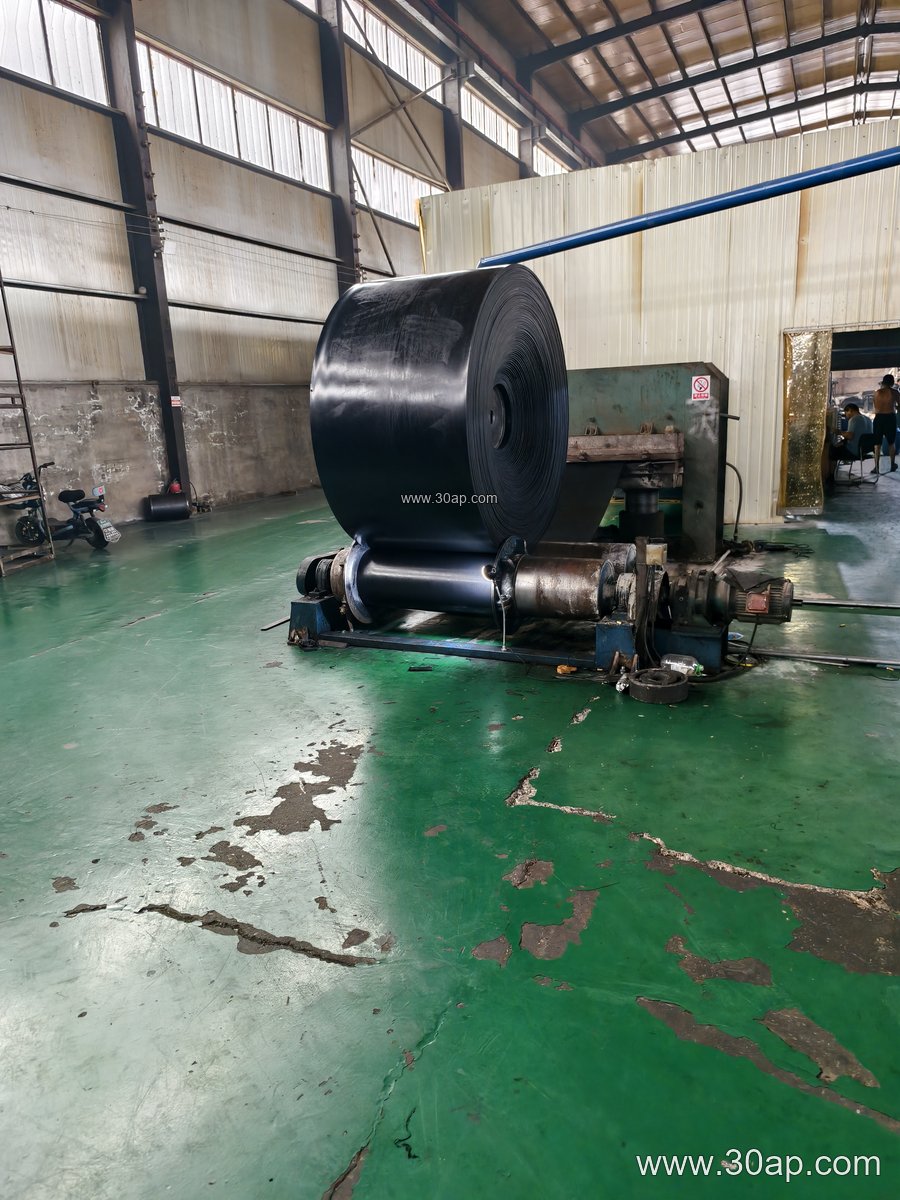
Because the cords carry the tension, elongation is low compared with multi-ply fabric belts. That property matters on long centre distances, where a High Strength Conveyor Belt keeps take-up travel modest and reduces the risk of slope slip during starting. It also affects splicing: steel cord belts are usually joined by vulcanised finger splices in a controlled workshop or at the site, and splice quality governs much of the belt’s service life.
Where It Fits in a Conveyor
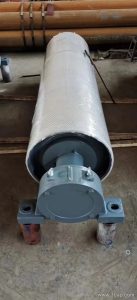
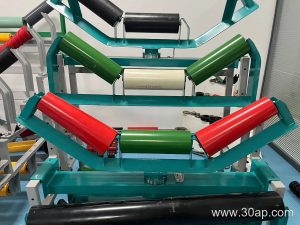
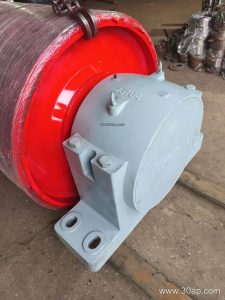
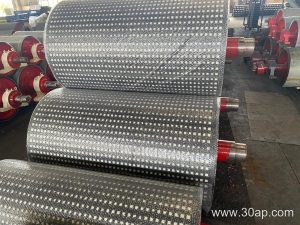
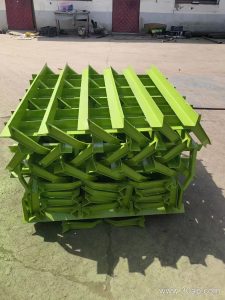
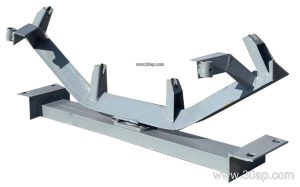
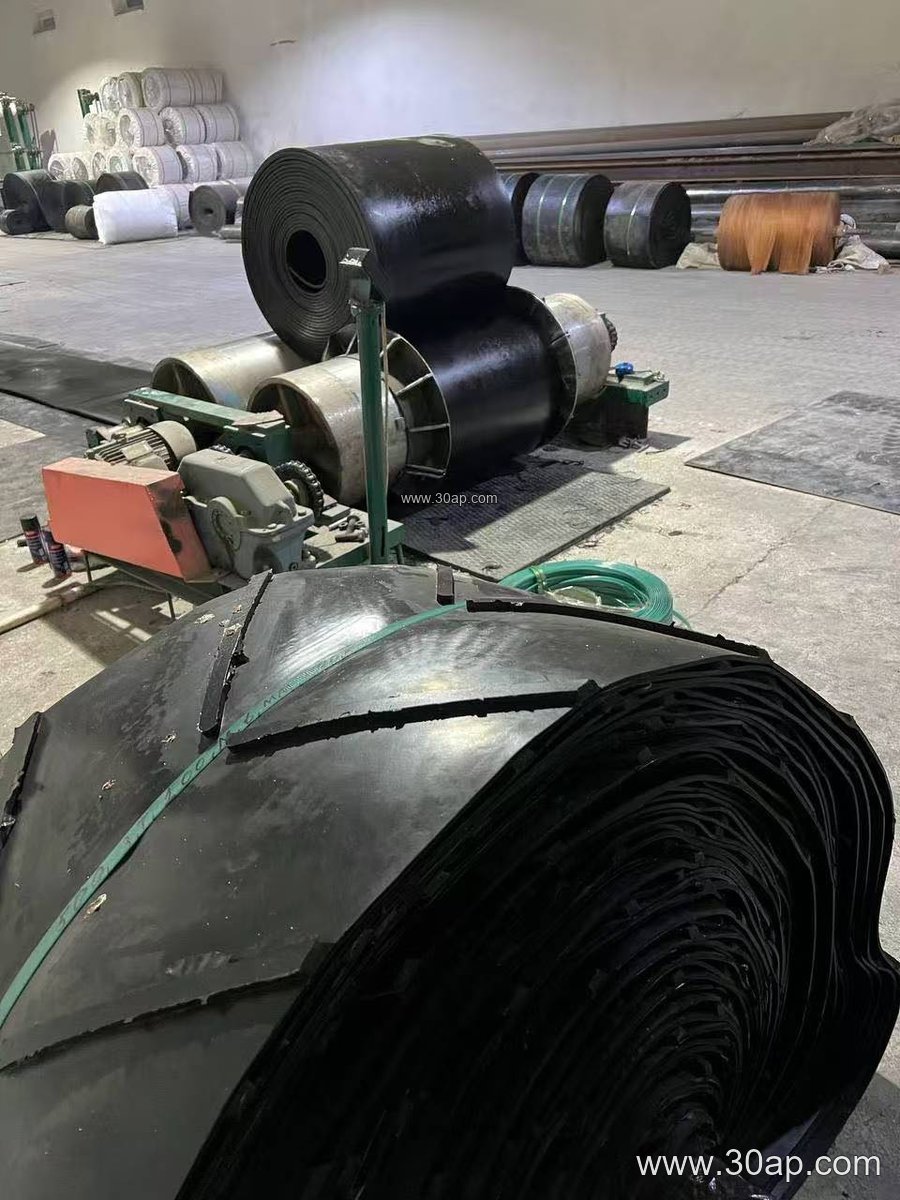
The belt runs over a drive pulley at the head, a tail pulley at the loading end, and bend or take-up pulleys along the route. These pulleys are distinct components with their own diameter and lagging choices, and none of them substitutes for another in a layout drawing. Idler rollers support the loaded strand, while conveyor brackets hold the idlers and frame in alignment. A mismatched pulley diameter or a worn idler can shorten belt life even when the ST1600 grade itself is correct.
Typical duty for this class includes:
- Main haulage in metalliferous mines and Iron Ore Conveyor Belt duty with sharp, dense lumps
- Overland and incline transport in cement plants and power stations
- Primary and secondary crushing circuits in quarries and Aggregate Conveyor Belt service
- Port and ship loading lines handling bulk material over long distances
- Coal handling where a Flame Retardant Conveyor Belt construction is specified for the ST carcass
Specification Points Buyers Should Confirm
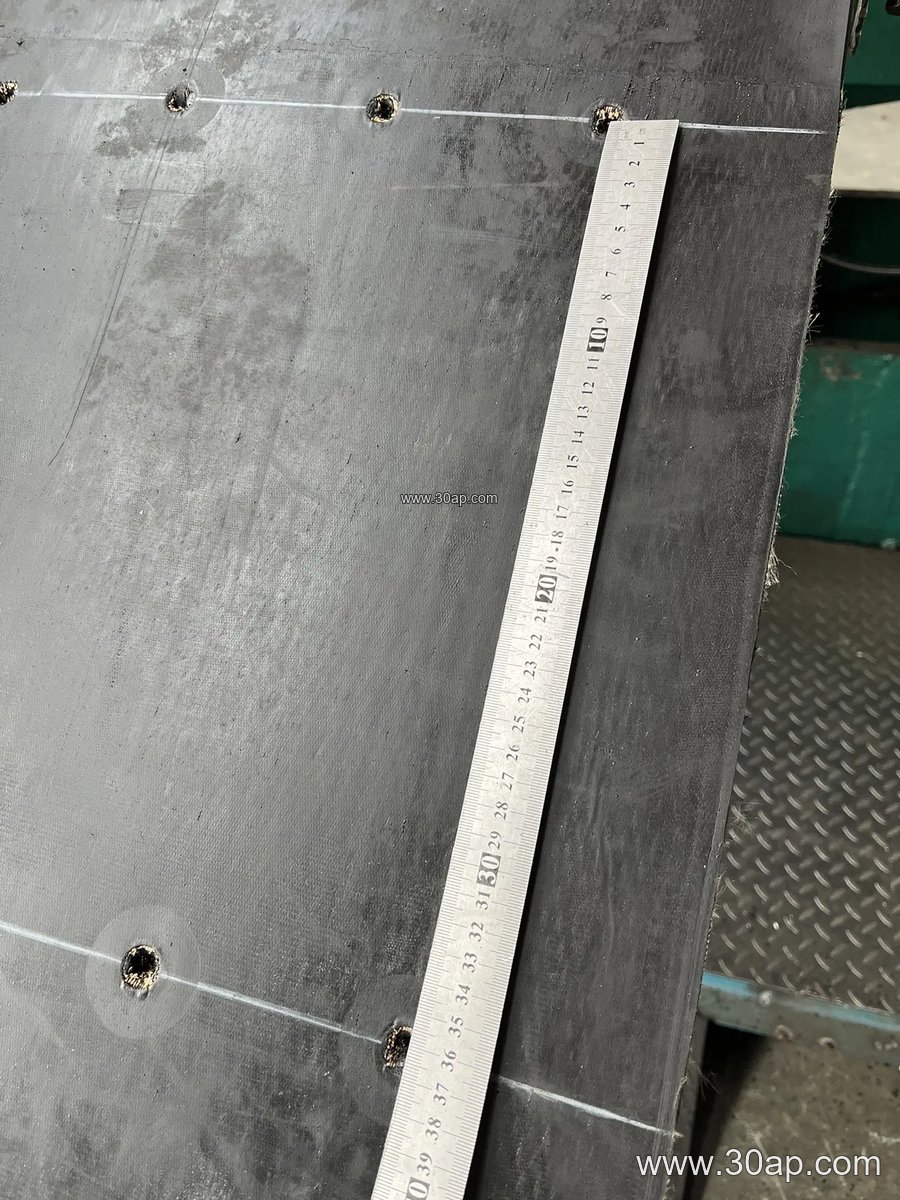
Width and strength do not lock each other into a single combination; the same 1600 N/mm class may be supplied in several widths depending on the conveyor design. The table below shows common reference values, not a fixed catalogue promise.
| Parameter | Common reference values |
|---|---|
| Tensile class | ST1600 (1600 N/mm) |
| Belt width | B800, B1000, B1200, B1400, B1600, B1800 |
| Cover thickness | 6+2 mm, 8+3 mm, or as ordered |
| Cover grade options | Abrasion resistant, heat resistant, flame retardant, oil resistant, cold resistant |
| Splice method | Vulcanised steel cord splice |
Three questions settle most of the specification. First, what is the maximum lump size and drop height at the load point, since impact can damage covers and cords before the belt is worn? Second, what ambient and material temperatures apply, because a Heat Resistant Conveyor Belt cover may be needed for clinker or sinter. Third, does the site require anti-static or fire-resistant properties, which are common in underground coal mining and in enclosed galleries. For material that clings or rolls back, a Chevron Conveyor Belt profile is sometimes considered, but a profiled belt is a different product and does not replace plain ST1600 where a flat carrying surface is needed.
Installation and Maintenance Notes
Store the roll on a dry surface, keep it out of direct sunlight, and avoid sharp bends during lifting. Track alignment should be checked before the belt is tensioned, and the tail pulley, bend pulleys and every idler roller should turn freely. During operation, watch for cover wear over the cord line, edge damage, and splice separation; these are the earliest signs that a steel cord belt is approaching the end of its safe working life. A routine inspection of pulleys, idlers and brackets costs little and protects an investment of this class.
For a full picture of matching belts, rollers and pulleys, visit conveyorbelting.com and review the ST1600 data with your conveyor layout before ordering.