What a Power Plant Conveyor Pulley Does
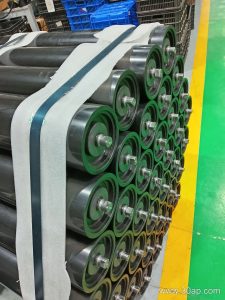
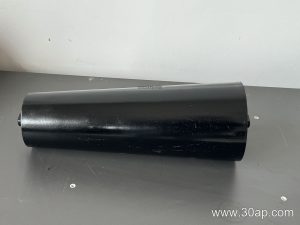
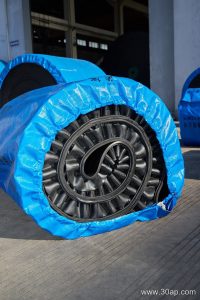
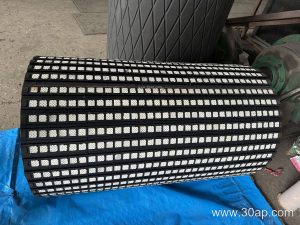
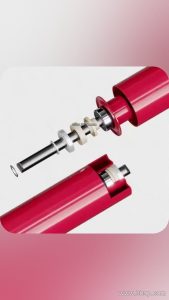
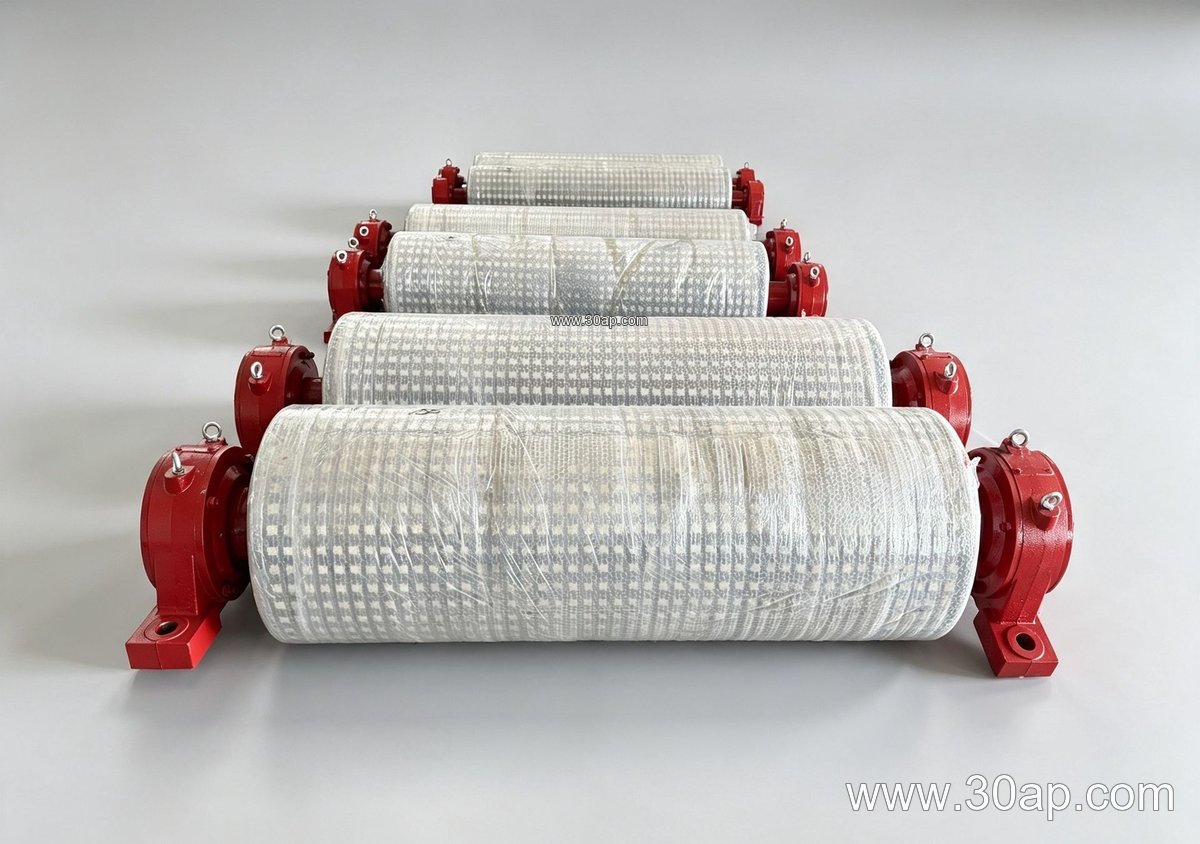
A power plant conveyor pulley is the rotating drum that drives, tensions, or redirects the belt in a coal handling or ash removal system. In a typical coal-fired plant, these pulleys work with a rubber conveyor belt or a flame retardant conveyor belt to move fuel from the stockyard to the boiler. The pulley itself is a fabricated steel shell with shafts, hubs, and bearing housings, often covered with rubber lagging to improve grip. It is not the same as an idler roller, which supports the belt along its run. The pulley transmits power or changes belt direction at critical points.
Common Types in Power Plant Service
Drive pulleys, also called head pulleys, connect to the gearbox and pull the belt. Tail pulleys sit at the loading end and can be fixed or take-up style. Bend pulleys and snub pulleys change belt wrap around the drive or take-up. Each has a distinct role. A drive pulley needs high friction; a tail pulley may need cleaning wings or a smooth face. Do not swap a drive pulley for a bend pulley—they are not interchangeable.
Construction and Lagging Options
The shell is usually rolled steel, machined for balance. Shafts are sized by torque and load, not by belt width alone. Common shaft diameters include Ø50, Ø80, Ø120, and Ø160 mm, but final size depends on the drive design. Lagging protects the shell and improves grip. Surface forms include plain, diamond grooved, herringbone, and ceramic lagging. Lagging thickness often ranges from 8 to 20 mm. For coal dust and occasional oil, a flame retardant conveyor belt and an oil resistant conveyor belt may run alongside a pulley with oil resistant lagging.
Matching Pulley to Belt Width
Pulley face width is typically wider than the belt. For example, a B800 belt may use a pulley face around 950 mm, and a B1200 belt around 1400 mm. These are common references, not fixed rules. A B1200 × Ø1000 drive pulley or a B800 × Ø500 tail pulley are plausible combinations, but a given belt width can match several diameters. The table below shows typical reference values; actual sizes are set by the conveyor designer.
| Belt width (B) | Typical pulley face width | Example diameter range |
|---|---|---|
| B500 | 600 mm | Ø250–Ø400 |
| B650 | 750 mm | Ø315–Ø500 |
| B800 | 950 mm | Ø400–Ø630 |
| B1000 | 1150 mm | Ø500–Ø800 |
| B1200 | 1400 mm | Ø630–Ø1000 |
| B1400 | 1600 mm | Ø800–Ø1250 |
These values are for reference only. A power plant conveyor pulley should be selected after calculating belt tension, wrap angle, and starting torque.
Where It Fits in the Plant
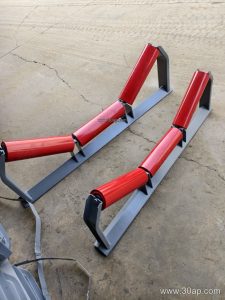
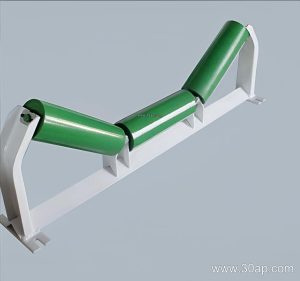
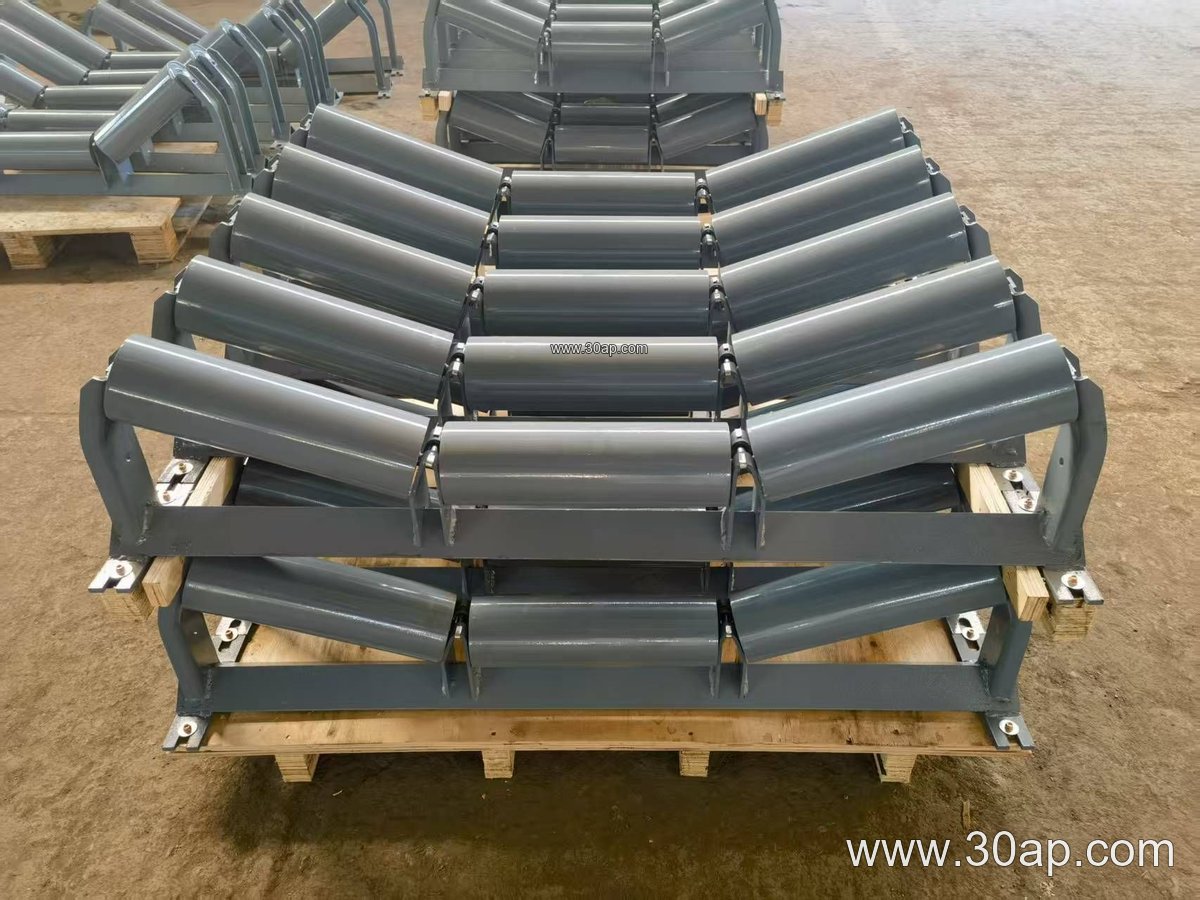
In a coal yard, a drive pulley at the head end pulls a heavy-duty mining conveyor belt up an incline. In the transfer house, a bend pulley redirects the belt around a corner. At the tail, a take-up pulley maintains tension as the belt stretches. Ash handling lines may use a smaller pulley with abrasion resistant lagging. The pulley works with conveyor brackets that hold the bearing housings and with conveyor idler rollers that support the belt between pulleys. A worn pulley can cause belt tracking problems, so periodic inspection of lagging and shaft alignment is practical.
Buyer Checklist
- Confirm the pulley role: drive, tail, bend, take-up, or snub.
- Provide belt width, belt type (for example EP conveyor belt or steel cord conveyor belt), and operating tension.
- Specify lagging form and thickness if needed for grip or wear.
- State shaft diameter and bearing type required by the drive or take-up frame.
- Check that pulley face width exceeds belt width by a suitable margin.
- Ask for dynamic balancing for high-speed drive pulleys.
For a power plant conveyor pulley, the goal is reliable grip and long service between outages. Pair the pulley with the right conveyor belt, keep idler roller alignment in check, and inspect lagging wear at each maintenance window.