What a Belt Conveyor Idler Frame Does
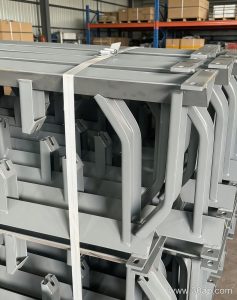
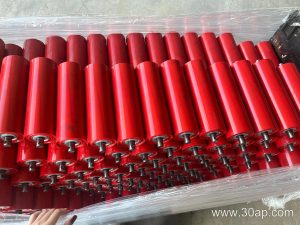
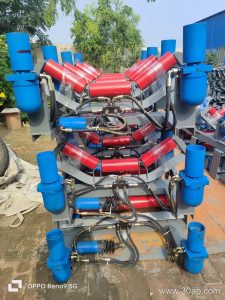
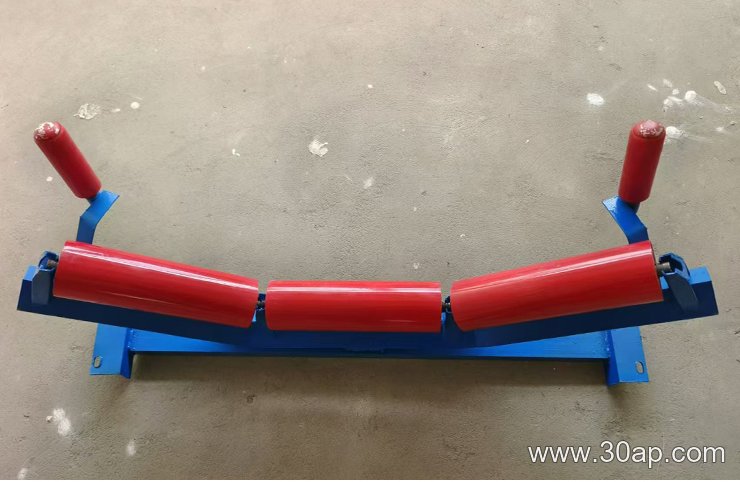
A belt conveyor idler frame is the structural bracket that holds idler rollers in position along a conveyor. In a quarry, cement plant, or coal handling system, the frame keeps the rollers aligned so the conveyor belt runs smoothly and carries material without excessive spillage or belt damage. Sometimes called a roller support bracket or idler bracket, this frame is not the same as a conveyor pulley. Drive pulleys, tail pulleys, and bend pulleys each have different roles and cannot be used interchangeably with an idler frame.
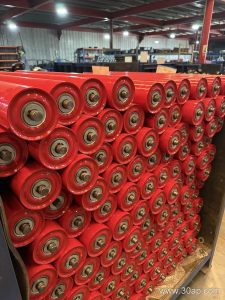
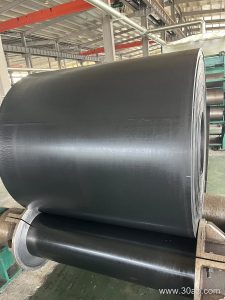
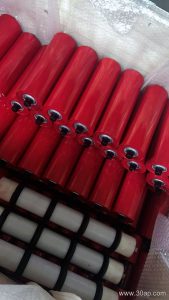
The frame works together with the conveyor belt, idler roller, and conveyor pulley to form the carrying and return sides of a belt conveyor. A well-built idler frame maintains the correct trough angle on the carrying side and supports the belt on the return side, reducing vibration and improving tracking.
Construction and Common Materials
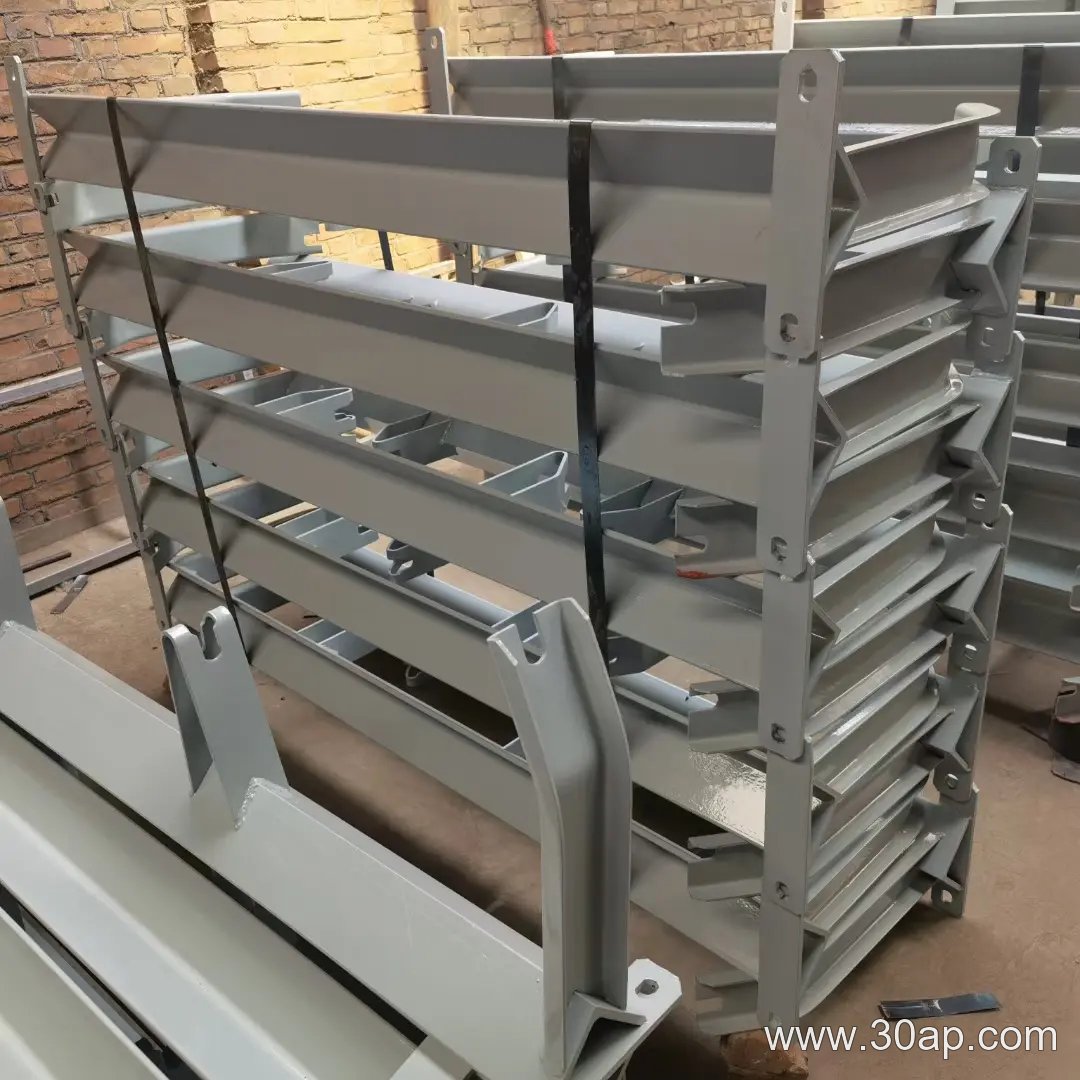
Most idler frames are made from angle steel, channel steel, or folded steel plate. The material choice depends on belt width, load, and the environment. In dusty or wet conditions, such as a wash coal plant or port terminal, the frame may be painted or galvanized for better corrosion resistance.
Key dimensions include the beam length, mounting hole spacing, and roller positioning. These values change with belt width and trough angle, so there is no single fixed size for every conveyor. A frame for a B800 belt with a 35-degree trough angle and Ø108 rollers will differ from one for a B1200 belt using 45 degrees and Ø133 rollers.
Types and Where They Fit
Different positions on a conveyor call for different frame styles. Common types include:
- Troughing idler frame – supports the carrying belt in a trough shape
- Transition idler frame – helps the belt change from flat to troughed
- Return idler frame – supports the empty belt on the return run
- V-return idler frame – used for return belt training
- Impact idler frame – placed under loading points to absorb shock
- Self-aligning idler frame – helps correct belt misalignment
- Adjustable idler frame – allows trough angle changes on site
An adjustable frame may allow trough angles such as 20, 30, 35, or 45 degrees. Forward tilt of about 1.5 to 2 degrees is also used on some carrying idlers to aid belt tracking. These features are selected according to the conveyor design, not as universal rules.
Matching Belt Width, Trough Angle, and Roller Diameter
Buyers often ask how to match frame size with belt width and roller diameter. The table below shows common reference combinations, but these are examples only. A B650 belt might use a 30-degree trough angle with Ø89 rollers, while a B1400 belt could use 45 degrees with Ø159 rollers. The final choice depends on material lump size, belt speed, and loading conditions.
| Belt Width | Common Trough Angle | Common Roller Diameter |
|---|---|---|
| B500 | 20–30 degrees | Ø89 |
| B650 | 30–35 degrees | Ø89, Ø108 |
| B800 | 35 degrees | Ø108, Ø133 |
| B1000 | 35–45 degrees | Ø108, Ø133, Ø159 |
| B1200 | 35–45 degrees | Ø133, Ø159 |
| B1400 | 35–45 degrees | Ø133, Ø159, Ø194 |
| B1600 | 35–45 degrees | Ø159, Ø194 |
| B1800 | 35–45 degrees | Ø159, Ø194 |
Do not assume that one belt width can only match one pulley diameter or one roller size. The frame must be designed so the idler rollers sit at the correct height and angle for the belt. Mounting hole spacing and beam length are usually determined by the conveyor manufacturer based on belt width and trough angle.
Applications in Different Industries
Idler frames are used wherever a conveyor belt carries bulk material. In a limestone mine, a heavy-duty troughing frame supports the belt under large rocks. In a power plant coal yard, return frames keep the empty belt aligned. In a sand and gravel line or a fertilizer plant, frames may be selected for dust resistance and easy maintenance. The same basic frame design appears in tunnel mucking, steel sintering, and grain silos, though the material and surface treatment may change.
What Buyers Should Check Before Ordering
When specifying a belt conveyor idler frame, confirm the belt width, trough angle, roller diameter, and mounting dimensions. Ask whether the frame is for carrying, return, impact, or transition service. Check the material and finish if the conveyor operates outdoors or in a wet environment. Also verify that the frame is compatible with the chosen idler roller and conveyor bracket. A frame that fits one conveyor pulley arrangement may not fit another, so always match the complete assembly.
For maintenance, inspect frames for bending, corrosion, or loose bolts. A damaged frame can cause the belt to mistrack, wear the idler rollers unevenly, or rub against the conveyor pulley. Replacing a worn idler frame early helps avoid unplanned downtime in continuous operations such as a coal mine or cement kiln feed line.