What the NN200 Conveyor Belt Is
The NN200 Conveyor Belt is a multi-ply fabric core belt built on nylon (NN) canvas. In this designation, the two letters identify the warp and weft yarns as nylon, while the number 200 refers to the nominal tensile strength of the carcass per ply, commonly expressed in N/mm. The belt sits in the middle of the nylon range, above NN100 and below NN300 and NN400, which makes it a practical choice where a single-ply carcass is too light but a very high-strength construction is not needed. Buyers often describe it simply as an NN Conveyor Belt, and it belongs to the wider family of Fabric Core Conveyor Belt products. It is not the same product as an EP Conveyor Belt, which uses polyester warp and nylon weft, nor a Steel Cord Conveyor Belt, which relies on steel cables instead of fabric plies.
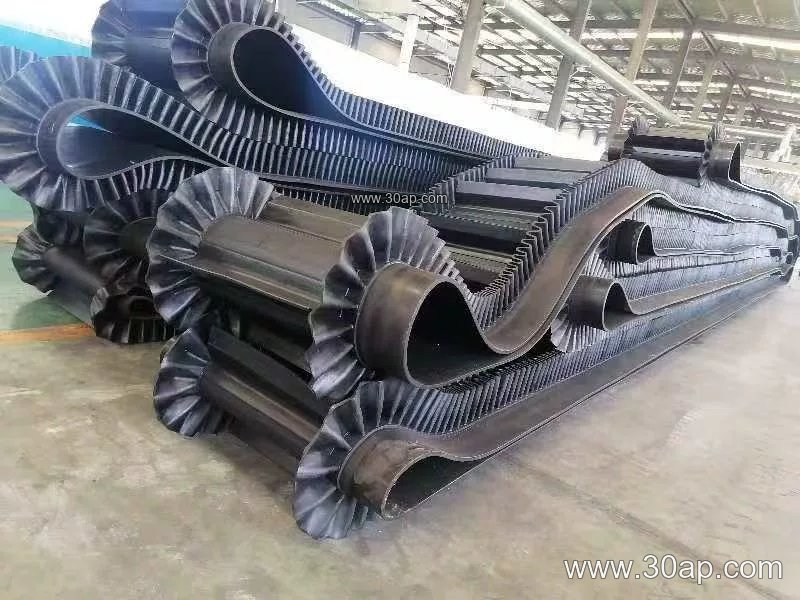
How the Belt Is Built
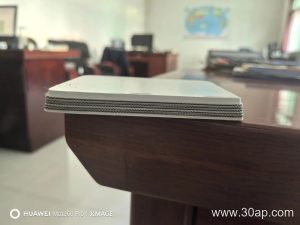
The carcass is made from several layers of nylon fabric bonded together with rubber skim compound. Nylon offers high elongation and excellent resistance to fatigue, so the belt absorbs shock loads and flexes well around pulleys. A rubber cover is applied to both faces, with the top cover normally thicker than the bottom. Common cover combinations include 3+1.5, 4+2, 5+2, 6+2 and 8+3 mm, and the carcass usually carries 2 to 6 plies depending on the duty. The belt can be supplied as an Endless Conveyor Belt for fixed-length installations, or with mechanical fasteners or splice kits for site joining. Cover compounds can be selected for abrasion, heat, oil, flame retardance, antistatic behavior or cold service, so the same NN200 carcass may appear as an Abrasion Resistant Conveyor Belt or a Flame Retardant Conveyor Belt depending on the rubber specified.
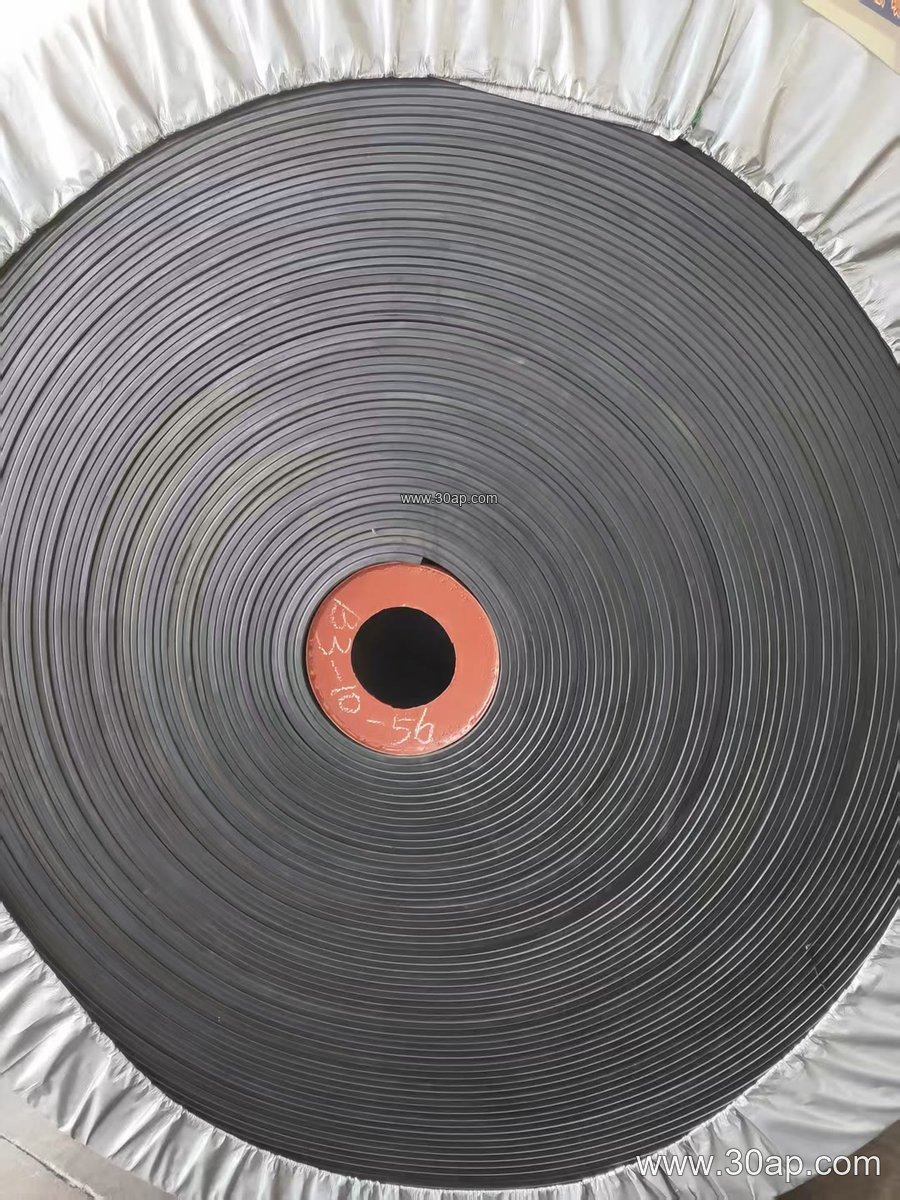
Where It Fits in the Plant
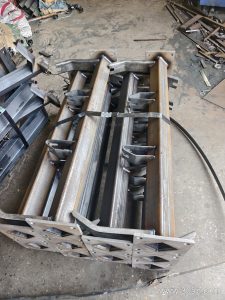
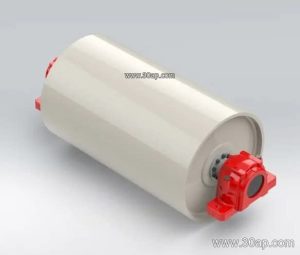
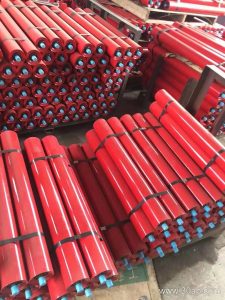
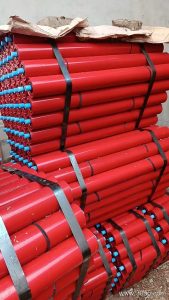
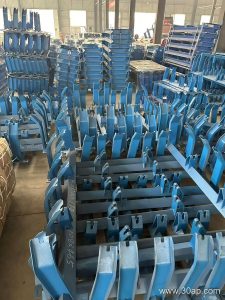
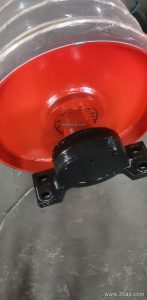
Because nylon plies tolerate impact and repeated flexing, the NN200 Conveyor Belt is common in quarry and aggregate duty, cement plants, coal handling, power stations and general bulk material transport. It works well on primary and secondary crusher discharge lines, where lump size and drop height put stress on the carcass. You will also see it on overland conveyors in sand and gravel operations and on stockyard belts in steel plants. In mining service, it may be specified as a Mining Conveyor Belt for surface operations; underground coal work usually calls for flame retardant and antistatic grades, and PVC or PVG belts are often preferred there for fire safety, which is a comparison worth making rather than a replacement. On the mechanical side, the belt runs over a conveyor pulley at the head and tail, turns on bend pulleys, and is supported by idler rollers carried on conveyor brackets. These parts are matched to the belt width, load and trough angle by the conveyor designer, not by a fixed rule.
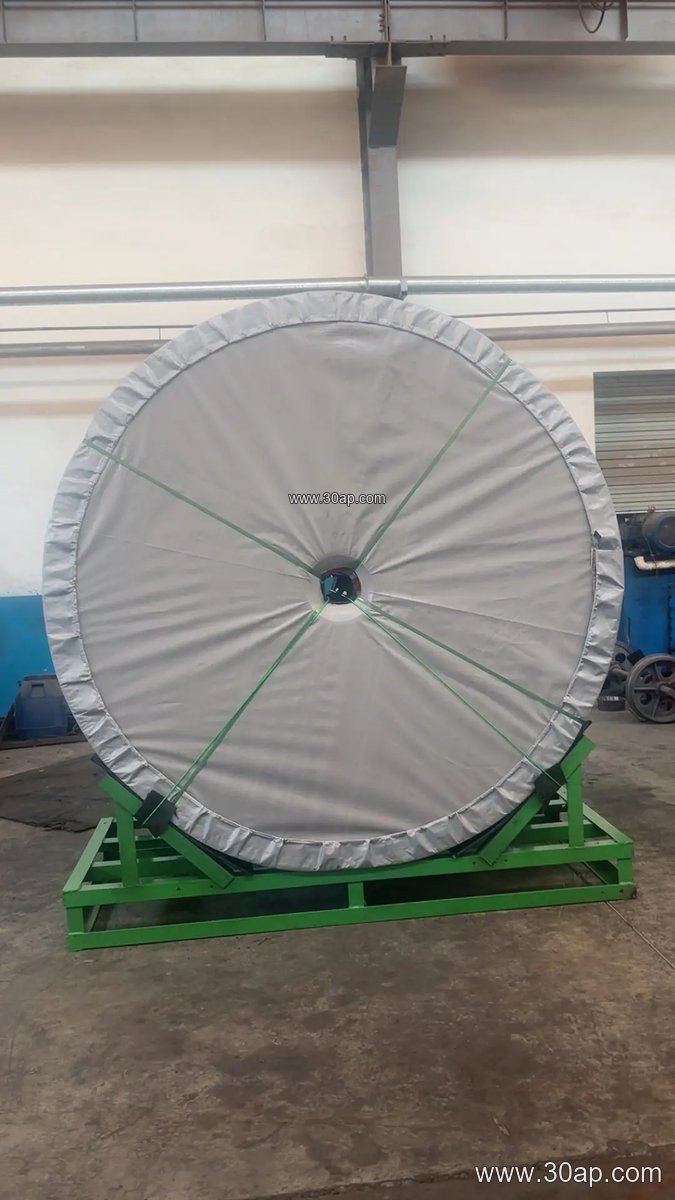
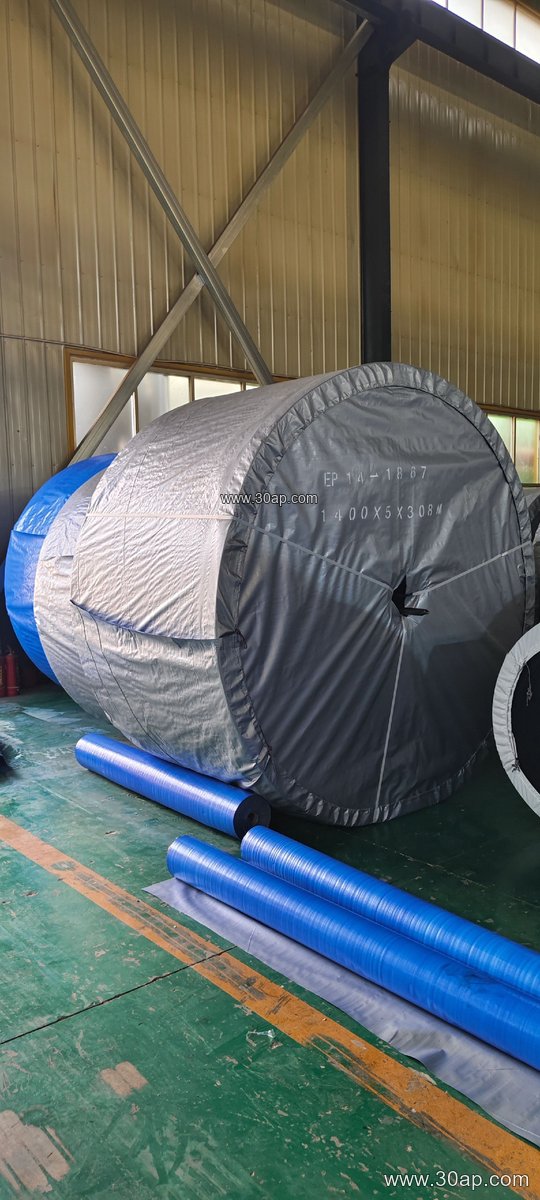
Typical Reference Data
The table below shows common values used in planning. They are reference ranges, not universal specifications, and actual supply should be confirmed with the manufacturer.
Carcass and Cover
- Strength grades in the nylon series: NN100, NN200, NN300, NN400
- Common ply count: 2 to 6
- Cover thickness options: 3+1.5, 4+2, 5+2, 6+2, 8+3 mm
Width Range
- Narrow belts: B500, B650, B800
- Medium widths: B1000, B1200, B1400
- Wide belts: B1600, B1800, B2000
A 1000mm Conveyor Belt and a 1200mm Conveyor Belt are among the most frequent sizes in aggregate and cement service, while wider belts appear on high-capacity main lines. Width selection follows tonnage, lump size and troughing arrangement, and one belt width does not dictate one pulley diameter; the pulley is sized from belt tension, ply count and shaft load.
What to Check Before Ordering
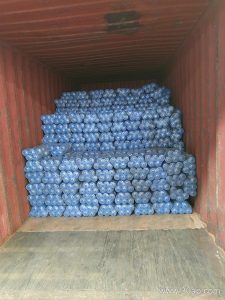
Start with the duty: material type, lump size, temperature, moisture and any oil or chemical exposure. Confirm the required tensile grade and ply count, then the cover thickness for the top and bottom faces. Ask how the belt will be joined, since splice strength depends on ply number and cover. For hot clinker or sinter, a Heat Resistant Conveyor Belt compound is needed; for coal with fire risk, specify flame retardant and antistatic covers. Check pulley diameters against the carcass flexibility rating, and confirm that idler roller spacing suits the belt sag. Finally, review storage and handling: nylon belts absorb moisture, so keep rolls dry and avoid sharp bends during installation. A correctly matched NN200 belt, paired with well-aligned conveyor pulleys and free-running idlers, gives long service in harsh plant conditions.