Precision Manufacturing Processes for an Idler Roller
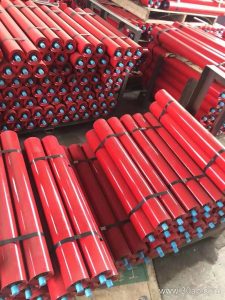
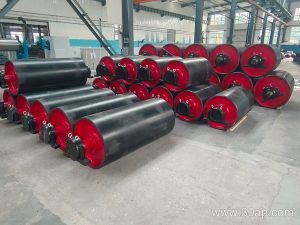
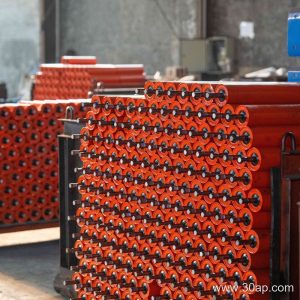
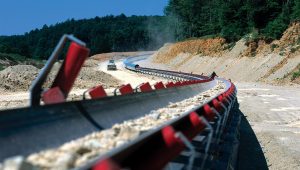
An idler roller functions as a critical load-bearing component within heavy industrial conveying systems, ensuring smooth belt travel and consistent material transport. Operating under rigorous physical demands—especially in wet outdoor conveyor installations exposed to moisture, grit, and temperature fluctuations—requires an idler roller to maintain precise rotational balance and structural integrity. The final performance, service life, and operational reliability of each unit are not determined solely by material selection, but rather by the exact sequence of manufacturing processes employed during its fabrication. From raw steel tube cutting to final bearing housing assembly, every production stage introduces mechanical variables that directly impact finished quality.
Tube Preparation and Precision Machining
The manufacturing journey of an idler roller begins with raw steel or polymer tubing, which must undergo stringent dimensional preparation before any welding or assembly occurs. High-speed automatic saws cut the heavy-walled tubing to exact project lengths, minimizing end-face squareness deviations. If a tube is cut unevenly, the subsequent welding of end discs will introduce angular misalignment, leading to eccentric rotation and premature bearing wear.
Following the initial cutting stage, specialized boring and facing lathes machine the internal diameters of the tube ends. This critical machining step ensures that the press-fit tolerance for the bearing housings matches strict engineering standards. Maintaining a precise internal diameter prevents the housings from shifting under high radial loads and heavy belt impacts. Any micro-deviation in wall thickness or concentricity at this stage will be magnified during high-speed conveyor operation, resulting in excessive vibration and dynamic imbalance.
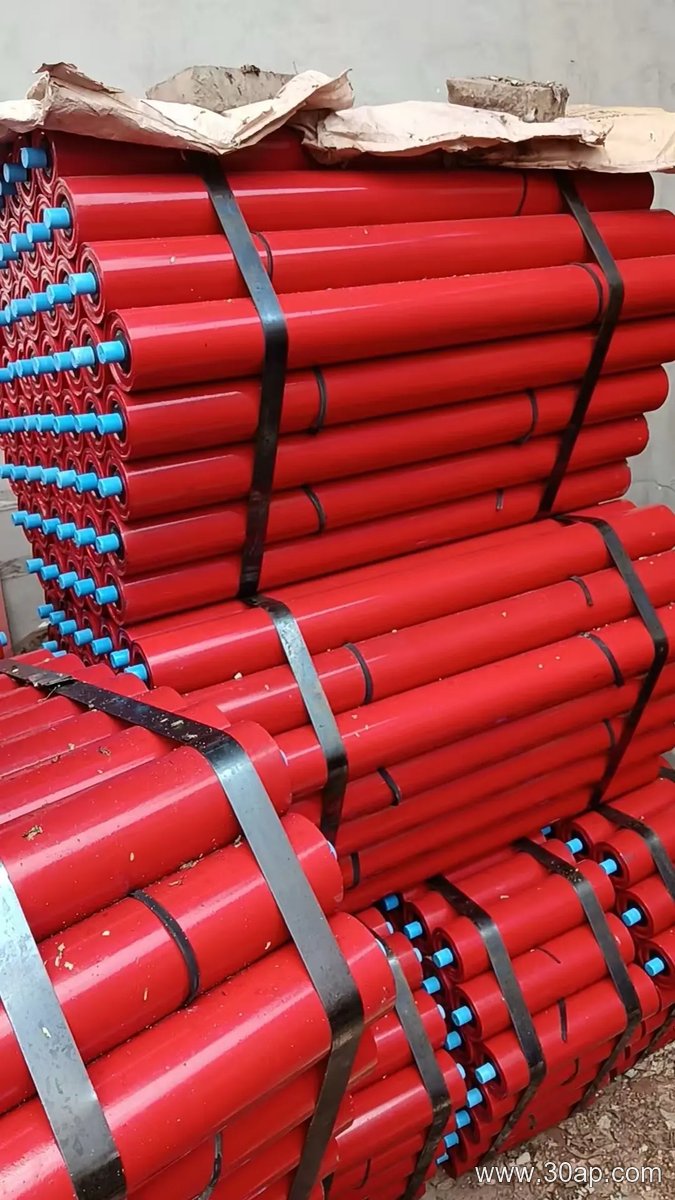
Automated Welding of End Discs and Shells
Once the tube and bearing housings are prepared, the steel end discs must be permanently joined to the cylindrical shell. Modern manufacturing facilities utilize automated gas metal arc welding (GMAW) or submerged arc welding (SAW) systems to achieve uniform, deep-penetration welds.
- Heat Input Control: Automated welding rigs regulate arc voltage and travel speed to prevent excessive thermal distortion of the thin-walled idler roller shell.
- Weld Integrity: Consistent weld beads eliminate porosity and micro-cracks that could otherwise allow moisture infiltration during wet outdoor conveyor operations.
- Post-Weld Inspection: Non-destructive testing methods, such as ultrasonic or magnetic particle inspection, verify that the structural joint can withstand severe cyclic fatigue loads.
Bearing Assembly and Multi-Stage Sealing Integration
The operational lifespan of an idler roller depends heavily on the precision of its internal bearing assembly and contamination-exclusion seals. Deep-groove ball bearings are pre-lubricated with high-performance, water-resistant grease designed to withstand extreme operating temperatures and moisture exposure.
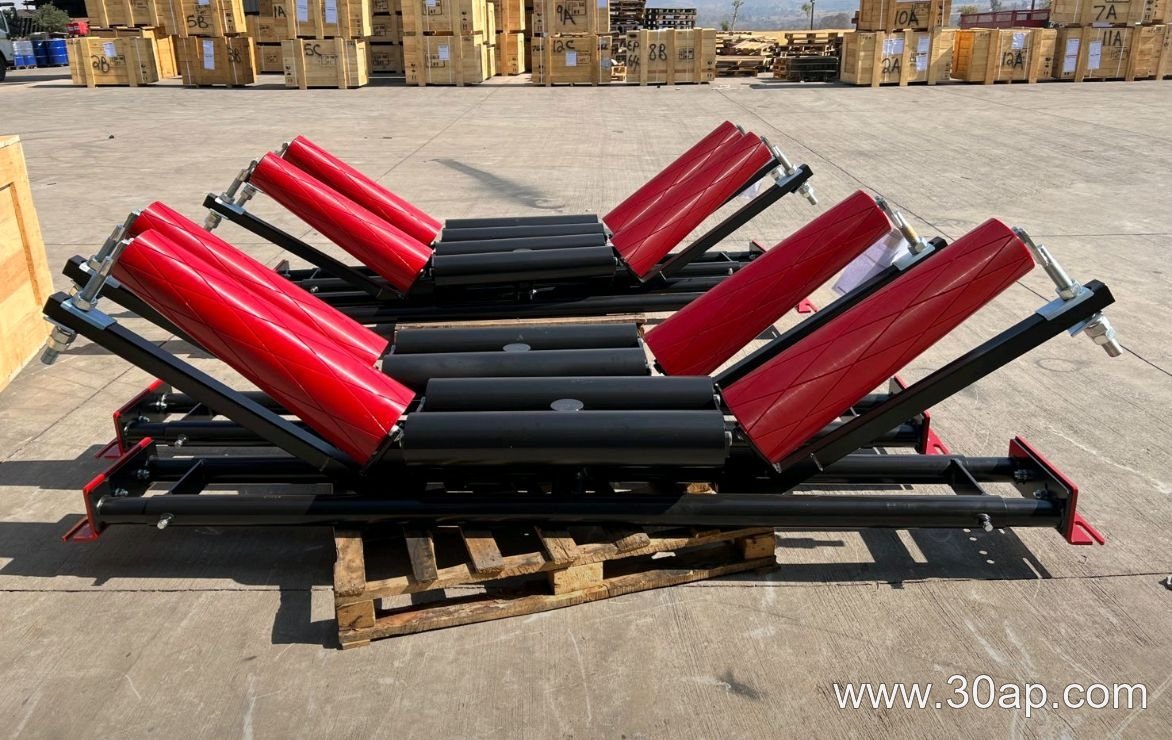
During the insertion phase, hydraulic presses seat the bearings and multi-labyrinth sealing cartridges into the machined housings with controlled force. Over-pressurization can deform the bearing races, while under-pressurization risks component displacement during heavy impacts. The labyrinth seals, often supplemented by sliding contact lips and heavy-duty grease retainers, create a tortuous path that effectively blocks abrasive slurry, fine dust, and ambient moisture from reaching the internal rolling elements. This meticulous sealing integration prevents premature failure caused by internal corrosion and particulate contamination.
Dynamic Balancing and Corrosion Protection
Before any idler roller leaves the production line, it must undergo rigorous dynamic balancing to eliminate eccentric weight distributions. Imbalance in high-speed conveyors causes harmonic vibrations that loosen structural frames and accelerate belt wear. Automated balancing machines spin the completed assembly at operational speeds, identifying heavy spots where correction weights or material removal may be applied if required.
The final manufacturing stage involves surface treatment and corrosion protection. Depending on environmental requirements, units destined for corrosive settings receive specialized powder coatings, multi-layer epoxy paints, or hot-dip galvanizing. This protective barrier shields the exterior shell from rust and chemical degradation, completing a multi-step manufacturing sequence designed to deliver enduring mechanical performance.