What an Oil Resistant Conveyor Belt Is
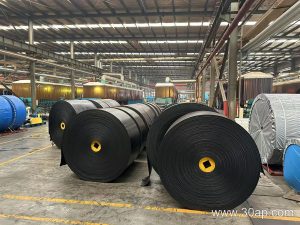
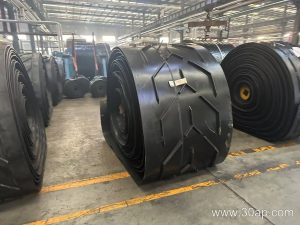
An oil resistant conveyor belt is a rubber-covered belt engineered to keep working when it carries materials that contain mineral oil, vegetable oil, animal fat, or industrial lubricants. The same product is also called an oil-proof conveyor belt in many workshops, and both names describe the same idea: a belt whose cover compound resists swelling, hardening, and cracking when oil contacts the surface. Without that protection, a standard belt may soften, blister, or lose its cover layer long before the carcass wears out.
The oil resistance comes mainly from the cover compound, not from the carcass alone. A buyer looking at specifications should check the cover grade and thickness first, because that is the part in contact with the load.
How the Belt Is Built
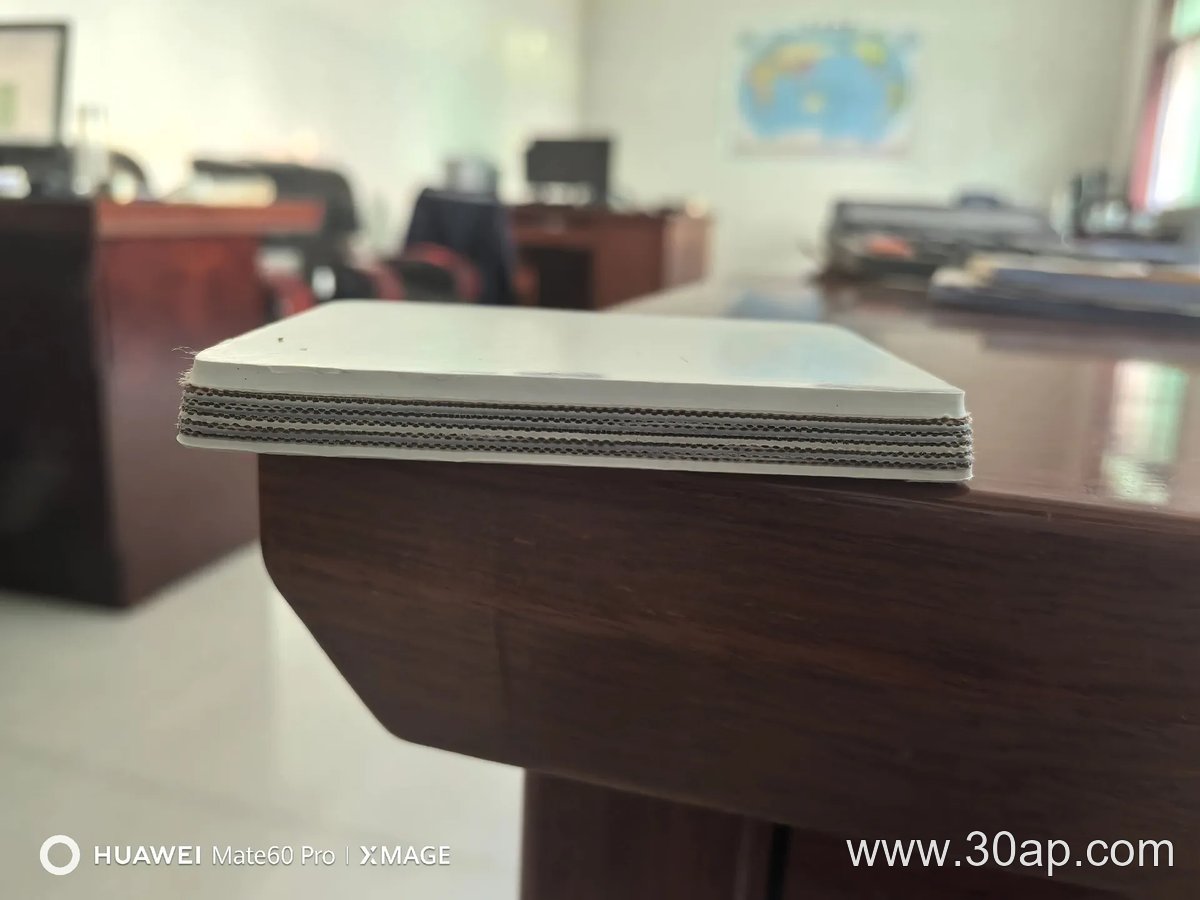
Most oil resistant belts follow the same basic construction as other rubber conveyor belts. A textile carcass, often EP or nylon fabric, provides tensile strength and resistance to repeated flexing. The carcass is surrounded by rubber layers: a top cover, a bottom cover, and skim layers between the fabric plies.
For oil resistance, the cover compound uses a polymer system selected to resist hydrocarbon and fatty oils. Common cover thickness combinations include 3+1.5 mm, 4+2 mm, 5+2 mm, and 6+2 mm, with the first number usually describing the top cover and the second the bottom cover. Carcass plies commonly range from two to six layers depending on the required strength. Strength grades such as EP200, EP400, EP630, or EP1000 are selected according to the load, the conveyor length, and the drive arrangement.
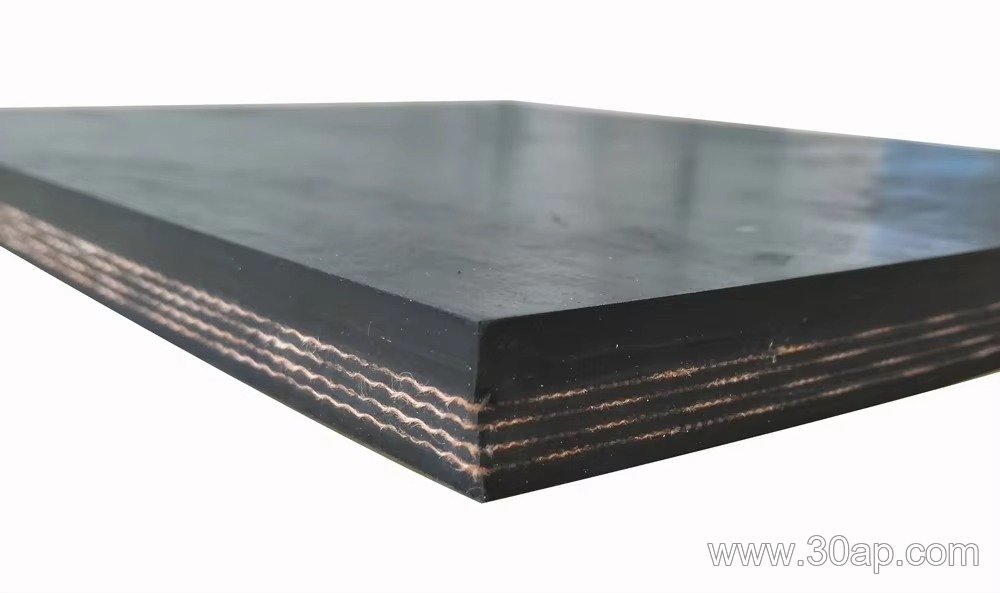
A belt can be oil resistant on the top cover only, or on both covers. If oil is present underneath the belt as well, for example from a leaking conveyor pulley or idler roller, both covers should be specified as oil resistant.
Where It Fits in a Conveying System
Oil resistant belts are used in grain handling, food processing, recycling, scrap handling, wood products, and any plant where oily parts, seeds, or residues are part of the load. They also appear in machine shops and foundries where metal chips carry cutting oil.
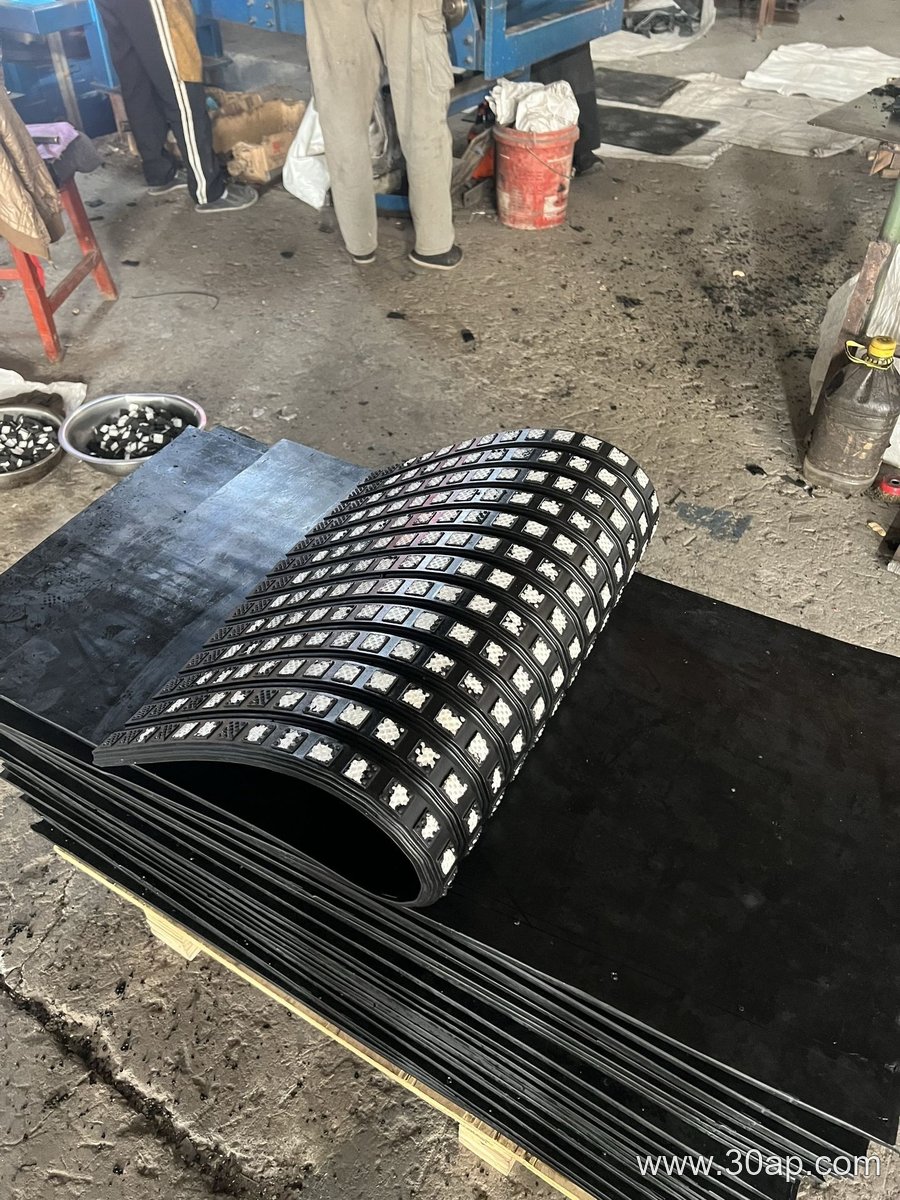
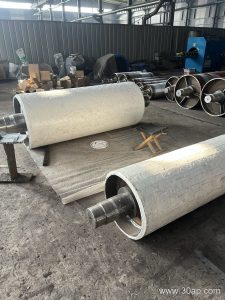
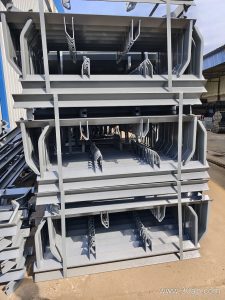
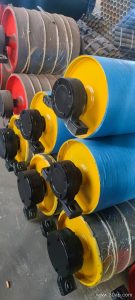
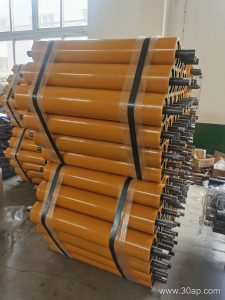
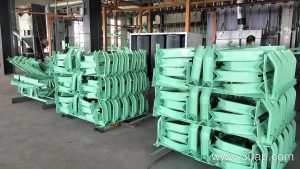
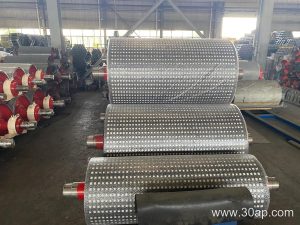
In these systems, the belt runs over a drive pulley, a tail pulley, and bend pulleys that route the belt through the frame. Each pulley has its own job, and they are not interchangeable. The belt is supported on the carrying side by idler rollers, which turn with the belt and reduce friction. Conveyor brackets hold the idlers and pulleys in position, and their alignment matters as much as the belt itself. A misaligned bracket or a seized idler roller can damage even a high-quality oil resistant belt.
Choosing the Right Belt
Selection starts with the material being carried. A belt that handles vegetable oil may not perform the same way with a petroleum-based solvent, so the actual oil type should be identified. Temperature also matters, because heat can accelerate the effect of oil on rubber.
Next, match the belt strength and width to the conveyor design. Common widths include B500, B650, B800, B1000, and B1200, but the correct width is determined by the tonnage, the material size, and the troughing angle. A wider belt does not automatically mean a stronger one.
Cover thickness should reflect the abrasion level as well as the oil exposure. A thick cover costs more and adds weight, but it may last longer in a harsh duty. When oil and sharp material appear together, an abrasion-resistant cover with oil resistance is often a better choice than a plain oil resistant cover.
Maintenance Notes
- Clean oil spills from the belt surface when possible; even a resistant cover has limits.
- Check the idler rollers and conveyor pulley surfaces for oil leaks that keep attacking the belt.
- Keep the belt tracking straight, since edge damage opens paths for oil to reach the carcass.
- Inspect splices and edges, where oil often starts to lift the cover.
An oil resistant conveyor belt is not a universal belt. It is a targeted solution for oily loads, and it works best when the cover compound, carcass strength, and conveyor hardware are chosen together.