What a Conveyor Idler Bracket Does
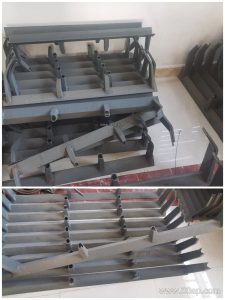
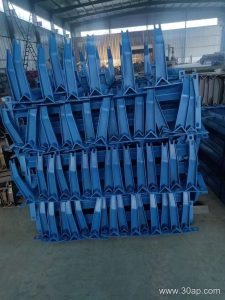
A conveyor idler bracket is the structural support that holds idler rollers at the correct position and angle beneath and above the conveyor belt. Often called a conveyor roller bracket or idler frame, it is a small component with a large effect on belt tracking, load distribution, and the service life of the whole conveyor line. In a quarry, a cement plant, or a power plant coal yard, the brackets carry the weight of the belt and the material while keeping every idler roller aligned to the same profile.
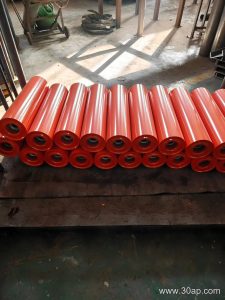
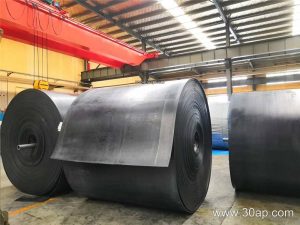
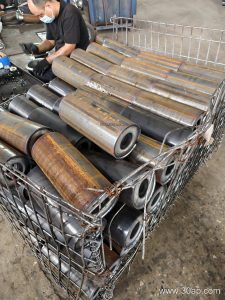
The bracket works together with the conveyor belt, the idler roller, and the conveyor pulley. Drive pulleys, tail pulleys, and bend pulleys each have their own mounting arrangements, so they are not interchangeable with idler brackets. The bracket belongs specifically to the carrying and return sections of the conveyor.
Construction and Common Forms
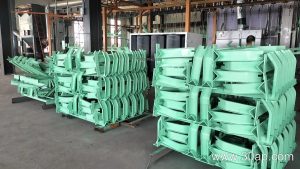
Most brackets are fabricated from angle steel, channel steel, or folded steel plate. The frame is welded or bolted, then drilled with mounting slots for the idler shaft. Common configurations include troughing brackets on the carrying side, transition brackets near pulleys, flat return brackets, V-return brackets, impact brackets under loading points, and self-aligning brackets for belt tracking. Adjustable brackets allow the trough angle to be set on site.
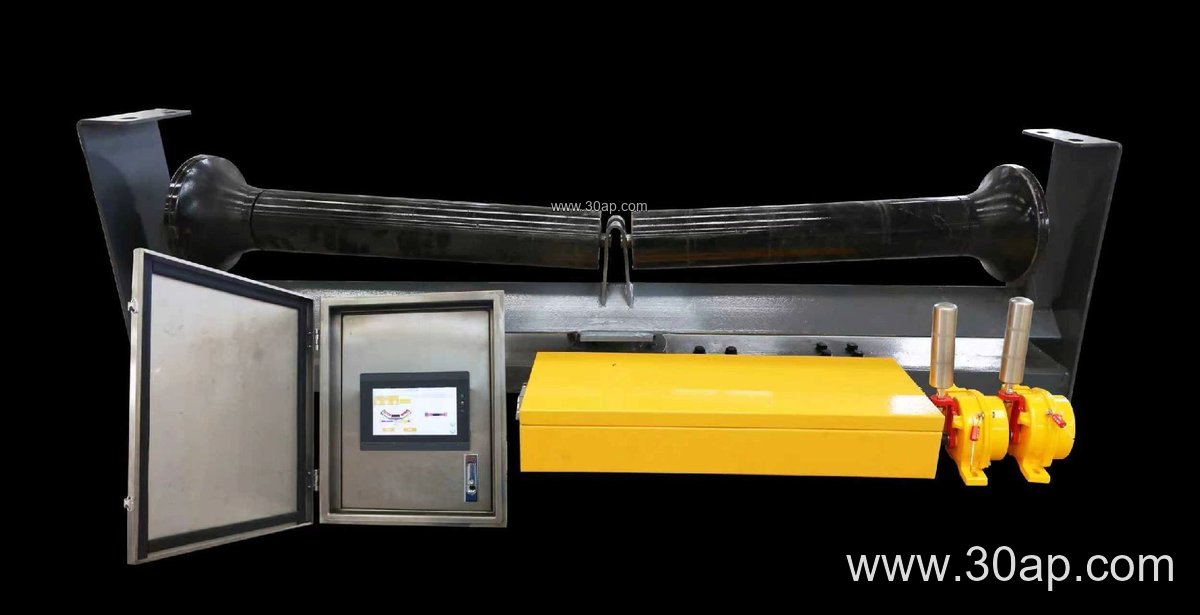
| Item | Typical Range |
|---|---|
| Belt width | B500, B650, B800, B1000, B1200, B1400, B1600, B1800, B2000 |
| Trough angle | 20°, 30°, 35°, 45° (adjustable types cover several angles) |
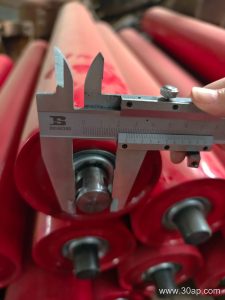
| Idler diameter | Ø89, Ø108, Ø133, Ø159, Ø194 |
| Material | Angle steel, channel steel, folded steel plate |
Mounting hole spacing and crossbeam length vary with belt width and trough angle, so they are determined by design rather than fixed values. A forward-tilted bracket is usually set at about 1.5° to 2° to help center the belt.
Where Brackets Are Used
In a stone crushing and screening line, troughing brackets support the belt under coarse aggregate, while impact brackets sit below the crusher discharge. In a coal washing plant or a power plant coal handling system, flame retardant conveyor belts and anti-static belts run on brackets that must resist vibration and dust. Port bulk terminals and steel plant sinter lines use heavy-duty brackets with larger idler rollers for high tonnage.
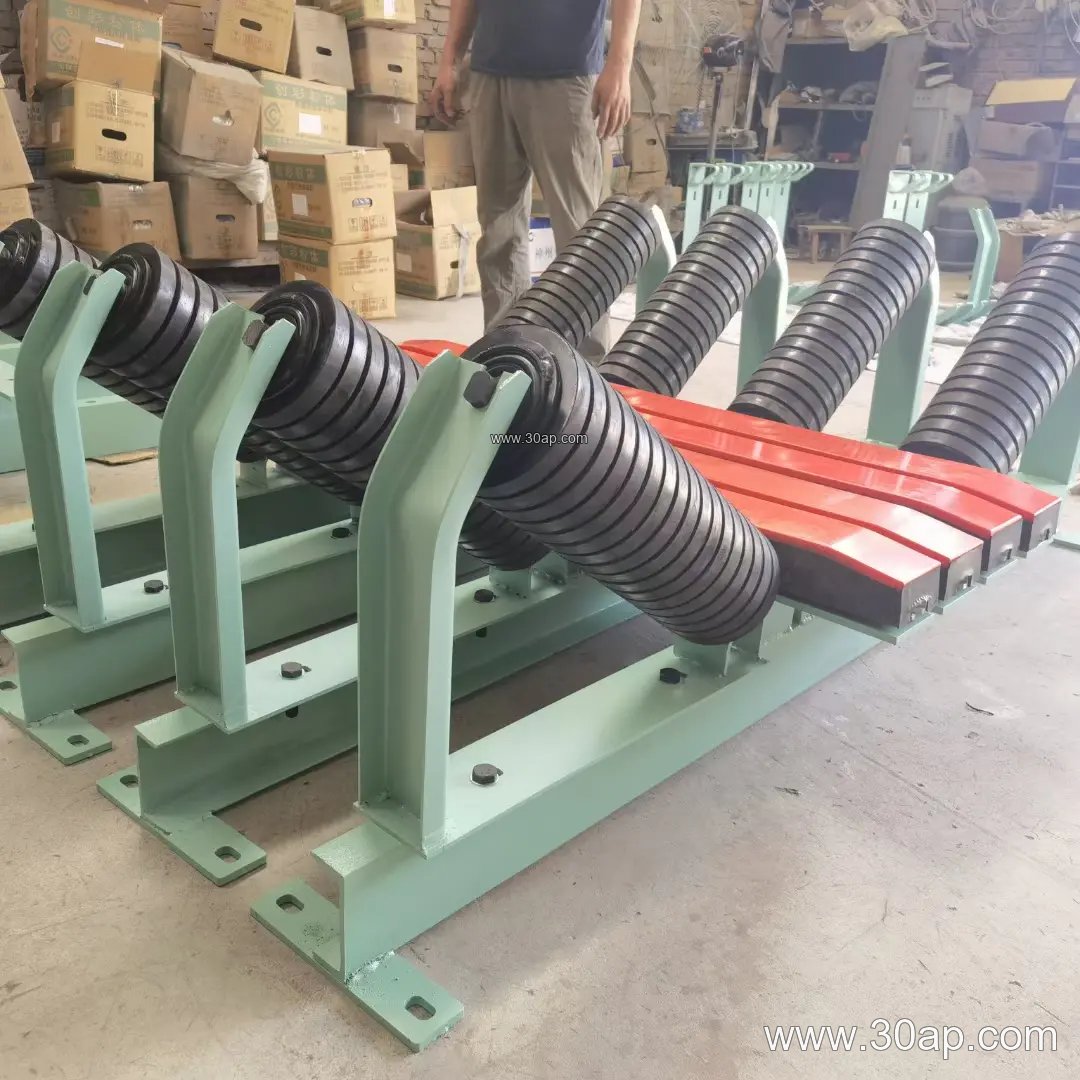
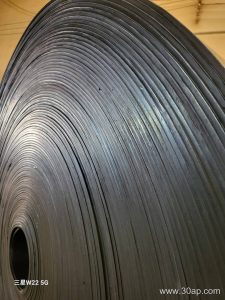
Bracket choice also depends on the belt. A steel cord conveyor belt or a high strength EP conveyor belt carrying iron ore needs a rigid frame and correct roller spacing, while a chevron conveyor belt or corrugated sidewall belt may need modified bracket positions to clear the cleats. Abrasion resistant conveyor belts in gold mining or copper ore duty benefit from stable brackets that prevent roller misalignment and edge wear.
Selecting the Right Bracket
Buyers should match the bracket to belt width, trough angle, and idler diameter as a set. For example, B800 with a 35° trough and Ø108 idlers is a common combination, and B1200 with 45° and Ø133 appears in higher-capacity lines, but no single belt width is limited to one angle or one roller size. Confirm the shaft diameter, hole spacing, and frame height with the conveyor designer before ordering.
- Check that the bracket material suits the environment, such as dusty coal yards or wet washing plants.
- Use adjustable brackets where the trough angle may need fine tuning after installation.
- Consider self-aligning brackets on long conveyors where belt drift is a concern.
- Verify compatibility with the idler roller series and the belt type in use.
Regular inspection of brackets for loose bolts, bent frames, and worn mounting slots keeps the belt running true and protects both the idler rollers and the conveyor belt from premature damage.