What Is an Endless Conveyor Belt
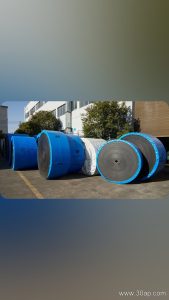
An endless conveyor belt is a belt that has been joined into a continuous loop at the factory, so the finished belt has no mechanical fastener at the seam. Instead of being connected on site with metal hooks or plates, the belt is vulcanized or otherwise spliced into a permanent closed circuit before delivery. This construction is also called a seamless conveyor belt or a pre-spliced belt. It is still a fabric or steel reinforced rubber belt; the word endless describes the joint, not a different material family. In a coal mining conveyor line, a cement plant transfer point, or a quarry stockpile feed, the endless design removes a common weak point and keeps the belt running smoothly over the drive pulley, tail pulley, and bend pulleys.
Buyers often meet this product when a conveyor is difficult to re-splice in place, when the belt is relatively short, or when a continuous surface is needed for fine or wet material. The belt remains a conveyor belt in the full sense, and it can be supplied in rubber, EP, NN, or steel cord constructions depending on the duty.
How the Loop Is Built
Production starts with a length of belt that matches the measured center distance and pulley diameters of the conveyor. The two ends are prepared by stepping the fabric plies or by arranging the steel cords, then the joint is pressed and cured. For fabric belts, the splice usually follows the ply count and the cover thickness; for steel cord belts, the cord spacing and joint length are controlled carefully. The result is a closed loop with a joint that is intended to be as strong and as flat as the rest of the belt.
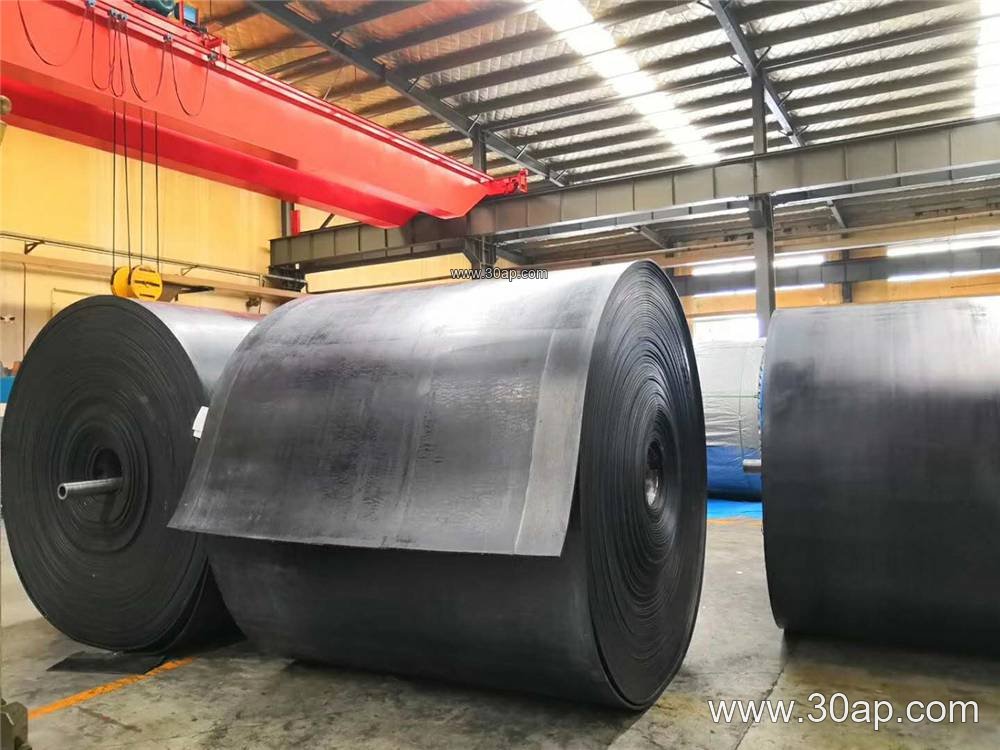
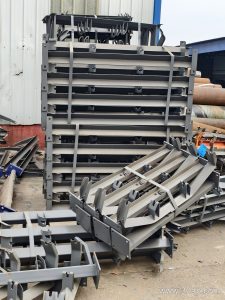
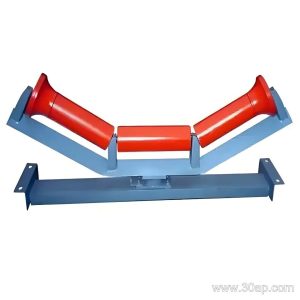
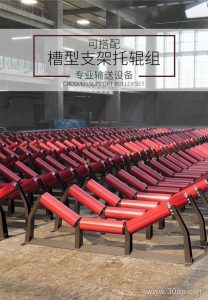
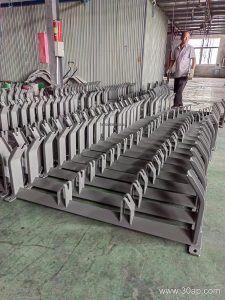
Because the loop cannot be opened for installation, the conveyor frame must allow the belt to be threaded over the pulleys. Idler roller frames, conveyor brackets, and take-up sections are usually assembled or left open for this step. The belt also has a fixed length, so the take-up travel and the pulley positions must be confirmed before the order is released.
Common Constructions and Parameters
The endless form is available across the usual belt families. A buyer may specify an EP conveyor belt, an NN conveyor belt, a multi-ply fabric core belt, or a steel cord belt, and the joint is made to suit that construction. Cover grade can be selected for the environment, for example abrasion resistant, heat resistant, flame retardant, oil resistant, or cold resistant. The table below shows common reference values; actual values are set by design and by the manufacturer.
| Item | Common Reference |
|---|---|
| Belt type | EP, NN, steel cord, PVC, PVG |
| Strength grade | EP200 to EP2000; ST1000 to ST3150 |
| Belt width | B500, B650, B800, B1000, B1200, B1400, B1600, B1800, B2000 |
| Cover thickness | 3+1.5, 4+2, 5+2, 6+2, 8+3 mm |
| Fabric plies | Usually 2 to 6 layers |
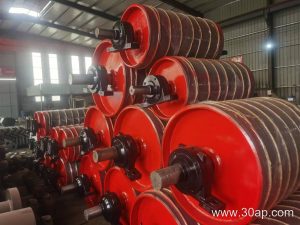
These figures are reference data, not a fixed match between one belt width and one pulley diameter. The drive pulley, tail pulley, and bend pulleys are sized from the belt tension, the load, and the conveyor geometry, not from belt width alone. A 1200mm wide belt, for instance, may run on different pulley diameters in different installations.
Where It Fits in the Plant
Endless belts are common on short and medium conveyors where a permanent joint pays off. In a sand and gravel plant, a seamless belt can serve a crusher discharge or a screen feed. In a power plant coal yard, a flame retardant endless belt may be chosen for a transfer conveyor. In a cement plant, a heat resistant endless belt can handle clinker or hot raw material where the joint must stay tight. Underground coal mining conveyors and port ship loading lines also use pre-spliced belts when the layout allows the loop to be installed over the pulleys.
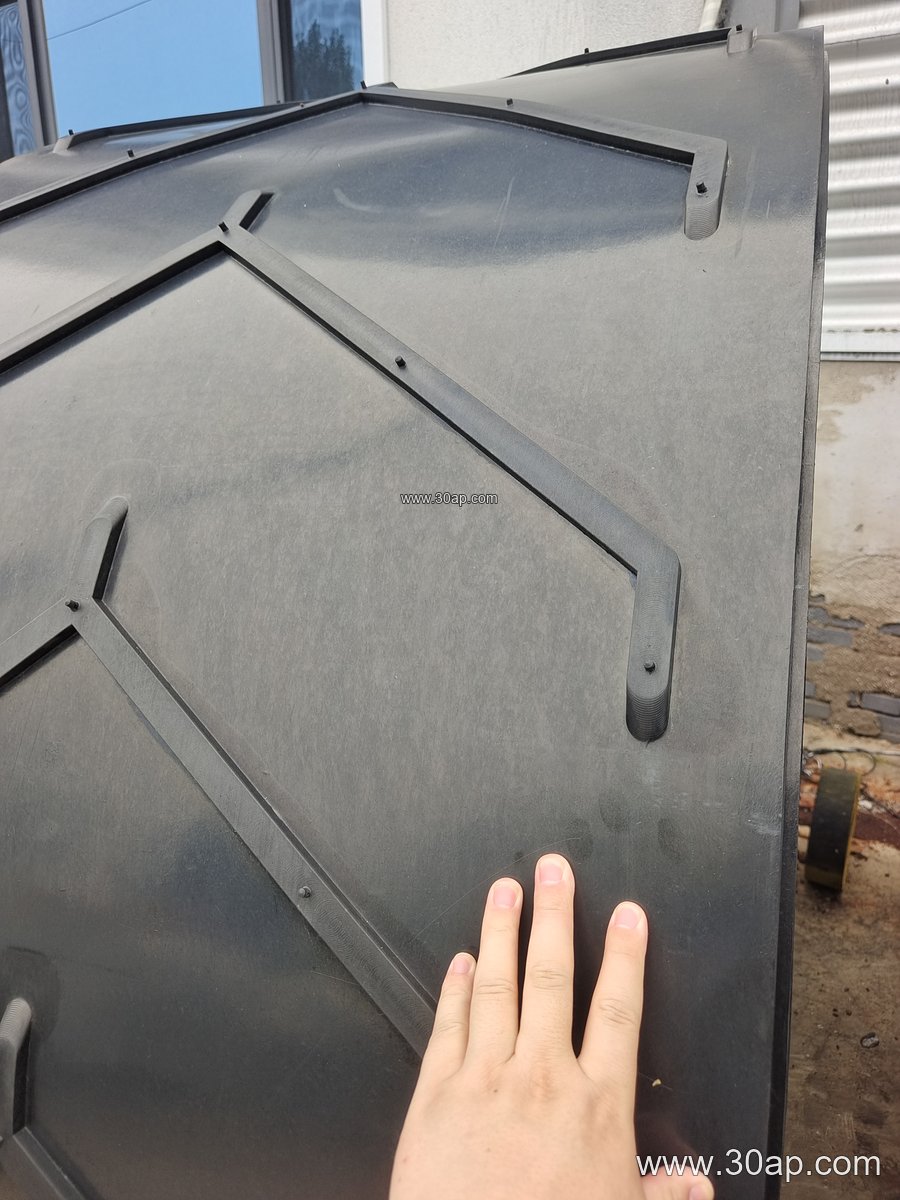
The endless design is not limited to flat belts. A chevron conveyor belt, a corrugated sidewall belt, or a skirted belt can also be supplied as a closed loop, provided the cleats or sidewalls are arranged so the belt can pass the pulleys. A pipe conveyor belt is a more specialized case, and the loop must be built to the pipe forming geometry.
Selection and Maintenance Notes
- Confirm the exact center distance and pulley diameters before ordering, because the loop length is fixed.
- Check that the conveyor frame, idler rollers, and conveyor brackets allow the belt to be threaded into place.
- Match the cover grade to the duty: abrasion resistant for ore and rock, heat resistant for hot material, flame retardant for coal, oil resistant for oily loads.
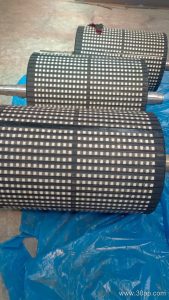
- Keep the drive pulley lagging and the tail pulley clean, and check belt tracking after installation.
- Inspect the splice area during routine walks, since the factory joint is still a joint and should be watched for edge separation.
For an endless conveyor belt, the main value is a closed loop that avoids a field splice and keeps a steady surface for bulk material. When the conveyor layout and the belt specification are confirmed together, the belt can run for a long time with normal attention to pulleys, idlers, and alignment.