What a Conveyor Support Bracket Does in a Belt Conveyor System
A conveyor support bracket is the structural interface between the conveyor frame and the rollers that carry or return the belt. It holds the idler roller in the correct position, sets the trough angle on the carrying side, and keeps the belt path stable under load. In a quarry, a cement plant, or a power plant coal yard, these brackets are the parts that keep every roller aligned so the belt tracks smoothly along the whole line.
Although the bracket itself is a simple steel component, its geometry matters. A bracket set at the wrong height or angle can cause belt wander, edge damage, and uneven wear on the belt cover. That is why buyers usually match the bracket to the conveyor belt width, the roller diameter, and the load profile of the material being moved.
How the Bracket Is Built and Where It Sits
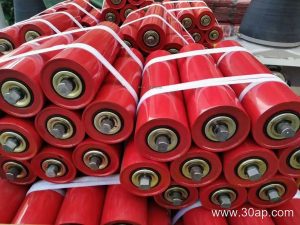
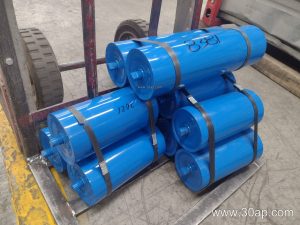
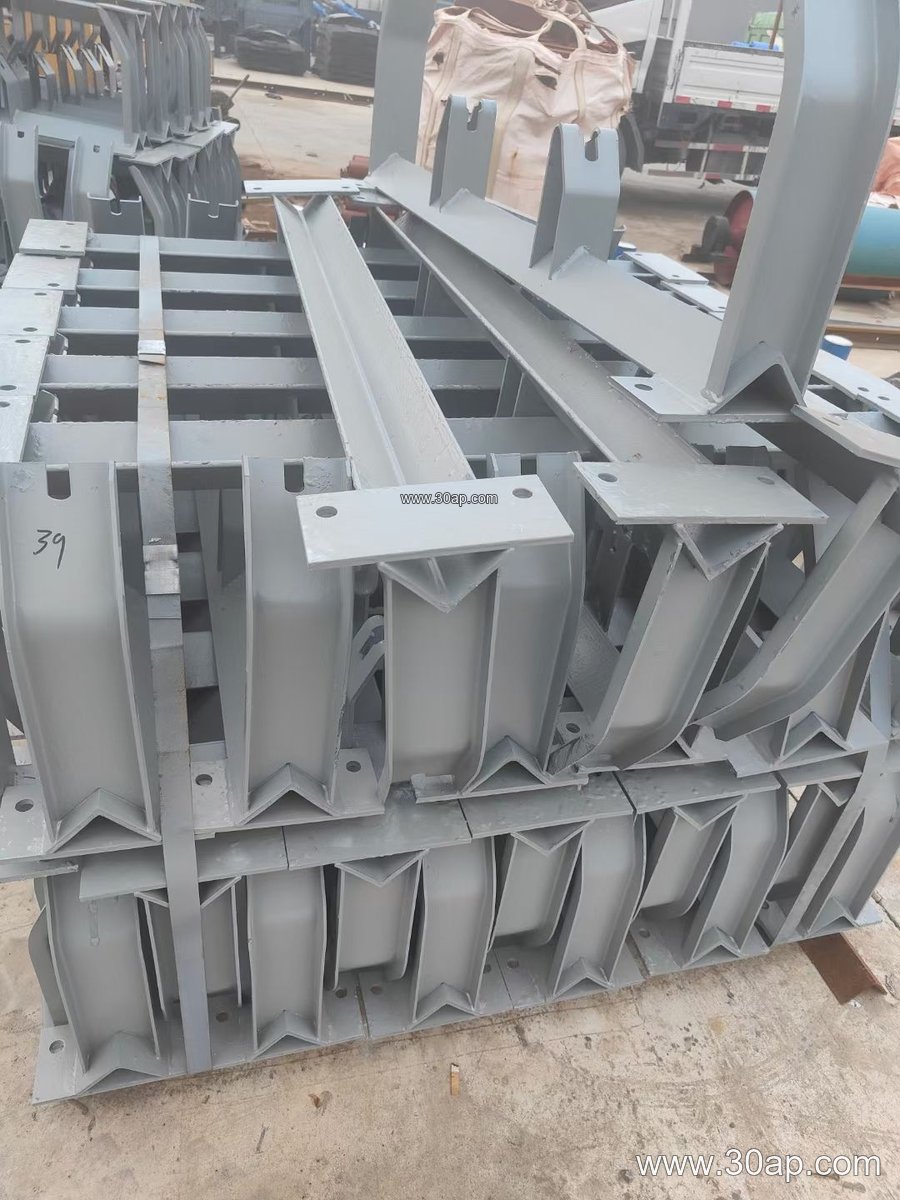
Most brackets are fabricated from angle steel, channel steel, or folded steel plate, then drilled or punched for mounting. The bracket may be a single-piece frame or a set of left and right arms that clamp the roller shaft ends. On the carrying side, the bracket usually carries three rollers to form a trough; on the return side, a simpler flat or V-shaped bracket supports the return rollers.
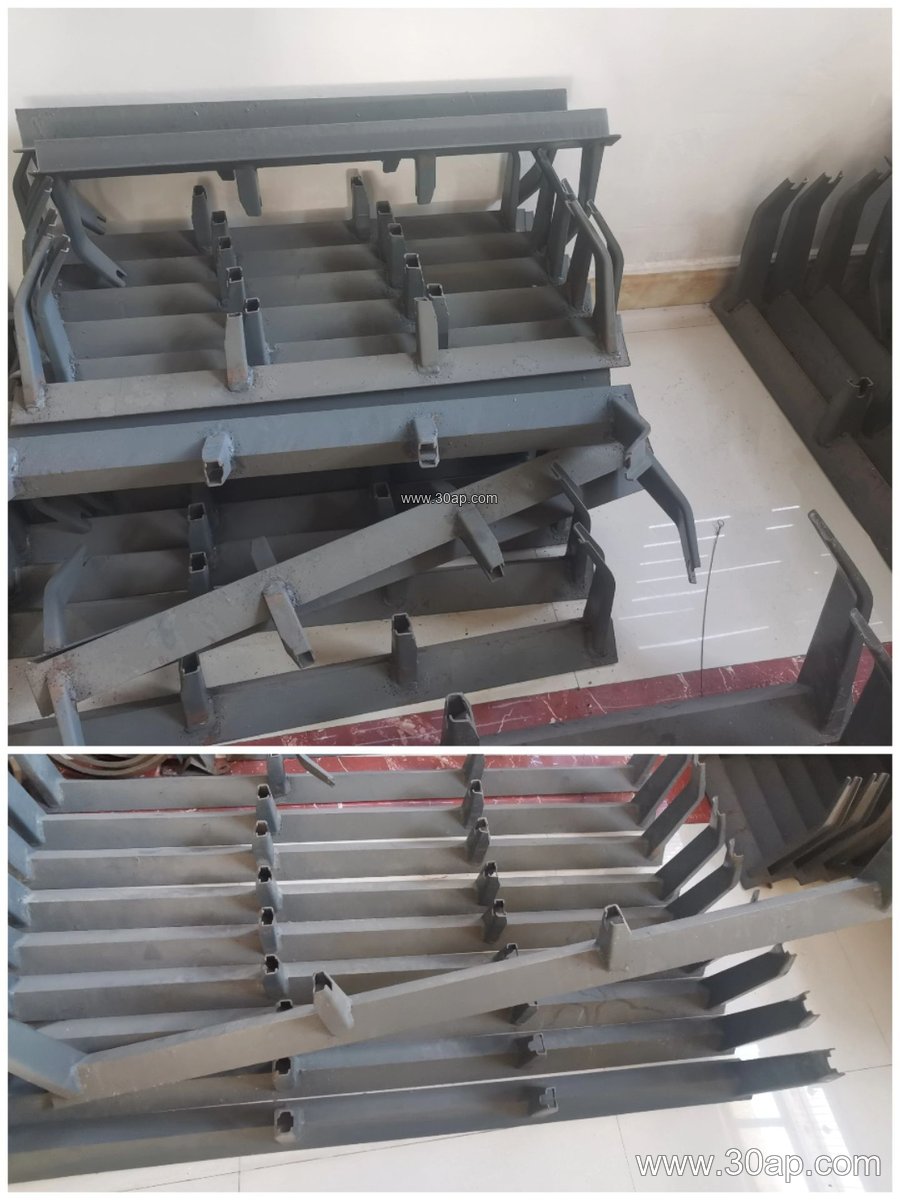
Installation positions vary with the conveyor section. Trough brackets sit on the top run, transition brackets sit near the pulleys where the belt changes from flat to troughed, and impact brackets sit under the loading point to absorb the drop energy of lump material. An adjustable bracket allows the trough angle to be changed on site, which is useful during commissioning or when a belt line is repurposed.
Common Bracket Types and Reference Dimensions
The table below shows typical configurations used with standard belt widths. These values are reference data for selection, not fixed supply commitments, and the hole spacing and crossbeam length are usually determined by the belt width and trough angle together.
| Bracket Type | Typical Belt Width | Common Trough Angle | Roller Diameter Range |
|---|---|---|---|
| Trough bracket (carrying) | B500 to B2200 | 20°, 30°, 35°, 45° | Ø89 to Ø194 |
| Transition bracket | B650 to B2000 | 20° to 35° | Ø89 to Ø159 |
| Return bracket (flat or V) | B500 to B2200 | Flat or V-return | Ø89 to Ø159 |
| Impact bracket | B650 to B1800 | 30° to 45° | Ø108 to Ø194 |
| Adjustable bracket | B500 to B1600 | 20° to 45° (adjustable) | Ø89 to Ø133 |
For example, a B800 line with a 35° trough and Ø108 rollers is a common combination in aggregate plants, while a B1200 conveyor moving abrasive ore may use a 45° trough with Ø133 or Ø159 rollers. A forward-leaning bracket, usually about 1.5° to 2°, is sometimes used to help center the belt. None of these pairings is mandatory; the final choice should follow the conveyor design and the actual material load.
Where These Brackets Are Used
In a limestone quarry or a crushing and screening line, trough and impact brackets work together under the crusher discharge, where the conveyor belt receives sharp, heavy lumps. In a cement plant, brackets support rollers along clinker and raw material lines, and the bracket alignment directly affects how well a heat resistant conveyor belt or an abrasion resistant belt wears. In a coal preparation plant or a power plant coal yard, flame retardant belts are common, and the brackets must be spaced so the belt does not sag between rollers.
Other users include iron ore and copper ore handling, port ship loading, steel plant sintering lines, and tunnel muck removal. In each case the bracket works with the conveyor pulley at the drive and tail ends and with the idler roller along the run, so the whole system stays on track.
Selection and Maintenance Points for Buyers
- Confirm the belt width, trough angle, and roller diameter before ordering, because the mounting hole spacing and crossbeam length change with these dimensions.
- Check the bracket material and finish against the site conditions; dusty, wet, or corrosive areas may call for a heavier section or a protective coating.
- Decide between fixed and adjustable brackets based on whether the trough angle may need tuning on site.
- Keep spare brackets for impact and transition positions, since these areas see the most stress.
- During maintenance, look for bent arms, worn mounting holes, and loose bolts; a misaligned bracket often shows up as uneven belt edge wear.
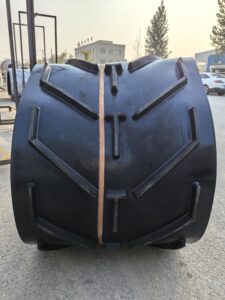
Whether the line carries a fabric core belt, a steel cord belt, or a chevron belt, the conveyor support bracket is a small but decisive part of keeping the belt centered and the rollers turning. Buyers who match bracket type, width, angle, and roller size to the actual conveyor design get longer belt life and fewer tracking problems.