What a Belt Conveyor Return Idler Does
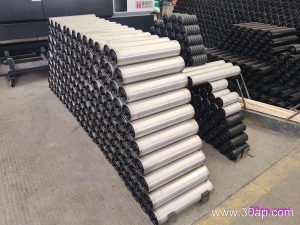
A belt conveyor return idler carries the empty side of the conveyor belt on its way back to the tail end. After the belt has dropped its load, it still needs steady support so it does not sag, rub against the frame, or wander off track. This bottom run is often called the return strand, and the rollers under it are usually known as lower rollers or return rollers. The return idler is not a drive component; it simply rotates with the belt and keeps the return path clean and stable.
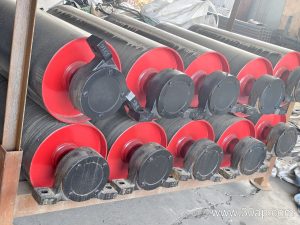
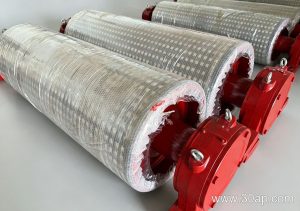
People sometimes confuse this part with a conveyor pulley. A drive pulley, tail pulley, and bend pulley all transmit motion or change belt direction at the ends or corners of a conveyor. A return idler is a free-turning roller mounted along the carrying path. The two families work together, but they are not interchangeable.
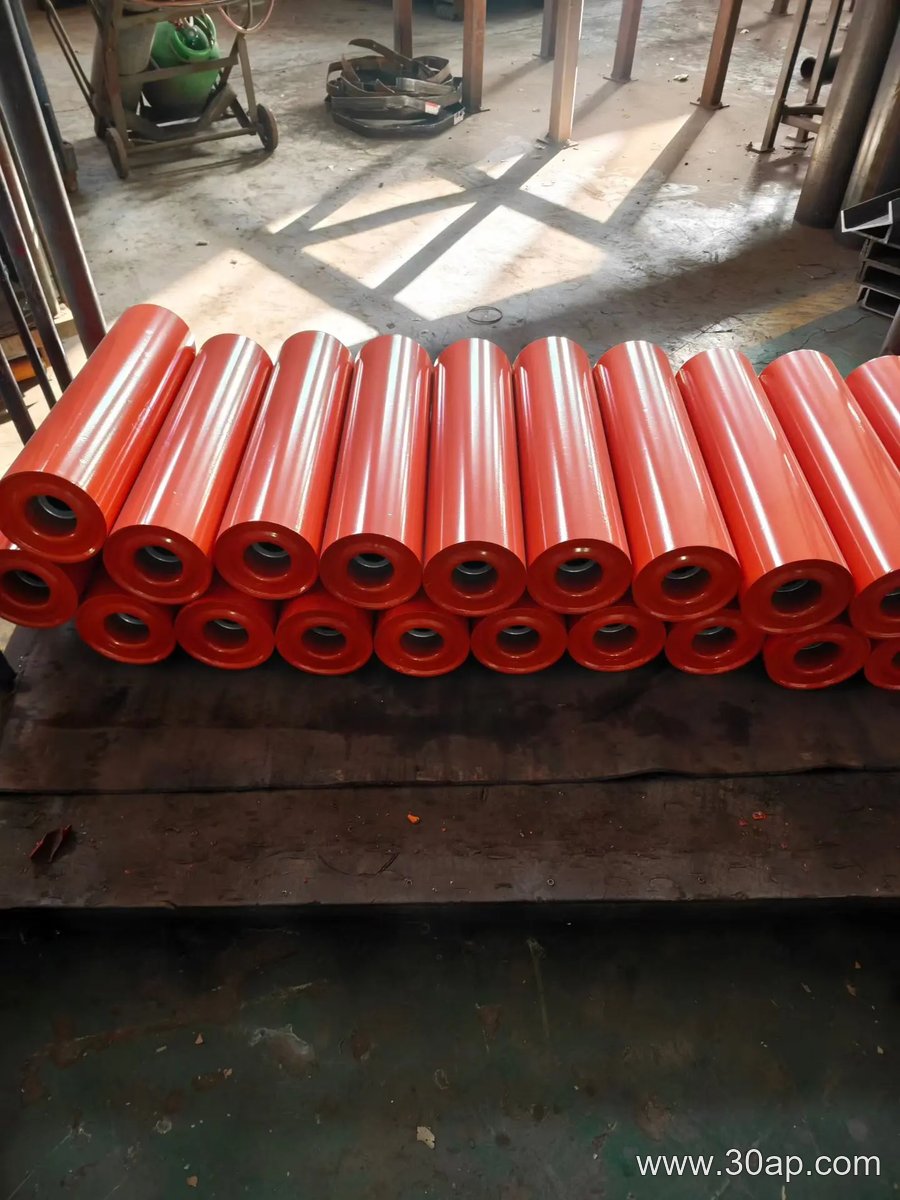
How the Roller Is Built
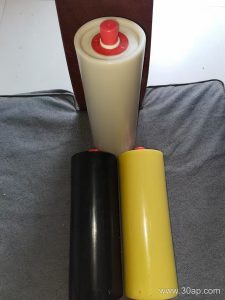
A typical return idler uses a steel tube shell, a shaft, bearing housings, and seals. The shell may be a plain steel pipe, or it can have a nylon, ceramic, or rubber surface depending on the material being carried and the environment. Bearings such as 6204, 6205, 6305, 6306, 6308, or 6310 are common in different roller sizes, but the bearing number is chosen by load, speed, and shaft design rather than by belt width alone.
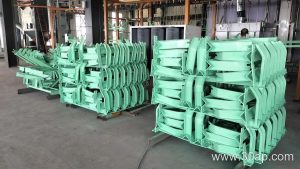
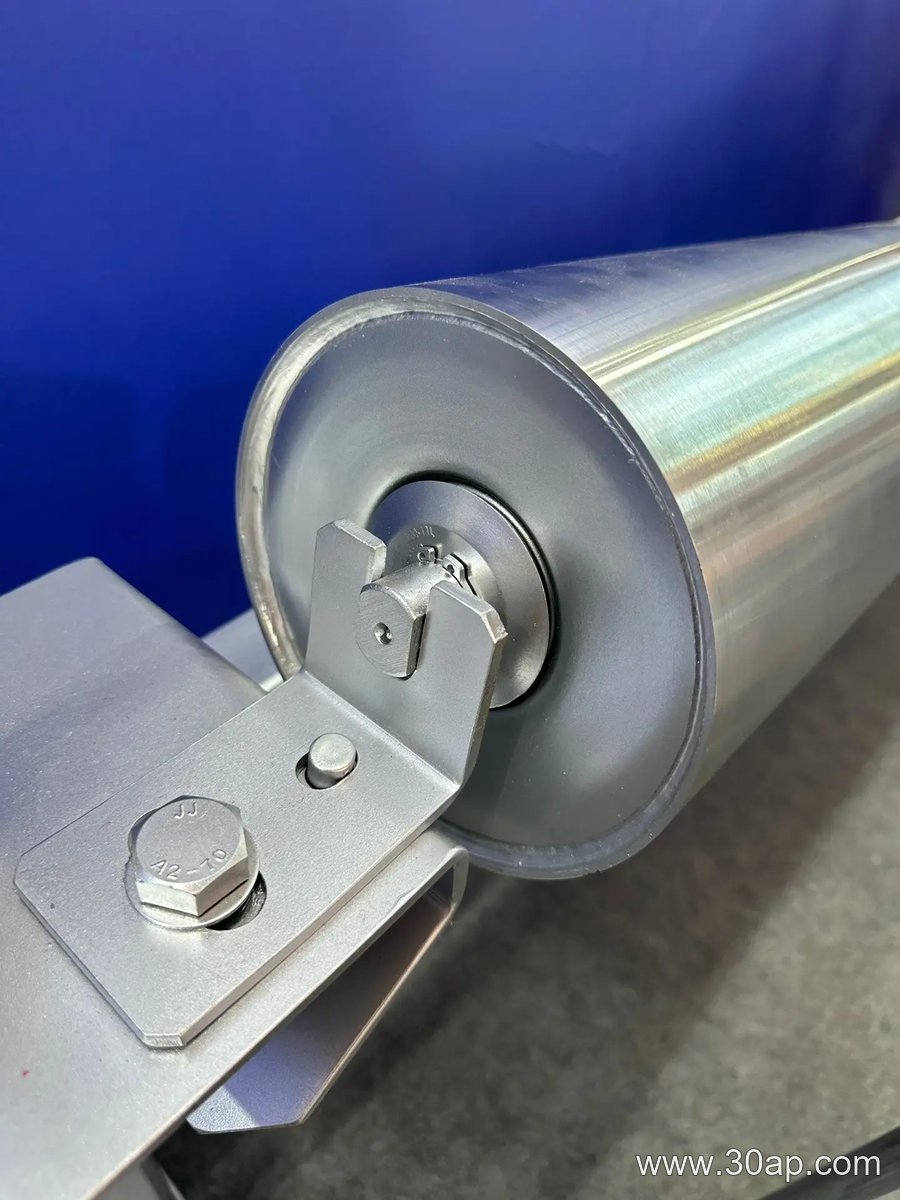
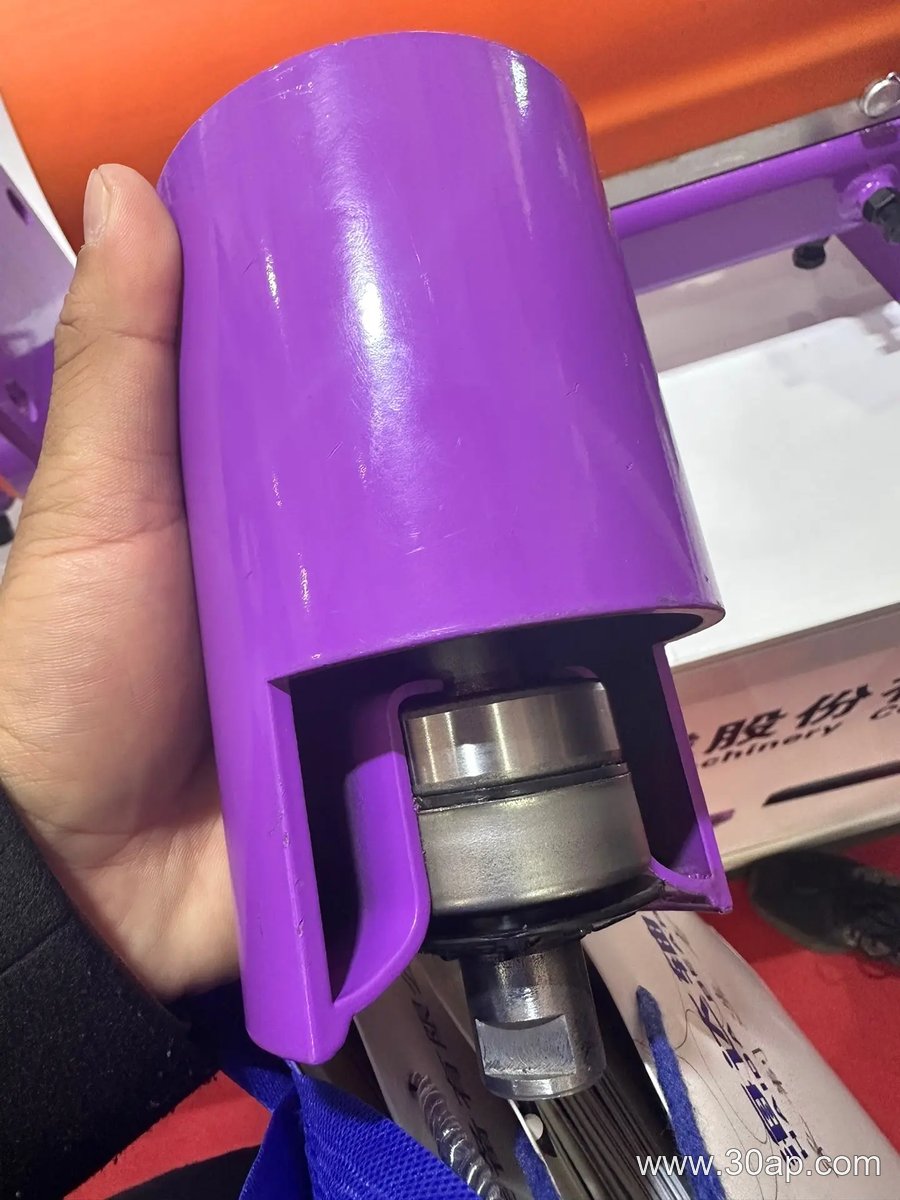
The shaft runs through the roller and is held by a conveyor bracket fixed to the conveyor frame. Seals and labyrinth covers protect the bearing from dust and fine particles. In abrasive service, a good seal often matters more than a thick shell, because grit entering the bearing will stop the roller long before the tube wears out.
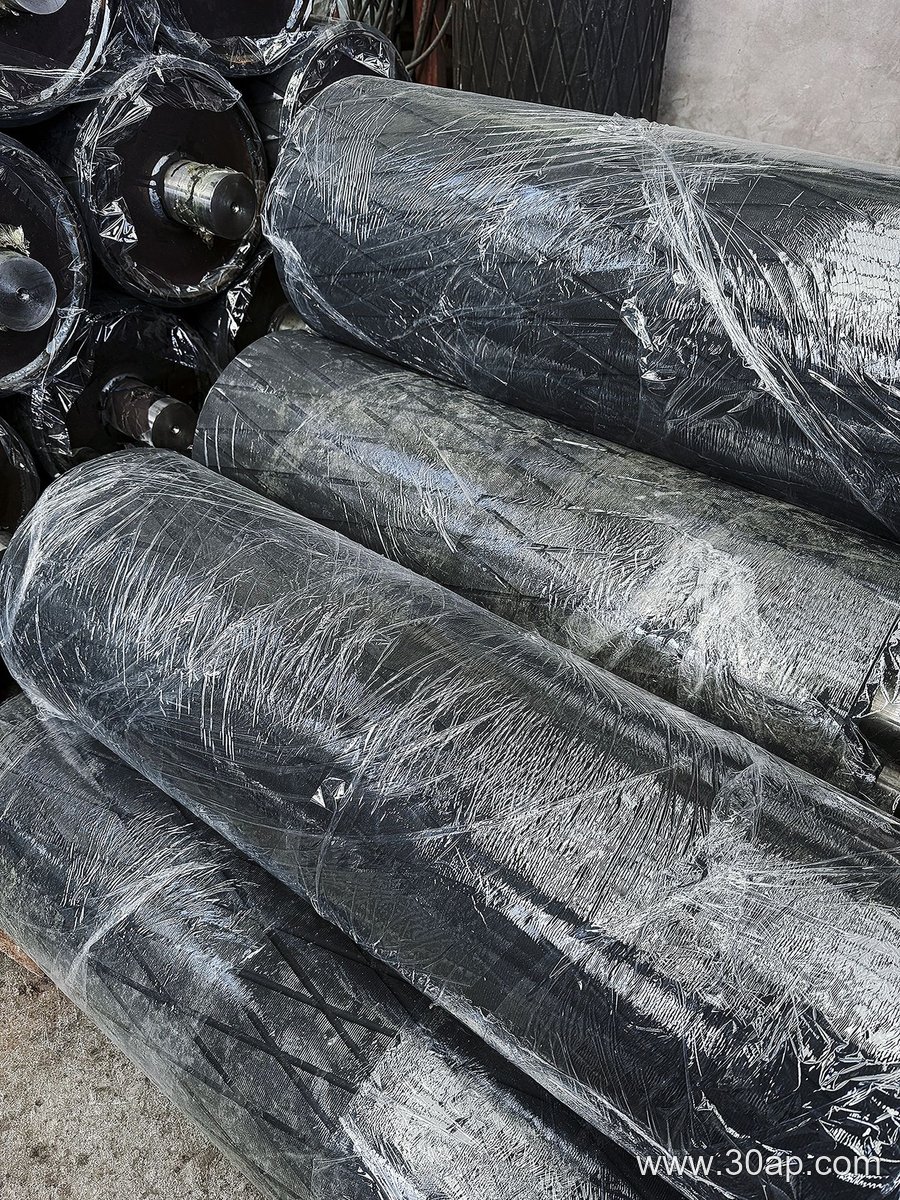
Common Forms on the Return Side
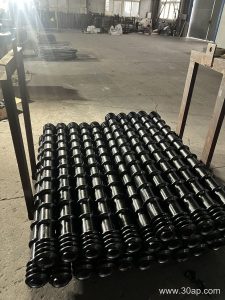
The simplest form is a single flat roller, often called a flat return idler. It suits belts that track well and carry light to moderate loads. A V-shaped return idler uses two rollers set at an angle to form a shallow V, which helps center the belt and shed sticky material. Spiral or helical rollers have a raised spiral pattern that breaks up lumps and reduces buildup. Rubber-disc impact rollers are mainly used on the carrying side below loading points, but the return side can also use rubber-covered rollers where fine dust sticks to the belt.
Self-aligning return rollers, including friction and tapered types, are used where the belt tends to drift. They are not a replacement for proper training at the head and tail, but they can help on long or uneven routes. These are different from the main subject, the belt conveyor return idler, and should be selected only when belt tracking is a real problem.
Where Return Idlers Are Used
Return idlers appear in nearly every belt conveyor section. In a quarry or sand and gravel line, they support the empty belt after the discharge point and before the next load. In a coal handling plant, they may be spaced closer together near the head pulley where the belt is still stiff and may not sit flat. In a crushing and screening plant, return rollers often face dust, small stones, and occasional spillage, so sealing and roller spacing get close attention.
On a long overland conveyor, the number of return idlers is large, and small savings per roller can matter. On a short transfer conveyor, a few flat return rollers are usually enough. The right choice depends on belt width, belt speed, material, and the layout of the structure.
What Buyers Should Check
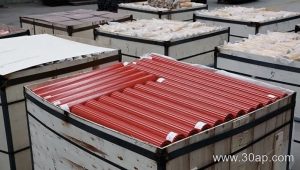
When ordering, a buyer should confirm the roller diameter, the shaft ends, the bracket type, and the roller length. Common roller diameters include 63 mm, 76 mm, 89 mm, 102 mm, 108 mm, 127 mm, 133 mm, 159 mm, 178 mm, 194 mm, and 219 mm. Belt widths from B400 to B2400 are common in bulk handling, but there is no fixed rule that one belt width must use one pulley diameter. Roller length also changes with belt width and idler arrangement; for a three-roll troughing set, a B800 belt might use a roller around 315 mm long, while a B1400 belt might use a roller around 530 mm. These are reference examples, not universal matches, and side rollers or center rollers can differ.
For the return side, the buyer should also ask about the seal type, the bearing clearance, and the expected dust level. A roller that works well in a clean grain facility may fail quickly in a limestone mine. Spacing is another point to agree on: too few return idlers can cause belt sag and edge wear, while too many add cost and drag. The final layout should follow the conveyor designer’s calculation, not a single catalog row.
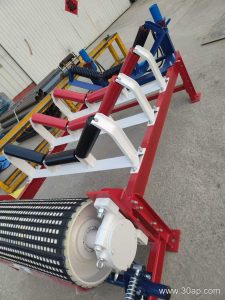
Used together with the conveyor belt, conveyor pulley, and conveyor bracket, the return idler is a small but repeatable part. Choosing it by application, not by habit, keeps the return run turning quietly and the whole conveyor working longer.