What the ST1600 Conveyor Belt Is
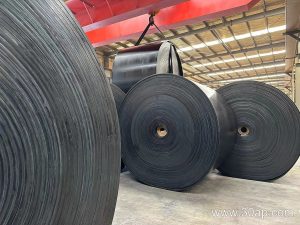
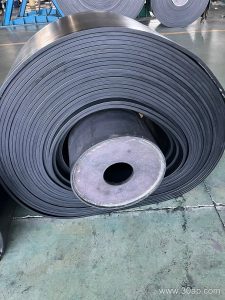
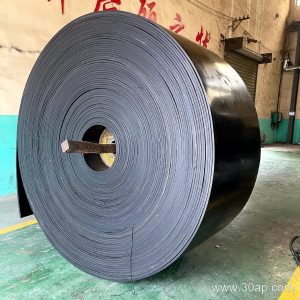
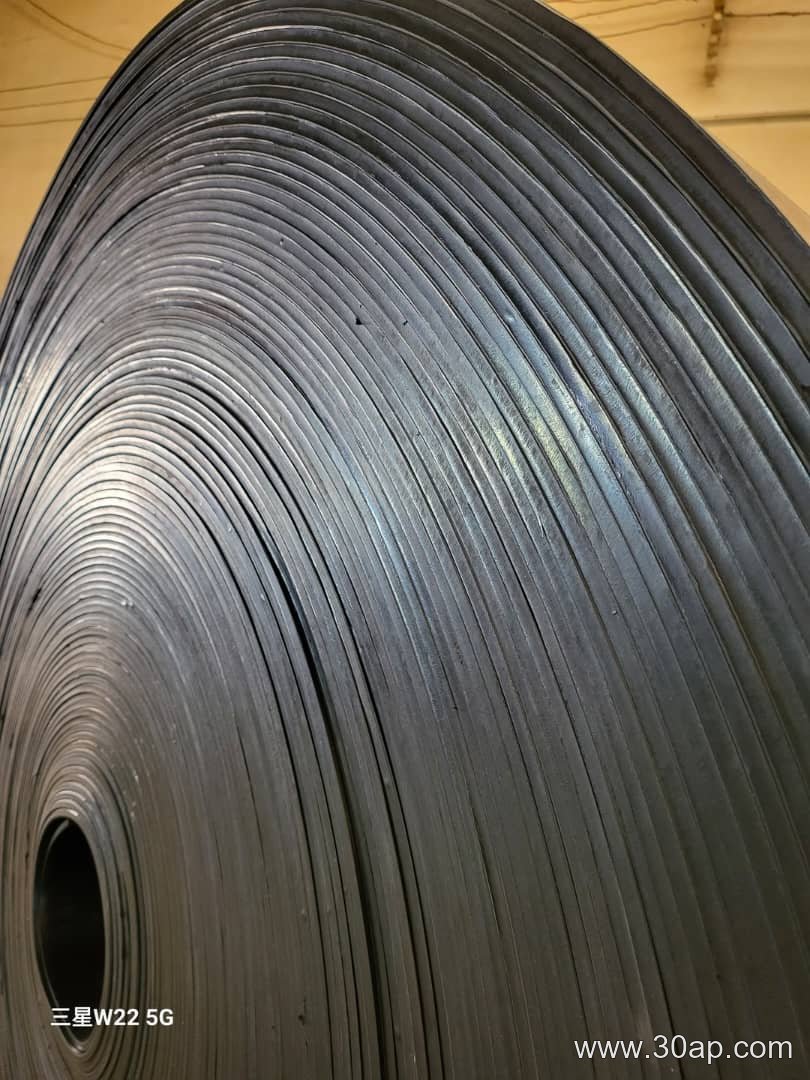
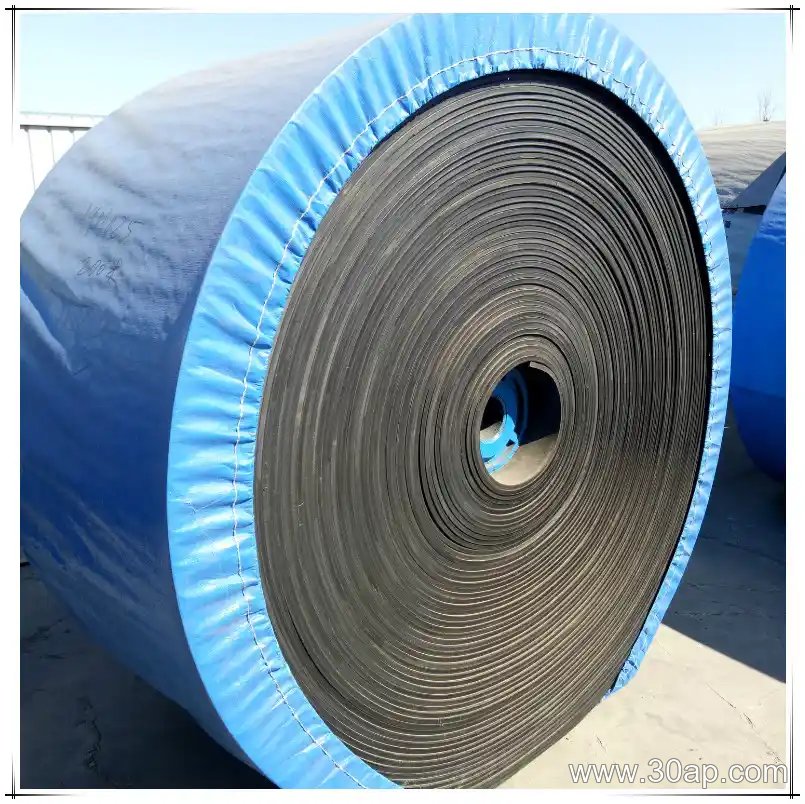
The ST1600 conveyor belt is a steel cord conveyor belt with a nominal tensile strength of 1600 N/mm. In the steel cord family, the “ST” prefix indicates steel cord reinforcement, and the number reflects the belt’s rated breaking strength per unit width. This places the ST1600 in a class of belts built for long hauls, high tension, and demanding bulk material transport where fabric-reinforced belts would need many plies or would simply be too stretchy.
It is an accurate equivalent to call it an ST1600 steel cord belt. That name refers to the same product and keeps the steel cord construction clear.
How an ST1600 Steel Cord Belt Is Built
The core is a single layer of parallel steel cords embedded in rubber. Each cord is made of fine wires twisted into a strand, and the cords run lengthwise at a defined pitch. This arrangement carries the pulling load while allowing the belt to flex over pulleys. Cover compound protects the cords from impact, abrasion, and moisture. A typical build uses a top cover and a bottom cover, with cover thickness selected in millimetres to suit the duty. Common cover grades include wear-resistant, heat-resistant, oil-resistant, and flame-retardant versions. The rubber must bond tightly to the steel cords; weak adhesion is a common cause of belt failure.
Unlike an EP conveyor belt or NN nylon belt, which use woven fabric plies, an ST1600 belt has no fabric carcass. That difference explains its low elongation under load and its ability to run on long, heavily loaded conveyors without excessive take-up travel.
Where It Fits in a Conveyor System
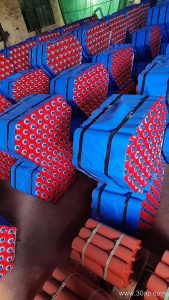
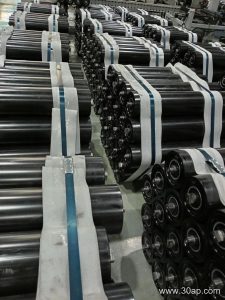
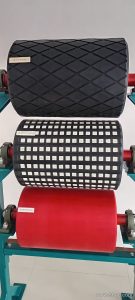
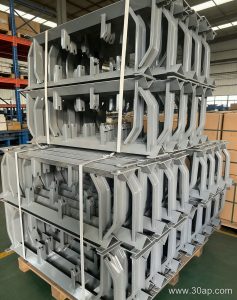
An ST1600 conveyor belt usually runs on a conveyor pulley at the head and tail, with idler rollers supporting the belt along the carrying and return sides. A conveyor bracket holds the idlers and pulleys in alignment. Drive, tail, and bend pulleys each do a different job: the drive pulley transmits power, the tail pulley returns the belt, and a bend pulley changes the belt path. They are not interchangeable names, and each must be sized to the belt’s tension and diameter requirements.
Typical applications include:
- Long overland conveyors in mining and quarrying
- Bulk terminals handling coal, ore, or aggregate
- Heavy-duty plants with high tonnage and steep inclines
- Installations where a fabric belt would stretch too much
An ST1600 belt can also be supplied with a patterned surface, such as a chevron or herringbone profile, when the conveyor angle demands extra grip. That is a surface variation of the same steel cord product, not a different belt type.
Specifications a Buyer Should Confirm
Belt width is one of the first choices. Common widths include B800, B1000, B1200, B1400, and B1600. Width must match the conveyor’s loading conditions and pulley face, but no single width is mandatory for every system. Other key details include:
- Cover thickness, often given as top plus bottom, for example 6+2 mm or 8+3 mm
- Cover grade for abrasion, heat, oil, or fire resistance
- Cord pitch and cord diameter, which affect splice design
- Belt weight per square metre, needed for tension and power calculations
- Minimum pulley diameter recommended for the cord construction
Belt width and pulley diameter are related through tension and cord fatigue, but one width does not lock in one pulley size. A qualified engineer should confirm the match using the actual load, speed, and troughing arrangement.
Selection and Maintenance Notes
Because steel cord belts are spliced by joining cords end to end, the splice is a critical point. The splice length and step pattern must follow the belt manufacturer’s instructions. During operation, check idler rollers for seized bearings, because a locked roller can damage the cover. Inspect the drive pulley lagging for wear, and verify that the belt runs centered. A misaligned belt can rub the conveyor bracket and wear the edge.
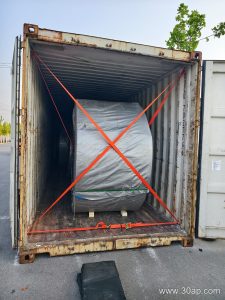
Store an ST1600 conveyor belt in a dry, shaded area on a flat surface or a suitable reel. Avoid sharp bends and excessive heat. When replacing a belt, record the old belt’s cover condition, splice locations, and any recurring damage. That record helps the next selection. For any specific project, request the current datasheet from the belt supplier, since cover grades, cord layouts, and tolerances vary between manufacturers.