What a Conveyor Pulley Assembly Includes
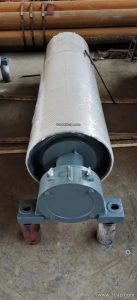
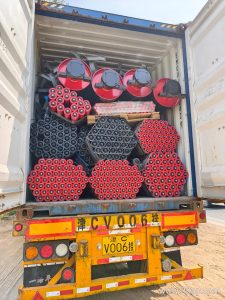
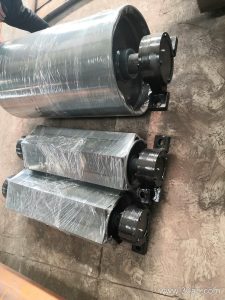
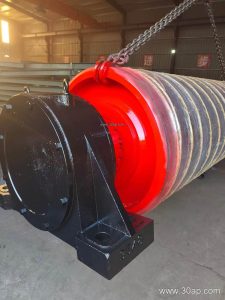
A conveyor pulley assembly is the complete rotating unit that drives or redirects a conveyor belt. It is more than a bare shell: the assembly typically brings together the cylindrical drum, the shaft, bearing housings, locking elements, and often the lagging surface. In a quarry or a cement plant, this assembly is the anchor point that transfers power from the drive to the belt and keeps the belt tracking through head, tail, and bend positions. When buyers ask for a conveyor pulley, they usually mean this full assembly, ready to mount on the conveyor bracket and align with the idler roller frames.
How the Assembly Is Built
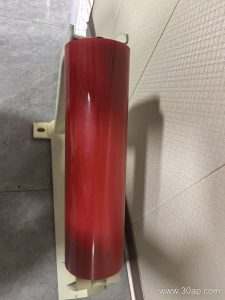
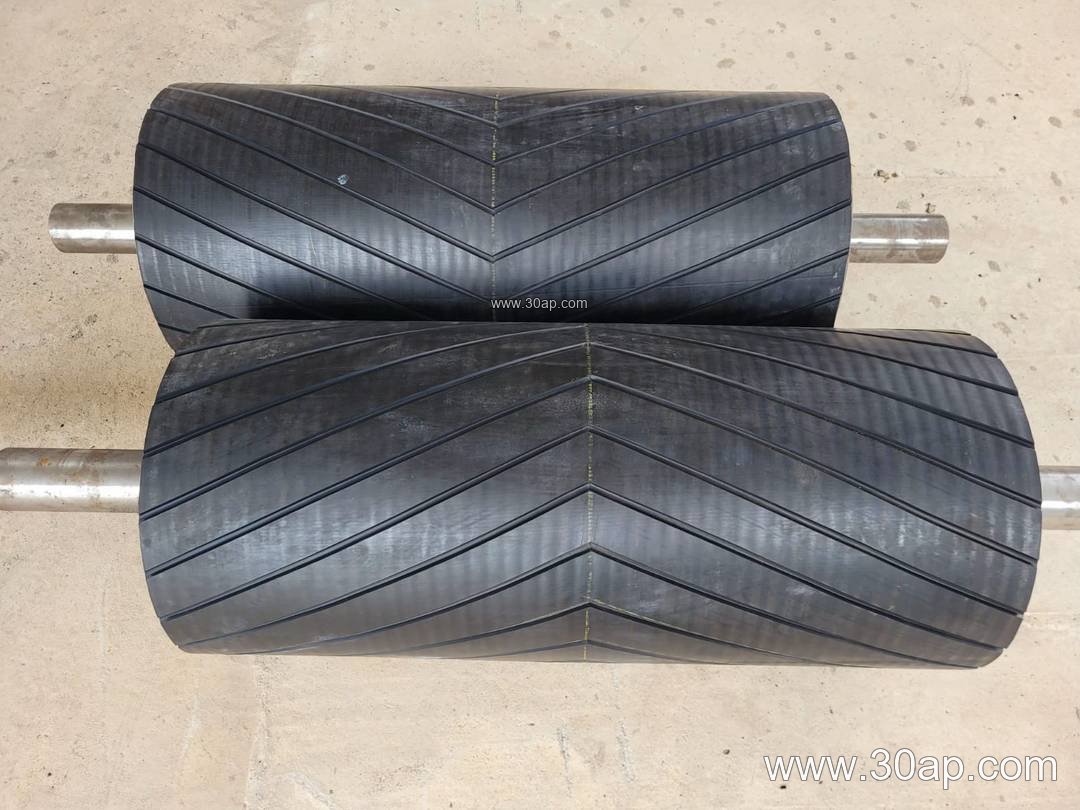
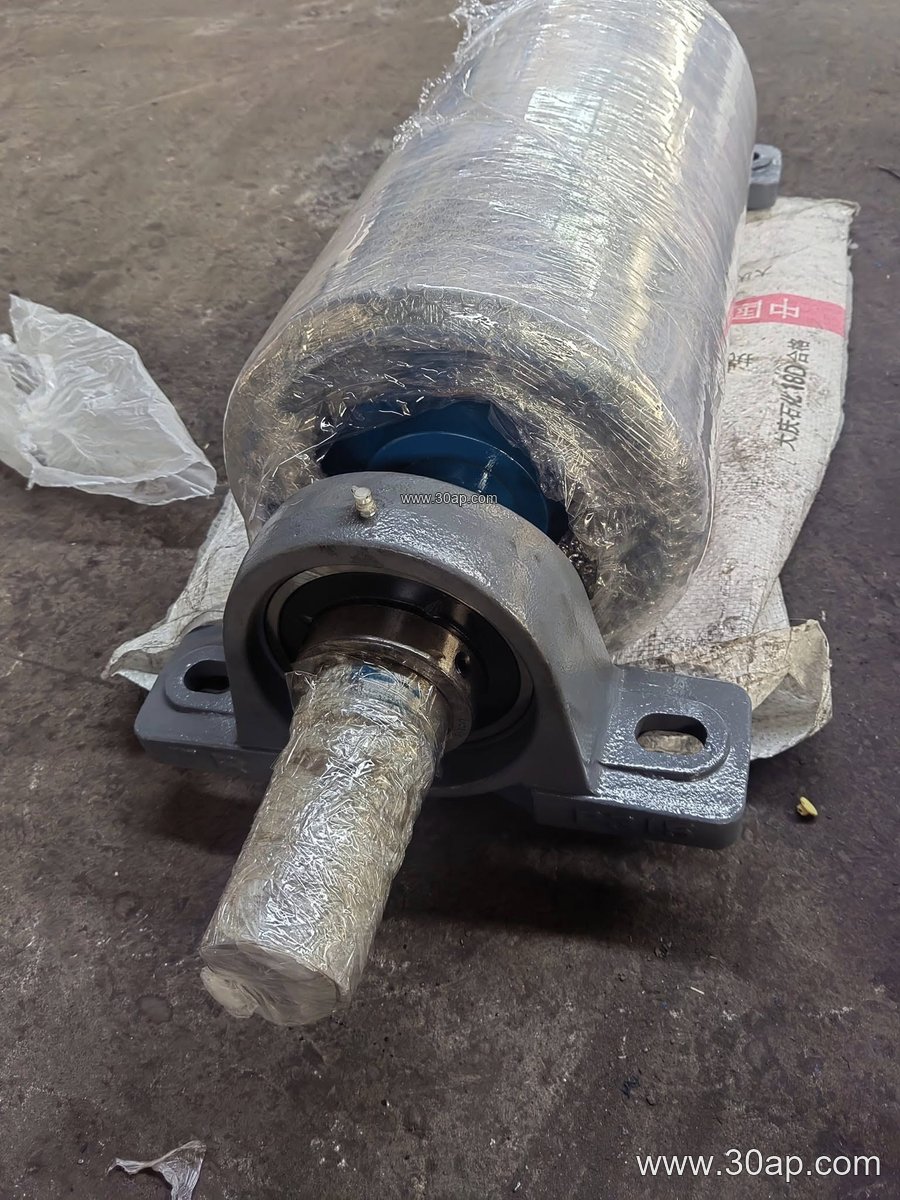
Construction starts with the shell, which may be seamless or rolled and welded, and is machined to accept the shaft. The shaft is sized by torque and load, not by belt width alone. Common shaft diameters include Ø50, Ø60, Ø70, Ø80, Ø90, Ø100, Ø120, Ø140, Ø160, Ø180, and Ø200 mm, but the final choice depends on the drive duty and the belt tension. Bearing housings are fitted at both ends, and the assembly is balanced for smooth rotation. Surface options range from plain finish to cast rubber, cold-bonded rubber, hot-vulcanized rubber, diamond grooving, herringbone lagging, ceramic lagging, and flat rubber. Lagging thickness is commonly 8, 10, 12, 15, or 20 mm. The pulley face width is usually wider than the belt: for example, a B800 belt often pairs with a roughly 950 mm face, and a B1200 belt with about 1400 mm. These are reference relationships, not fixed rules, because design factors vary by conveyor.
Where It Fits in the Conveying Line
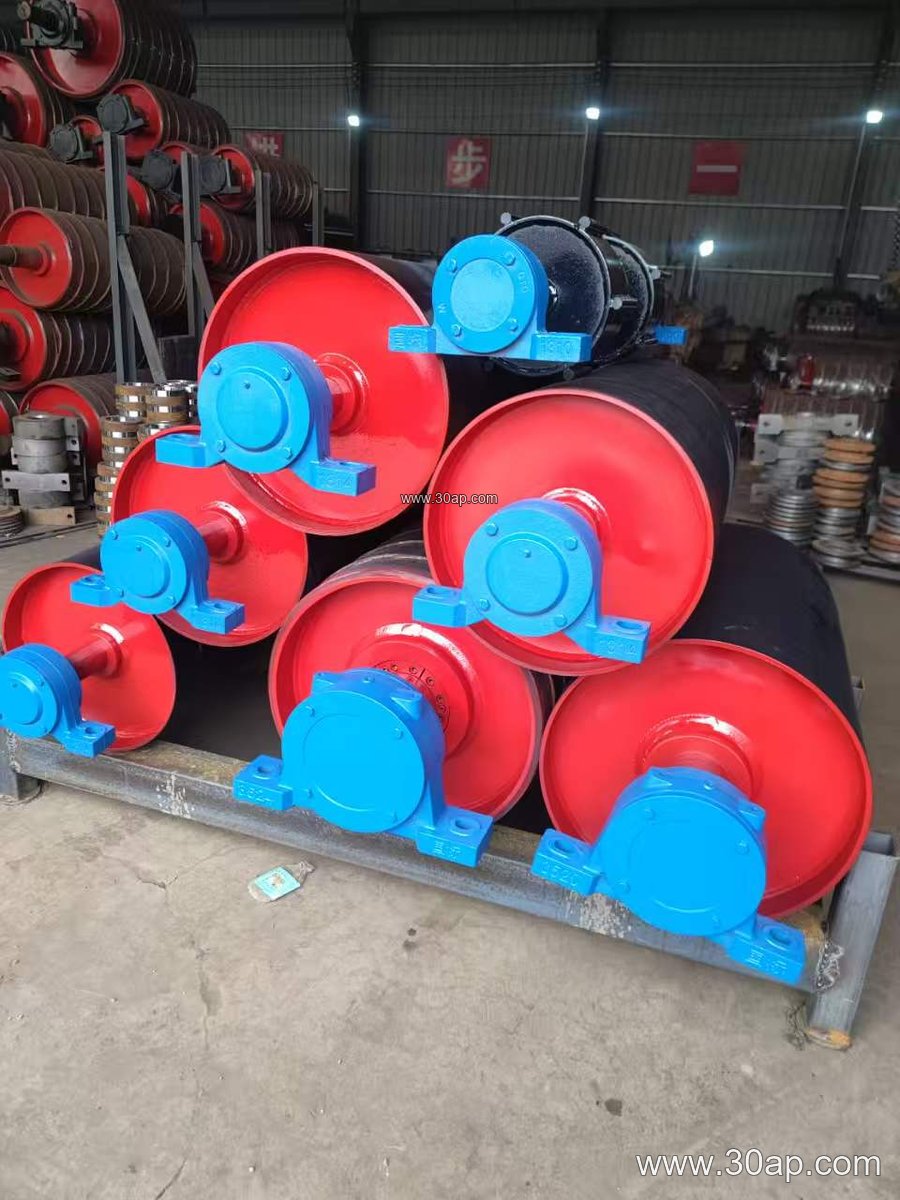
In a limestone mine or a coal washing plant, the drive pulley at the head end pulls the belt and discharges material. The tail pulley at the loading point supports the belt and helps maintain tension. A bend pulley changes the belt path, while a take-up pulley maintains tension as the belt stretches. Each position has its own demands: the drive pulley needs strong lagging for grip, the tail pulley benefits from impact resistance, and bend pulleys focus on smooth rotation. The assembly works alongside the conveyor belt, idler rollers, and conveyor brackets, so alignment and concentricity matter as much as the drum itself. In a power plant coal handling system or a port bulk terminal, a well-built pulley assembly reduces belt slippage and extends the life of the entire conveyor.
Matching the Assembly to the Belt and Duty
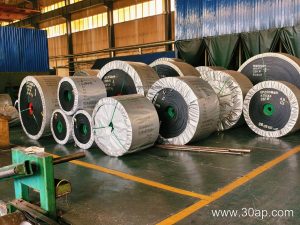
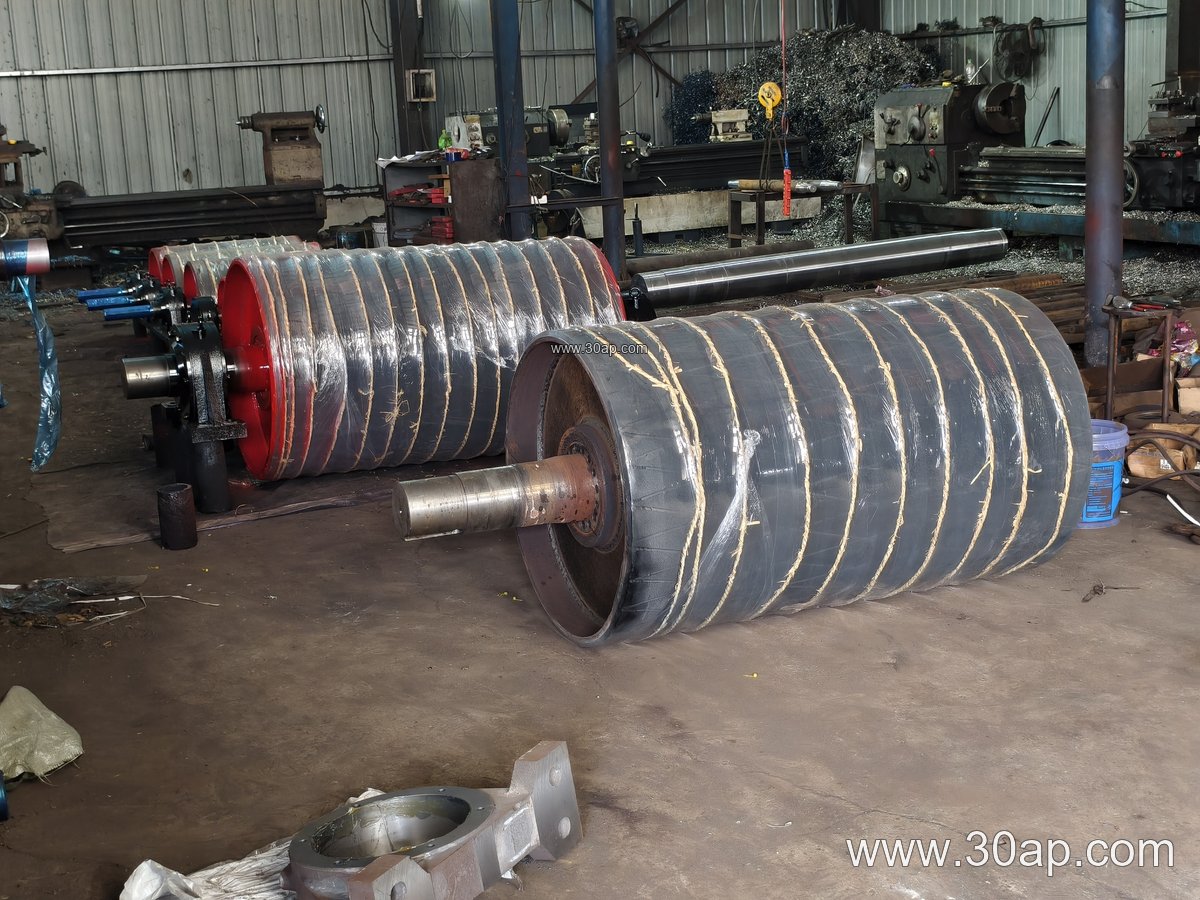
Selection starts with the belt type and the material being carried. An abrasion resistant conveyor belt in a crusher circuit may need a drive pulley with diamond or ceramic lagging for grip in wet conditions. A heat resistant conveyor belt in a cement clinker line calls for a pulley that can tolerate elevated temperatures without lagging degradation. In underground coal mining, a flame retardant conveyor belt and anti-static properties are often required, and the pulley assembly should be specified to suit the same environment. The table below shows common reference combinations; actual sizes are determined by the conveyor designer.
| Belt Width Reference | Typical Pulley Face Width | Common Pulley Diameter Range | Typical Shaft Diameter Range |
|---|---|---|---|
| B400 | ~500 mm | Ø200–Ø315 | Ø50–Ø80 |
| B500 | ~600 mm | Ø250–Ø400 | Ø60–Ø90 |
| B650 | ~750 mm | Ø315–Ø500 | Ø70–Ø100 |
| B800 | ~950 mm | Ø400–Ø630 | Ø80–Ø120 |
| B1000 | ~1150 mm | Ø500–Ø800 | Ø90–Ø140 |
| B1200 | ~1400 mm | Ø630–Ø1000 | Ø100–Ø160 |
| B1400 | ~1600 mm | Ø800–Ø1250 | Ø120–Ø180 |
| B1600 | ~1800 mm | Ø1000–Ø1400 | Ø140–Ø200 |
| B1800 | ~2000 mm | Ø1250–Ø1600 | Ø160–Ø200 |
| B2000 | ~2200 mm | Ø1400–Ø1800 | Ø180–Ø200 |
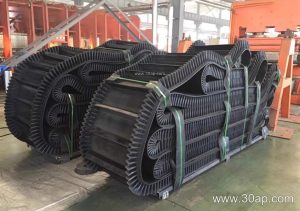
For a heavy-duty mining conveyor belt or a steel cord conveyor belt carrying iron ore, the pulley assembly must be robust, with a shaft sized for high torque and bearings rated for continuous operation. In a sand and aggregate line, an EP conveyor belt or a multi-ply fabric core conveyor belt may run with a lighter assembly, but the pulley still needs proper lagging to prevent slip during startup. Chevron conveyor belts and corrugated sidewall belts may require special pulley profiles or additional clearance, so the assembly design should account for the belt’s surface features.
Buyer Checklist for Pulley Assemblies
- Confirm the belt width and the required face width; do not assume one belt width fixes one pulley diameter.
- Specify the lagging type and thickness based on grip, wear, and material buildup.
- Provide the actual belt tension and torque so the shaft diameter can be calculated, not guessed.
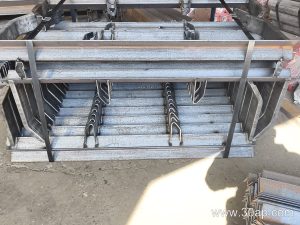
- Check that the bearing housings match the conveyor bracket mounting dimensions.
- Consider environmental factors such as heat, oil, dust, and flame resistance, especially in underground coal mining or cement plants.
- Ask for balancing and runout tolerances, since vibration shortens bearing life.
Whether the application is a quarry conveyor belt line, a gold mining conveyor belt system, or a food grade conveyor belt in a processing plant, the conveyor pulley assembly is a long-term investment. Choosing the right shell, shaft, lagging, and bearings for the job keeps the belt running true and reduces unplanned downtime.