What an Anti-Tracking Idler Does on a Conveyor
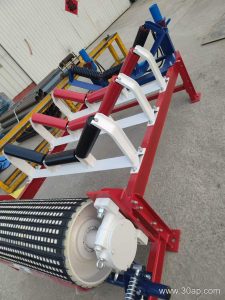
An anti-tracking idler, also called a self-aligning idler or training idler, is a special type of idler roller designed to keep a conveyor belt centered as it travels. Instead of merely supporting the belt like a standard carrying idler, this roller reacts when the belt drifts to one side. Its mounting and roller shape create a small steering force that nudges the belt back toward the middle of the conveyor frame. This makes it a practical choice wherever mistracking causes spillage, edge damage, or uneven wear.
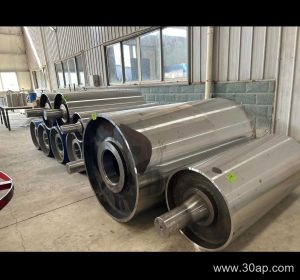
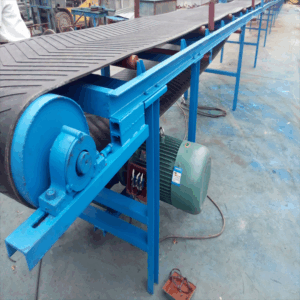
The product is not a drive pulley, tail pulley, or bend pulley. Those are conveyor pulleys that transmit motion or change belt direction. An anti-tracking idler is a rotating roller assembly mounted on the carrying or return side of the conveyor, often held by a conveyor bracket that allows slight pivoting or swivel.
How the Assembly Is Built
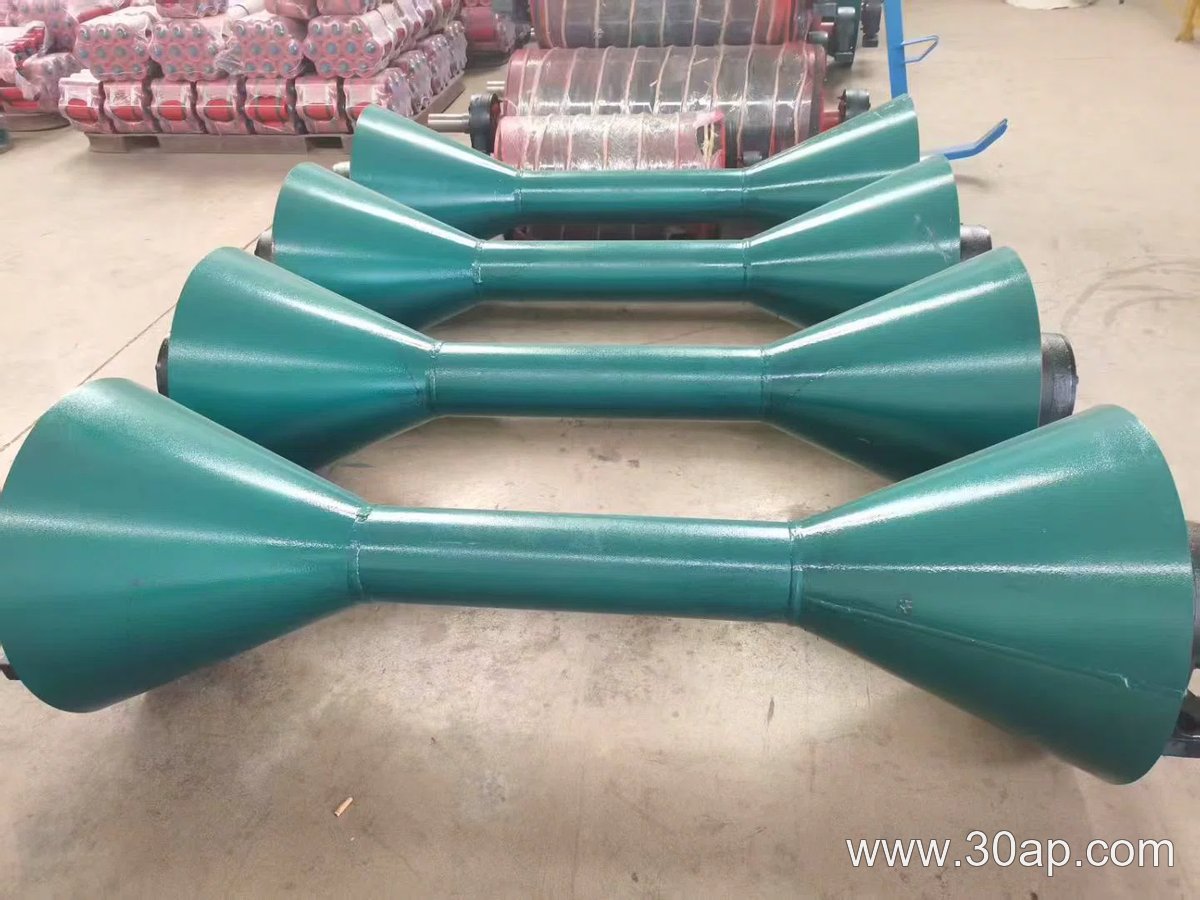
Most anti-tracking idlers follow one of two common designs. Friction self-aligning types use the belt’s own movement to pivot the roller frame when the belt contacts a vertical guide roller or an angled side roller. Tapered or conical self-aligning types use opposing tapered ends; when the belt touches one tapered section, the difference in surface speed creates a correcting force. Some designs combine both features.
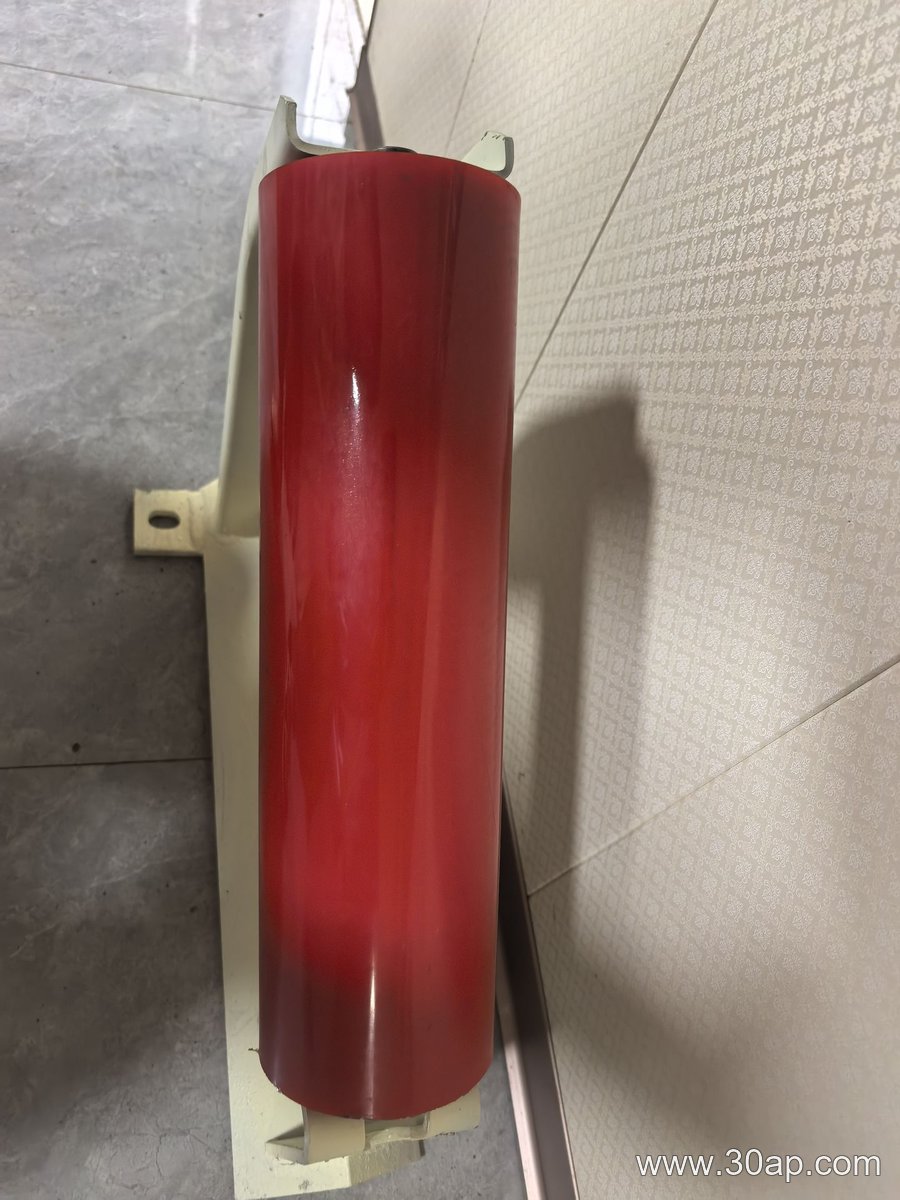
The roller body itself usually has a steel tube shell, with optional nylon, rubber ring, or ceramic surface for grip or wear resistance. Common roller diameters include Ø89, Ø108, Ø127, Ø133, and Ø159, though larger sizes such as Ø178 or Ø194 may appear on heavy-duty lines. Bearings are typically 6204, 6205, 6305, 6306, 6308, or 6310, selected according to load, speed, and sealing requirements. The shaft, end caps, and seals are chosen to keep dust and moisture out.
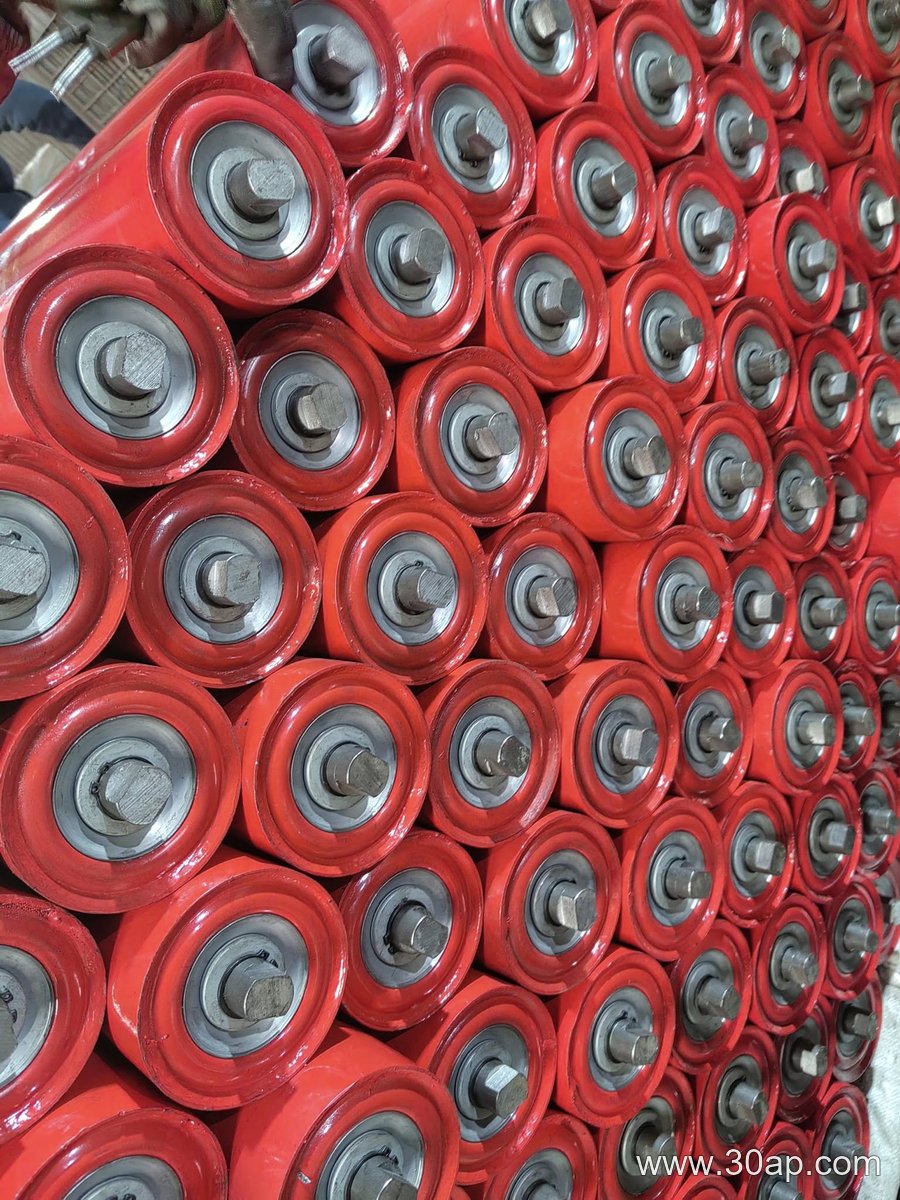
An anti-tracking idler can be a single roller, a two-roller assembly, or a three-roller troughing set. The trough angle is often 20, 30, 35, or 45 degrees, and a slight forward tilt of about 1.5 to 2 degrees is sometimes used to assist centering. Roller length changes with belt width, trough angle, and assembly type. For example, a three-roller troughing set may use a middle roller around 200 mm for B500, 315 mm for B800, 465 mm for B1200, or 600 mm for B1600. These are common examples, not fixed rules, and side rollers can differ from the middle roller.
Where It Fits in a Conveyor System
Anti-tracking idlers are installed at points where belt drift is most likely. On a long overland conveyor, they may be placed every few hundred meters or just before the discharge. In a quarry or limestone mine, they help keep the conveyor belt centered after loading. In a coal washing plant or power plant coal handling line, they reduce spillage near transfer points. They also appear in sand and aggregate lines, crushing and screening circuits, and tunnel mucking conveyors.
They are not a replacement for a drive pulley, tail pulley, or bend pulley. Those components handle power transmission and belt direction. An anti-tracking idler works alongside normal carrying idlers, return idlers, and impact idlers. A V-type return idler, for instance, may also help center the belt on the return strand, but it is a different subtype with a different shape and purpose.
What a Buyer Should Know
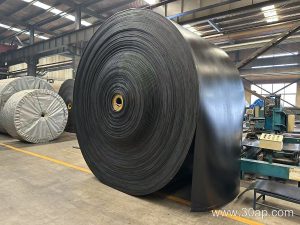
When selecting an anti-tracking idler, match the roller diameter and bearing to the belt speed, load, and environment. A dusty or wet site may call for better sealing and a rubber ring or ceramic surface. The belt width and trough angle determine the roller length and the number of rollers in the set. Common belt widths include B650, B800, B1000, B1200, B1400, and B1600, but the correct roller length should be confirmed with the conveyor design.
Installation matters as much as the product. The idler frame must be square to the belt centerline, and the pivot or swivel must move freely. A binding bracket or a worn bearing can stop the self-aligning action. Regular inspection of the roller shell, shaft, and seal helps prevent unexpected downtime.
In short, an anti-tracking idler is a focused solution for belt misalignment. It is not a universal pulley or a substitute for proper conveyor design, but when chosen and installed correctly, it protects the conveyor belt, reduces spillage, and extends the life of the whole conveyor system.