What a Chevron Conveyor Belt Is
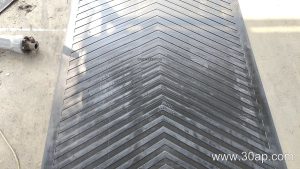
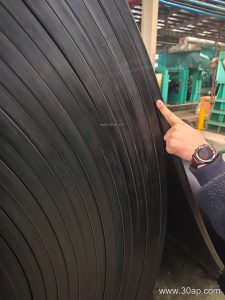
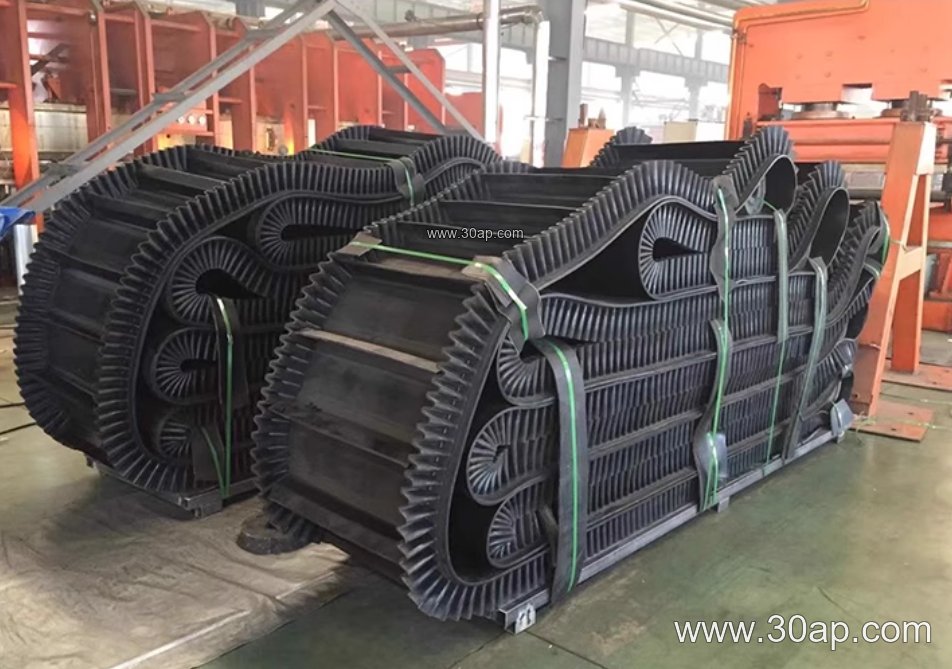
A Chevron Conveyor Belt is a rubber conveyor belt with raised cleat patterns molded onto the top cover, usually in a V or herringbone arrangement. The raised ribs give the belt extra grip when the conveyor runs on an incline, so loose bulk material is less likely to slide back down the slope. Buyers often call this product a patterned belt, chevron belt, or V-cleat belt, and it is one of the most practical choices for steep or slippery conveying routes in quarries, sand and gravel plants, cement works, coal handling, and power stations.
The raised profile does not replace the belt’s load-carrying structure. It works together with the carcass, which may be an EP Conveyor Belt, an NN Conveyor Belt, or a Steel Cord Conveyor Belt depending on the duty. The chevron pattern is a surface feature, not a separate belt family, so the underlying strength class and cover compound still need to match the material and the conveyor layout.
How the Belt Is Built
A typical chevron belt starts with a fabric or steel carcass, covered with rubber on both sides. The top cover carries the molded chevron ribs; the bottom cover is usually smooth so it can run against idler rollers and pulleys. Rib height, rib pitch, and the angle of the V are set by the manufacturer, and they differ between light and heavy-duty patterns.
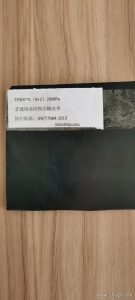
Common carcass options include multi-ply fabric constructions and steel cord designs. Cover rubber grades are selected for the job: abrasion resistant for crushed stone and ore, oil resistant for oily scrap or certain minerals, heat resistant near clinker or ash, and flame retardant for underground coal mining conveyors. Anti-static grades are also available where static buildup is a concern.
Where Chevron Belts Are Used
Inclined conveyors are the natural home for this belt. A quarry conveyor belt lifting crushed rock from a primary crusher, an aggregate conveyor belt feeding a screen, or a cement plant conveyor carrying clinker up a slope all benefit from the extra grip. In mining, a chevron belt can serve on surface ramps and transfer points, while flame retardant versions are chosen for underground coal mining conveyors where fire safety rules apply.
The belt also suits mobile crushing and screening plants, batching plants, port loading systems, and recycling lines where the material is wet, sandy, or irregular in size. On a steep incline, a smooth belt may allow material to roll back; the chevron ribs help hold the load and keep the discharge steady.
Matching the Belt to the Conveyor
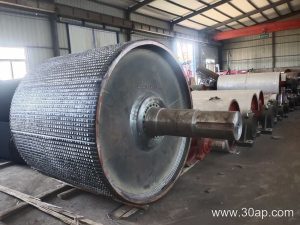
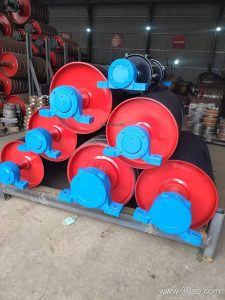
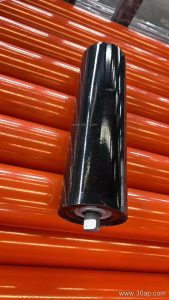
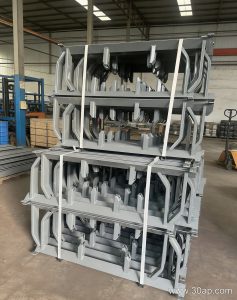
Chevron belts run on the same basic hardware as smooth belts: a drive pulley, a tail pulley, bend pulleys, and a series of idler rollers supported by conveyor brackets. The ribs, however, affect how the belt behaves. On the carrying side, the belt usually runs on flat or closely spaced idlers rather than deep troughing idlers, because the raised pattern needs clearance. The return side needs enough support to keep the ribbed edge from catching.
Pulley diameter is selected from the belt construction and the manufacturer’s recommendation, not from belt width alone. A narrow belt can run on a larger pulley, and a wide belt can run on a smaller one if the carcass allows it. The same applies to shaft size, which depends on the pulley design and the load, not just on the belt width.
Typical reference data for chevron belts is shown below; actual values are confirmed by the supplier for each order.
| Item | Common reference values |
|---|---|
| Belt width | B500, B650, B800, B1000, B1200, B1400, B1600, B1800, B2000 |
| Fabric strength class | EP200, EP315, EP400, EP500, EP630, EP800, EP1000, EP1250 |
| Cover thickness | 3+1.5 mm, 4+2 mm, 5+2 mm, 6+2 mm, 8+3 mm |
| Carcass plies | Usually 2 to 6 layers |
| Profile type | V-shaped, herringbone, or interrupted chevron pattern |
Buyer Checklist
- Confirm the incline angle and the material size, since steep slopes and lumpy loads need taller or more closely spaced ribs.
- Check whether the conveyor uses flat carrying idlers or troughing idlers; the rib height must clear the idler frame and any skirt rubber.
- Match the cover grade to the duty: abrasion resistant for rock and ore, oil resistant for oily material, heat resistant for hot loads, and flame retardant for underground coal work.
- Ask for the recommended pulley diameters and minimum pulley sizes for the chosen carcass rather than assuming a rule based on width.
- Review the splice method. Chevron belts are often joined with vulcanized splices, and the rib pattern must be aligned across the joint.
- Check edge condition and rib wear during inspections, especially at transfer points and on the return side where the belt passes over bend pulleys.
For more information on matching a Chevron Conveyor Belt to your conveyor, contact the belt supplier with the duty, incline, and pulley details.