What a Conveyor Leg Does on a Belt System
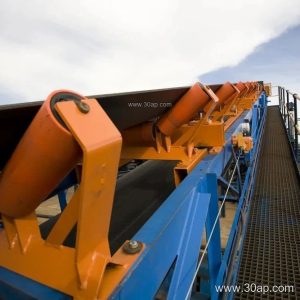
A conveyor leg is the vertical support that carries the weight of the conveyor frame, idler roller sets, and the loaded conveyor belt down to the floor or foundation. In a typical troughing section, the leg works together with a conveyor bracket and cross beam to hold the idlers at the correct angle. Get the legs wrong and the whole structure sags, misaligns, and wears belts and rollers faster. In a quarry or a coal handling plant, a small height error at one leg can show up as belt tracking problems hundreds of meters downstream.
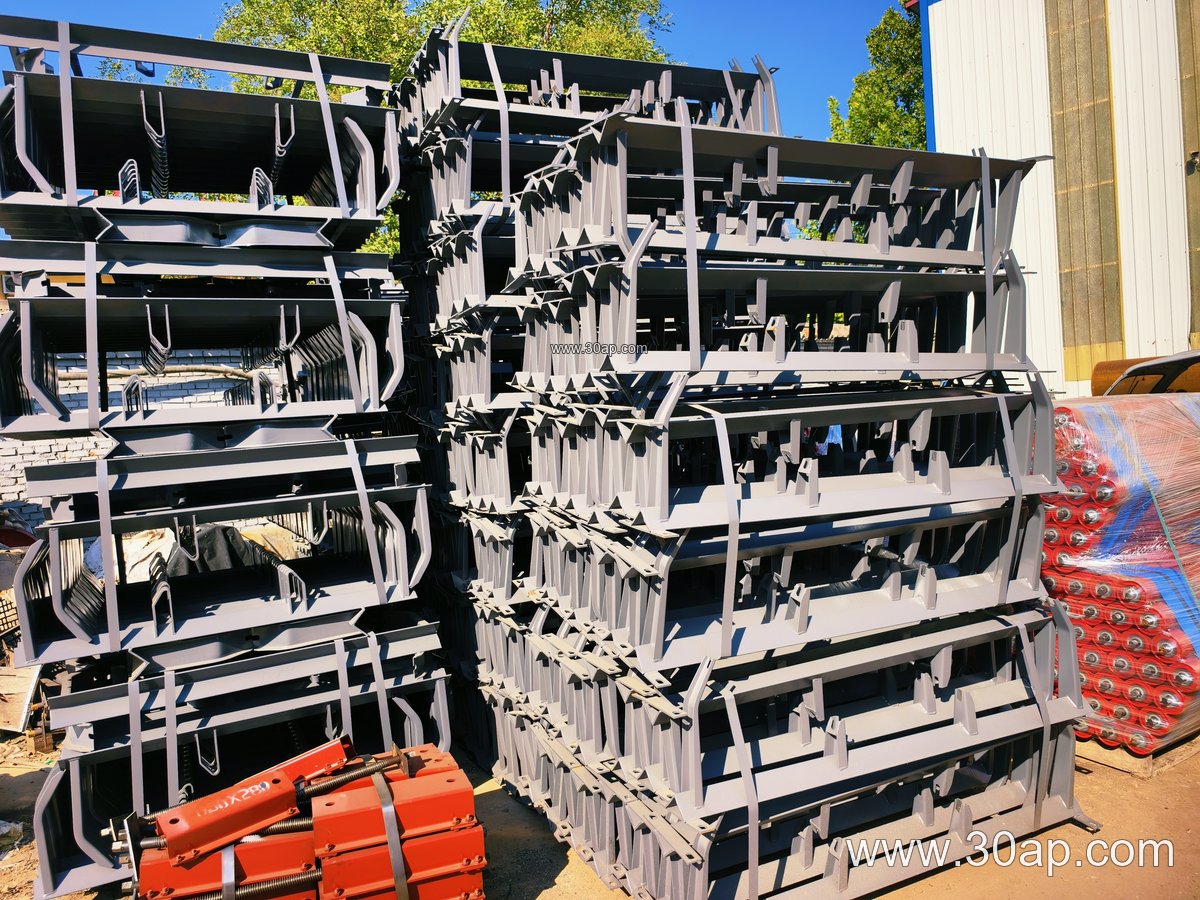
These supports are not a single fixed product. They vary by frame style, height, material, and the way they connect to the stringer. A fixed leg is welded or bolted at one height, while an adjustable conveyor leg uses slotted holes or threaded sections so the frame can be leveled after installation. That adjustability matters on uneven ground, on transfer towers, and wherever settlement is expected.
How the Leg Is Built
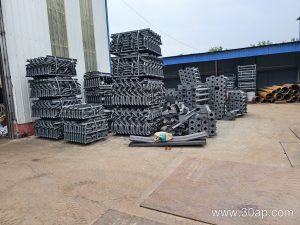
Most legs are fabricated from angle steel, channel steel, or folded steel plate. Light-duty frames often use angle sections, while heavy-duty mining structures lean toward channel or folded plate for stiffness. A leg usually includes a base plate with bolt holes, a vertical member, and a top connection that mates with the stringer or with a conveyor bracket.
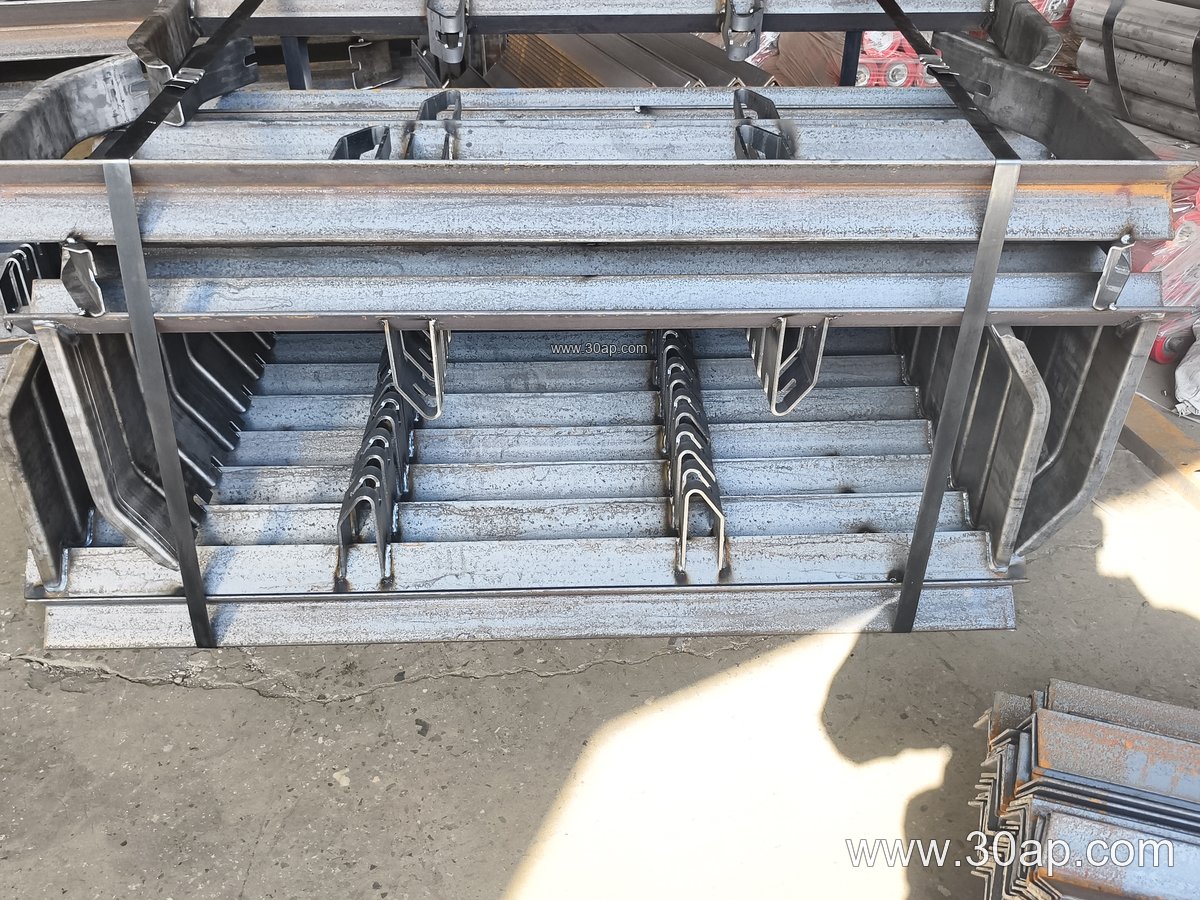
- Material: angle steel, channel steel, or folded plate, often painted or galvanized.
- Connection: bolted to the stringer for easy transport, or welded for permanent structures.
- Base: flat plate with anchor holes, sometimes with height shims or adjusting nuts.
- Bracing: diagonal braces or cross ties on taller legs to resist side loads.
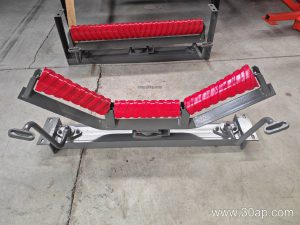
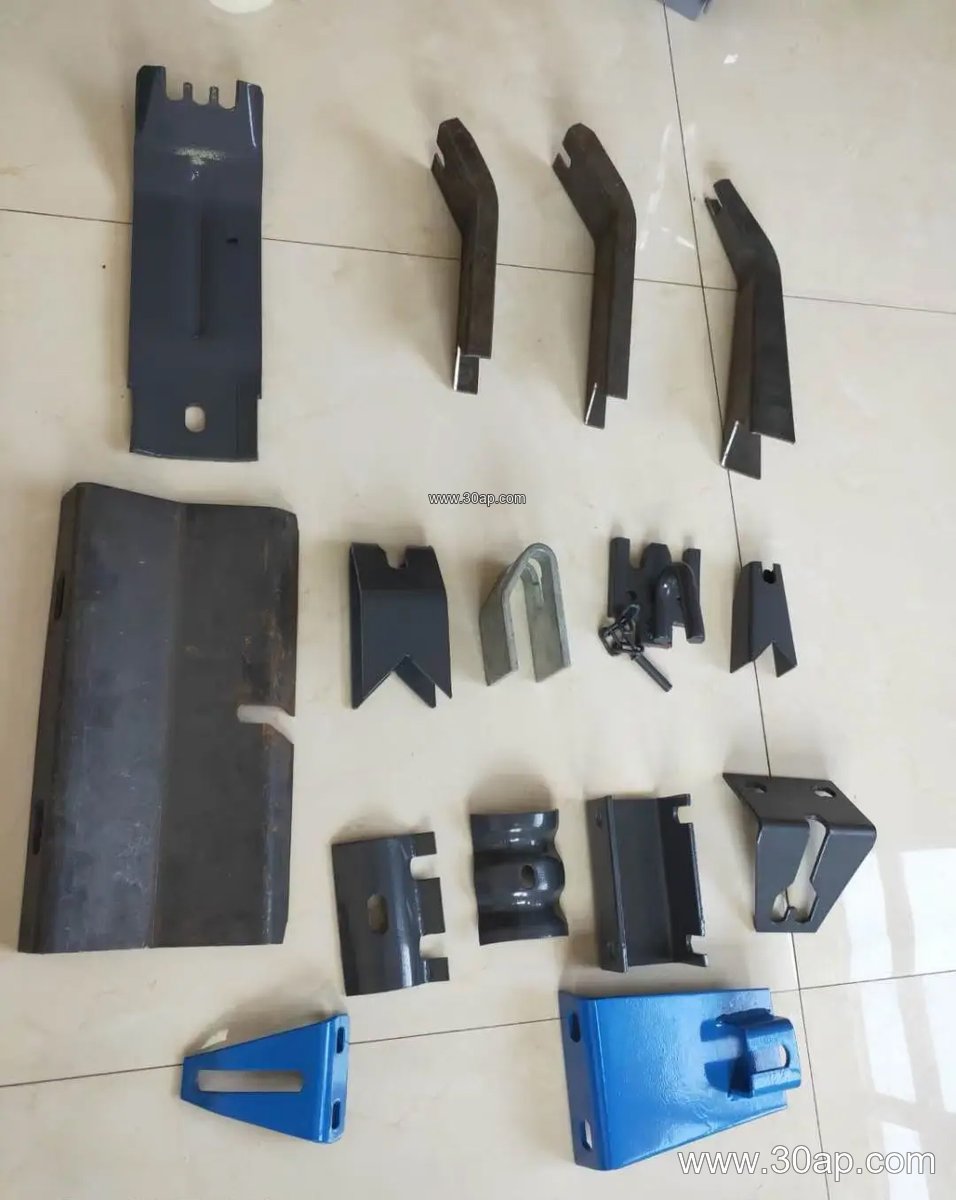
The top interface is critical. If the leg meets a troughing bracket, the bolt pattern must match the bracket and the chosen trough angle. A 35 degree frame and a 45 degree frame may need different bracket geometry, so the leg, bracket, and beam should be ordered as a matched set rather than mixed from different suppliers.
Where These Supports Are Used
You will find them in almost any bulk handling line. In a limestone mine or stone crushing plant, legs support the inclined discharge conveyors that carry crushed rock to the stockpile. In a coal washing plant or power station coal yard, they hold the long overland frames that move fuel from the yard to the boiler bunkers. Aggregate plants, cement plants, and port ship loaders all rely on the same basic support principle, though the steel sections and anchor details change with load and wind conditions.
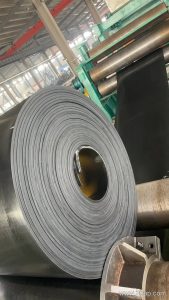
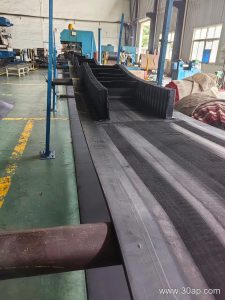
The belt itself matters too. A heavy steel cord conveyor belt running at high tension puts more load on the frame than a light fabric core belt, so the leg spacing and section size are usually set by the structural engineer rather than chosen from a catalog. On a long overland line carrying iron ore, legs may be spaced more closely and braced more heavily than on a short transfer conveyor in a sand plant.
Matching Legs to Belt Width and Idler Size
Frame dimensions follow the belt width and the idler roller diameter. The table below shows common reference combinations; these are typical examples, not fixed rules, and final dimensions are set by the conveyor designer.
| Belt width | Trough angle | Idler diameter | Typical use |
|---|---|---|---|
| B650 | 30 degrees | Ø89 | Light aggregate and sand lines |
| B800 | 35 degrees | Ø108 | General quarry and cement duty |
| B1000 | 35 degrees | Ø133 | Coal yard and power plant feed |
| B1200 | 45 degrees | Ø133 | Heavy ore and high-capacity lines |
| B1400 | 45 degrees | Ø159 | Large mining and port conveyors |
| B1600 | 45 degrees | Ø159 or Ø194 | High-tonnage primary haulage |
Note that a given belt width does not lock you into one trough angle or one idler size. A B1000 frame may run at 30, 35, or 45 degrees depending on the material and capacity target. Adjustable legs let the installer fine-tune frame height and alignment, but they do not change the trough angle itself, which is set by the bracket and idler arrangement.
Fixed Versus Adjustable Legs
Fixed legs are simpler and cheaper, and they suit straight, level runs where the foundation is reliable. Adjustable legs cost more but pay back during installation and maintenance, especially at transfer points and on frames that may be re-leveled after ground settlement. In underground mining conveyors, where floor conditions change, adjustable supports are common. In a fixed cement plant gallery, welded fixed legs are often the practical choice.
Whichever style you choose, keep the leg, bracket, and beam from one supply source so bolt patterns and heights match. Check anchor details against the actual foundation, and confirm that the leg height suits the idler diameter and belt clearance you plan to use.
What Buyers Should Check Before Ordering
- Belt width and trough angle of the frame, for example B800 at 35 degrees.
- Idler diameter and the matching bracket bolt pattern.
- Required leg height and whether adjustment is needed.
- Steel section type and surface treatment for the site environment.
- Anchor plate size and hole spacing for the foundation.
- Whether bracing or cross ties are included for tall legs.
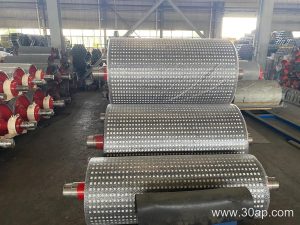
Ask for a dimension drawing before production. A leg that is 20 mm short can force shimming across an entire conveyor section. For more on related components such as the conveyor pulley, idler roller, and conveyor belt, review the full frame assembly as one system rather than ordering parts in isolation.