What a Rubber Impact Idler Does
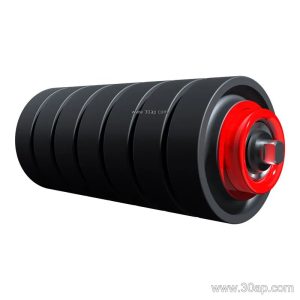
A rubber impact idler is a shock-absorbing roller assembly placed at conveyor transfer points where material falls onto the belt. Instead of a rigid steel shell, the roller surface carries rubber rings or a rubber lagging that cushions the force of lumps, reducing wear on both the belt and the idler frame. In a quarry, cement plant, or coal handling system, these idlers sit directly under the chute and take the brunt of the impact that would otherwise shorten the life of a standard carrying idler.
This component is also called a rubber-ring impact roller or rubber-cushioned idler. It belongs to the carrying side of the conveyor and is not a substitute for a drive pulley, tail pulley, or bend pulley, which serve completely different functions in the conveyor drive and direction system.
Construction and Key Parts
The typical rubber impact idler uses a heavy steel tube as the base body, fitted with a series of thick rubber rings along the roller length. These rings are spaced to absorb energy and allow some deflection under load. The shaft runs through sealed bearing housings, usually with bearing numbers such as 6205, 6305, or 6308 depending on the load and roller diameter. The rubber rings can be replaced in some designs, while others are bonded to the shell.
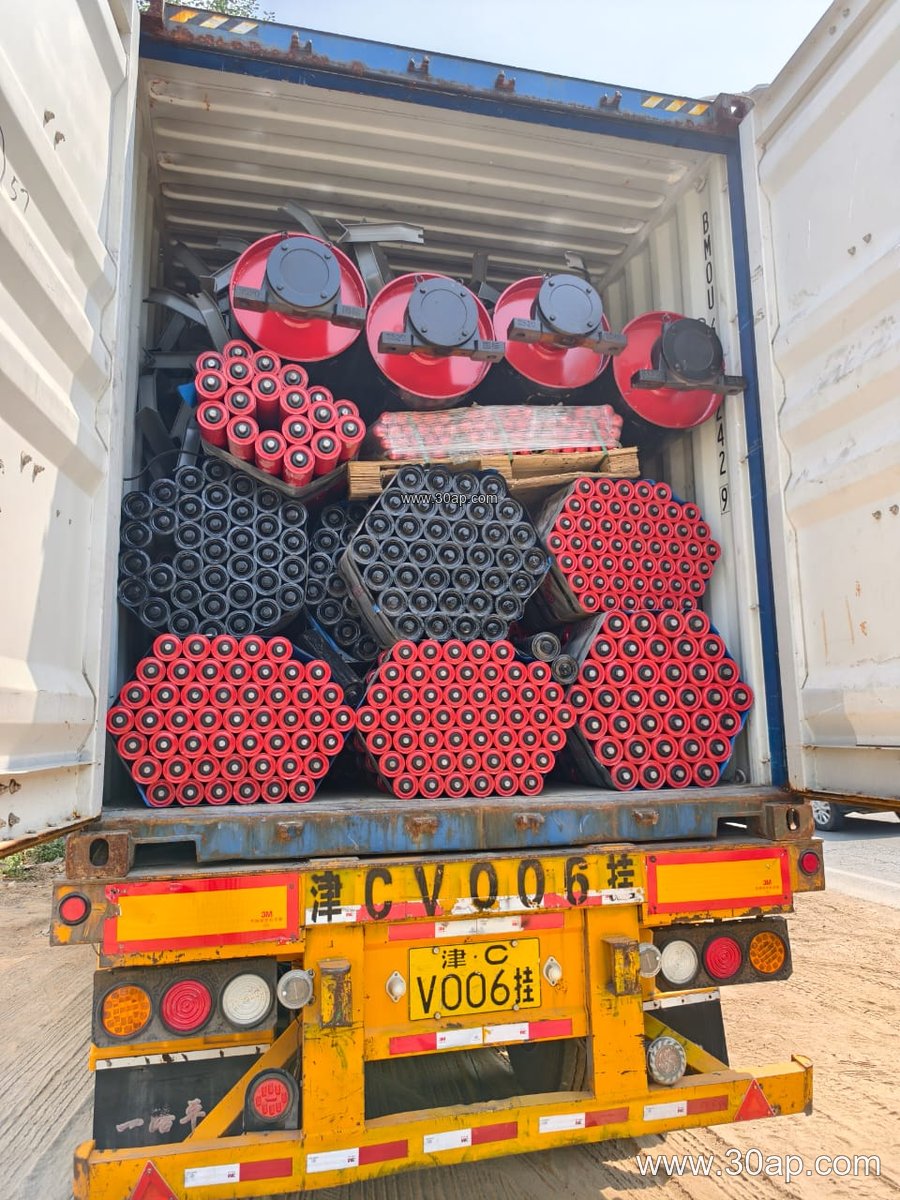
The idler is mounted in a conveyor bracket or frame that fixes it at the correct height relative to the belt line. The bracket must be sturdy enough to resist vibration. Roller diameters for impact idlers commonly include 89 mm, 108 mm, 133 mm, 159 mm, and 178 mm, but the final choice depends on belt width, material lump size, and drop height. The surface form is the defining feature: rubber rings rather than plain steel, nylon, or ceramic.
Where It Fits on the Conveyor
Rubber impact idlers are used at loading points of a conveyor belt, such as under crusher discharge chutes, screen feed points, and truck dump hoppers. In a limestone mine or aggregate line, the material often contains sharp, heavy lumps that would dent a standard steel roller. The rubber surface spreads the point load and reduces belt damage.
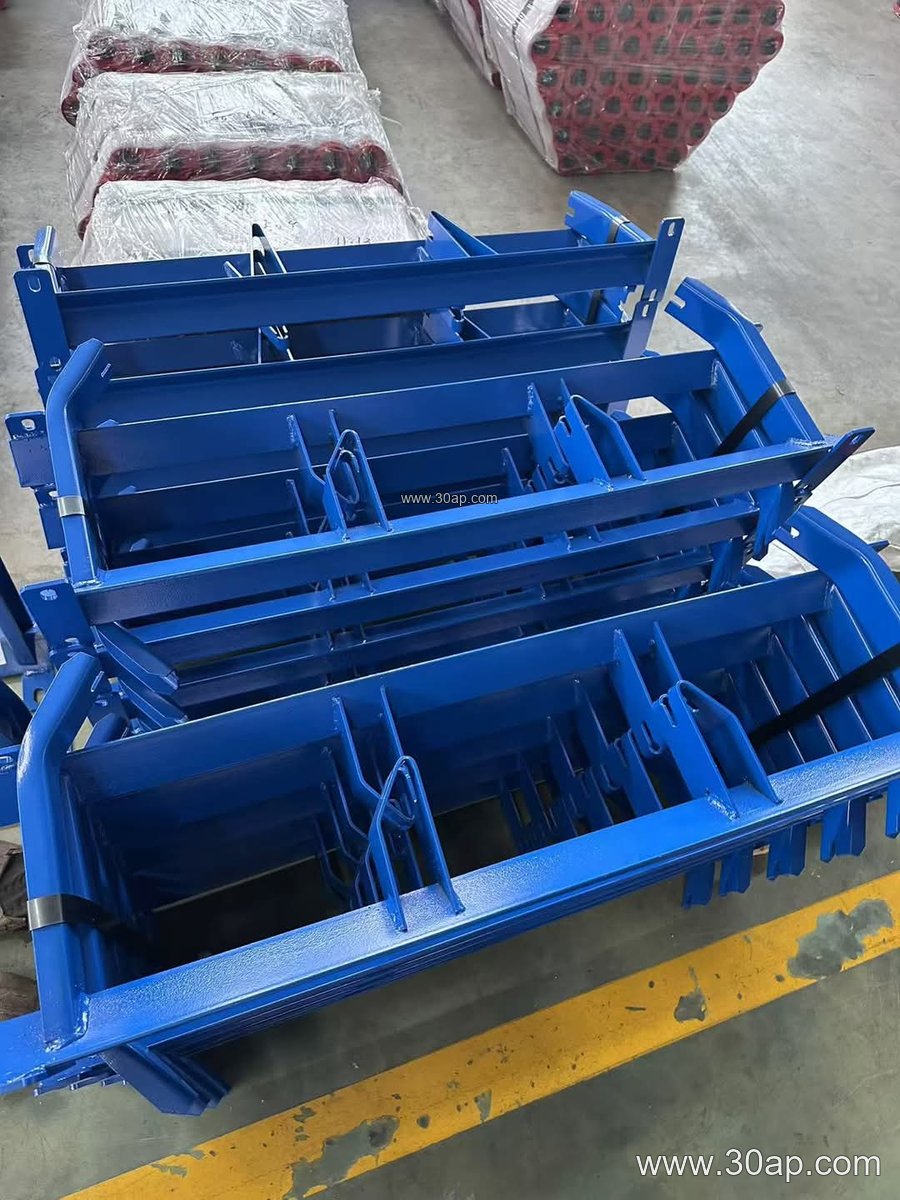
They are also found in power plant coal handling, steel plant sinter lines, and port bulk terminals. In these places, a heavy-duty mining conveyor belt carries coal, ore, or pellets, and the impact zone needs extra protection. A rubber impact idler is not normally used along the entire carrying run; it is concentrated at the transfer point, while standard troughing idlers handle the rest of the line.
For comparison, a troughing idler with a 30-degree trough angle supports the belt profile along the route, and a return idler supports the empty side. Neither is designed for repeated shock loading. The rubber impact idler is the specialized choice for the load zone only.
Common Sizes and Selection Points
Selection starts with belt width and the space available under the chute. Typical belt widths include B500, B650, B800, B1000, B1200, B1400, and B1600. The roller length changes with belt width and idler arrangement. For a three-roll troughing set, common roller lengths are roughly 200 mm for B500, 250 mm for B650, 315 mm for B800, 380 mm for B1000, 465 mm for B1200, 530 mm for B1400, and 600 mm for B1600. These are reference examples, not fixed matches, and side rollers may differ from the center roller.
| Parameter | Common Reference Range |
|---|---|
| Roller diameter | 89, 108, 133, 159, 178 mm |
| Belt width | B500 to B1600 (other widths by design) |
| Bearing numbers | 6204, 6205, 6305, 6306, 6308 |
| Surface form | Rubber rings or rubber lagging |
| Trough angle | 20, 30, 35, 45 degrees (for troughing sets) |
A buyer should confirm the drop height, lump size, and belt speed. Higher drop heights or larger lumps call for thicker rubber rings and possibly a larger roller diameter. The bearing must be protected by effective seals because dust and fines are common in mining and quarry environments. The conveyor bracket should be checked for compatibility with the chosen idler frame.
Maintenance and Practical Notes
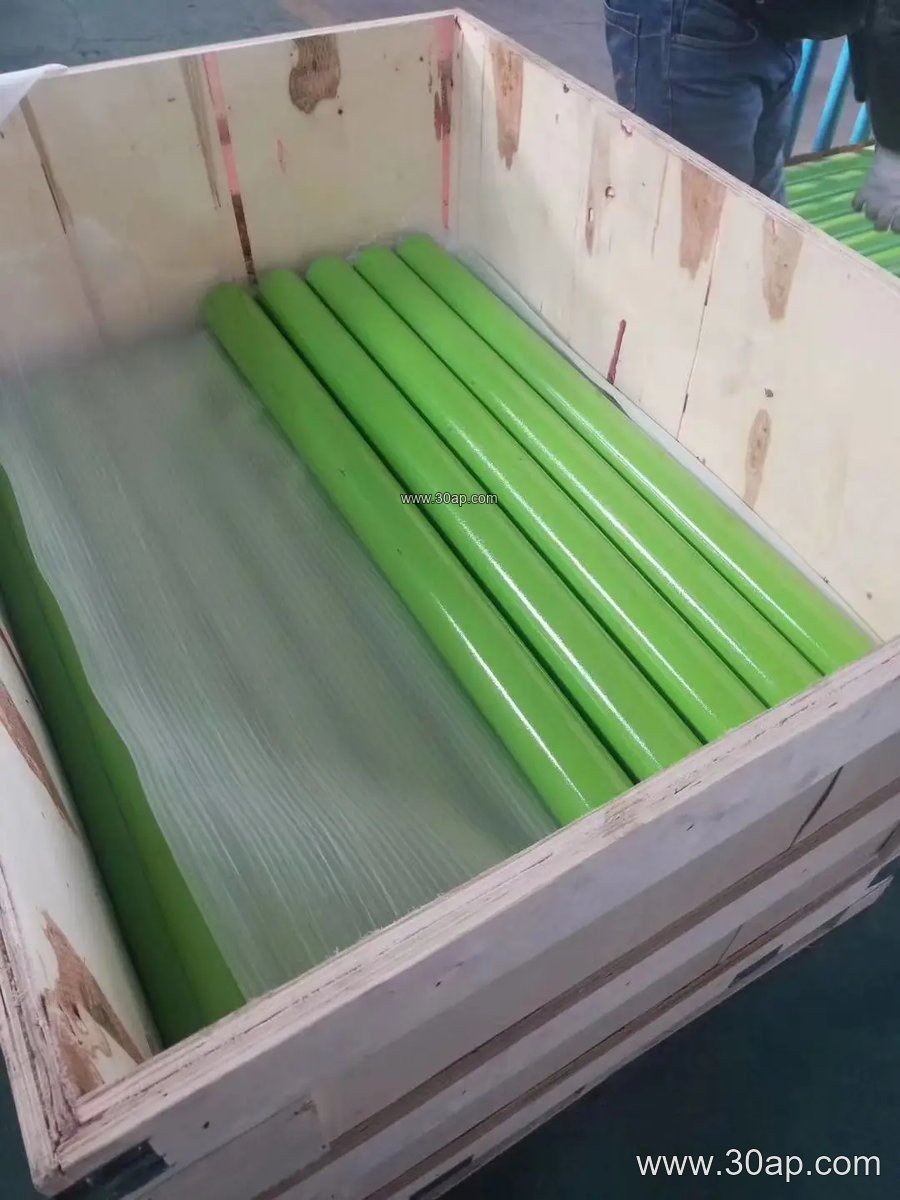
Inspect rubber rings for cuts, chunking, or separation from the shell. Worn rings reduce cushioning and can expose the steel body. Check that the idler rotates freely and that the bearing seals are intact. A seized bearing will flat-spot the roller and damage the belt. Replace worn rings or the complete idler before the belt surface is affected.
Keep the loading chute aligned so material falls centrally onto the impact idler, not onto the belt edge. In a coal mine or cement plant, spillage around the transfer point can bury the idler and accelerate bearing failure. A rubber impact idler works best as part of a well-designed load zone with proper skirt rubber and support structure.
For operators sourcing conveyor components, it helps to match the impact idler with the belt specification, such as an abrasion resistant conveyor belt or a flame retardant conveyor belt for underground coal mining. The idler itself does not determine belt grade, but the load zone design should consider the belt’s impact resistance and tensile strength. Whether the line uses an EP conveyor belt or a steel cord conveyor belt, the rubber impact idler protects the belt at its most vulnerable point.