What a Wear-Resistant Lagged Pulley Does
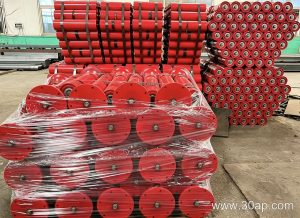
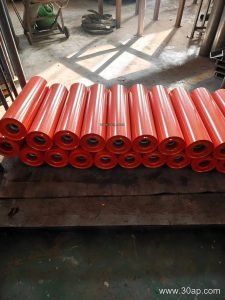
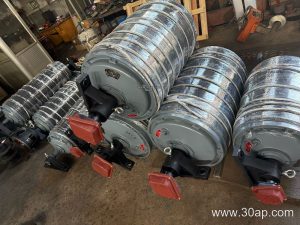
A wear-resistant lagged pulley is a conveyor pulley whose shell is covered with a rubber or ceramic lagging layer to protect the drum face and improve grip on the belt. In everyday plant language it may be called a rubber-lagged drum, a lagged head pulley or a lagged conveyor pulley, and these names refer to the same component. The lagging takes the abrasion that would otherwise attack the steel shell, while the textured surface helps maintain friction between drum and belt.
The distinction matters because a drive pulley, a tail pulley and a bend pulley are not interchangeable. Each sits in a different place on the conveyor and sees different loads. A lagged drive or head pulley transmits torque and needs reliable grip; a tail or bend pulley mainly guides the belt and may use a lighter surface treatment.
Construction and Surface Options
A typical unit combines a steel shell, welded end discs, a shaft and bearing housings, with the lagging bonded to the shell. Common surface forms include plain rubber, diamond grooved rubber, herringbone grooved rubber and ceramic tile lagging. Rubber thickness is often 8, 10, 12, 15 or 20 mm depending on duty, and the face width usually runs a little wider than the belt it carries.
- Shell and shaft sized by torque and load, not by belt width alone
- Cold-bonded or hot-vulcanized rubber lagging for different workshop conditions
- Ceramic lagging where sharp, abrasive material causes rapid wear
- Diamond or herringbone patterns to shed water and fines
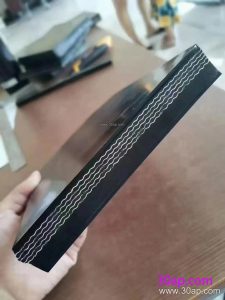
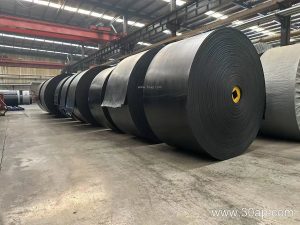
Because the pulley works with the belt, the pairing deserves attention. A high abrasion resistant conveyor belt running over a well-lagged drum usually lasts longer than the same belt on a bare steel shell, especially in wet or dusty conditions.
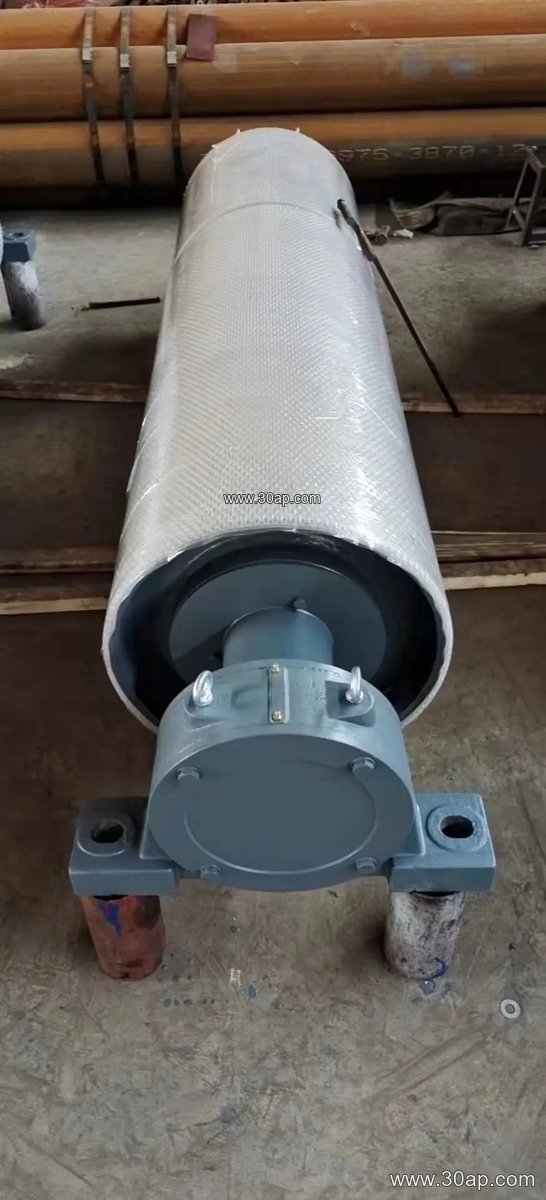
Where It Fits on the Line
These pulleys appear wherever bulk material moves. In a quarry or sand and aggregate plant, a lagged head pulley drives the main discharge belt after crushing and screening. In a coal preparation plant or a power station coal yard, lagging helps keep grip when belts run damp. Cement plants use them on clinker and raw meal lines, while iron ore and copper ore operations rely on them where fines are sharp and abrasive.
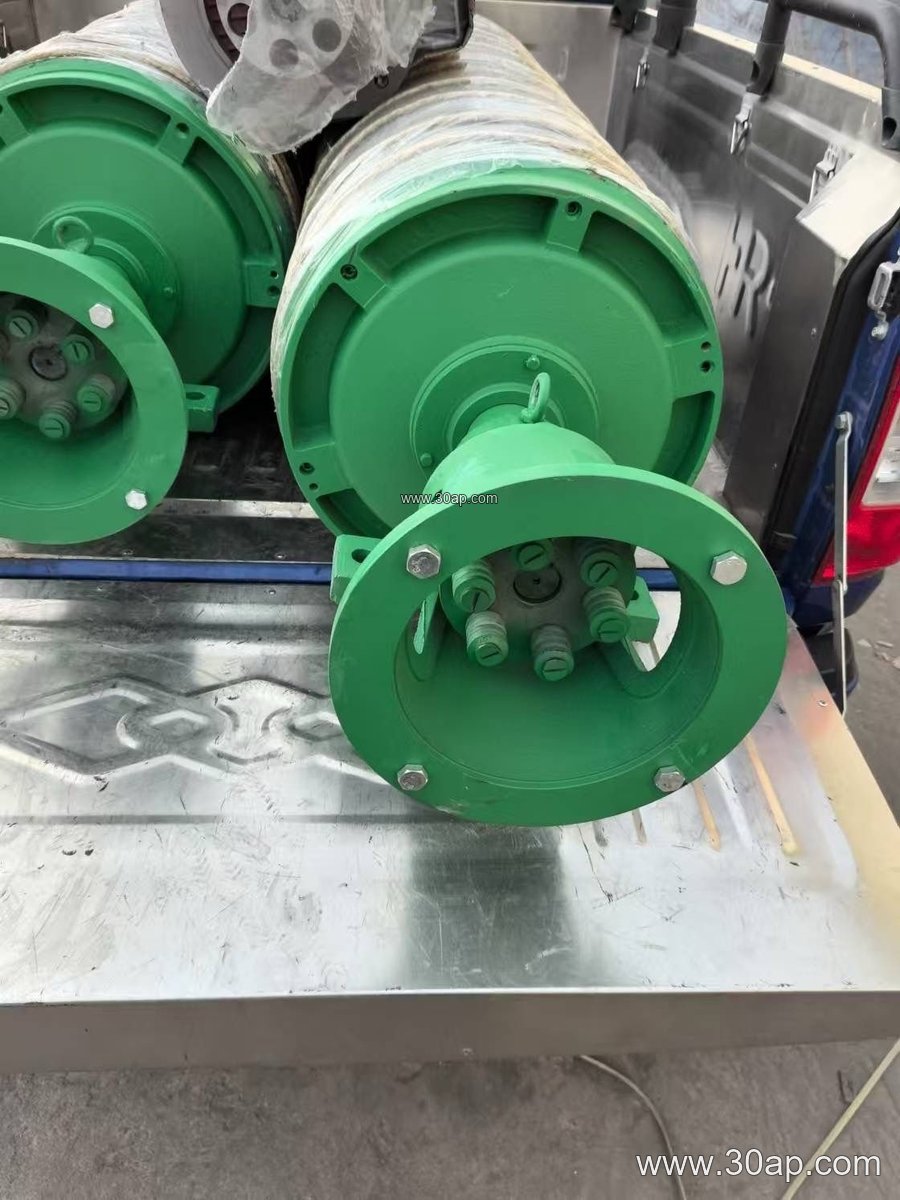
A typical arrangement might pair a B800 × Ø500 drive pulley with an EP conveyor belt, or a B1200 × Ø1000 head pulley on a heavier line. The belt width and pulley diameter are chosen together with belt tension and shaft load, and one belt width can match several pulley diameters.
| Belt width | Approx. face width | Example diameter |
|---|---|---|
| B500 | 600 mm | Ø315 or Ø400 |
| B650 | 750 mm | Ø400 or Ø500 |
| B800 | 950 mm | Ø500 or Ø630 |
| B1000 | 1150 mm | Ø630 or Ø800 |
| B1200 | 1400 mm | Ø800 or Ø1000 |
| B1400 | 1600 mm | Ø1000 or Ø1250 |
These figures are common reference values, not fixed rules; final sizing is set by the conveyor designer.
Buying and Maintenance Notes
When specifying a wear-resistant lagged pulley, share the belt type, belt width, running tension, shaft load and the material being handled. A steel cord conveyor belt on a long overland line behaves differently from a short fabric core conveyor belt in a mixing plant, and the lagging grade should reflect that. Ask about lagging hardness, bond method and groove pattern rather than thickness alone.
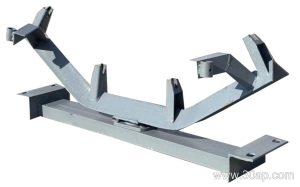
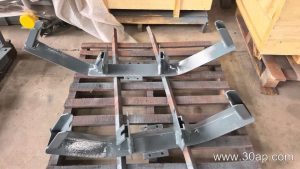
Inspect the lagging periodically for cuts, glazing and loose edges. Worn lagging reduces grip and can allow belt slip, which damages both drum and belt. Re-lagging a pulley is often cheaper than replacing a scored shell, and keeping spare idler roller and conveyor bracket stock on hand reduces downtime during changeouts.
For more on matched conveyor components, see our range of conveyor pulley and belt options at https://www.yourdomain.com/conveyor-pulley and https://www.yourdomain.com/conveyor-belt.