What a Heavy-Duty Conveyor Belt Is
A heavy-duty conveyor belt is the load-bearing component of a bulk handling system built for continuous service with abrasive, heavy, or high-impact materials. It is not simply a thicker version of a standard belt. The carcass, cover compound, and splice design are chosen together so the belt can survive coarse rock, wet ore, clinker, or coal without frequent stoppages. In practice, buyers meet this product under names such as a heavy-duty mining conveyor belt or a high abrasion resistant conveyor belt, depending on which property matters most.
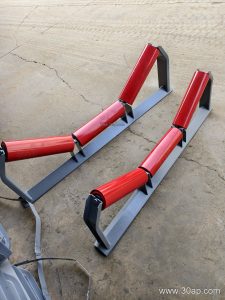
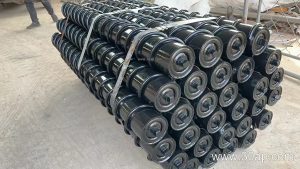
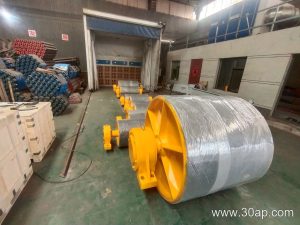
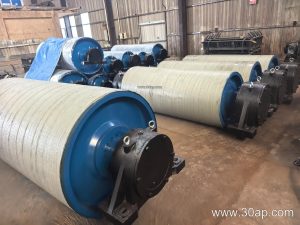
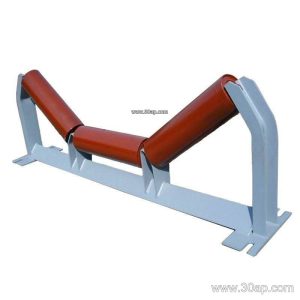
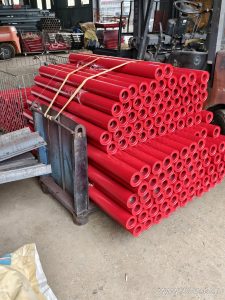
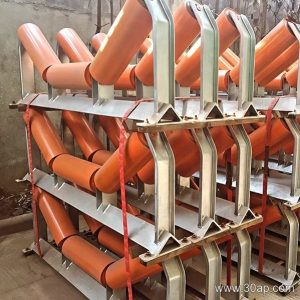
The belt works with conveyor pulleys, idler rollers, and conveyor brackets to form the carrying line. The drive pulley transmits motion, the tail pulley controls tracking at the return end, and bend pulleys guide the belt through transitions. These parts are not interchangeable, and belt selection must respect the actual pulley arrangement rather than assuming a fixed match between belt width and pulley diameter.
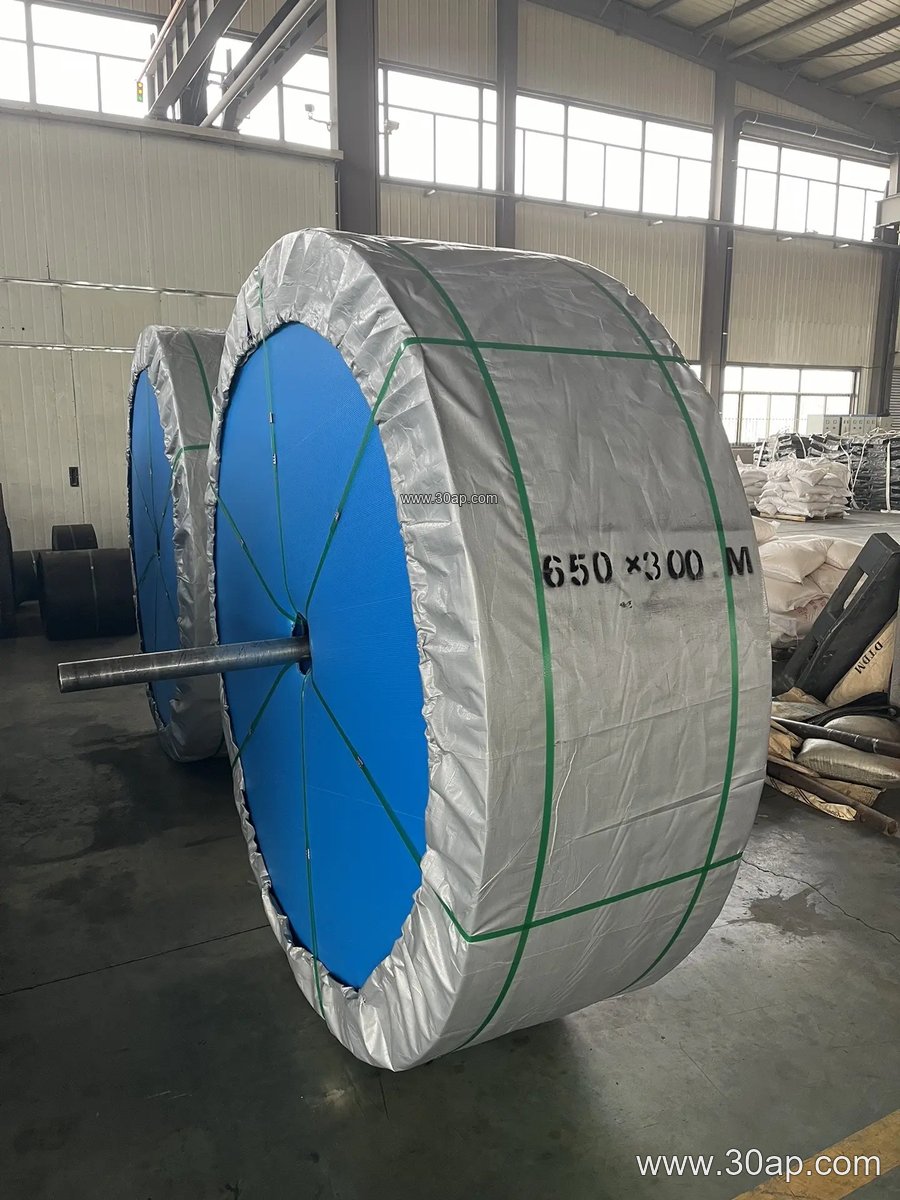
Construction and Common Specifications
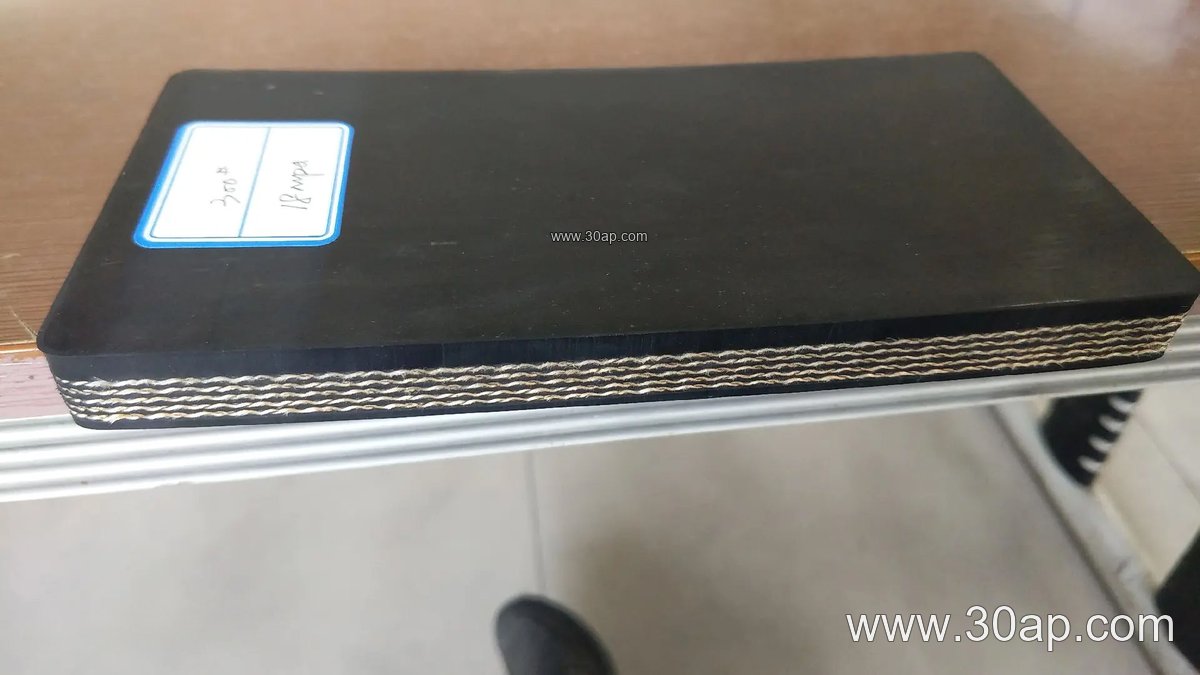
Most heavy-duty belts use a fabric core or a steel cord core. Fabric constructions may be EP (polyester-cotton) or NN (nylon-nylon), often with multiple plies. Steel cord belts are used where very long center distances or high tensile loads are expected. Cover rubber thickness and grade are selected for the duty: abrasion resistant, heat resistant, flame retardant, oil resistant, or cold resistant compounds are common variants.
| Property | Typical Range | Notes |
|---|---|---|
| Belt width | B500 to B2000 mm | Wider belts are common in ports and large mines; final width follows conveyor design |
| Fabric strength grades | EP200 to EP2000 | Higher grades suit heavier loads and longer runs |
| Steel cord grades | ST1000 to ST3150 | Selected by tension calculation, not by habit |
| Cover thickness | 4+2, 5+2, 6+2, 8+3 mm | Top and bottom cover chosen for wear and return-side conditions |
| Ply count | 2 to 6 layers | Depends on strength grade and manufacturer design |
Special profiles are available when the route demands them. A chevron conveyor belt or corrugated sidewall belt helps on inclines, while a skirted belt contains material at transfer points. A pipe conveyor belt encloses the load for dust control. These are alternative designs for specific layouts, not replacements for a standard heavy-duty belt on a flat carrying run.

Where It Is Used
Heavy-duty belts appear across mining, coal preparation, cement plants, power stations, quarries, sand and aggregate yards, steel works, and port loading systems. A primary crusher discharge often calls for an impact resistant belt with a thick top cover. Underground coal mining conveyor belts usually require flame retardant and anti-static properties in addition to strength. Cement plants may prefer heat resistant grades near kiln areas, while iron ore and copper ore lines favor high abrasion resistance. Aggregate conveyors and ship loading conveyors tend to run wide belts at high capacity.
The surrounding hardware matters as much as the belt. Well-aligned idler rollers reduce edge wear, and correctly sized conveyor pulleys protect the splice. A conveyor bracket that flexes or corrodes can disturb training and shorten belt life, so the whole line should be reviewed during selection.
Buyer Checklist
- Confirm material type, lump size, temperature, moisture, and any oil or chemical exposure.
- Provide the conveyor layout, including drive, tail, and bend pulley positions and take-up details.
- State the required tensile grade and whether a fabric core or steel cord construction is preferred.
- Choose cover thickness and grade for the actual wear pattern, not only for the initial load.
- Ask about splice method, edge condition, and any requirement for flame retardant or anti-static performance.
- Check that belt width, trough angle, and idler spacing suit the material and capacity.
For anyone sourcing a heavy-duty conveyor belt, the practical rule is to match the belt to the duty and the conveyor geometry. A belt that is over-specified for one section may be under-specified at a transfer point, so the full route deserves attention. Reviewing conveyor belt, idler roller, and pulley data together gives a more reliable result than choosing a belt from a single strength number.