What an Underground Mining Conveyor Belt Is
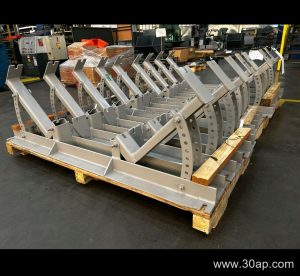
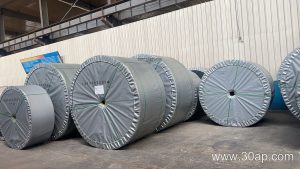
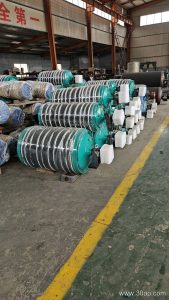
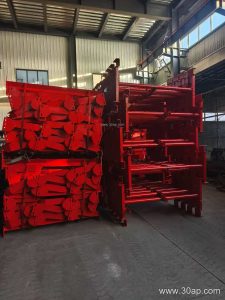
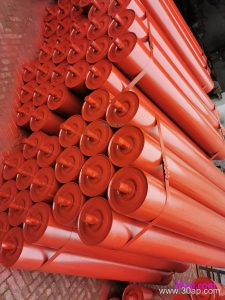
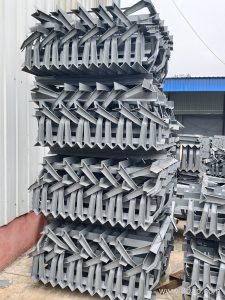
An Underground Mining Conveyor Belt is the load-carrying component of a continuous haulage system installed in tunnels, declines, and shaft workings. Its job is to move broken rock, ore, or coal from the face to the surface without rehandling. In practice, the belt runs over a drive pulley, tail pulley, and bend pulleys, supported by idler rollers and held in line by conveyor brackets. This belt differs from a surface quarry conveyor belt mainly in flame retardancy, limited space, and dust control.
Buyers often search for this product as an Underground Conveyor Belt, and the same item may also be called a coal mining conveyor belt when it is specified for underground coal faces. The structure and rubber compounds change with the duty, but the function stays the same.
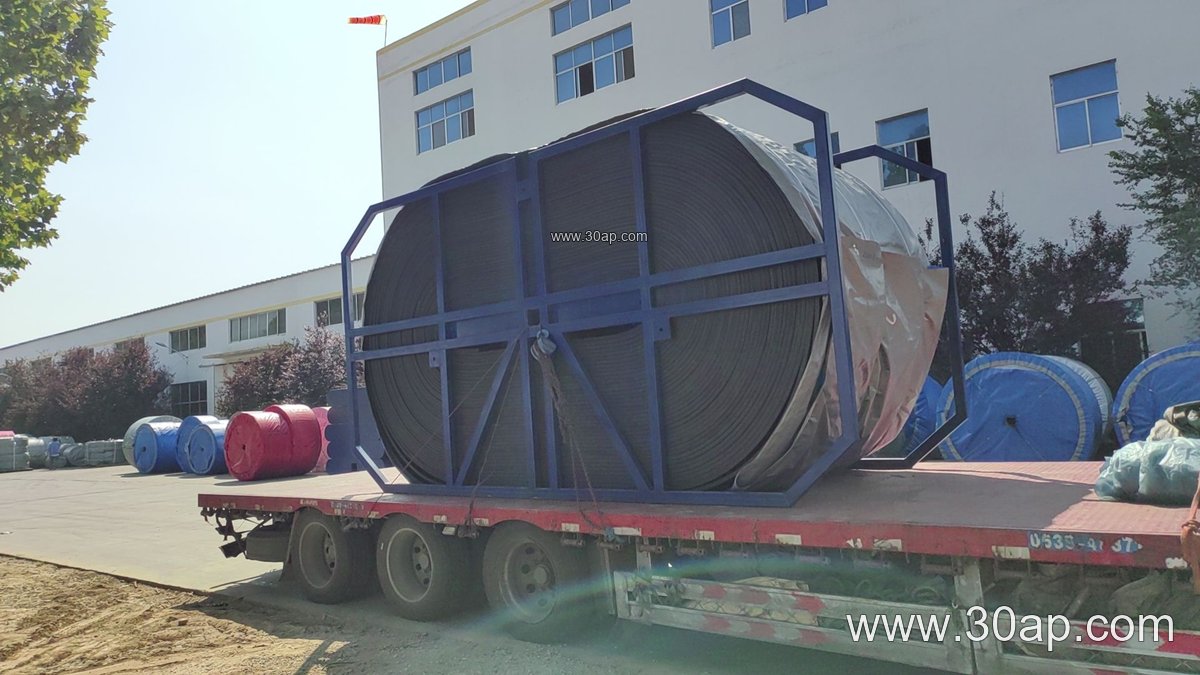
Construction and Common Types
A fabric-core belt uses multiple plies of EP or NN canvas. EP conveyor belts (EP100 to EP2000) are common for general underground haulage, while NN conveyor belts are chosen where high elasticity helps absorb shock at transfer points. Steel cord conveyor belts (ST1000 to ST3150) suit long runs and high tension. For flame-retardant work, PVG conveyor belts such as PVG800 and PVG800S are widely used in coal mines.
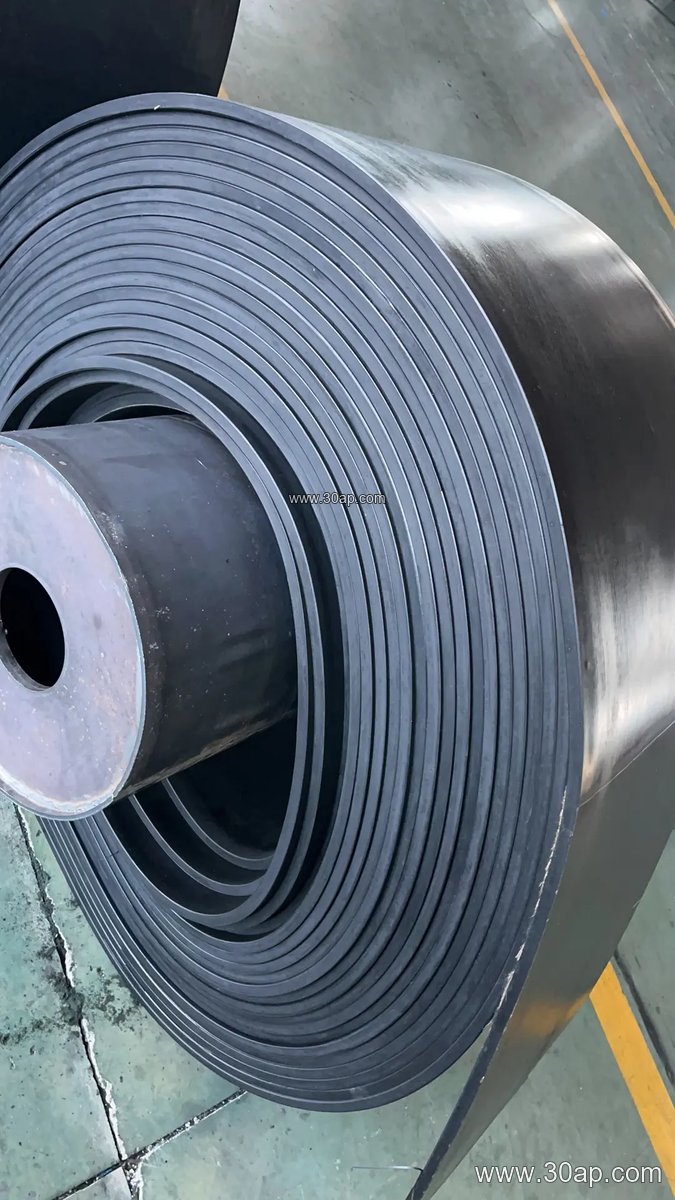
Cover rubber is usually specified as top and bottom thickness, for example 3+1.5 mm, 4+2 mm, 6+2 mm, or 8+3 mm. The carcass may have 2 to 6 plies depending on load. A wear-resistant cover helps in hard rock, while a fire-resistant or anti-static grade is needed where methane and coal dust are present.
| Type | Typical Strength Range | Common Underground Use |
|---|---|---|
| EP conveyor belt | EP200 to EP2000 | Main haulage, decline conveyors |
| NN conveyor belt | NN100 to NN400 | Transfer points with impact |
| Steel cord conveyor belt | ST1000 to ST3150 | Long distance, high tension |
| PVG conveyor belt | PVG800, PVG800S | Coal faces, flame-retardant duty |
Widths and Belt Forms
Width is matched to the conveyor frame and the lump size. Common widths include B500, B650, B800, B1000, B1200, B1400, B1600, B1800, and B2000. A 1000mm or 1200mm belt is often used in main gate roads, while narrower 650mm or 800mm belts fit development headings. A chevron conveyor belt or corrugated sidewall belt may be used on steep gradients, and a pipe conveyor belt can enclose the material to reduce spillage in tight tunnels.
Do not assume one belt width fixes one pulley diameter. Drive, tail, and bend pulleys are sized separately from the belt by the conveyor designer, and they are not interchangeable parts. Idler roller spacing and conveyor bracket type also follow the frame design.
Where It Is Used
Underground mining conveyor belts appear in coal mines, metal mines, and tunnel projects. They also feed crusher conveyor belts and ore conveyor belts in underground crushing stations. In cement and aggregate operations, similar belts handle limestone and clinker, though the flame-retardant requirement is usually lower. Power plants and steel plants use them for bulk material handling where space is limited.
Buyer Checklist
- Confirm the duty: coal, hard rock, or ore, and whether flame retardant and anti-static properties are required.
- State the belt width, carcass type, and cover thickness, for example EP1000 1200mm with 6+2 mm covers.
- Check the pulley and idler roller arrangement with the conveyor supplier before ordering.
- Ask for the splice method and whether an endless conveyor belt is preferred for the installation.
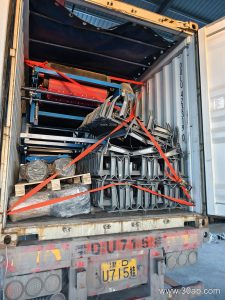
- Review storage and handling, because rubber belts can be damaged by sharp edges and prolonged sunlight.
For more details on matching an Underground Mining Conveyor Belt to your conveyor, review the drive and tail pulley layout and the idler roller specification together.