What a 1000mm Conveyor Belt Is
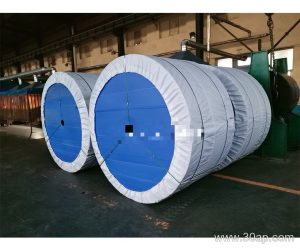
A 1000mm conveyor belt is a one-metre-wide belt designed for continuous bulk material transport. It sits at a practical mid-to-heavy point in the width range, wide enough to move large tonnages yet still manageable on standard conveyor structures. In plant documentation you may see it written as B1000 or as a 1000mm wide conveyor belt; these are the same product described by its belt width. Width alone does not define strength, cover grade, or carcass type, so a 1000mm belt can be built for very different duties.
Construction and Carcass Options
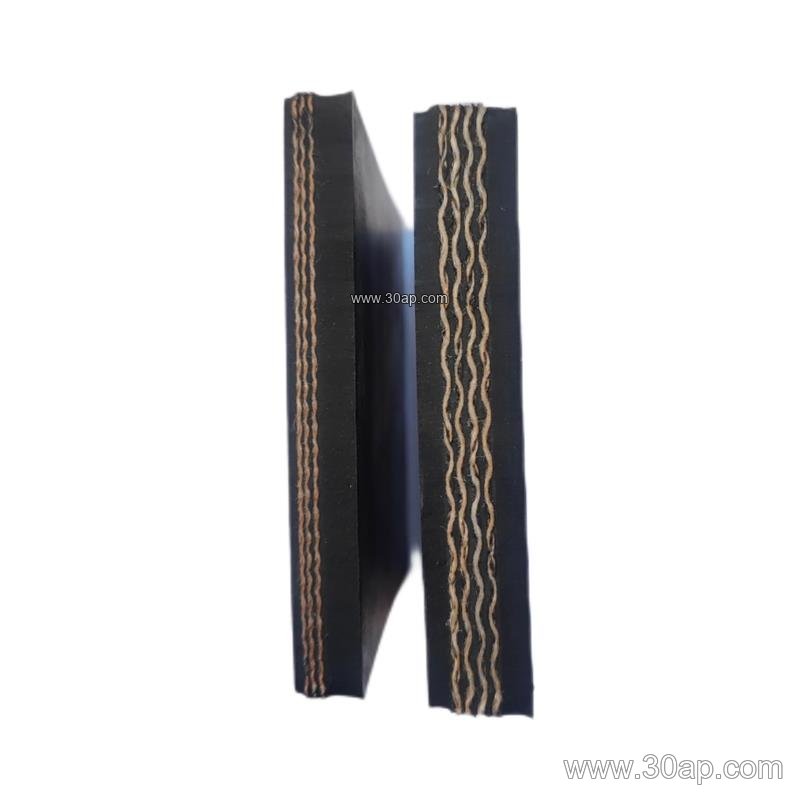
The belt is a composite: a load-carrying carcass, top and bottom rubber covers, and often an edge treatment. The carcass decides tensile strength and elongation behaviour. Common constructions for this width include EP conveyor belt (polyester-nylon fabric), NN conveyor belt (nylon-nylon), and steel cord conveyor belt for long, high-tension runs. A multi-ply fabric core conveyor belt with two to six plies is typical for general duties, while a single heavy steel cord carcass suits mainline haulage in mines and ports.
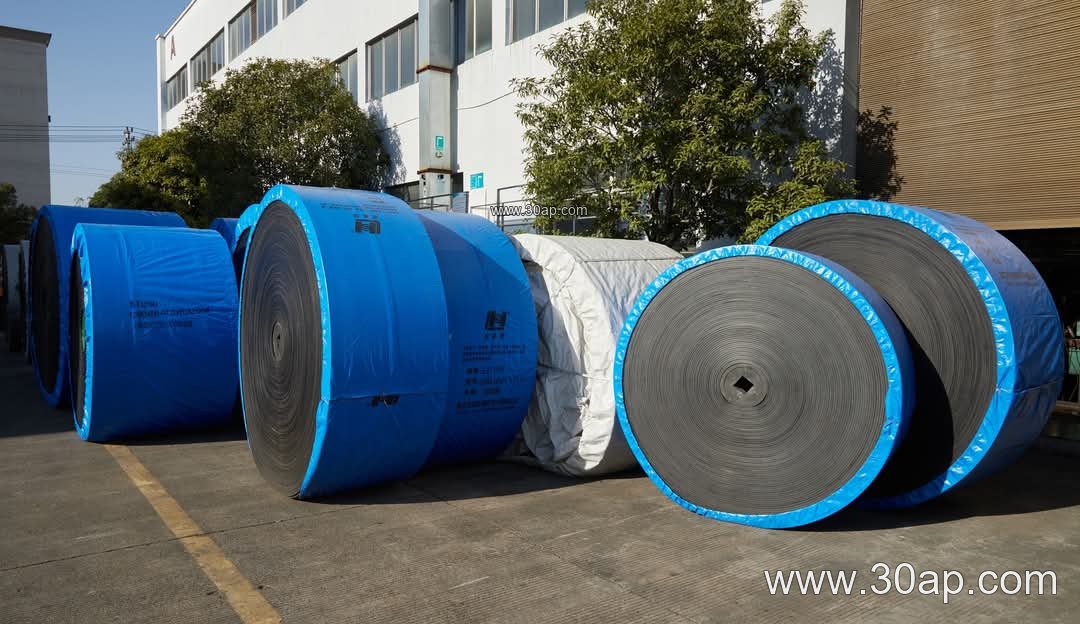
Cover compound and thickness are chosen for the cargo and climate. Abrasion resistant conveyor belt grades handle crushed rock and aggregate; heat resistant conveyor belt grades serve cement clinker and sinter; oil resistant conveyor belt grades suit oily scrap and some mineral feeds; flame retardant conveyor belt and anti-static conveyor belt grades are specified for coal mining conveyor belt and underground coal mining conveyor belt duties. Cold resistant, acid resistant, and food grade variants are available where the application calls for them.
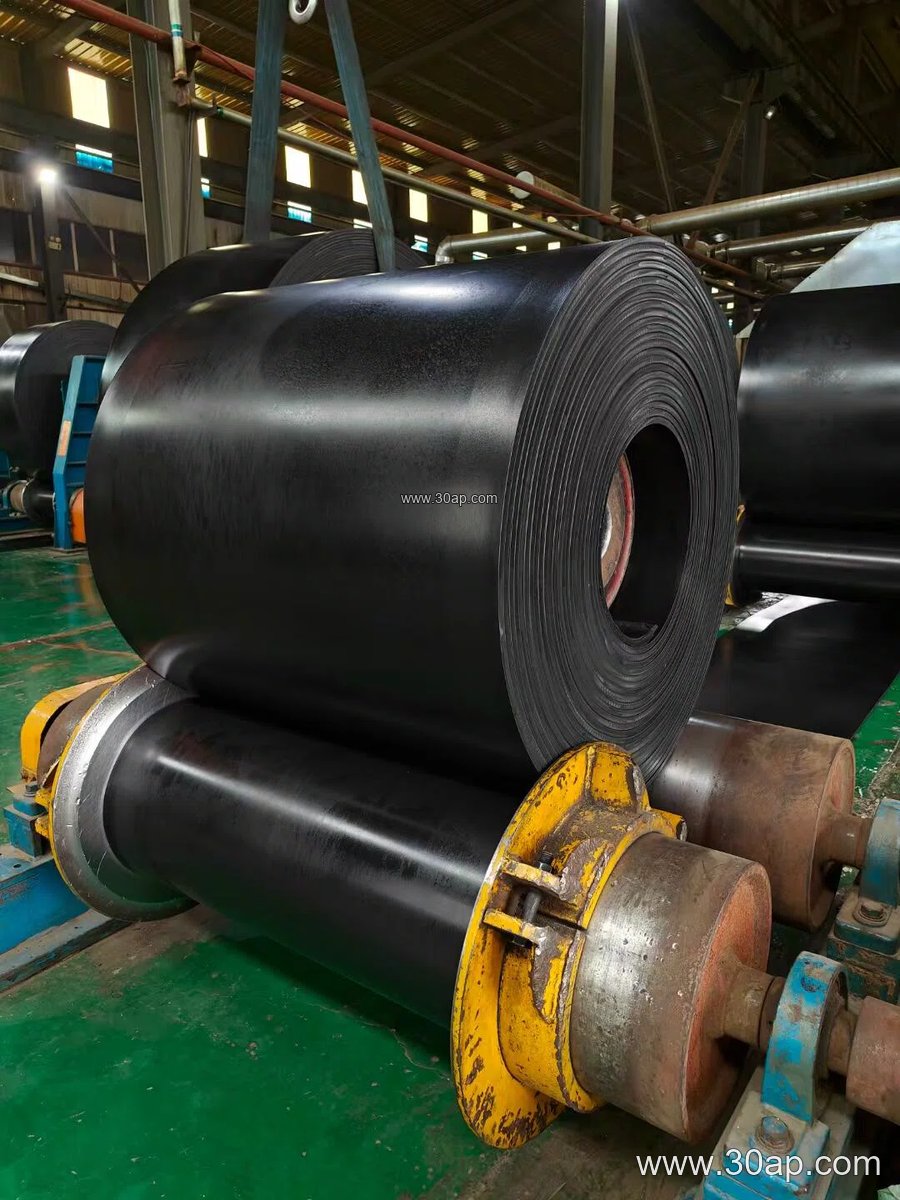
Typical Specifications at This Width
Values below are reference ranges only; actual construction is confirmed by design and by the manufacturer’s data sheet.
| Parameter | Common reference values |
|---|---|
| Belt width | 1000 mm (B1000) |
| Fabric carcass grades | EP200, EP315, EP400, EP500, EP630, EP800, EP1000 |
| Steel cord grades | ST1000, ST1250, ST1600, ST2000 |
| Number of fabric plies | 2 to 6 |
| Top and bottom cover | 4+2 mm, 5+2 mm, 6+2 mm, 8+3 mm |
| Surface forms | plain, chevron conveyor belt, corrugated sidewall conveyor belt, skirted conveyor belt |
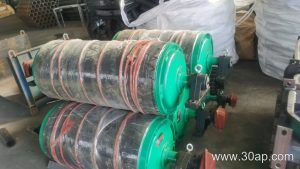
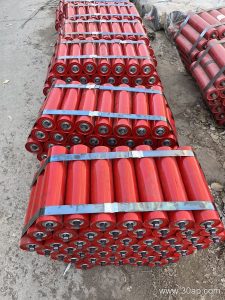
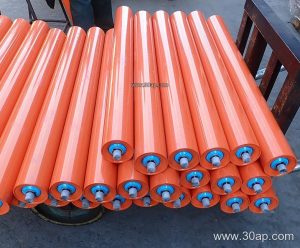
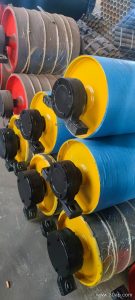
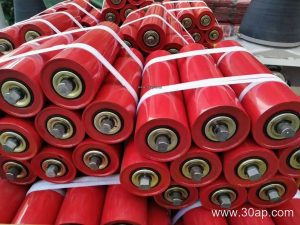
A 1000mm belt is often paired with 1020mm or 1200mm diameter conveyor pulleys at the head, and with matching idler roller sets on the carrying and return sides. These pairings follow the conveyor design, not a fixed rule, so the pulley and shaft sizes should be calculated from belt tension and load.
Where This Width Fits
The capacity of a 1000mm belt makes it a workhorse in quarry conveyor belt and aggregate conveyor belt circuits, crusher conveyor belt discharge lines, and sand making plant conveyor belt systems. It also appears in cement plant conveyor belt galleries, power plant conveyor belt coal yards, steel plant conveyor belt feedstock lines, and port conveyor belt or ship loading conveyor belt systems where a steady stream of ore or bulk material must be moved. In mining, a heavy-duty mining conveyor belt at this width may run as an underground conveyor belt or as a surface ore conveyor belt feeding a stockpile.
For material with a steep incline, a chevron conveyor belt or corrugated sidewall conveyor belt in 1000mm width can prevent rollback. Where dust control and spillage are priorities, a skirted conveyor belt is worth considering. A pipe conveyor belt is a different concept and is used when the cargo must be fully enclosed along the route.
What Buyers Should Check
- Confirm the tensile grade required at the drive, not just the belt width. A 1000mm belt may be EP630 in one plant and ST1600 in another.
- Match the cover grade to the cargo: abrasion, heat, oil, flame, or cold resistance each changes the compound.
- Check the minimum pulley diameter recommended for the selected carcass, and verify conveyor pulley, idler roller, and conveyor bracket dimensions against the belt line.
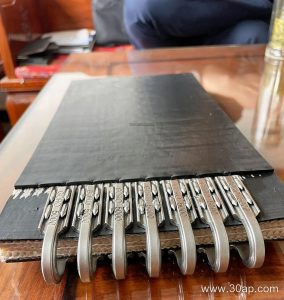
- Decide on splice type: an endless conveyor belt with a vulcanised joint runs more smoothly than a mechanically fastened belt on high-speed lines.
- Review cover thickness against impact and wear points, especially under crusher discharge and transfer chutes.
- Ask for the manufacturer’s data sheet for the exact grade, since reference values vary between suppliers.
Well-chosen 1000mm conveyor belt stock, combined with correctly sized conveyor pulley and idler roller components, keeps a bulk handling line running with fewer stoppages. Buyers who match carcass, cover, and splice to the actual duty get far more service life than those who select on width alone.