What a High-Capacity Trough Idler Does
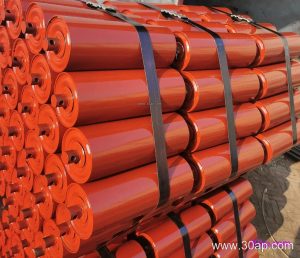
A high-capacity trough idler is the load-bearing component that shapes a conveyor belt into a trough, keeping bulk material centered and supported on the carrying side. In high-tonnage operations—such as a copper ore transfer line, a limestone quarry, or a power plant coal yard—the trough idler must handle continuous impact, abrasive dust, and heavy belt tension without frequent replacement. This idler is not simply a larger version of a standard roller; its wall thickness, bearing selection, and seal design are adapted to sustained high load. The same product is also called a heavy-duty trough roller or high-load trough idler, and those terms refer to the same assembly throughout this article.
Construction and Key Components
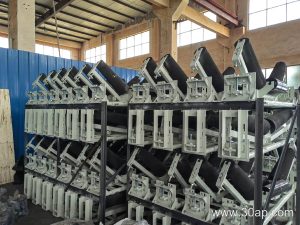
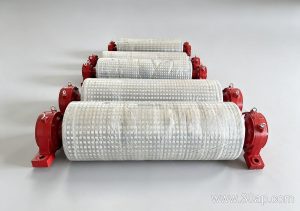
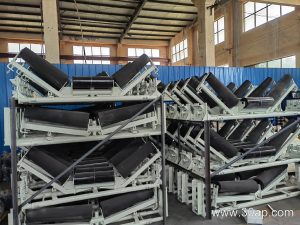
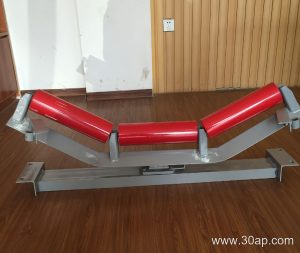
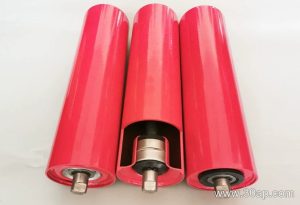
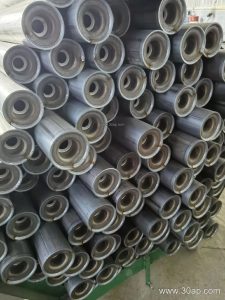
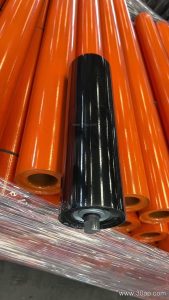
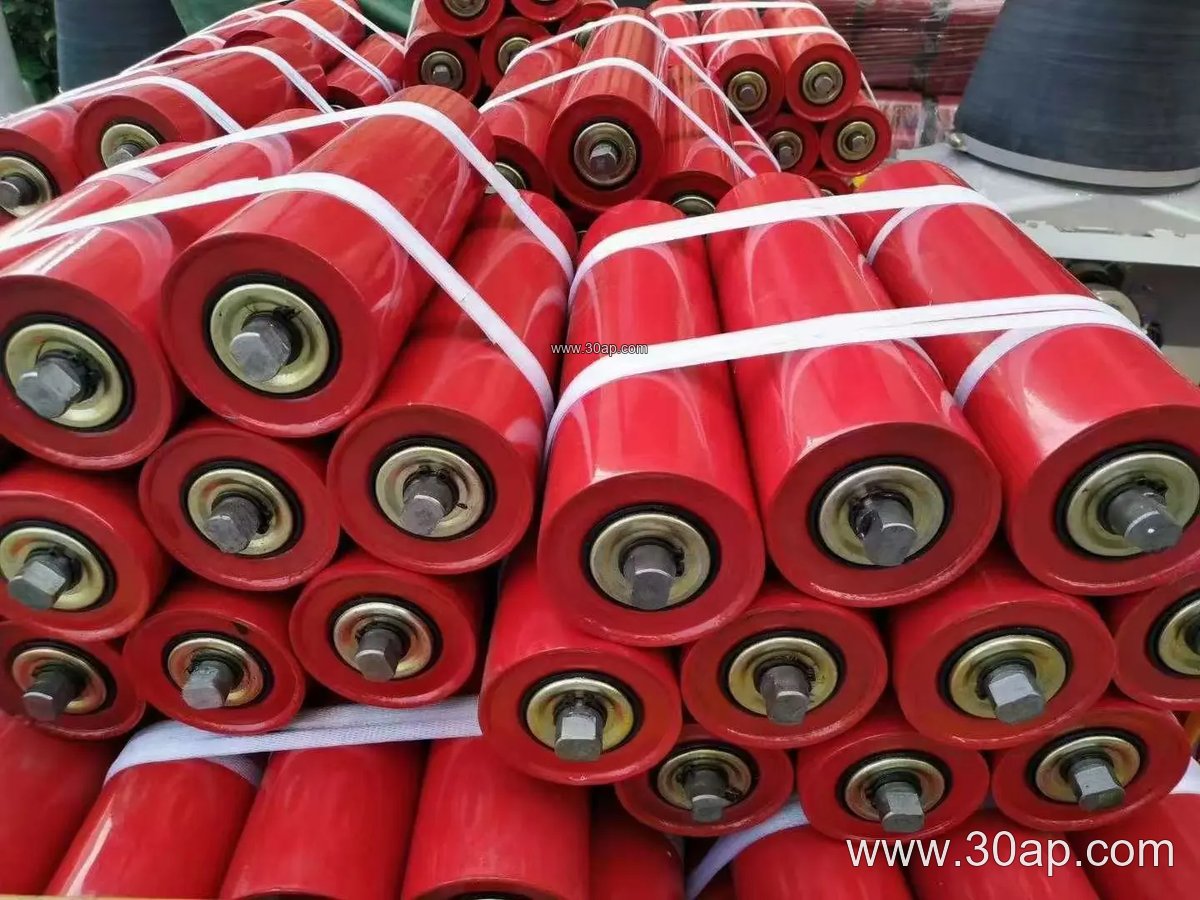
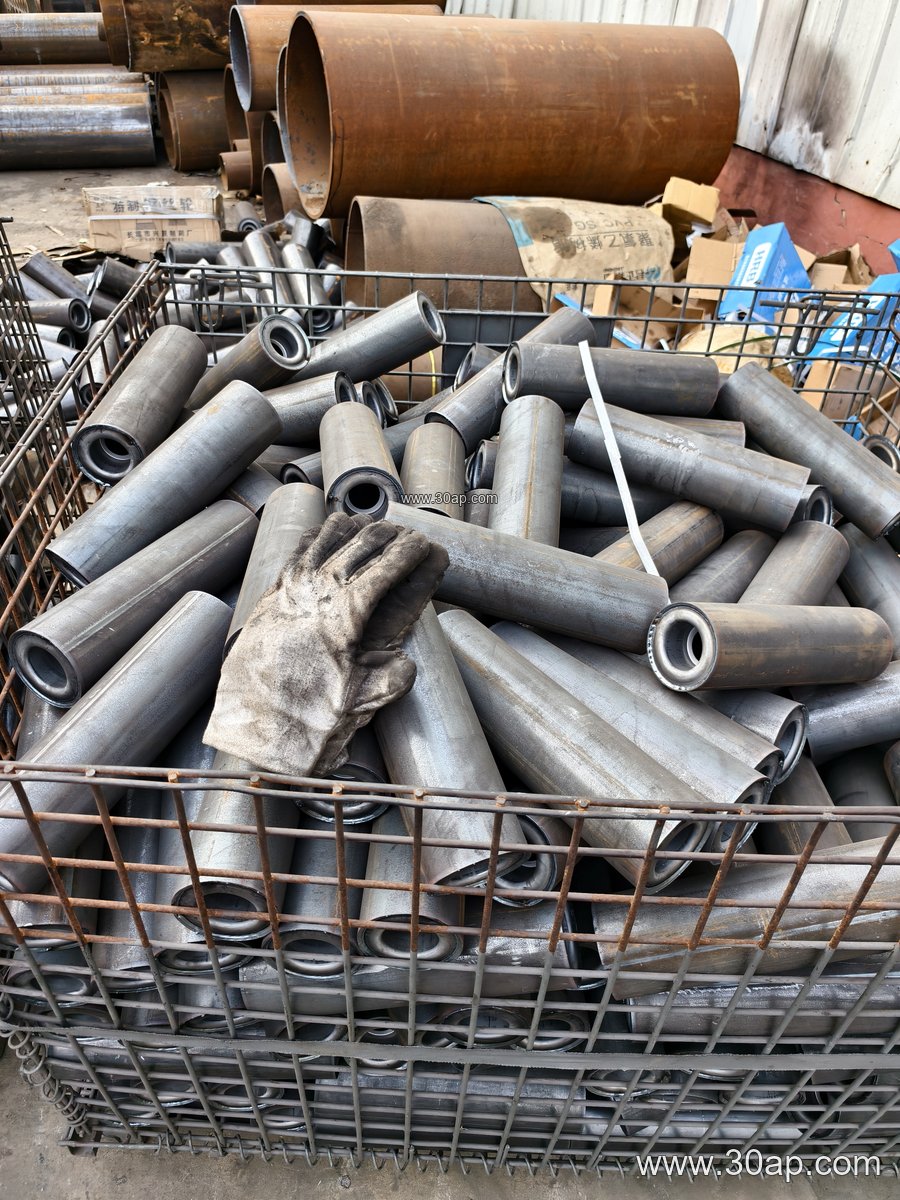
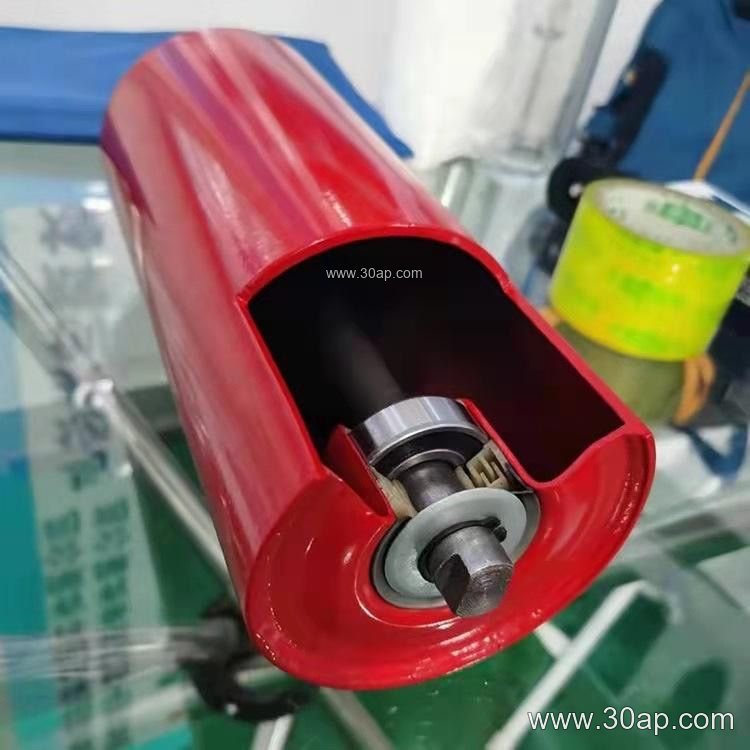
A typical high-capacity trough idler group uses three rolls arranged at a trough angle, though two-roll and single-roll designs exist for specific belt widths. The roller shell is usually made from steel tube, with nylon, ceramic, or rubber rings available for different wear conditions. Rubber rings are common on impact zones near a crusher discharge, while ceramic or nylon surfaces may be chosen where build-up or abrasion is a concern. The shaft runs through sealed bearing housings, and common bearing sizes include 6205, 6305, 6306, 6308, and 6310. Bearing selection should follow the actual load and speed rather than a single rule tied to belt width. Seals are critical: in a coal preparation plant or a cement plant, fine dust ingress shortens bearing life faster than load does, so a multi-stage labyrinth seal is often preferred.
Common Roller Diameters and Belt Widths
Roller diameter and belt width are matched by design, not by a fixed table. The following values are common references, not mandatory combinations.
- Roller diameters: Ø89, Ø102, Ø108, Ø127, Ø133, Ø159, Ø178, Ø194, Ø219 mm
- Belt widths: B500, B650, B800, B1000, B1200, B1400, B1600, B1800, B2000 mm
- Trough angles: 20°, 30°, 35°, 45°
- Roller length for a three-roll trough set: approximately 200 mm at B500, 250 mm at B650, 315 mm at B800, 380 mm at B1000, 465 mm at B1200, 530 mm at B1400, 600 mm at B1600, 670 mm at B1800, and 750 mm at B2000
These roller lengths are typical examples for three-roll trough sets; side rollers and center rollers can differ. A high-capacity trough idler for a 1200 mm wide conveyor belt may use a larger diameter and thicker shell than a standard duty unit, but the final selection depends on load, speed, and material characteristics.
Where High-Capacity Trough Idlers Are Used
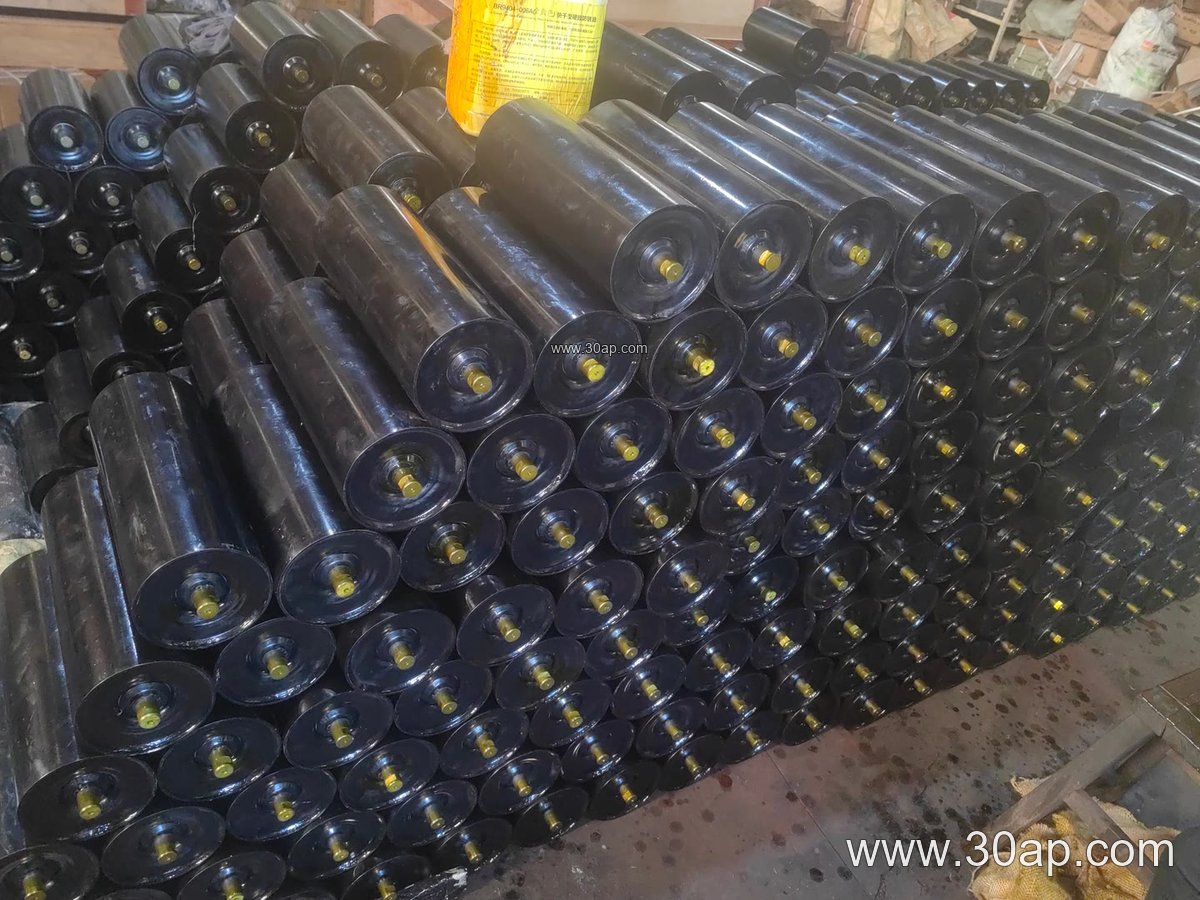
These idlers appear in primary crushing circuits, overland conveyors, and transfer points where belt loading is heavy. In an iron ore terminal or a sinter plant, the combination of sharp material and high throughput calls for reinforced shells and wear-resistant surfaces. In a sand and gravel line, a high-capacity trough idler under the crusher discharge absorbs impact that would quickly damage lighter rollers. The same idler type is also used on the carrying side of a belt conveyor in a cement plant’s clinker transport, where heat-resistant and abrasion-resistant belt grades are common. For the belt itself, matching the idler’s load rating with an appropriate EP conveyor belt or steel cord conveyor belt helps avoid edge damage and mistracking.
Selection and Maintenance Notes for Buyers
Buyers should confirm the belt width, trough angle, and actual load per idler rather than assuming a standard roller will fit. The conveyor bracket and frame dimensions must match the idler’s shaft ends and mounting centers. In dusty or wet conditions, seal quality and bearing clearance matter as much as shell thickness. For a quarry conveyor belt or a mining conveyor belt handling abrasive rock, rubber-ring impact idlers at transfer points and high-capacity trough idlers along the carrying run are a practical pairing. Routine checks should include roller rotation, seal condition, and alignment; a seized idler can wear through a rubber conveyor belt quickly. When replacing idlers, keep the trough angle and roller length consistent with the original design to preserve belt training.
Reference Data at a Glance
The table below summarizes common reference values. Treat them as design guidance, not verified universal specifications.
- Roller diameter range: Ø63 to Ø219 mm
- Common bearing numbers: 6204, 6205, 6305, 6306, 6308, 6310
- Trough angle options: 20°, 30°, 35°, 45°
- Roller surface options: steel tube, nylon, ceramic, rubber rings
For high-capacity service, specify the expected load, belt speed, and material abrasiveness so the supplier can recommend shell thickness and bearing size. A high-capacity trough idler is a long-term investment in conveyor uptime, and the right specification depends on the entire system—belt, frame, and loading conditions—rather than on one isolated dimension.