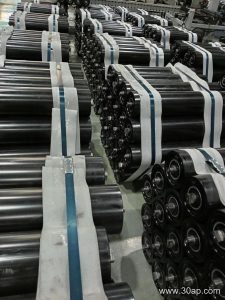
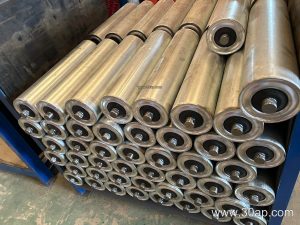
What the Ø89 Conveyor Idler Is
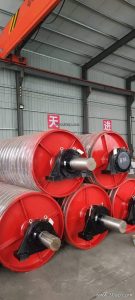
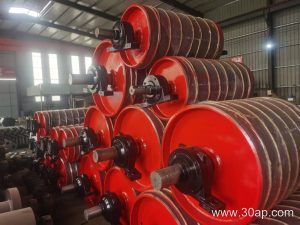
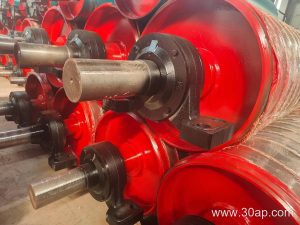
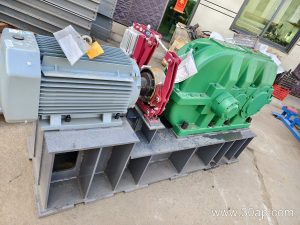
The Ø89 conveyor idler is a carrying or return roller with an 89 mm outside diameter shell, commonly used on small to medium belt conveyors. In a quarry, a sand and aggregate line, or a cement plant transfer point, this idler roller supports the conveyor belt and keeps it tracking along the frame. It is a rotating component, not a drive part — the drive pulley, tail pulley and bend pulley remain separate items with separate duties, and none of them can be swapped for an idler.
The 89 mm diameter sits between the smaller Ø76 and the heavier Ø102 and Ø108 sizes. That makes it a practical middle choice for B500 to B800 belts in many light and medium duty layouts, though the final match always depends on belt width, load, speed and the idler set design rather than on one number alone.
How a Ø89 Idler Is Built
A typical unit has a steel tube shell, welded end caps, a through shaft, and sealed bearings inside. Common bearing sizes in this class include 6204 and 6205, and sometimes 6305 where the load calls for it. The seal arrangement matters as much as the bearing itself, because dust and fine grit are what shorten service life in aggregate and cement service.
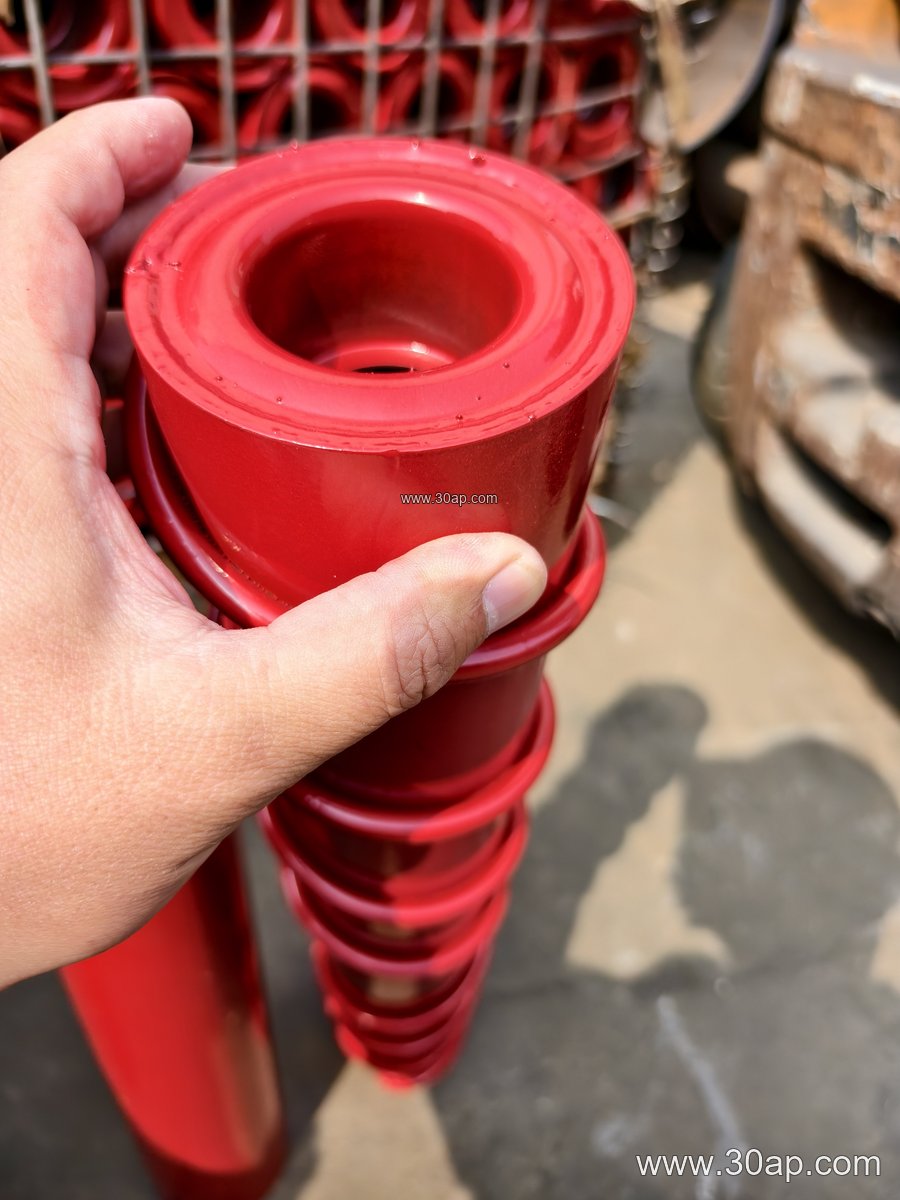
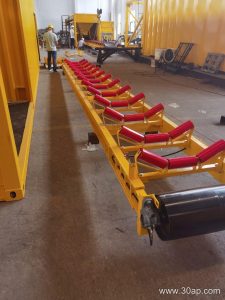
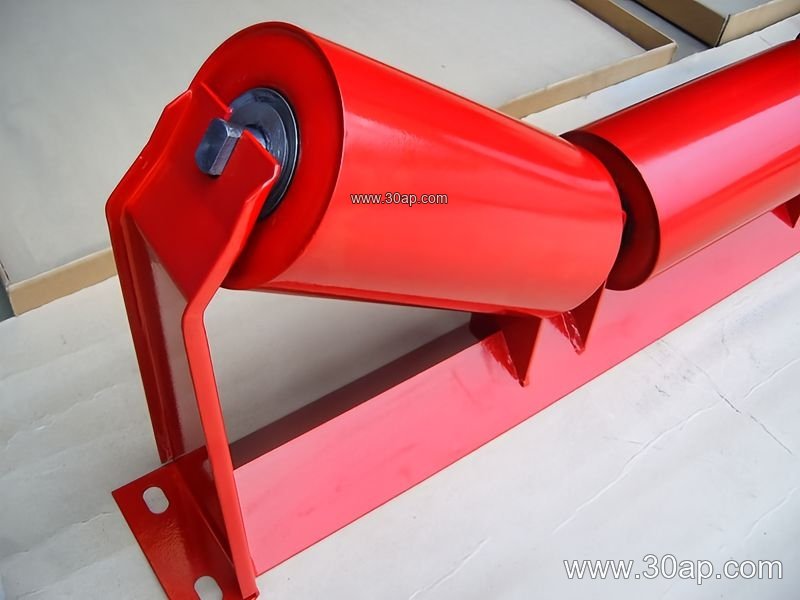
Shell surfaces vary. A plain steel tube suits general duty; a rubber ring version is used at impact points; nylon or ceramic covers appear where sticky material or wear is a problem. The idler is mounted in a conveyor bracket or frame, and the assembly may be a single roller, a two-roll set, or a three-roll troughing set.
Common reference values for Ø89 idlers
The table below shows typical ranges used for planning. These are reference figures, not fixed combinations, and side rollers can differ from the centre roller.
- Roller diameter: Ø89 mm
- Belt width range where it is often seen: B500, B650, B800
- Troughing angles: 20°, 30°, 35°
- Bearing options: 6204, 6205, 6305
- Roller length examples for three-roll troughing: about 200 mm at B500, 250 mm at B650, 315 mm at B800
Where It Fits on the Conveyor
Troughing idlers form the carrying side, with three rolls set at a trough angle to cup the belt and hold bulk material. Return idlers support the empty belt underneath; a flat return roller or a V-return set is common. At a transfer chute, impact idlers with rubber rings absorb the drop energy from crusher discharge or screen feed.
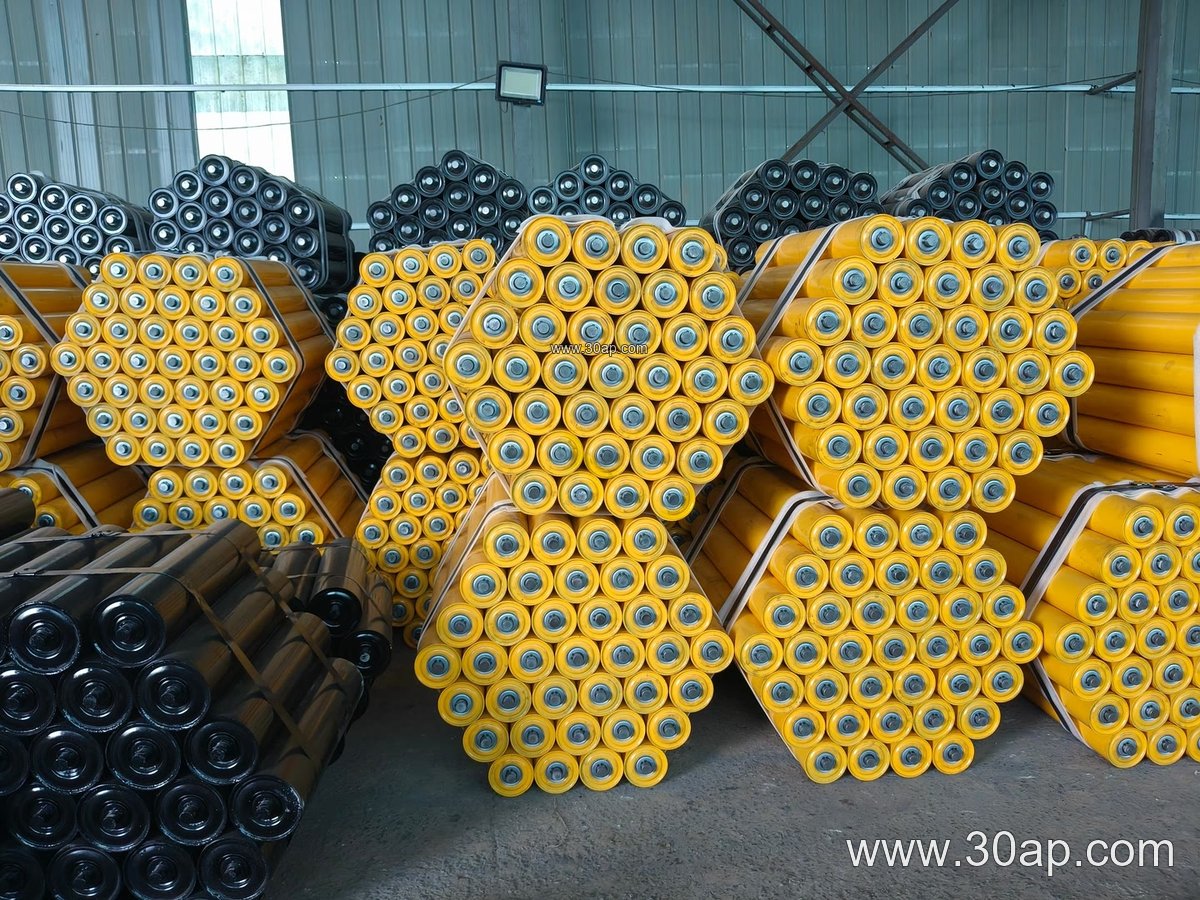
In a coal washing plant or a power plant coal handling line, the Ø89 idler often appears on the smaller feeder and transfer belts rather than on the main high-tonnage trunk conveyor. The same applies in a concrete batching plant or a fertilizer handling line, where belt widths are modest and the load is controlled. For the main line, a larger diameter such as Ø108, Ø127 or Ø133 is more usual.
Belt construction should be considered together with the roller. An EP conveyor belt or a multi-ply fabric core belt behaves differently from a steel cord conveyor belt under the same troughing angle, and a heat resistant conveyor belt or flame retardant conveyor belt used underground may require specific roller clearances and materials. A chevron conveyor belt or corrugated sidewall belt also affects how the idler contacts the belt surface.
Choosing the Right Size
Buyers should confirm four things before ordering: the belt width, the idler set type (carrying, return, impact or training), the roller length and shaft end fitting, and the environment. Dust, moisture, temperature and material abrasiveness decide whether a standard steel shell is enough or whether a rubber ring, ceramic or nylon surface is warranted. A cold resistant conveyor belt in an outdoor yard or an oil resistant conveyor belt in a recycling line may also call for seal and cover choices that suit the conditions.
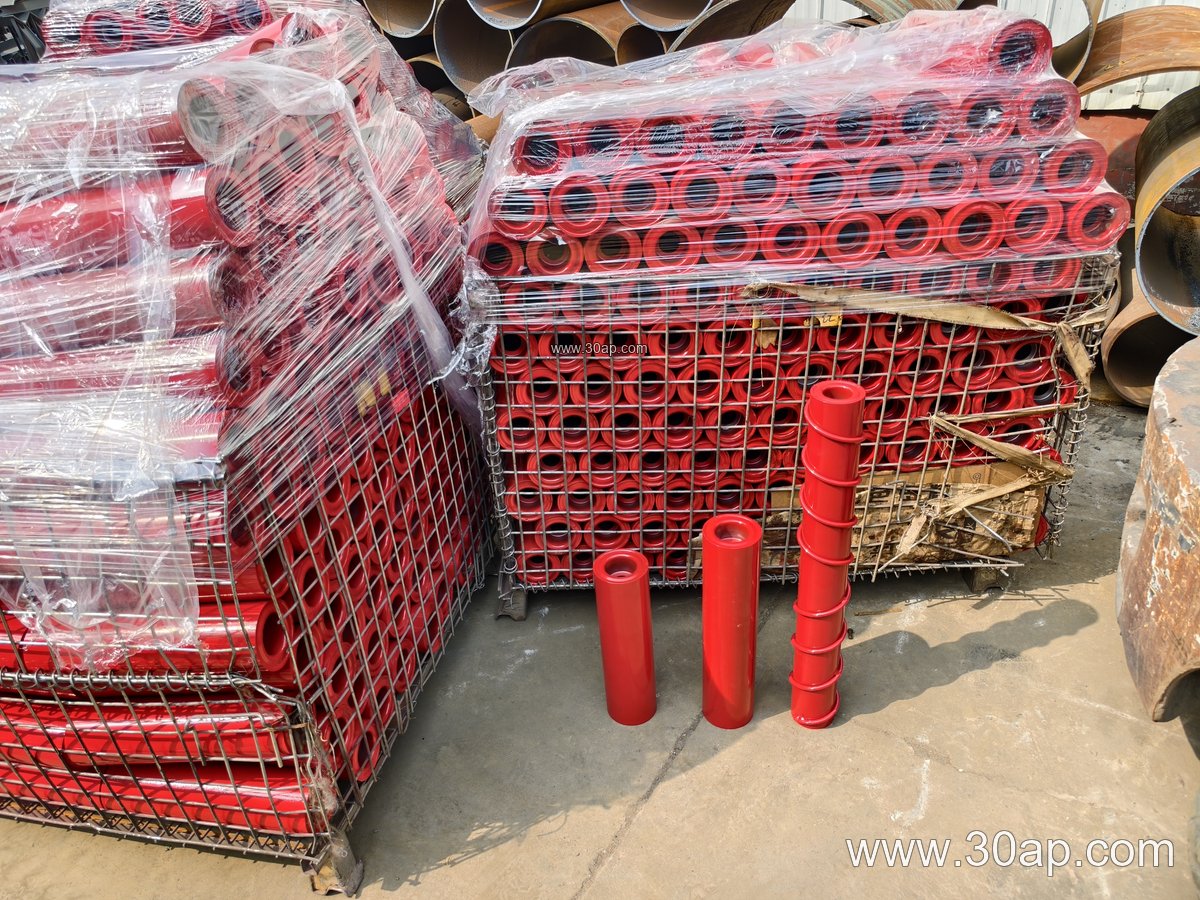
Do not assume that one belt width locks in one pulley diameter or one shaft size. Shaft diameter follows the load calculation and the frame design, not the belt width alone. Training idlers, including friction and tapered self-aligning types, are a separate choice from plain carrying idlers and should be specified where belt wander is a known issue.
Maintenance Notes
Check for seized rollers, worn shells and loose brackets on a regular walk-down. A noisy or dragging idler roller raises belt tension and can damage the conveyor belt edge. Replace seals or complete rollers before wear reaches the shell. Keep spare units of the common sizes on hand so that a stopped transfer point in a crushing or screening circuit does not halt the whole line.
For matching conveyor components, confirm dimensions with the frame drawing and review the belt specification, whether that is an abrasion resistant conveyor belt, a high temperature conveyor belt or a heavy-duty mining conveyor belt, so the Ø89 idler is applied where it belongs.