What an Idler Bearing Does on a Conveyor
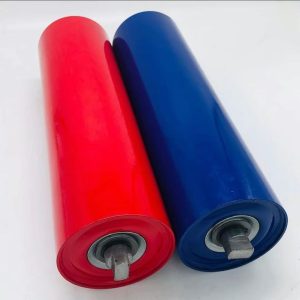
The idler bearing is the small but critical component that allows the idler roller to rotate freely under the conveyor belt. Without a reliable bearing, friction increases, power consumption rises, and the belt may wear prematurely. In industries such as mining, cement plants, power stations, and quarry operations, idler bearings keep bulk material moving smoothly along the conveyor line. Whether you are running a Rubber Conveyor Belt in a sand and gravel plant or a heavy-duty Mining Conveyor Belt at a coal mine, the bearing inside each idler plays a direct role in uptime and energy efficiency.
How an Idler Bearing Is Built
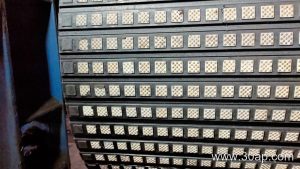
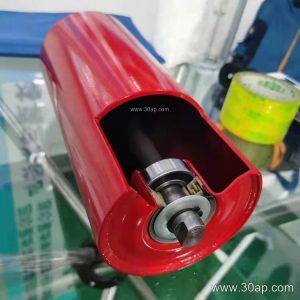
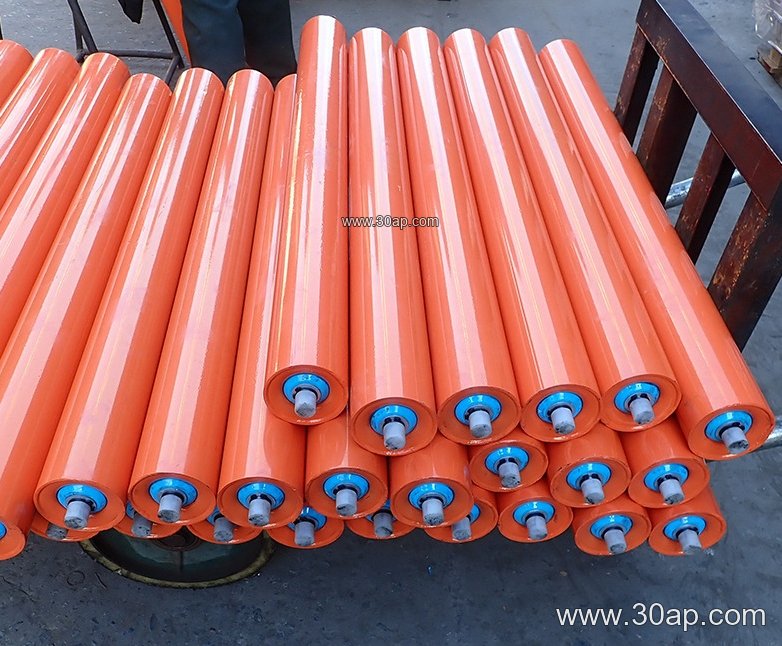
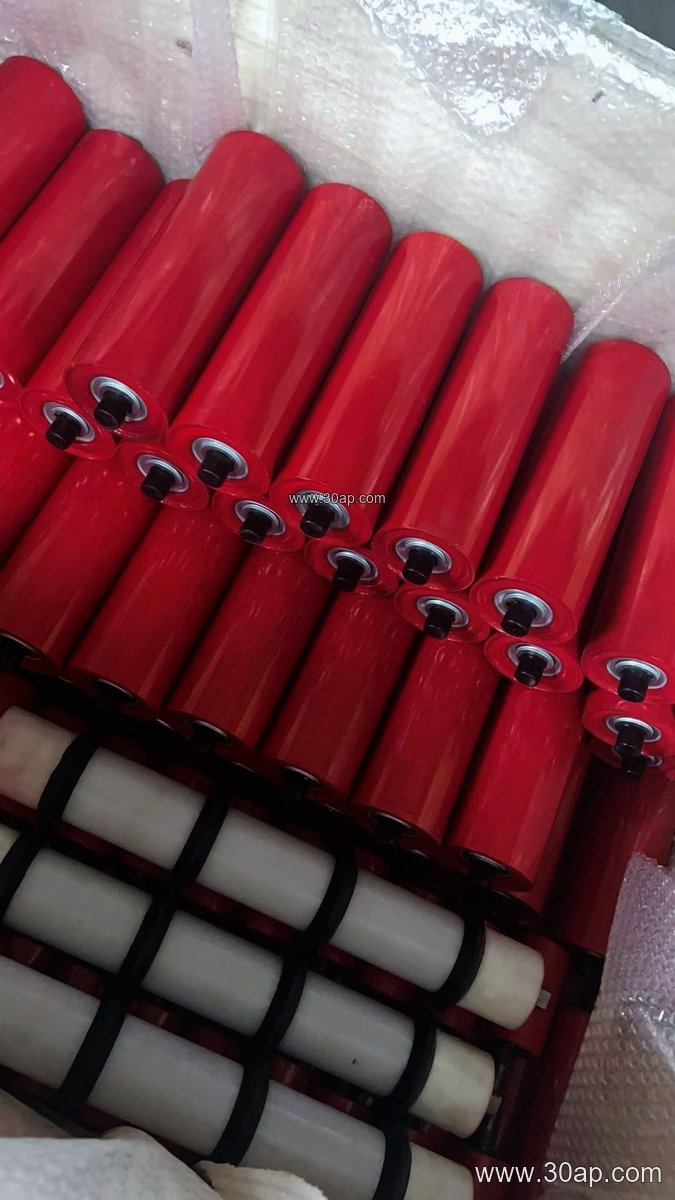
Most idler bearings are deep-groove ball bearings sealed on both sides to keep out dust and moisture. Common sizes include 6204, 6205, 6305, 6306, 6308, and 6310, but the bearing size is matched to the roller diameter, load, and speed—not to a single fixed rule. The bearing sits inside a housing at each end of the roller shell, lubricated for long service. The roller surface may be steel, nylon, ceramic, or rubber-disc, and the bearing must suit the environment. For example, a Heat Resistant Conveyor Belt in a cement kiln area demands bearings that tolerate elevated temperatures, while a Flame Retardant Conveyor Belt underground requires designs that reduce spark risk.
Where Idler Bearings Are Used
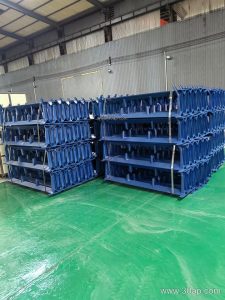
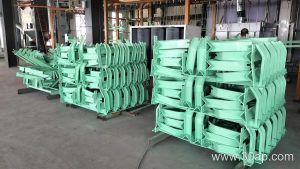
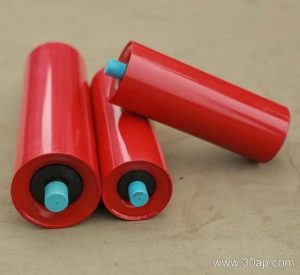
Idler bearings appear in carrying idlers, return idlers, impact idlers, and self-aligning idlers along the conveyor. In a limestone quarry, three-roll troughing idlers with bearings in the 6205 or 6305 range are common on 800 mm to 1200 mm wide belts. In a power plant coal yard, wider belts such as 1400 mm or 1600 mm may use larger bearings like 6308 or 6310. The bearing must handle the load from the EP Conveyor Belt or Steel Cord Conveyor Belt and the material being carried. A crusher discharge point often uses impact idlers with rubber rings, where the bearing absorbs shock loads from rock and ore.
Key Parameters for Buyers
When specifying idler bearings, consider the roller diameter, belt width, load, speed, and environmental conditions. The table below shows typical reference values; actual selection should follow the conveyor design.
| Parameter | Common Reference |
|---|---|
| Bearing sizes | 6204, 6205, 6305, 6306, 6308, 6310 |
| Roller diameters (mm) | Ø63, Ø76, Ø89, Ø102, Ø108, Ø127, Ø133, Ø159, Ø178, Ø194, Ø219 |
| Belt widths (mm) | B400, B500, B650, B800, B1000, B1200, B1400, B1600, B1800, B2000, B2200, B2400 |
| Trough angles | 20°, 30°, 35°, 45° |
| Roller surface | Steel, nylon, ceramic, rubber disc |
Note that a given belt width does not fix one pulley diameter or one bearing size. The idler bearing should be selected based on the actual load and speed. For a NN Conveyor Belt running at moderate tension, a 6205 bearing in a Ø89 roller may be adequate; for a heavy Abrasion Resistant Conveyor Belt carrying iron ore, a larger bearing may be needed.
Maintenance and Replacement Tips
Sealed bearings require little maintenance, but regular inspection helps spot early failure. Listen for squealing, check for wobble, and look for grease leakage. In dusty environments such as a cement plant or a coal washing plant, keep the conveyor bracket and idler housing clean to prevent seal damage. When replacing an idler bearing, match the bearing number and ensure the replacement is properly sealed for the site conditions. Avoid mixing bearings of different sizes on the same idler set, as this can cause uneven rotation and belt tracking issues.
Choosing the Right Idler Bearing
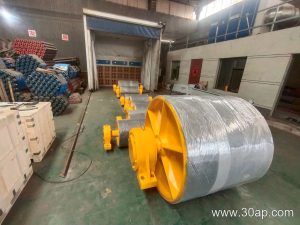
Selecting an idler bearing is not just about size—it is about matching the bearing to the conveyor duty. Consider the belt type, such as a Chevron Conveyor Belt for inclined haulage or a Corrugated Sidewall Conveyor Belt for steep angles, because these belts may impose different side loads. Also account for the conveyor pulley and conveyor bracket layout. A well-chosen idler bearing reduces downtime, extends roller life, and keeps the conveyor belt running efficiently in any aggregate, mining, or industrial application.