What Dimension Should You Fix First for an Idler Roller in a Dusty Quarry?
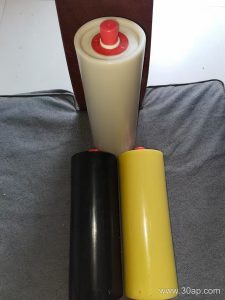
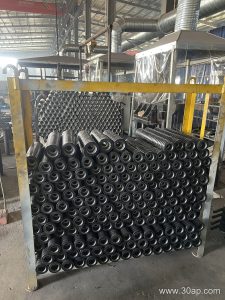
For a hypothetical quarry conveyor with a 900 mm belt width, the meaningful constraint is roll face length. The idler roller must sit inside a standard 1050 mm frame, so the face length should be about 950 mm to allow clearance. Given a 300 mm spacing between rolls, a trough idler roller with 100 mm diameter and 950 mm face length fits the frame and supports the belt without contact.
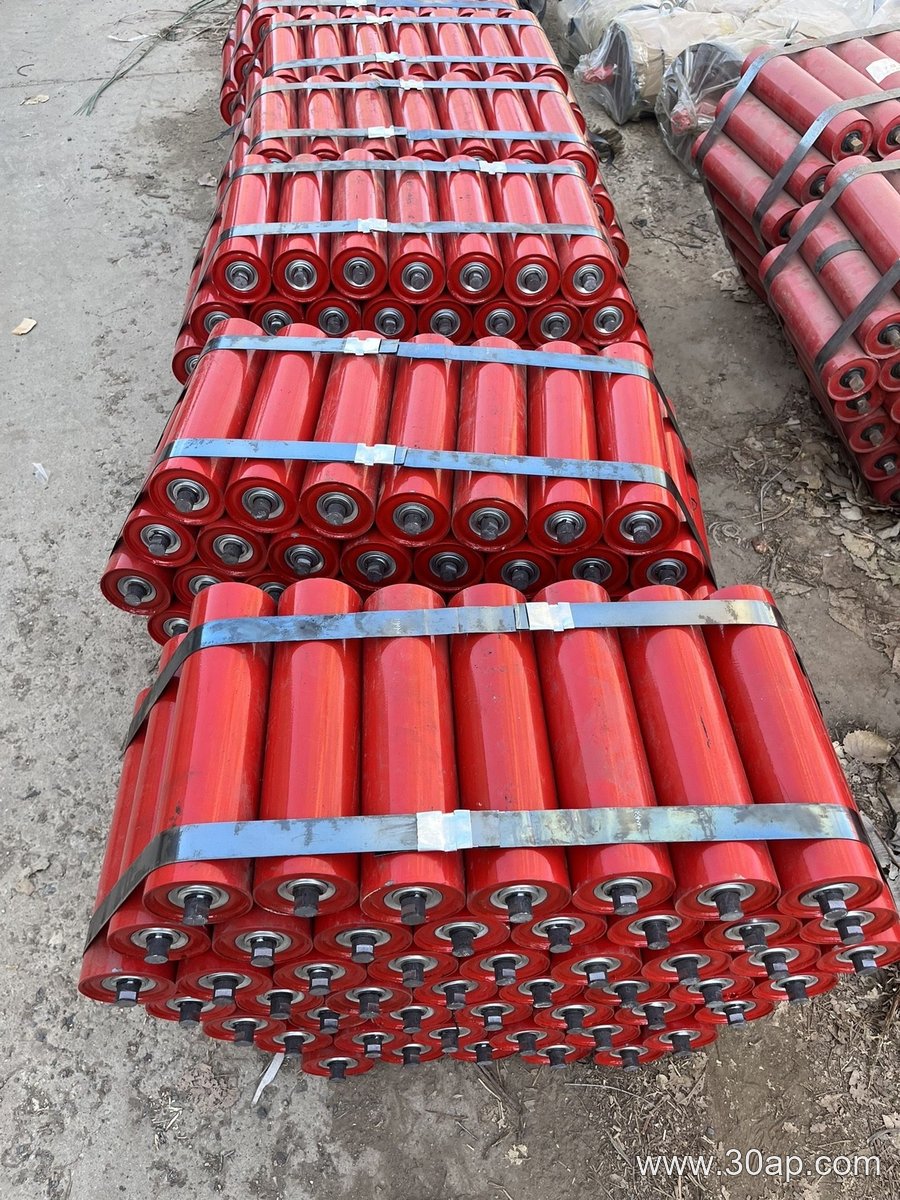
Confirm the bearing housing outside diameter, shaft end shape, and mounting slot before ordering. Dust sealing and cartridge-style bearings suit the quarry environment, but the face length remains the dimensional anchor for the project.
Why Conveyor Pulley Cost Is Not Just a Price Tag
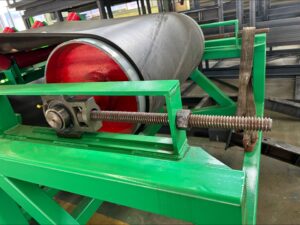
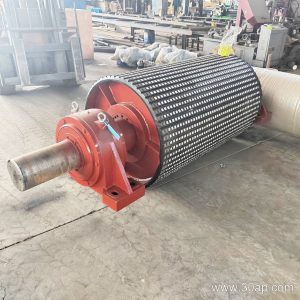
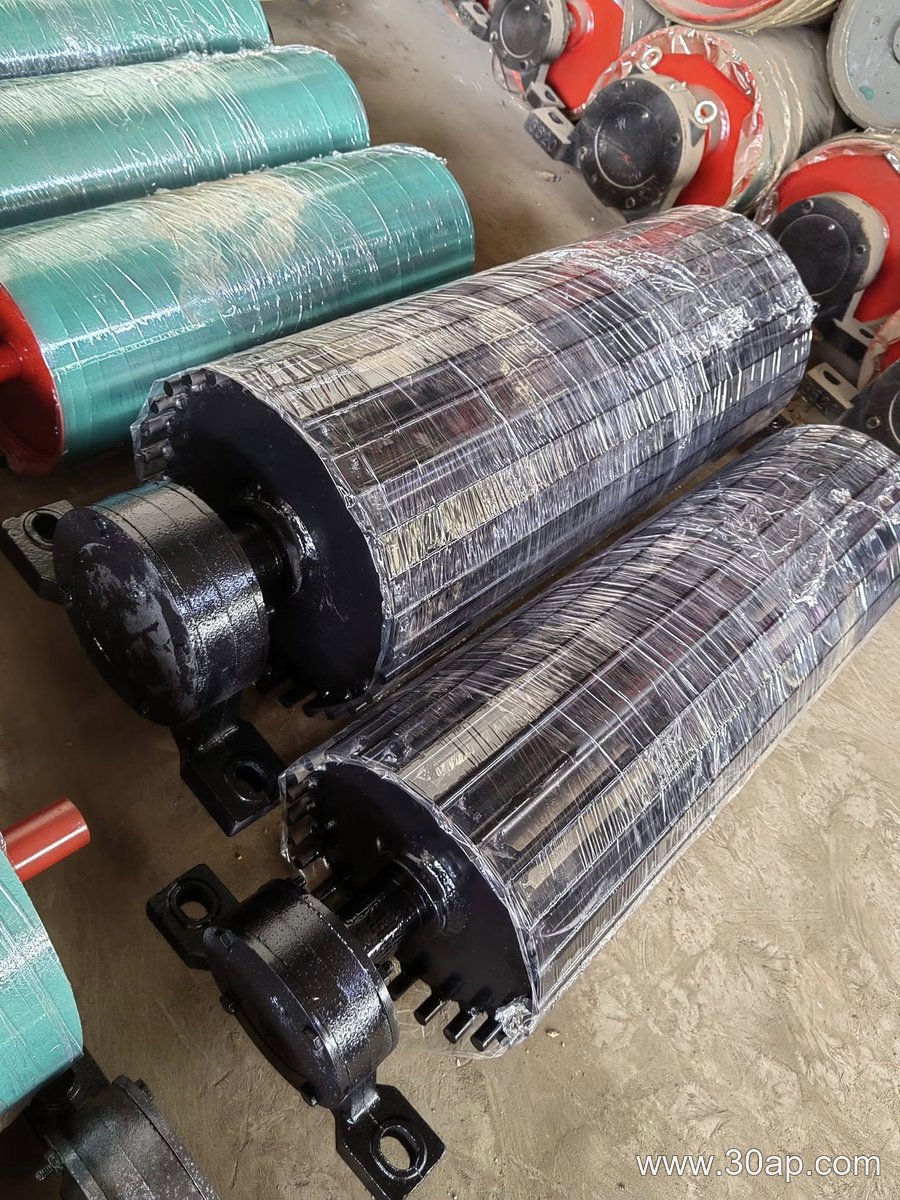
A common misconception is that all conveyor pulleys of a given size cost roughly the same. In a cement plant, where dust, heat, and heavy loads are routine, the real cost of a conveyor pulley is shaped by four major factors: material selection, dimensional requirements, manufacturing method, and freight. Understanding these helps buyers compare options without relying on guesswork.
Material Choice Sets the Baseline
The steel grade and lagging type strongly influence cost. Carbon steel is typical for many cement plant pulleys, while abrasion-resistant or stainless options raise the starting point. Lagging—rubber, ceramic, or plain—adds material and labor.
Dimensions and Load Capacity
Larger diameters, longer faces, and thicker shafts require more steel and machining time. A pulley designed for higher belt tension or wider belts will cost more than a lighter-duty unit, even if both fit the same conveyor.
Manufacturing Process and Quality Control
Welding, balancing, machining, and surface preparation all add cost. A pulley that is dynamically balanced and machined to tight tolerances will cost more than a basic welded unit, but it may reduce vibration and downtime in a cement plant.
Freight and Logistics
Weight and volume drive shipping costs. A heavy, large-diameter conveyor pulley may require special handling or crating. Freight can be a significant portion of the delivered cost, especially for overseas sourcing.
FAQ
Does a higher-cost conveyor pulley always last longer?
Not necessarily. The right material and manufacturing quality for the specific duty matter more than a higher price alone.
Can I reduce cost by specifying a smaller pulley?
Only if the belt tension, speed, and shaft loads allow it. Undersizing can lead to premature failure.
Why Conveyor Bracket Performance Matters in Dusty Quarries
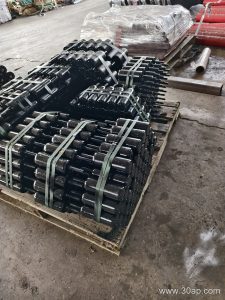
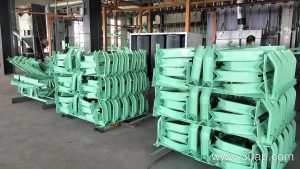
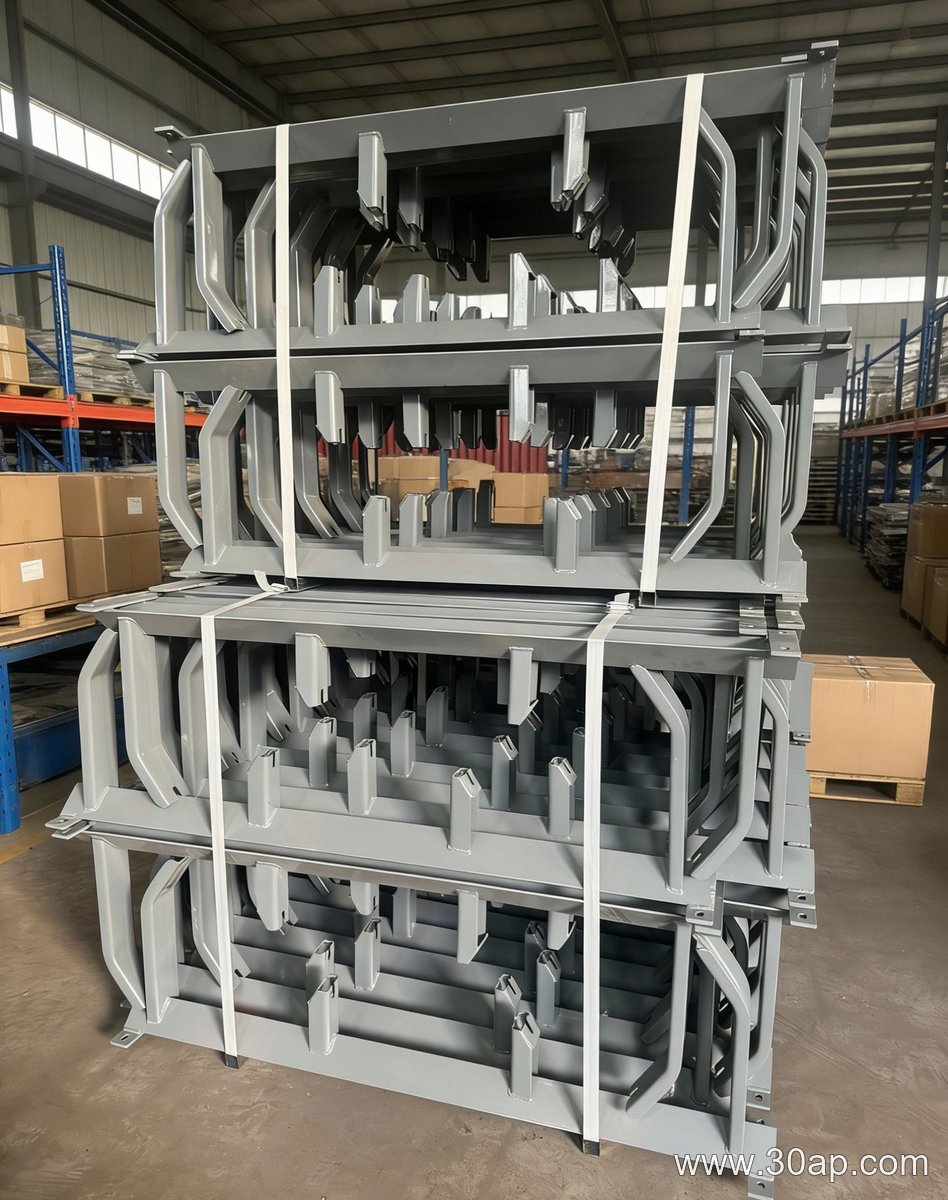
In a dusty quarry, a conveyor bracket must resist abrasion and dust ingress without compromising alignment. A common trade-off is between open, easy-to-clean designs and sealed, protected ones. Open brackets shed dust but wear faster; sealed brackets last longer but trap particles if not maintained.
Design and Material Trade-offs
Consider a hypothetical quarry conveyor with a 1000 mm belt. A Q355 conveyor bracket offers strength, but in abrasive dust, a non-standard conveyor bracket with wear liners may last longer. Adjustable brackets ease alignment but add joints that can seize. Fixed brackets are simpler but less forgiving.
Maintenance and Selection Tips
- Inspect brackets monthly for dust buildup.
- Choose adjustable designs only if alignment changes are expected.
- Use wear-resistant materials where dust is highly abrasive.
Always balance initial cost against downtime risk.
Conveyor Belt Cover Grades in a Dusty Quarry
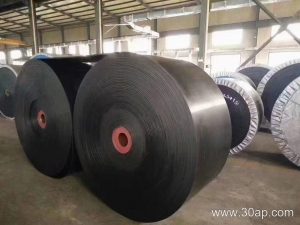
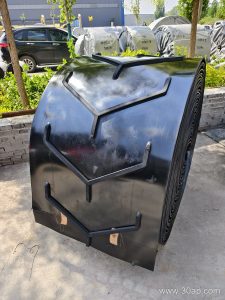
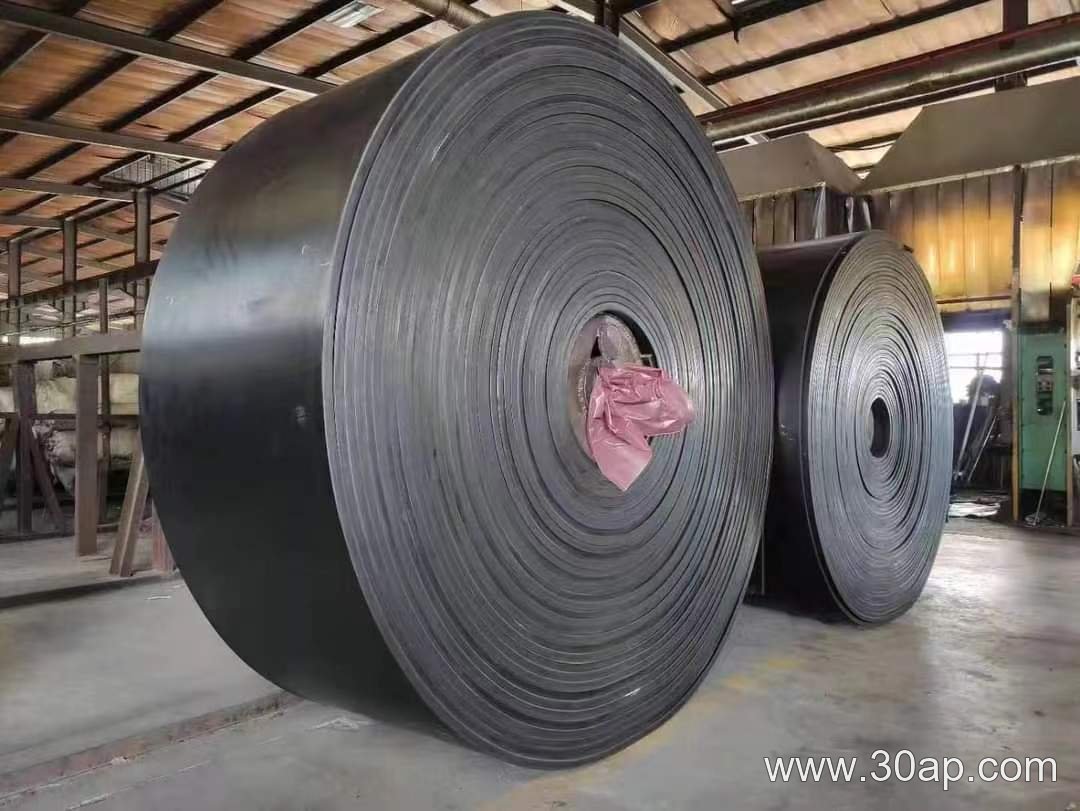
In a dusty quarry, a conveyor belt fails at the cover long before the carcass gives out. The choice between an abrasion-resistant grade and a cut-and-gouge grade is the central trade-off.
Construction Materials and Their Limits
- Standard abrasion grade: high wear resistance on fine, sharp grit, but less tolerant of impact from large lumps.
- Cut-and-gouge grade: tougher against tearing and impact, with slightly lower pure abrasion performance.
- Carcass: EP fabric suits most quarry runs; steel cord only where tension demands it.
Match the cover to the actual load, not to a generic premium label.