What a 600mm Conveyor Belt Is
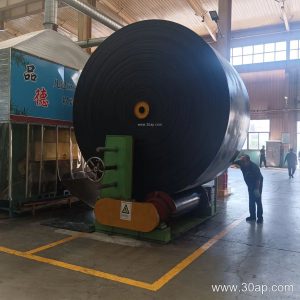
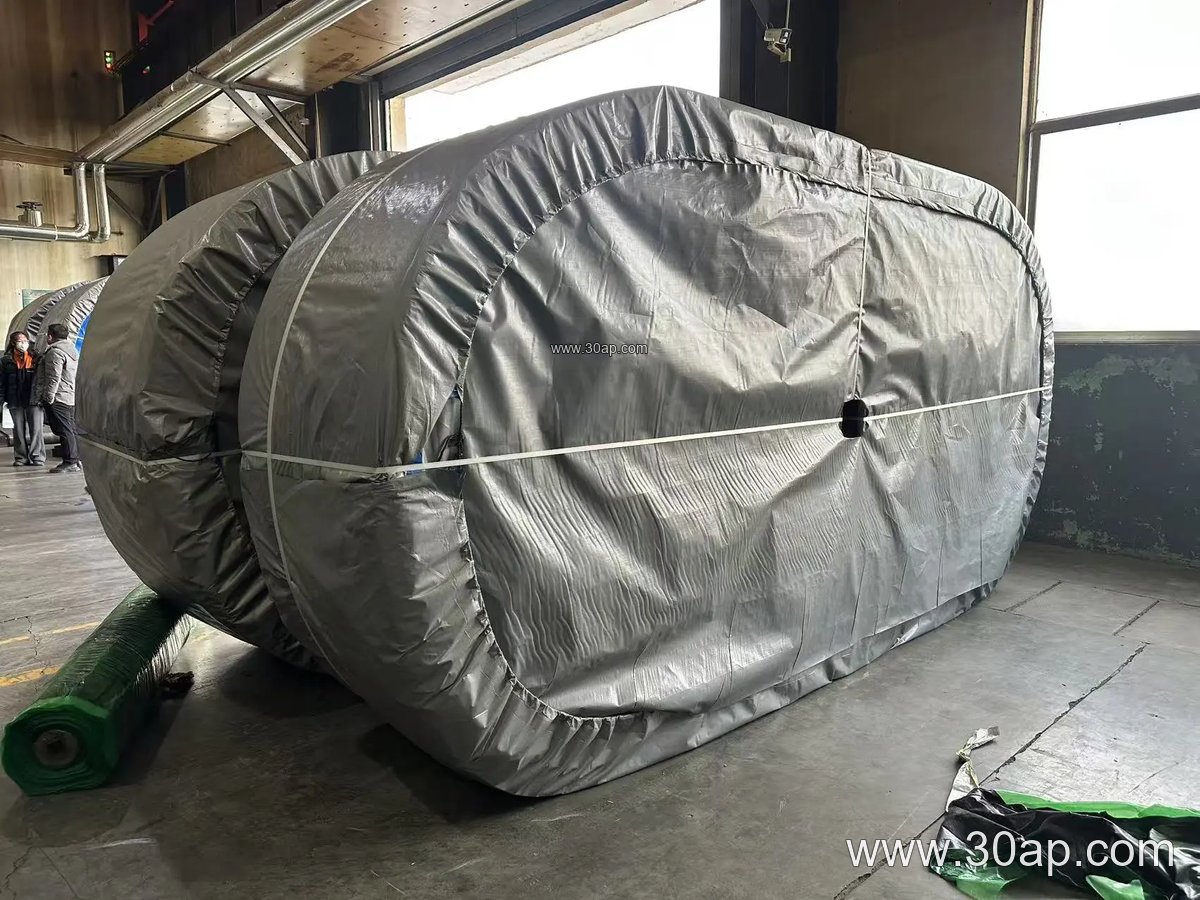
A 600mm conveyor belt is a belt with a nominal width of 600 millimeters, used on belt conveyors to move bulk materials and unit loads. In practice, this width sits in the light-to-medium range: it is wider than a 500mm belt and narrower than a 650mm or 800mm belt, which makes it a practical choice for lines with moderate tonnage and limited space. The product is often supplied as a rubber conveyor belt, and buyers may see it listed under names such as a 600mm wide conveyor belt or a B600 belt. Depending on the carcass, it can be an EP conveyor belt, an NN conveyor belt, a fabric core conveyor belt, or a steel cord conveyor belt for more demanding tension requirements.
Construction and Common Configurations
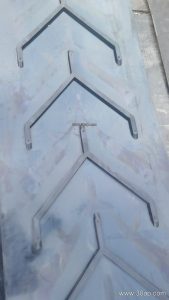
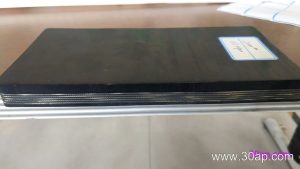
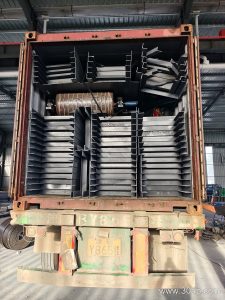
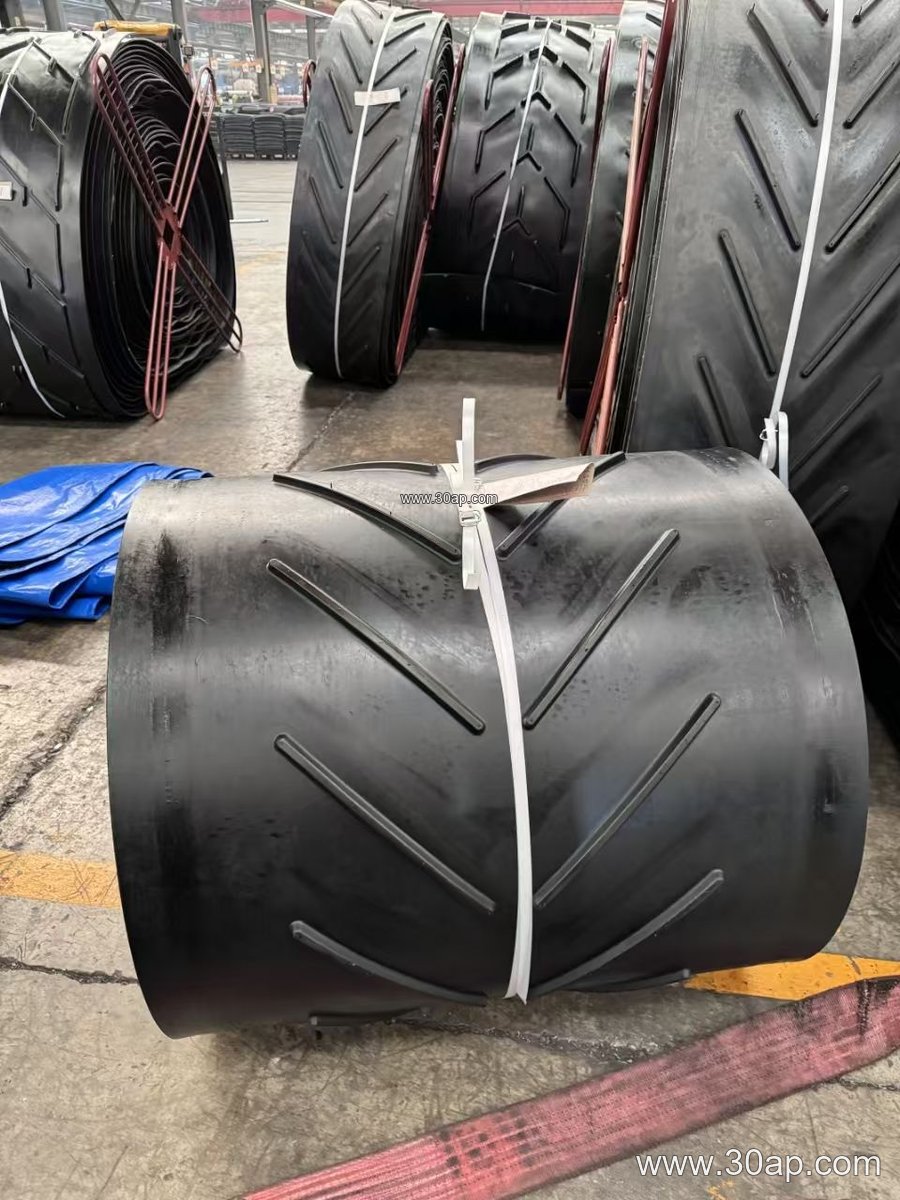
The belt is built around a tension-bearing carcass, covered on both sides with rubber or another elastomer. Fabric-core designs usually use multiple plies, while steel cord designs use brass-coated wires for higher strength. Cover grades are selected for the duty: abrasion resistant, heat resistant, oil resistant, flame retardant, anti-static, cold resistant, or acid and chemical resistant. Surface forms include plain, chevron conveyor belt, skirted conveyor belt, corrugated sidewall conveyor belt, and pipe conveyor belt for enclosed transport. Endless conveyor belt versions are made for fixed-center drives where splicing access is limited.
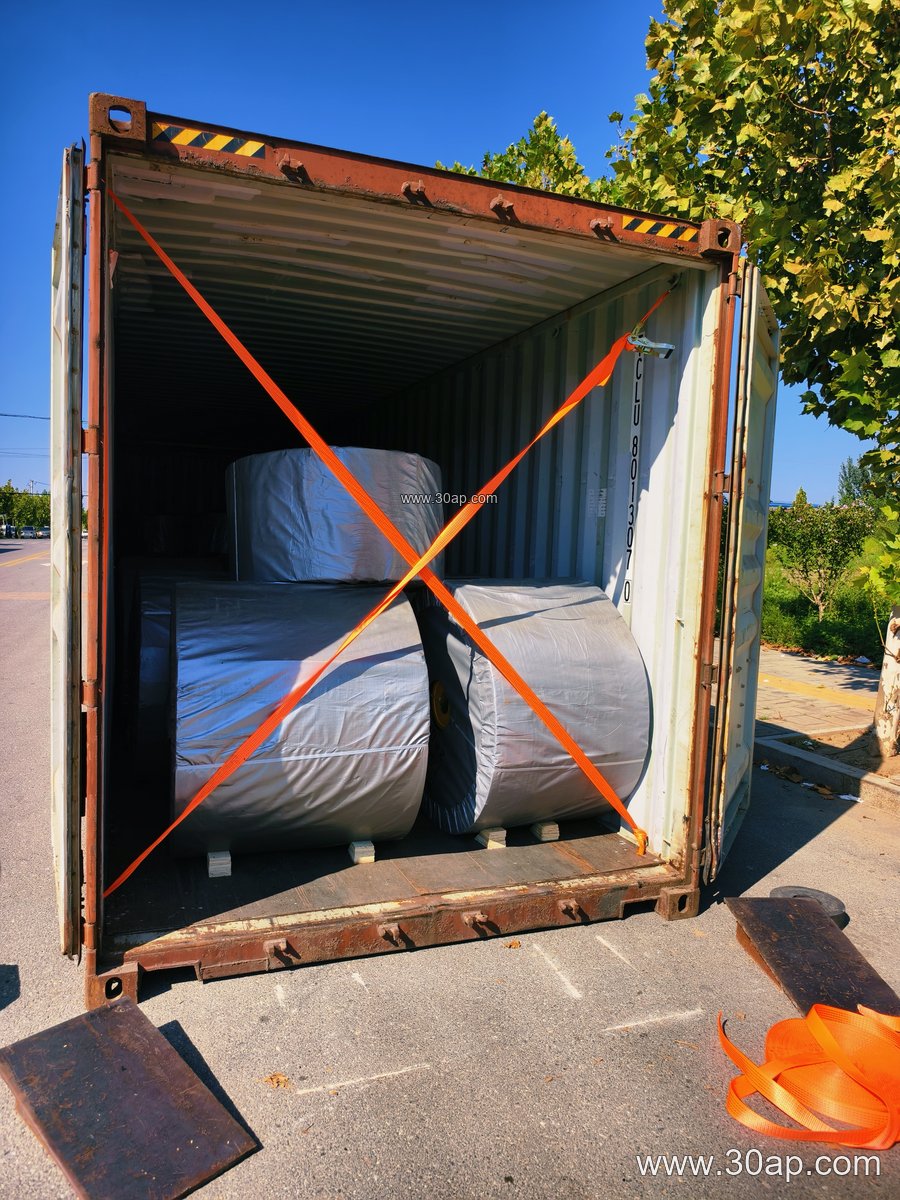
Typical reference data for a 600mm belt are shown below. These are common ranges, not a fixed catalogue; actual values are confirmed by design and by the manufacturer.
| Property | Common reference values |
|---|---|
| Belt width | 600 mm (B600) |
| Fabric carcass types | EP200, EP315, EP400, EP500, EP630, EP800, EP1000 |
| NN carcass grades | NN100, NN200, NN300, NN400 |
| Steel cord grades (where used) | ST1000, ST1250, ST1600, ST2000 |
| Number of plies | 2 to 6, depending on strength |
| Cover thickness | 3+1.5, 4+2, 5+2, 6+2, 8+3 mm |
Where It Fits in a Conveyor
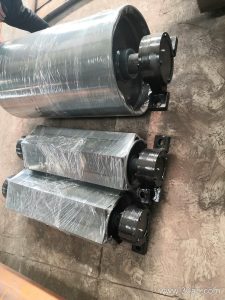
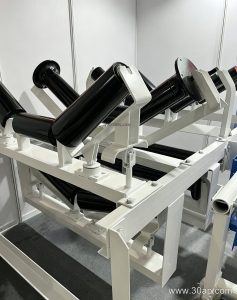
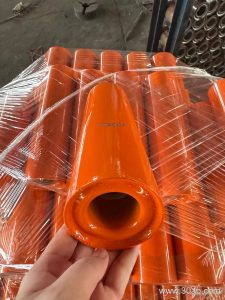
A 600mm belt runs over a drive pulley, a tail pulley, and bend pulleys, and is supported by idler rollers on the carrying side and return side. The pulleys are not interchangeable: the drive pulley transmits torque, the tail pulley sets belt path and tension, and bend pulleys redirect the belt. Conveyor brackets and frames hold the idlers and pulleys in alignment. In a typical installation, the belt width is matched to the load size and tonnage, not to a single pulley diameter; a 600mm belt can be used with different pulley sizes depending on the conveyor design.
Industries and Applications
This width is common in sand and gravel plants, cement plants, power plants, and general bulk material handling. It appears on crusher conveyor lines, aggregate conveyor systems, and quarry conveyor belts where a 600mm belt is enough for the tonnage. In mining, a mining conveyor belt of this width may be used on secondary or transfer lines, while heavier main lines often use wider belts. In coal mining, a flame retardant conveyor belt or fire resistant conveyor belt grade is often specified, and anti-static properties may be required. Other uses include recycling, construction, and port conveyor lines where a compact belt is preferred.
Selection and Buyer Checklist
Buyers should start with the material: lump size, bulk density, temperature, oil or chemical exposure, and whether the belt runs underground or in a dusty plant. The required tensile strength comes from the conveyor calculation, and the carcass type follows from it. Cover thickness should match abrasion and impact; a high abrasion resistant conveyor belt may be worthwhile in stone crushing, while a heat resistant conveyor belt is needed near hot clinker or ash. For cold climates, a cold resistant conveyor belt avoids cracking. For food or clean applications, a food grade conveyor belt may be relevant.
Also confirm the splice method, whether an endless belt is required, and the pulley and idler dimensions on the existing conveyor. A 600mm belt should not be treated as a universal match for one pulley size, and shaft diameters are set by the conveyor design, not by belt width alone. Request the manufacturer’s data sheet for the selected grade and check that the delivered width, cover thickness, and carcass match the order.
Maintenance Notes
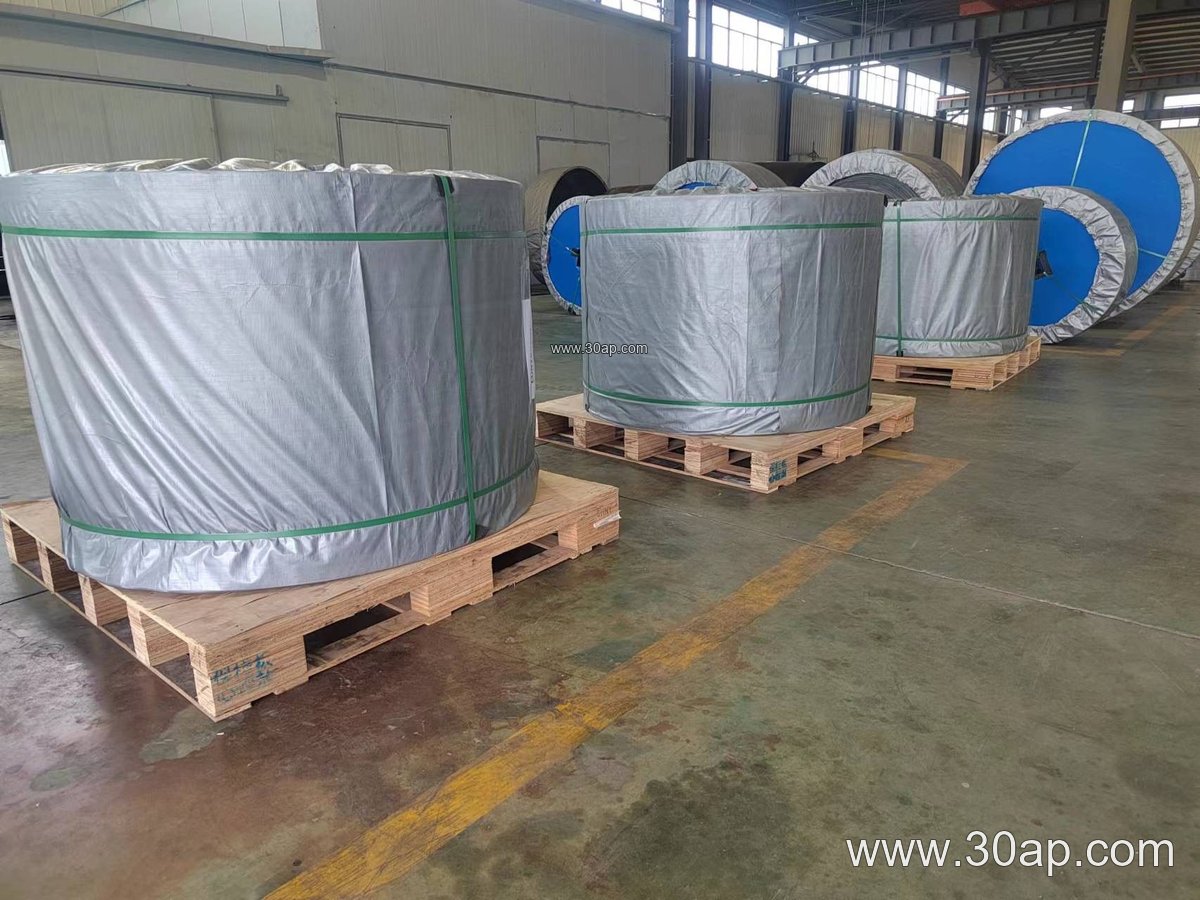
Keep the belt tracking straight by checking idler roller alignment and pulley condition. Worn idlers or a misaligned bend pulley can cause edge damage on a 600mm belt quickly. Clean spillage from return idlers and inspect splices regularly. Store spare belts flat and away from direct sunlight, and record the belt grade so replacement matches the original duty.