What an 800mm Conveyor Belt Is
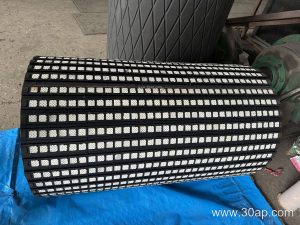
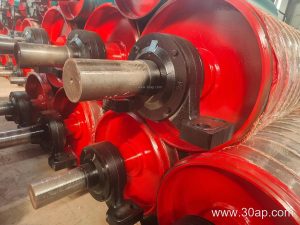
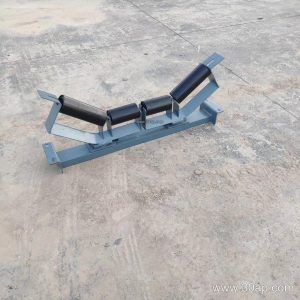
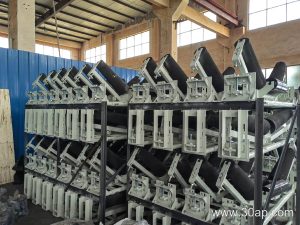
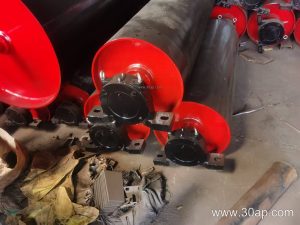
An 800mm conveyor belt is a standard-width belt used on bulk handling conveyors where the 800mm (about 31.5 inch) width matches the required capacity and lump size. It is not a single rubber strip but a engineered composite: a tension-bearing carcass, top and bottom cover rubber, and often edge or surface features. In mining, quarrying, cement plants, power stations, and sand and gravel yards, this width is common on main haulage and transfer conveyors. The belt works with conveyor pulleys (drive, tail, and bend pulleys), idler rollers, and conveyor brackets to form a complete conveying line.
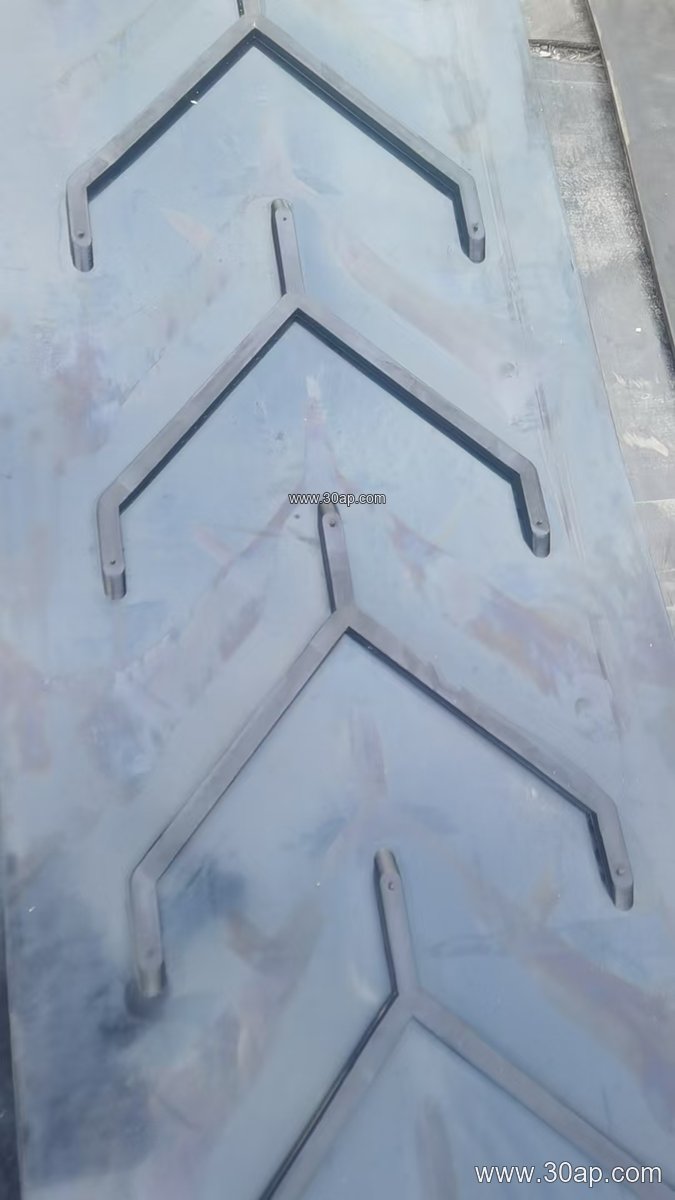
Construction and Common Belt Types
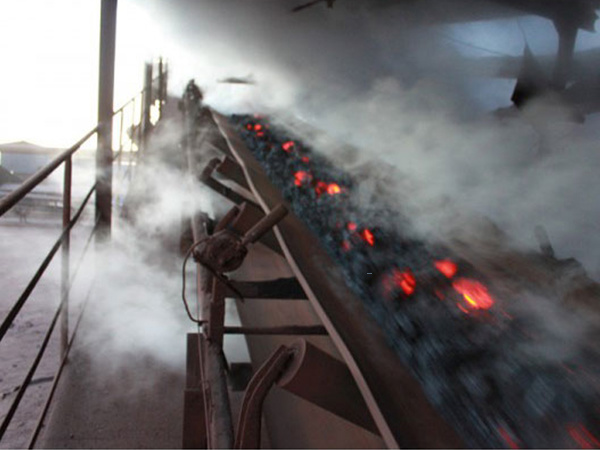
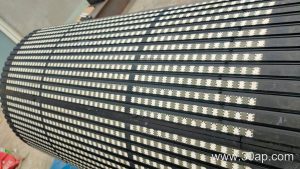
Most 800mm belts use a fabric core or steel cord carcass. Fabric core belts are built from EP (polyester-nylon) or NN (nylon-nylon) plies. Steel cord belts use brass-plated wires for high tension and long center distances. Surface and edge options include chevron (cleated) profiles, corrugated sidewalls with skirted edges, and pipe conveyor designs that roll the belt into a tube. Cover rubber grades address abrasion, heat, oil, flame, cold, and static. A Mining Conveyor Belt for underground coal service may need flame retardant and anti-static properties, while a Heat Resistant Conveyor Belt suits cement clinker or sinter. The list below shows common carcass and cover formats; actual constructions vary by manufacturer.
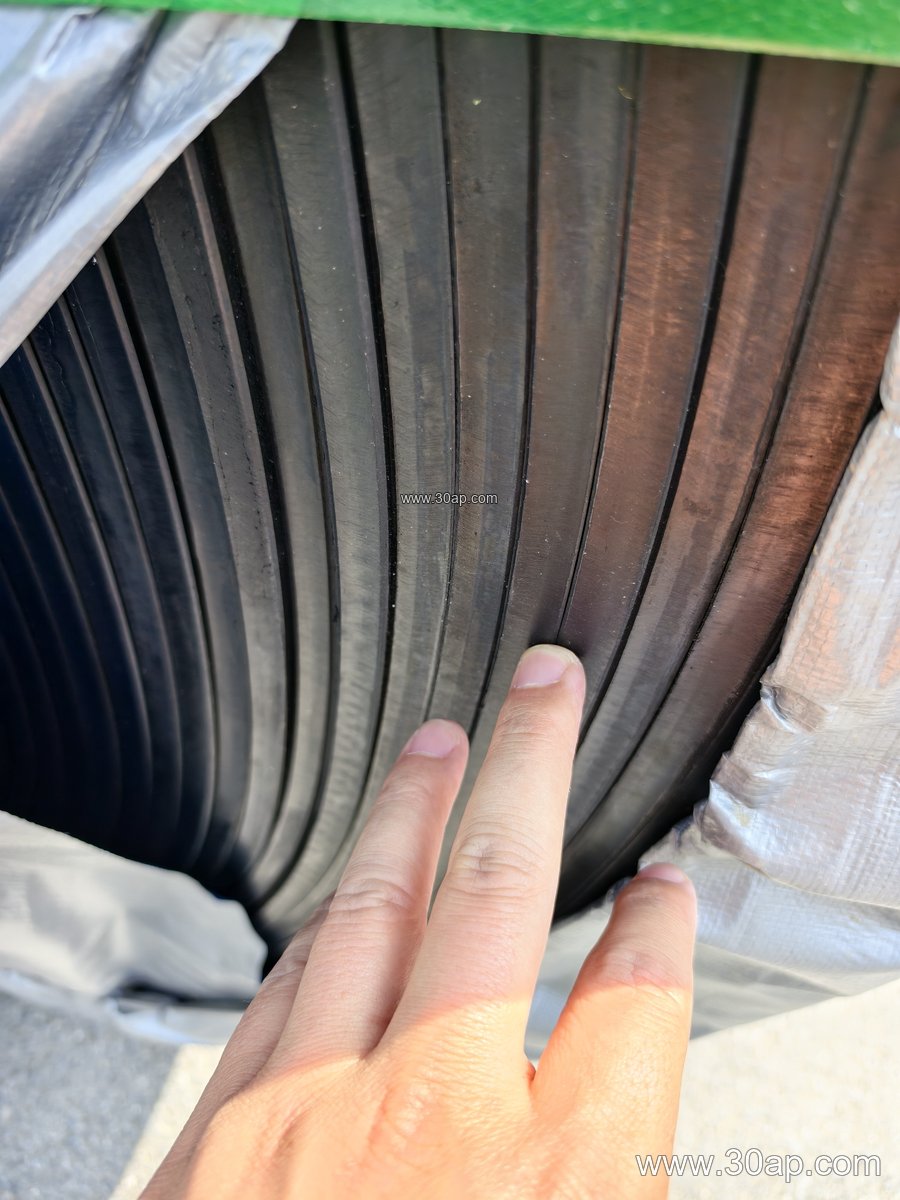
| Feature | Common Options for 800mm Width |
|---|---|
| Carcass type | EP fabric, NN fabric, steel cord, PVC, PVG |
| Strength grade (EP) | EP200, EP315, EP400, EP500, EP630, EP800, EP1000 |
| Strength grade (steel cord) | ST1000, ST1250, ST1600 |
| Number of plies (fabric) | 2 to 6 plies typical |
| Cover thickness (top + bottom) | 3+1.5, 4+2, 5+2, 6+2, 8+3 mm |
| Special constructions | Chevron, corrugated sidewall, pipe, endless |
An 800mm EP Conveyor Belt with EP1000 grade and 6+2 mm covers might serve a primary crusher discharge, while an 800mm Steel Cord Conveyor Belt is chosen for higher tension and longer runs. For abrasive rock, an Abrasion Resistant Conveyor Belt with thicker top cover reduces wear. In cold climates, a Cold Resistant Conveyor Belt maintains flexibility. Food or recycling lines may use a Food Grade Conveyor Belt or PVC belt in this width.
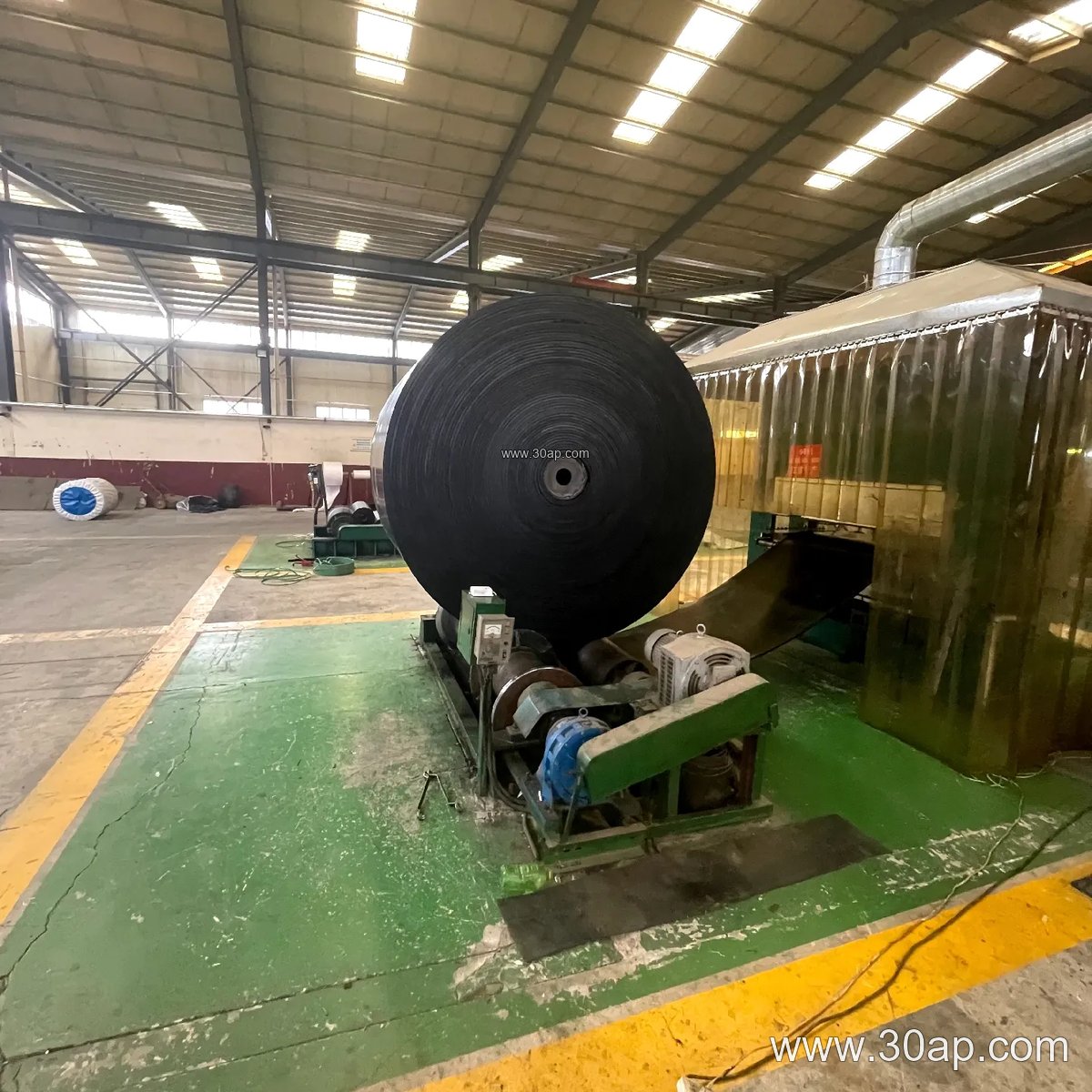
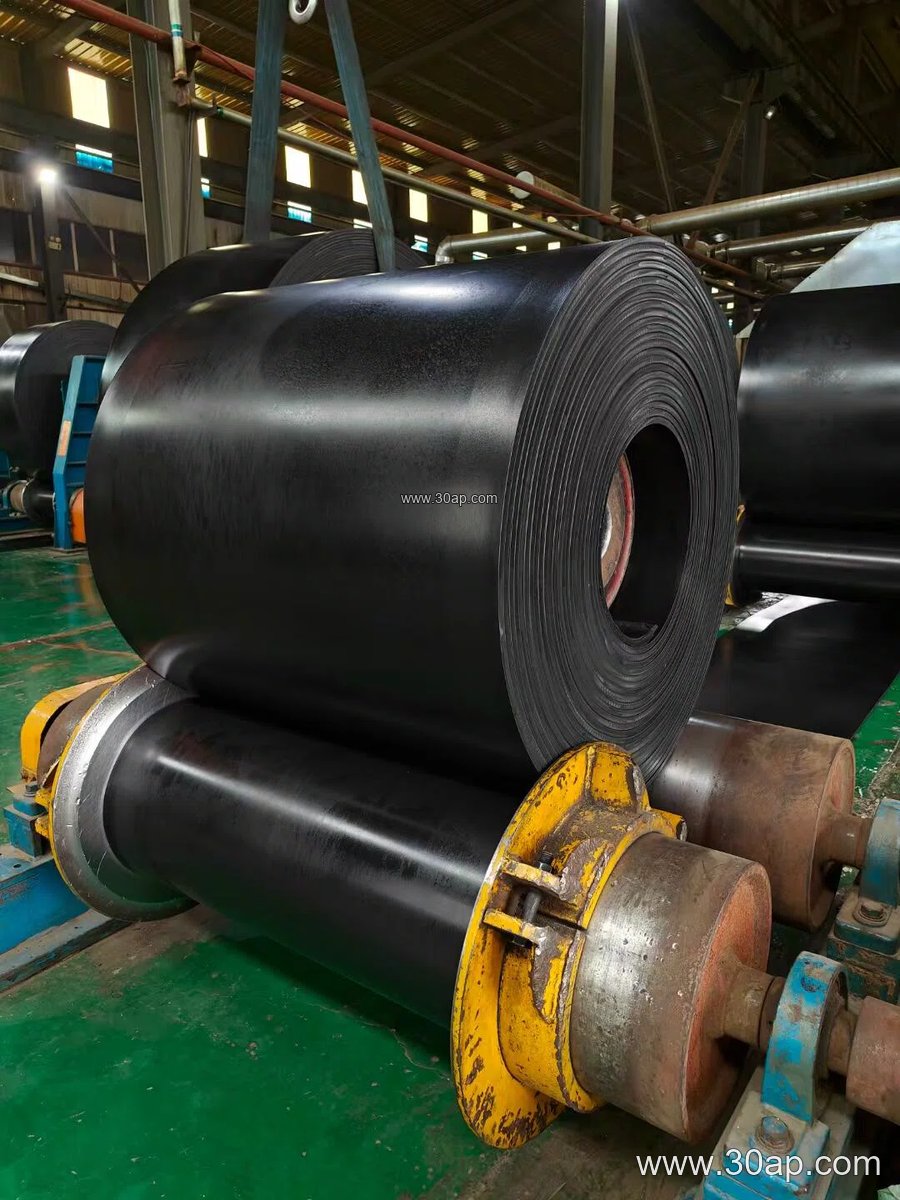
Where 800mm Belts Are Used
The 800mm size fits many mid-capacity flows. In a quarry or aggregate plant, it can carry crushed stone from a jaw crusher to a screen. In a coal mining operation, an Underground Coal Mining Conveyor Belt in 800mm width may run on gate or panel conveyors. Cement plants use 800mm belts for clinker, limestone, and additive transport, often with heat or abrasion resistance. Power plants handle coal and ash on this width. Ports and ship loading systems may use wider belts, but 800mm remains common on yard and transfer conveyors. The belt interacts with conveyor pulleys of various diameters; there is no fixed rule that an 800mm belt matches only one pulley size. Drive, tail, and bend pulleys are selected by tension, wrap angle, and shaft load, not by belt width alone.
Specifications a Buyer Should Confirm
When specifying an 800mm conveyor belt, confirm the carcass type and strength grade, number of plies, cover thickness and grade, and any special features. Check the minimum pulley diameters recommended for the carcass, the splice method (mechanical or vulcanized), and whether an Endless Conveyor Belt is needed for the application. For fabric belts, ply count and EP grade affect troughability and impact resistance. For steel cord belts, cord diameter and pitch matter. Also confirm the belt’s resistance properties: Flame Retardant Conveyor Belt for underground service, Oil Resistant Conveyor Belt for oily materials, and Anti-Static Conveyor Belt where static buildup is a risk. The table below gives reference ranges, not universal supply promises.
| Parameter | Typical Reference Range |
|---|---|
| Belt width | 800 mm (B800) |
| EP strength grades | EP200 to EP1000 (higher grades by design) |
| Steel cord grades | ST1000 to ST1600 common for this width |
| Cover thickness | 3+1.5 mm to 8+3 mm |
| Ply count (fabric) | 2 to 6 |
| Operating temperature | Depends on cover grade; standard, heat, or cold resistant |
Maintenance and Matching Components
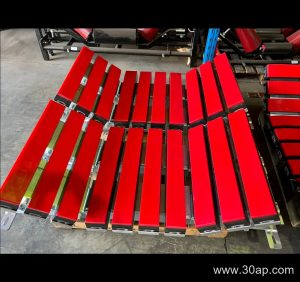
An 800mm belt performs best when the conveyor structure is aligned. Check idler rollers for seizing, confirm pulley lagging condition, and keep conveyor brackets tight. Misalignment causes edge wear; a skirted or corrugated sidewall belt needs proper skirt rubber clearance. For chevron belts, ensure cleat height clears the skirt and return rollers. Store spare belts away from sunlight and ozone. When replacing a belt, match the splice strength to the original and verify the pulley diameters are within the carcass manufacturer’s recommendation. An 800mm conveyor belt is a system component, so review the whole line, not just the belt.