What an Adjustable Conveyor Bracket Does on a Belt Line
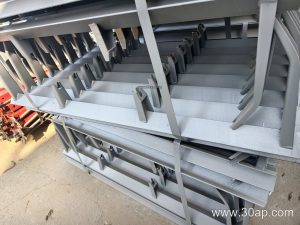
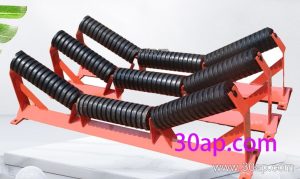
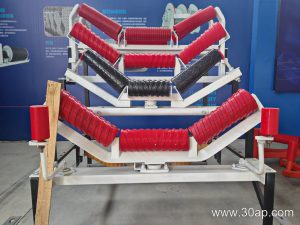
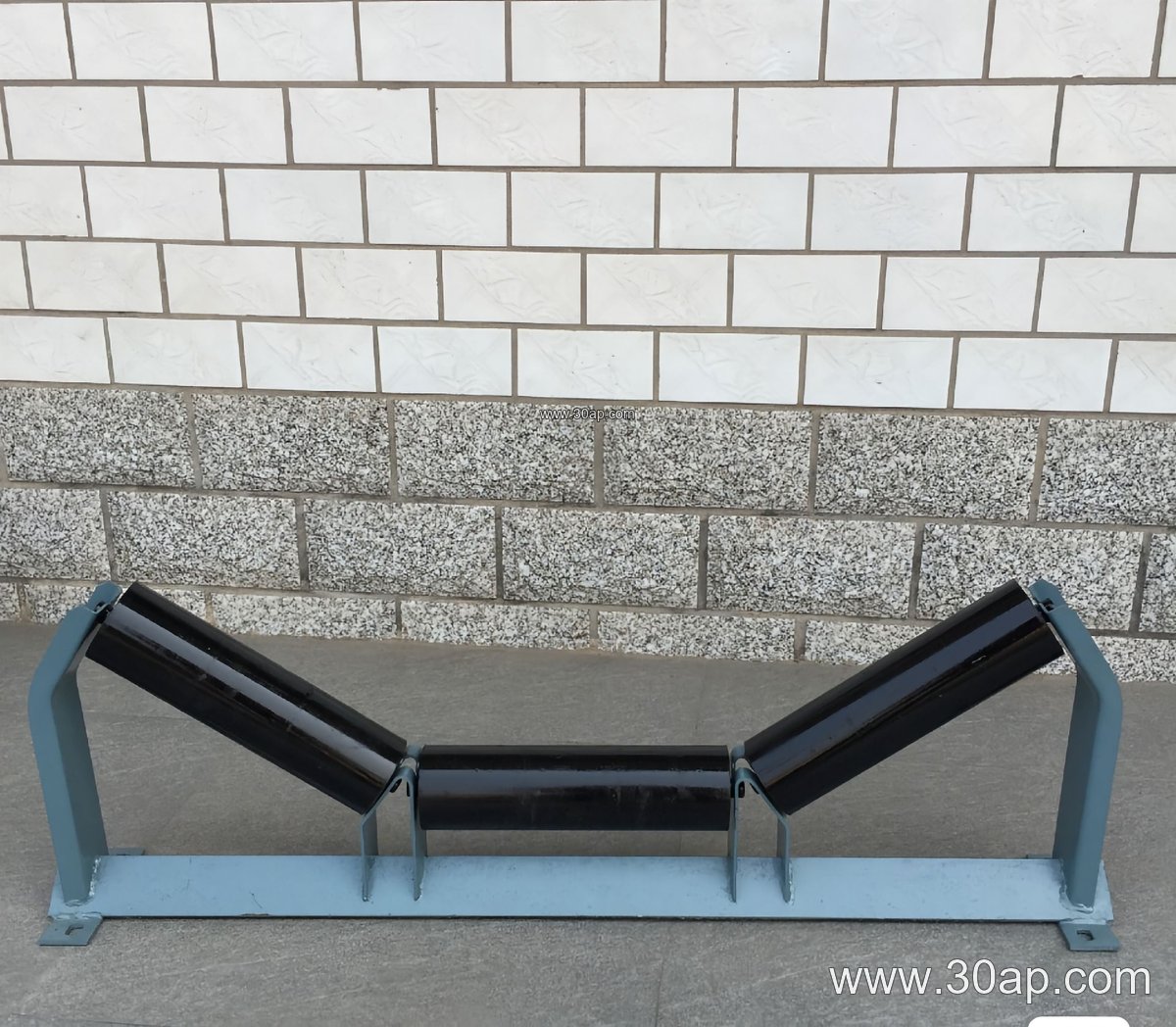
An adjustable conveyor bracket is the support component that lets maintenance teams set and later fine-tune the trough angle of the carrying idlers without replacing the whole frame. Instead of a welded, fixed-angle stand, the bracket carries slotted or multi-position mounting points, so the same unit can serve several belt widths and idler diameters. On a quarry conveyor belt line, for example, a technician can open the trough from 20 degrees to 35 degrees to improve material containment, then reset it if the load profile changes.
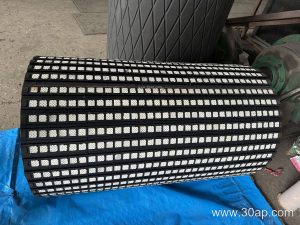
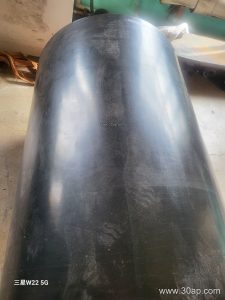
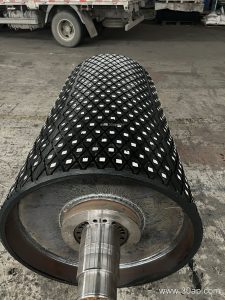
The product is a bracket, not a roller or a drum. It should not be confused with the drive pulley, tail pulley or bend pulley, which transmit and redirect belt tension. The bracket only positions and holds the idler roller in place.
Construction and Mounting Details
Most adjustable units are fabricated from angle steel, channel steel or folded steel plate, with the mounting slots punched or drilled before painting or galvanizing. Typical build features include:
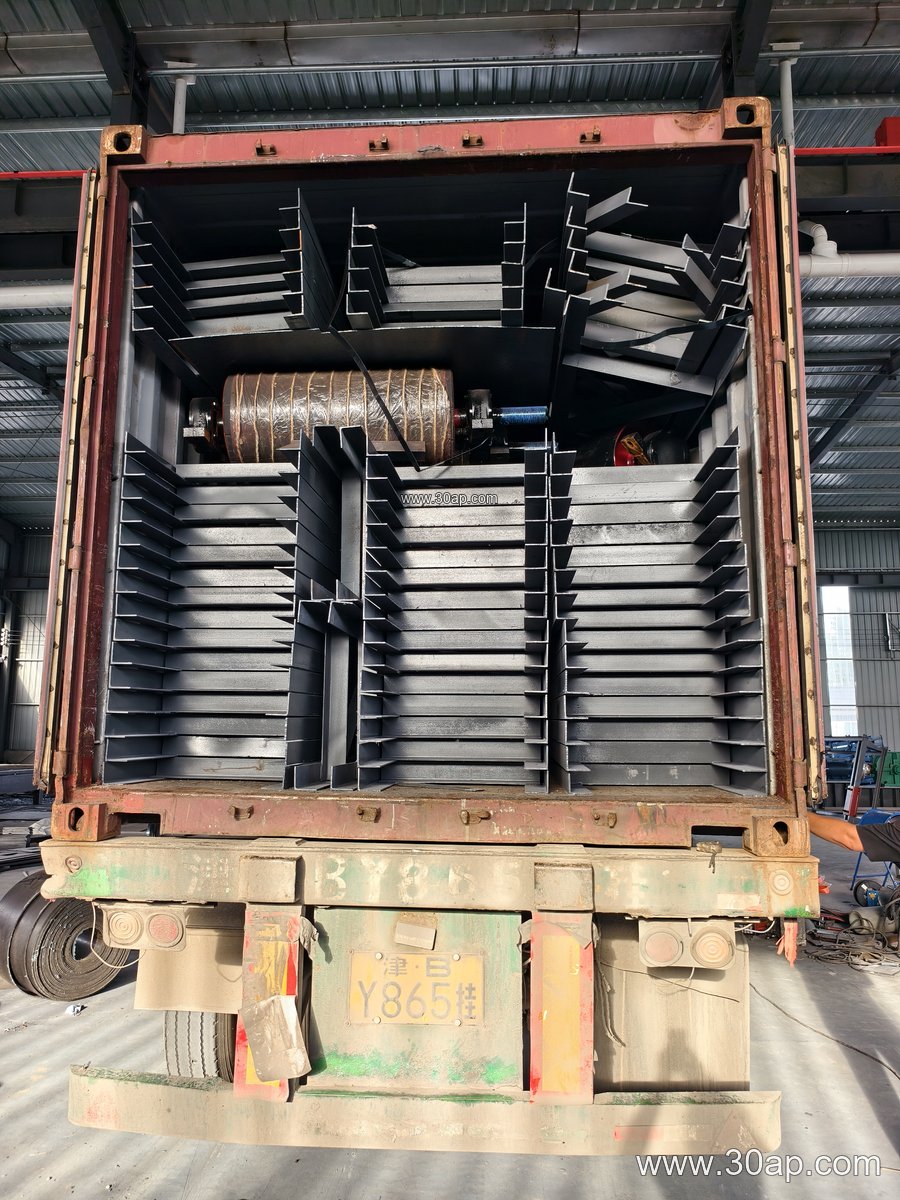
- Slotted holes for angle adjustment across commonly used trough angles of 20, 30, 35 and 45 degrees
- Reinforced base plates that bolt to the main conveyor frame stringers
- Interchangeable mounting positions for different roller shaft ends
- Optional forward-lean settings of roughly 1.5 to 2 degrees for self-aligning behavior
Because hole spacing and crossbeam length vary with belt width and trough angle, these dimensions are always confirmed at the design stage rather than treated as universal values. A bracket ordered for a B800 frame is not automatically suitable for a B1400 frame.
Common Configurations and Reference Dimensions
The table below shows typical combinations used in bulk handling projects. They are reference data, not verified universal specifications, and final selection should follow the conveyor design.
| Belt width | Trough angle | Idler diameter | Typical mounting style |
|---|---|---|---|
| B500 | 20 to 30 degrees | Ø89 | Slotted angle bracket |
| B650 | 30 degrees | Ø89 or Ø108 | Slotted angle bracket |
| B800 | 35 degrees | Ø108 | Adjustable trough bracket |
| B1000 | 35 to 45 degrees | Ø108 or Ø133 | Adjustable trough bracket |
| B1200 | 45 degrees | Ø133 | Adjustable trough bracket |
| B1400 | 35 to 45 degrees | Ø133 or Ø159 | Heavy-duty adjustable bracket |
| B1600 | 35 to 45 degrees | Ø159 | Heavy-duty adjustable bracket |
| B1800 | 35 to 45 degrees | Ø159 or Ø194 | Heavy-duty adjustable bracket |
| B2000 | 35 to 45 degrees | Ø194 | Heavy-duty adjustable bracket |
One belt width can accept several angle and diameter combinations; the bracket is chosen so the idler sits correctly under the belt, not so that a single size is forced onto every line.
Where It Fits in the Field
These brackets appear wherever trough geometry needs to be corrected or optimized. In a limestone quarry, adjustable brackets help align the belt on the primary crushing discharge line. In a cement plant, they support idlers under clinker and raw meal belts where material loading can shift. A coal-fired power plant may use them on the coal yard feed lines, while a sand and gravel operation uses them to fine-tune troughing before the belt enters a transfer point.
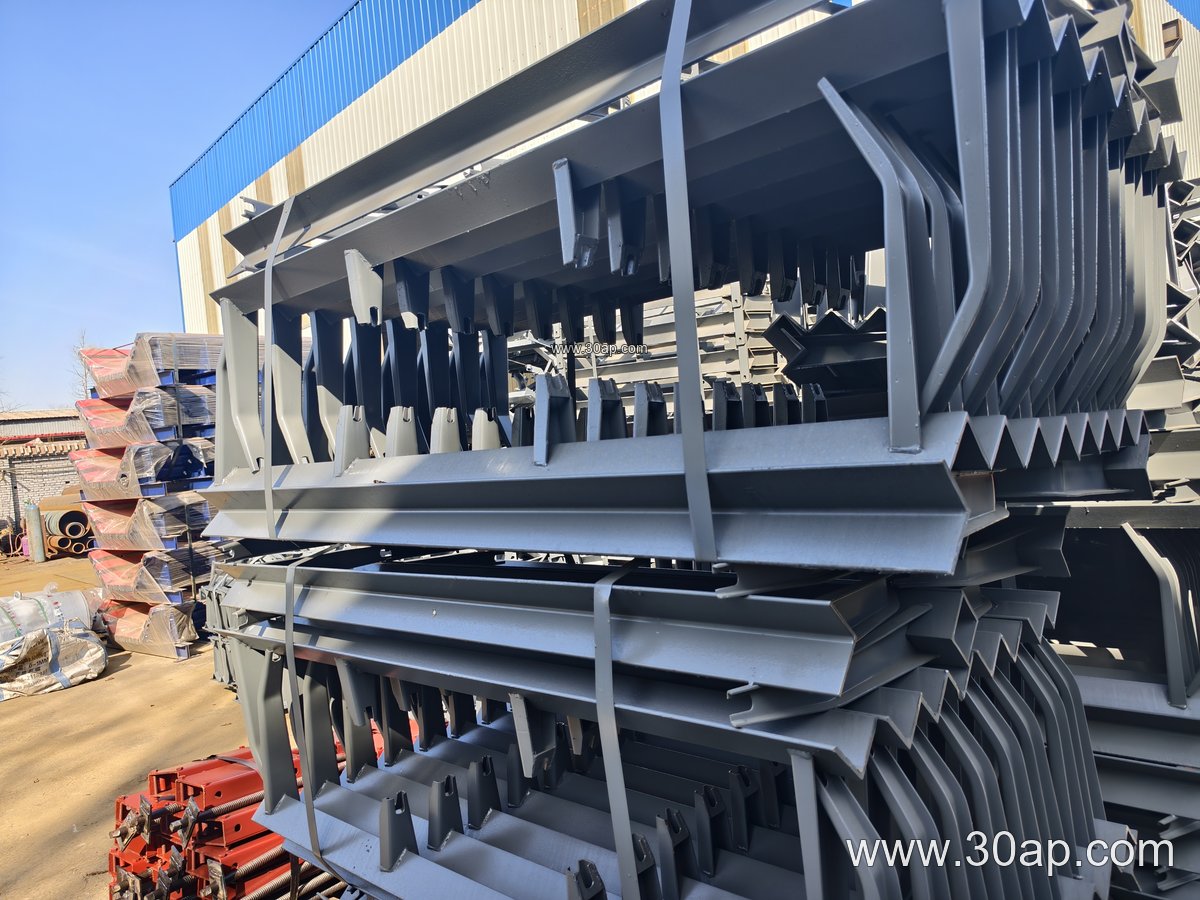
They also suit lines handling EP conveyor belt, NN conveyor belt, steel cord conveyor belt, chevron conveyor belt or corrugated sidewall belt, provided the idler arrangement matches the belt design. Matching the bracket to an abrasion resistant conveyor belt or a flame retardant conveyor belt does not change the bracket’s function, but it does require checking that the idler and bracket tolerate the same environment.
Selecting the Right Bracket
Buyers should confirm the belt width, the intended trough angle, the idler diameter, the shaft end shape, the hole pitch and the frame stringer spacing before ordering. They should also consider the environment: dusty quarry air, wet coal yards, hot clinker zones and cold outdoor installations each call for different material and coating choices. Comparing an adjustable unit with a fixed bracket is useful here: the adjustable version supports later changes in trough angle, while the fixed version offers simpler, more rigid construction when the geometry will never change.
For more on related components, visit https://www.jsconveyorbelt.com for conveyor belt and idler roller references, and https://www.jsconveyorbelt.com for conveyor pulley guidance. The bracket should always be treated as one part of the whole conveyor system, working with the belt, the idlers and the pulleys rather than in isolation.
Maintenance Notes
Check bolt torque after the first weeks of running, keep the adjustment slots clean so the angle can be reset easily, and inspect for corrosion or deformation after heavy impact events. When a belt tracks poorly, the bracket is often the first place to look, because a small angle correction can resolve misalignment before any pulley adjustment is considered.