What a Copper Ore Conveyor Belt Is
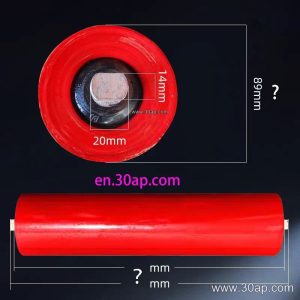
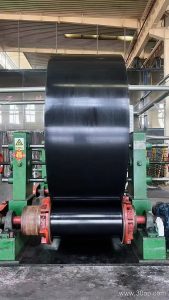
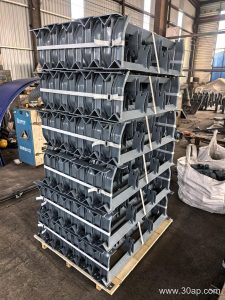
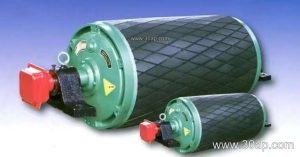
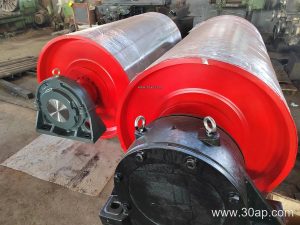
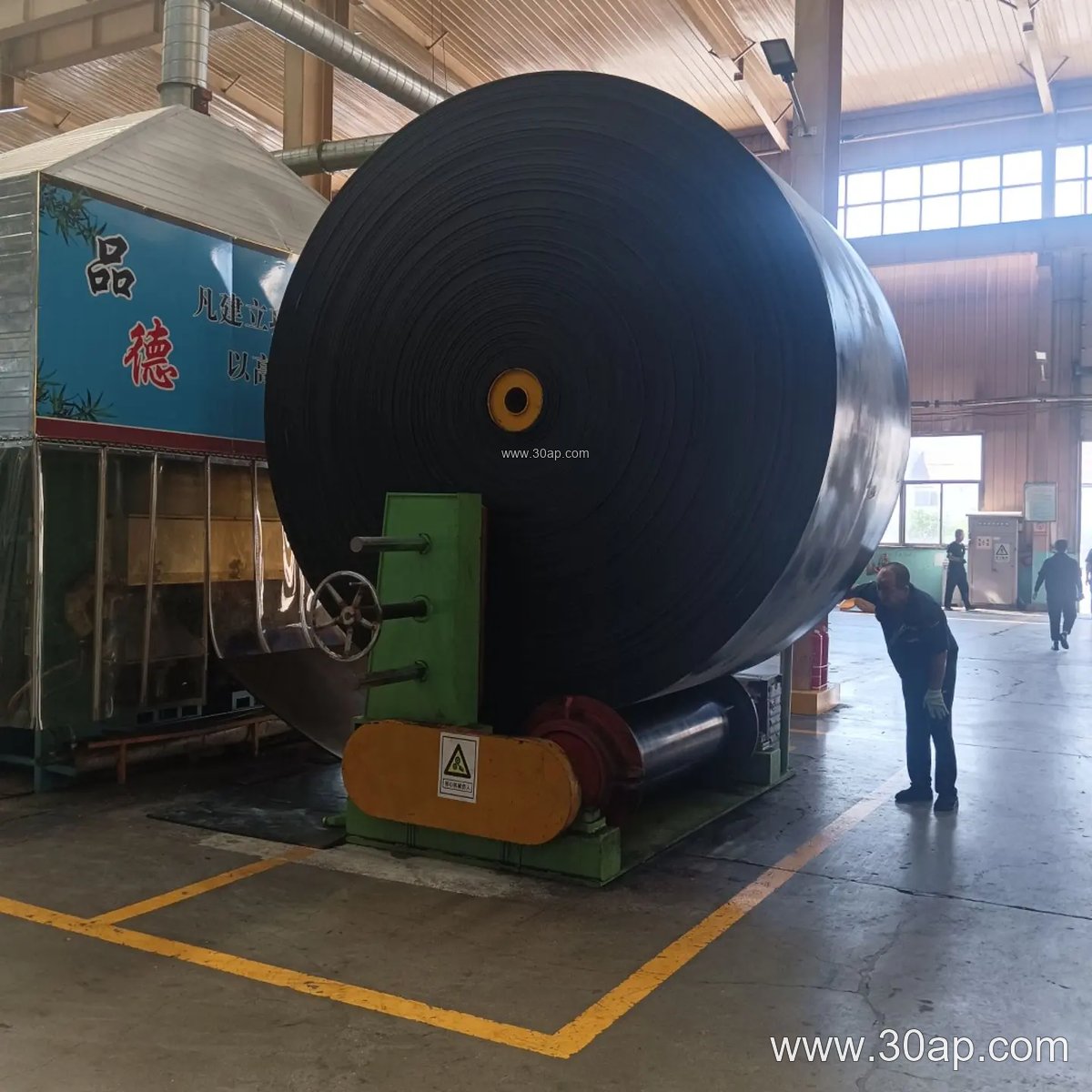
A copper ore conveyor belt is a heavy-duty rubber belt designed to transport crushed copper ore from the mine pit to the crusher, stockpile, or processing plant. It is a type of ore conveyor belt built to withstand sharp rock, heavy loads, and abrasive dust. In copper mining operations, the belt often works alongside conveyor pulleys, idler rollers, and conveyor brackets to form a complete conveying system. The belt itself is the load-bearing component, and its construction directly affects uptime and maintenance cost.
Because copper ore is dense and angular, the belt usually needs high abrasion resistance and good impact resistance at loading points. A standard rubber conveyor belt may not last long in this duty. Many copper mines select an abrasion resistant conveyor belt or a heavy-duty mining conveyor belt with reinforced carcass and thick covers.
Construction and Common Types
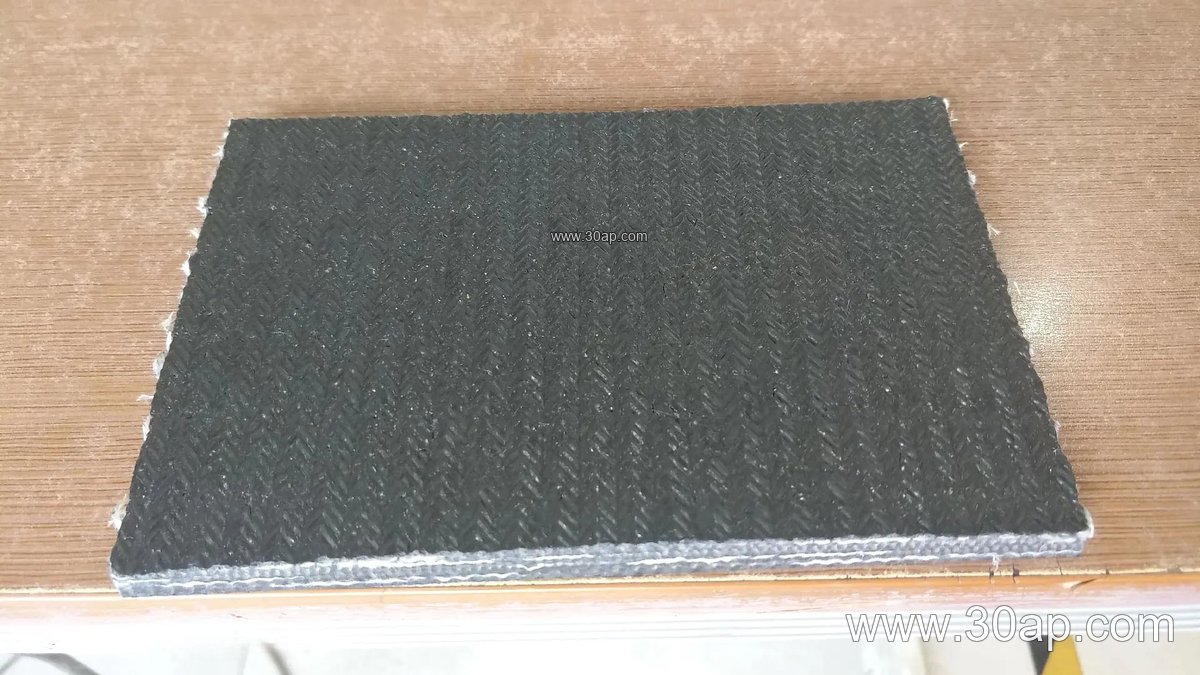
The belt body is typically made of a fabric core or steel cord core covered with rubber. Fabric core options include EP conveyor belt (polyester-cotton) and NN conveyor belt (nylon-nylon). Steel cord conveyor belt is chosen for very long runs and high tension. For copper ore, EP conveyor belt is common because it balances strength, flexibility, and cost. NN conveyor belt offers good flexibility and impact resistance, which can help at transfer points.
Cover rubber is important. A high abrasion resistant conveyor belt with covers such as 6+2 mm or 8+3 mm is often used where ore is sharp and drop height is significant. Heat resistant conveyor belt may be needed if the ore is warm from processing, while flame retardant conveyor belt and anti-static conveyor belt are relevant in underground mining conveyor belt applications where safety rules apply.
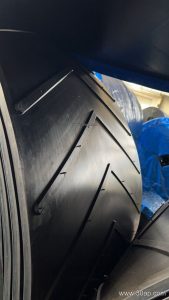
Other constructions include chevron conveyor belt for inclined sections, corrugated sidewall conveyor belt or skirted conveyor belt to contain material on steep slopes, and pipe conveyor belt for dust control and curved routes. These are not replacements for the main copper ore belt but can be used on specific sections of the same conveyor route.
Typical Specifications
Specifications vary by design. The table below shows common reference values for copper ore belt selection. These are not fixed combinations and should be confirmed with the belt supplier and conveyor designer.
| Parameter | Common Reference Values |
|---|---|
| Belt type | EP conveyor belt, NN conveyor belt, steel cord conveyor belt |
| Strength grade | EP200, EP315, EP400, EP500, EP630, EP800, EP1000 |
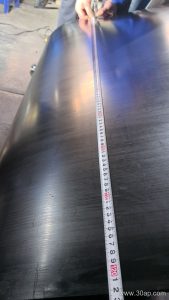
| Belt width | B650, B800, B1000, B1200, B1400, B1600, B1800, B2000 |
| Cover thickness | 4+2 mm, 5+2 mm, 6+2 mm, 8+3 mm |
| Fabric plies | 2 to 6 layers, depending on strength grade |
| Special properties | Abrasion resistant, impact resistant, flame retardant, anti-static |
For example, an EP1000 1200mm conveyor belt may be used on a main haulage line, while a wider 1800mm wide conveyor belt might appear in high-capacity plants. The belt width must be matched to the conveyor pulley and idler roller sizes by the system designer; one belt width does not dictate a single pulley diameter.
Where It Is Used
Copper ore belts appear in copper mines, crushing plants, concentrators, and port loading facilities. They also fit other abrasive bulk material duties in quarry conveyor belt, aggregate conveyor belt, and crusher conveyor belt systems. In cement plants and power plants, similar heavy-duty belts handle limestone and coal, though the specific rubber compound may differ. The same belt platform can be adapted for gold mining conveyor belt or iron ore conveyor belt duty with appropriate cover grades.
Underground mining conveyor belt and underground coal mining conveyor belt applications often require flame retardant and anti-static properties. In those cases, a PVG conveyor belt or PVC mining conveyor belt may be specified, but for copper ore the priority is usually abrasion resistance and cut resistance.
Buyer Checklist
- Confirm the actual ore size, drop height, and throughput to select impact and abrasion resistance levels.
- Check the conveyor pulley diameters and idler roller spacing to ensure belt flexibility and training.
- Ask for cover rubber grade and carcass type, not just strength grade.
- Consider environmental conditions such as temperature, oil exposure, and fire safety rules.
- Review splice type and maintenance plan; an endless conveyor belt splice may reduce downtime in permanent installations.
- Verify that the belt width fits the conveyor frame and that conveyor brackets and pulleys are compatible.
A copper ore conveyor belt is a critical investment. Selecting the right abrasion resistant conveyor belt, confirming the carcass and cover, and matching it to the conveyor pulley and idler roller layout will help keep the mining conveyor belt running reliably.