What an Underground Conveyor Belt Is
An underground conveyor belt is the load-carrying element of a belt conveyor installed in tunnels, drifts, and inclined shafts below the surface. It moves crushed ore, coal, aggregate, and other bulk materials from the mining face toward the shaft or surface without truck haulage. Because the belt runs in a confined, often wet and dusty environment, the carcass and covers are usually chosen for flame resistance, abrasion resistance, and reliable tracking.
The same product is also called an underground mining conveyor belt or, in coal work, an underground coal mining conveyor belt. These are accurate equivalents for the same item, not separate product families. Buyers in coal, cement, iron ore, copper, gold, and quarry operations all use this kind of belt.
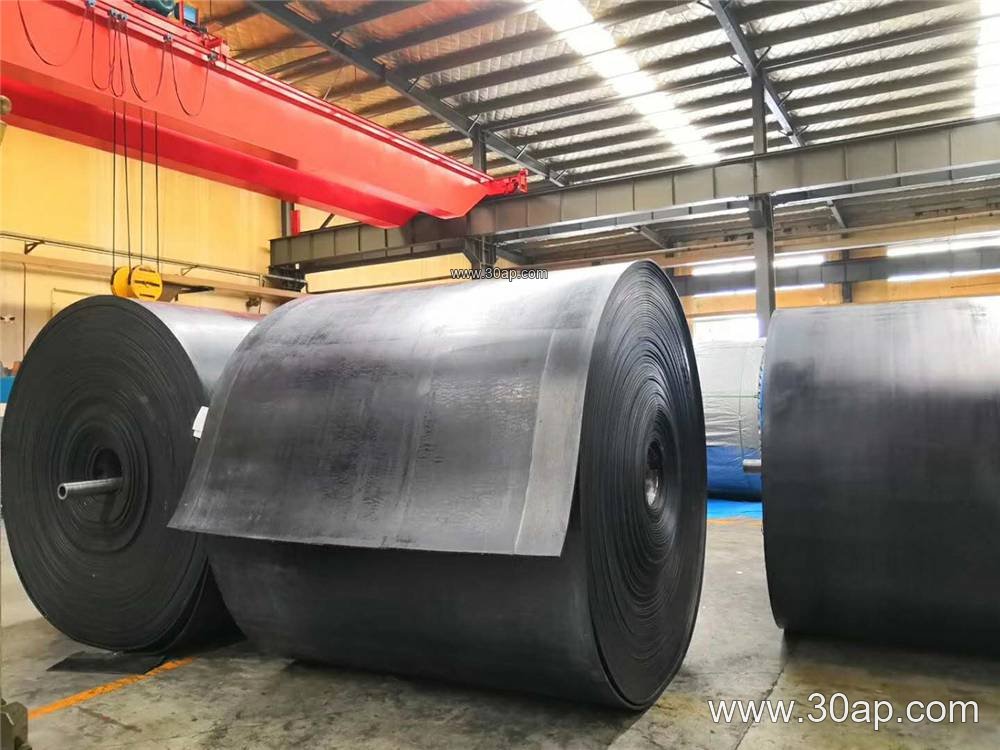
Construction of the Belt
The belt is built from a tension-bearing carcass and rubber or PVC covers on both faces. Carcass options include fabric plies and steel cord. Common fabric cores are EP (polyester-cotton) and NN (nylon-nylon), while steel cord designs suit long runs and high tension. A flame retardant conveyor belt is often specified for coal drifts, and an anti-static conveyor belt helps dissipate static charge in dusty tunnels.
- Carcass: multi-ply fabric or steel cord, carrying the pull load
- Top cover: abrasion resistant conveyor belt compound for ore and rock
- Bottom cover: thinner cover for pulley contact
- Edges: cut or molded, sometimes with breaker fabric
Cover thickness is usually given as top plus bottom, for example 4+2 mm or 6+2 mm. Carcass plies commonly run from two to six layers depending on duty. These are typical references, not universal specifications.
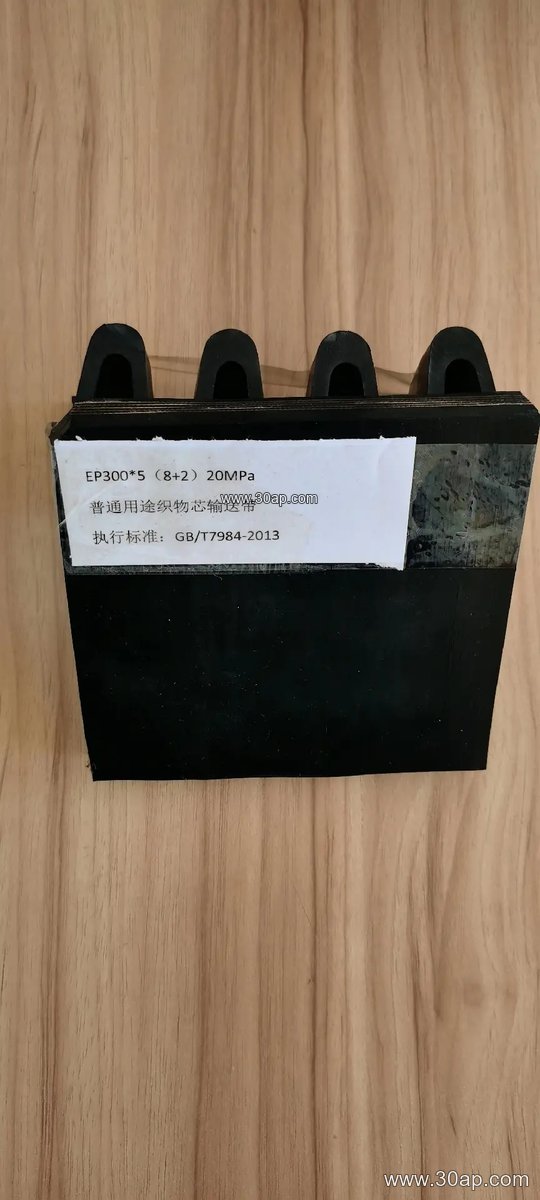
Typical Specifications
The table below shows common reference values. Actual values are set by design and can differ between manufacturers.
| Parameter | Common Reference Range |
|---|---|
| Belt width | B500, B650, B800, B1000, B1200, B1400, B1600, B1800, B2000 |
| EP strength grades | EP200, EP400, EP630, EP800, EP1000, EP1250, EP1600 |
| NN grades | NN100, NN200, NN300, NN400 |
| Steel cord grades | ST1000, ST1250, ST1600, ST2000, ST2500 |
| Cover thickness | 3+1.5, 4+2, 5+2, 6+2, 8+3 mm |
| Carcass plies | 2 to 6 layers |
Width and strength are selected independently. A wider belt does not automatically require a particular pulley diameter, and shaft size is determined by the full conveyor design, not by belt width alone.
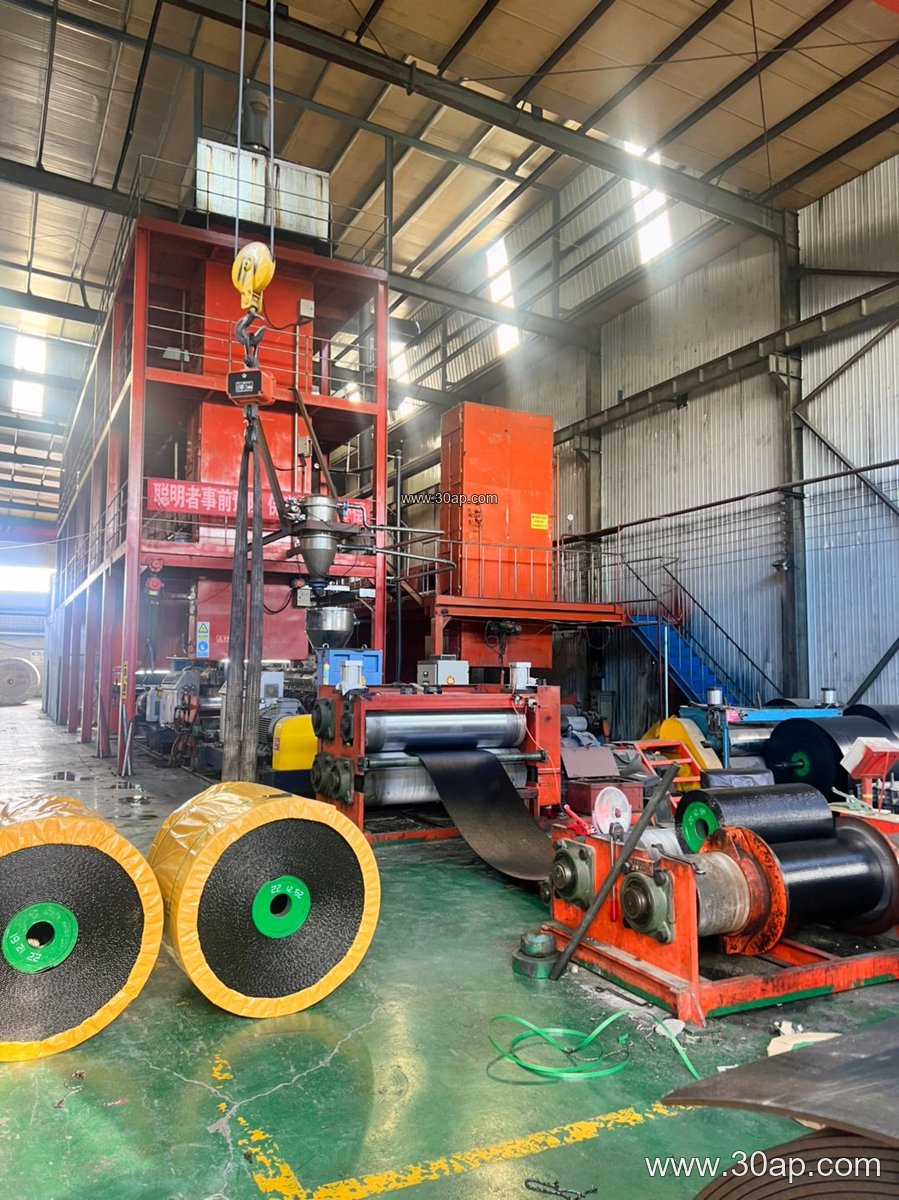
Where It Is Used
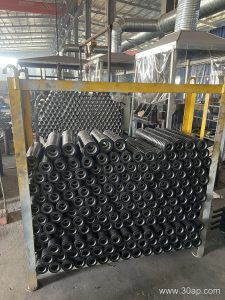
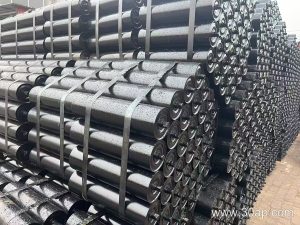
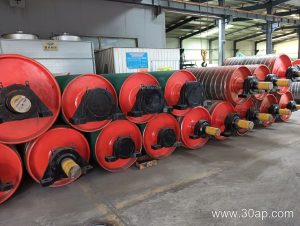
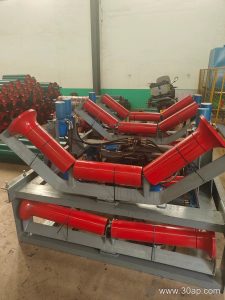
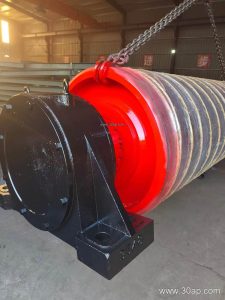
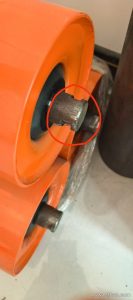
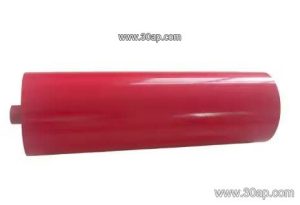
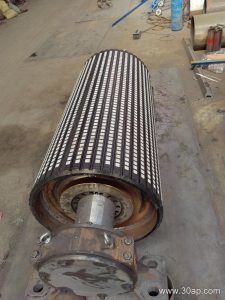
Underground belts appear in coal mining conveyor belt systems, metal ore drifts, and incline haulage in cement and aggregate mines. A quarry conveyor belt that goes below grade follows the same design logic. The belt works with idler rollers, conveyor pulleys, and conveyor brackets, and it may feed a crusher conveyor belt or transfer point. In power plant and steel plant stockyards, similar belts handle coal and ore, though surface installations often allow different cover choices.
Special conditions call for specific covers: a heat resistant conveyor belt near hot material, an oil resistant conveyor belt where lubricants or oily ore are present, and a cold resistant conveyor belt in freezing shafts. A chevron conveyor belt or corrugated sidewall conveyor belt may be used on steep inclines, but these are separate subtypes and not replacements for a standard flat underground belt.
What a Buyer Should Check
- Confirm the required flame retardant and anti-static properties for the mine category.
- Match carcass grade and ply count to the calculated tension, not to habit.
- Review cover thickness against lump size and abrasion severity.
- Check belt width against the existing idler roller and pulley set.
- Ask for the splice method and edge condition, since tunnel access is limited.
- Verify that the offered data sheet matches the design duty.
For underground work, a heavy-duty mining conveyor belt with a robust abrasion resistant cover is often the practical choice, but the final specification should follow the conveyor design and site conditions. Buyers can compare options such as an EP conveyor belt, a steel cord conveyor belt, or a PVG belt, and should request test data for the actual batch rather than relying on generic figures.