Where an Impact Resistant Idler Earns Its Place
Every conveyor has a point where material lands hard. At a crusher discharge, a transfer chute, or the head end of a quarry line, rock and ore fall directly onto the conveyor belt with enough force to damage a standard carrying idler. An impact resistant idler — also called a buffer idler or impact roller — is the component placed at those loading zones to absorb that energy before it reaches the belt cover and the roller shell.
The distinction matters. A troughing idler used along the middle of a run is built for steady support; an impact resistant idler is built for shock. In a sand and gravel plant, the difference between the two can decide how often a maintenance crew has to stop the line. The same logic applies whether the conveyor is moving limestone in a cement works or coal in a power plant stockyard.
How the Buffer Roller Is Built
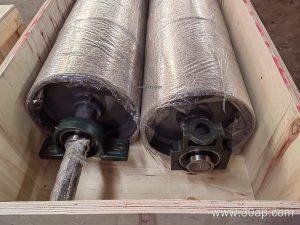
The core of the design is the rubber ring. Instead of a bare steel shell, an impact resistant idler usually carries a series of thick rubber discs or a rubber sleeve mounted on the shaft. The rings flex under the falling load, spreading the force over a larger area and reducing the peak stress on the belt.
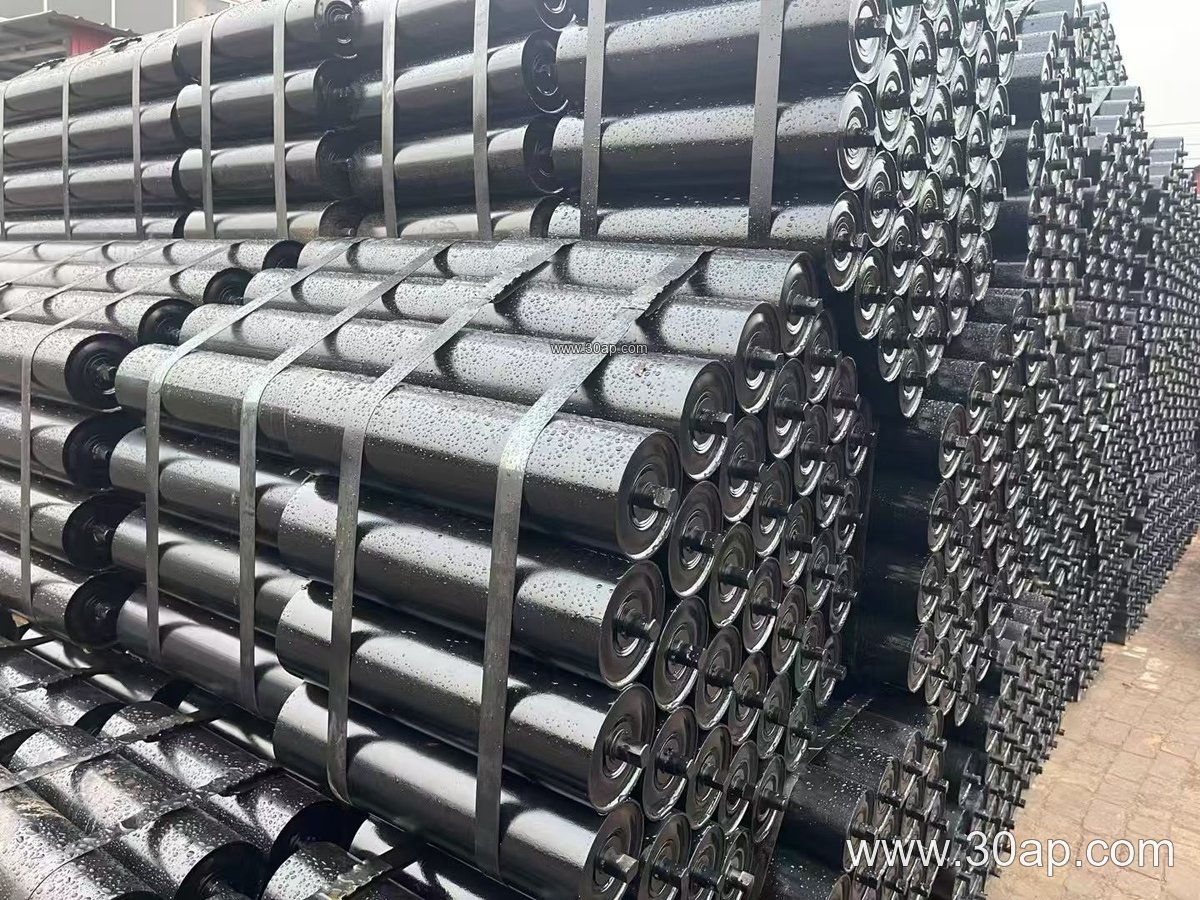
Key construction points a buyer will notice:
- Rubber rings or sleeves — resilient, abrasion-tolerant, and often replaceable in sections.
- Heavy shaft and bearing housing — the shaft must survive repeated shock, so bearing seats are usually reinforced.
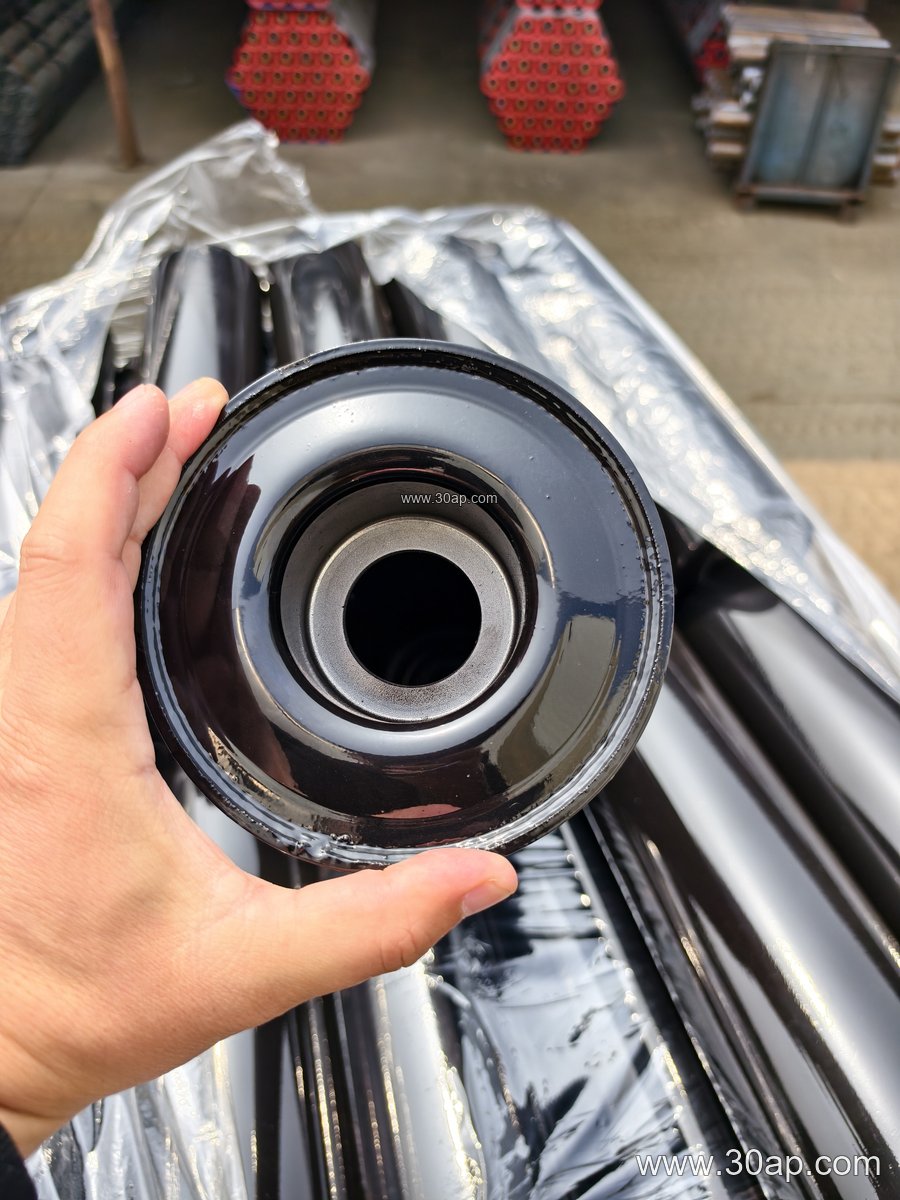
- Sealed bearings — dust and fines are the enemy at any transfer point; common bearing sizes include 6205, 6305, 6306 and 6308, selected by load and shaft design rather than by belt width alone.
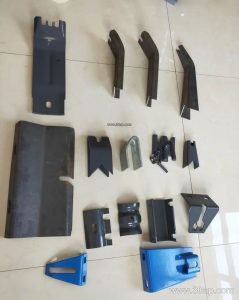
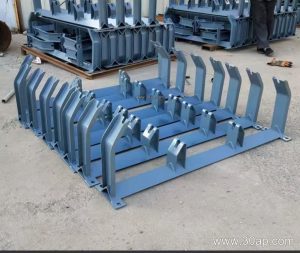
- Frame and brackets — the conveyor bracket or mounting frame at an impact station is often stiffer than on a normal carry idler, because the whole assembly takes the hit.
Rubber-covered shells are the most common surface form. Some designs combine a steel tube with slip-on rubber rings, which lets a maintenance team renew worn rings without replacing the entire roller.
Matching the Idler to the Conveyor
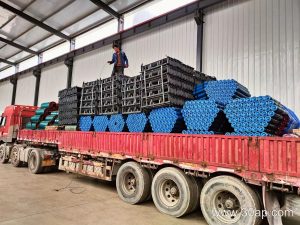
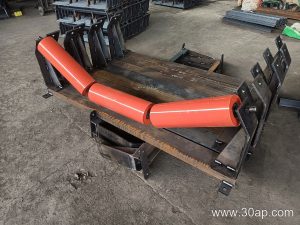
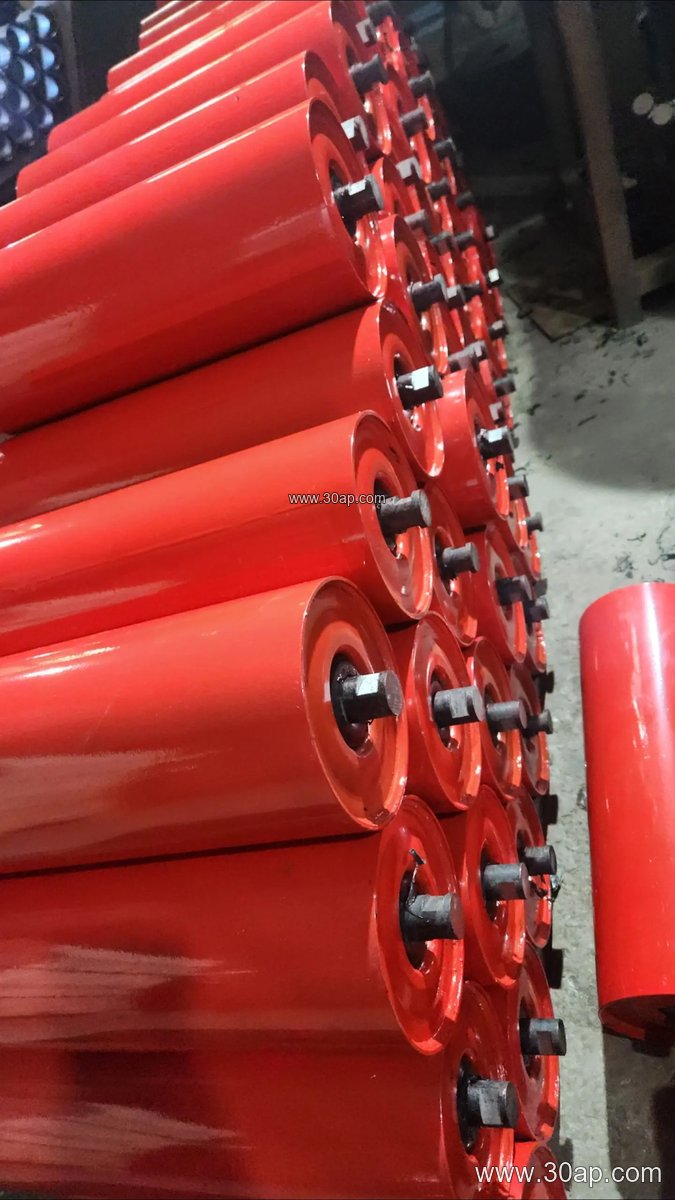
An impact resistant idler is normally supplied as a set, in single-roller, two-roller or three-roller troughing form. Trough angles of 20, 30, 35 and 45 degrees are common; the angle should follow the existing idler stations so the belt keeps a consistent profile through the loading zone.
Roller diameter is chosen from belt width, load, and the space available under the chute. Typical diameters in this family include 89, 102, 108, 127, 133, 159 and 178 mm, with larger sizes used on heavy-duty mining conveyors. Roll length varies with belt width and trough form; a three-roller set on a B800 belt, for example, often uses rolls around 315 mm long, while a B1200 station may use rolls near 465 mm. These are reference values, not fixed pairings — side rolls and centre rolls can differ.
| Parameter | Common Range | Selection Note |
|---|---|---|
| Roller diameter | 89–178 mm | Set by load and belt width |
| Belt width | B500–B2000 | Match existing stations |
| Trough angle | 20°, 30°, 35°, 45° | Keep consistent with the line |
| Roll surface | Rubber rings, rubber sleeve | Thicker rings for larger lumps |
| Bearing sizes | 6205, 6305, 6306, 6308 | Per shaft and load design |
One point worth stating plainly: belt width does not dictate a single shaft diameter or bearing size. Those come from the conveyor designer’s load calculation.
Industries and Duty Conditions
The buffer station is most valuable in primary crushing circuits, where run-of-mine rock hits the belt at speed. Iron ore and copper ore terminals, limestone quarries, and aggregate lines all rely on impact rollers under the crusher. In a coal preparation plant or a port shiploading system, the same component protects the belt at every transfer chute.
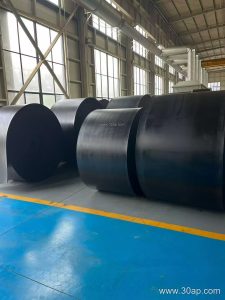
The belt itself matters too. A heavy-duty conveyor belt with a thick top cover tolerates more abuse, but no cover survives a badly supported load point. Pairing an impact resistant idler with an abrasion resistant conveyor belt or a high abrasion resistant conveyor belt gives the loading zone a better chance, and a flame retardant conveyor belt is the usual choice where fire safety rules apply underground. Where fines are wet and sticky, a skirted conveyor belt or corrugated sidewall conveyor belt may be used to contain the load, but the impact idler still does the cushioning work.
For anyone sourcing through a supplier of conveyor belt, idler roller and conveyor pulley components, the practical question is whether the impact station is designed together with the belt specification. A steel cord conveyor belt and a fabric core conveyor belt behave differently under shock, and the rubber ring thickness should reflect that.
What to Check Before Ordering
- Confirm the falling height and lump size at the loading point; these drive ring thickness and roller diameter.
- Check the existing trough angle and roll length so the new set lines up with adjacent stations.
- Ask whether rubber rings are replaceable and how they are retained on the shell.
- Verify bearing sealing for the local dust and moisture conditions.
- Review the mounting frame or conveyor bracket dimensions, since impact sets are often taller or wider than standard carry idlers.
A well-chosen impact resistant idler does not eliminate wear at a transfer point, but it shifts the wear from the belt to a replaceable component. That is the whole argument for specifying one deliberately rather than treating the loading zone like any other idler station.