What a Mining Sealed Idler Is
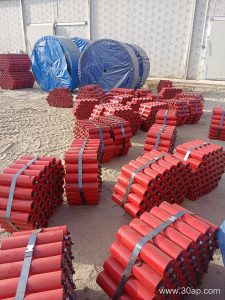
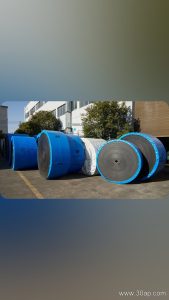
A mining sealed idler is a conveyor idler roller built with a sealed bearing housing to keep out dust, water, and fine particles. In hard-rock mines, coal preparation plants, and aggregate crushing circuits, the idler roller supports the conveyor belt and helps maintain proper belt alignment. The sealed design is especially important in applications where abrasive dust or moisture can shorten bearing life. This idler differs from a standard open-bearing roller because the sealing arrangement protects the bearing cavity from contamination. For operations using a Mining Conveyor Belt or Abrasion Resistant Conveyor Belt, the sealed idler contributes to smoother belt travel and reduced maintenance downtime.
Construction and Sealing Details
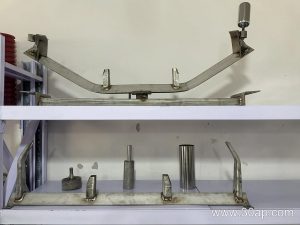
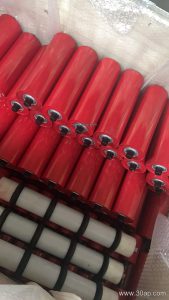
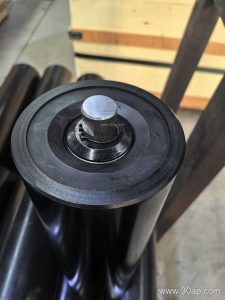
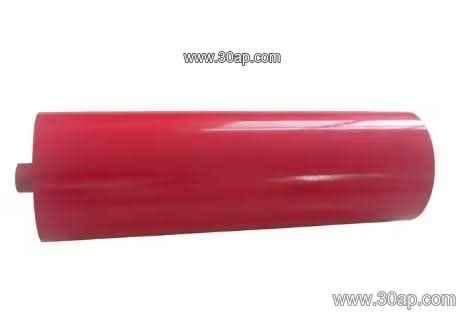
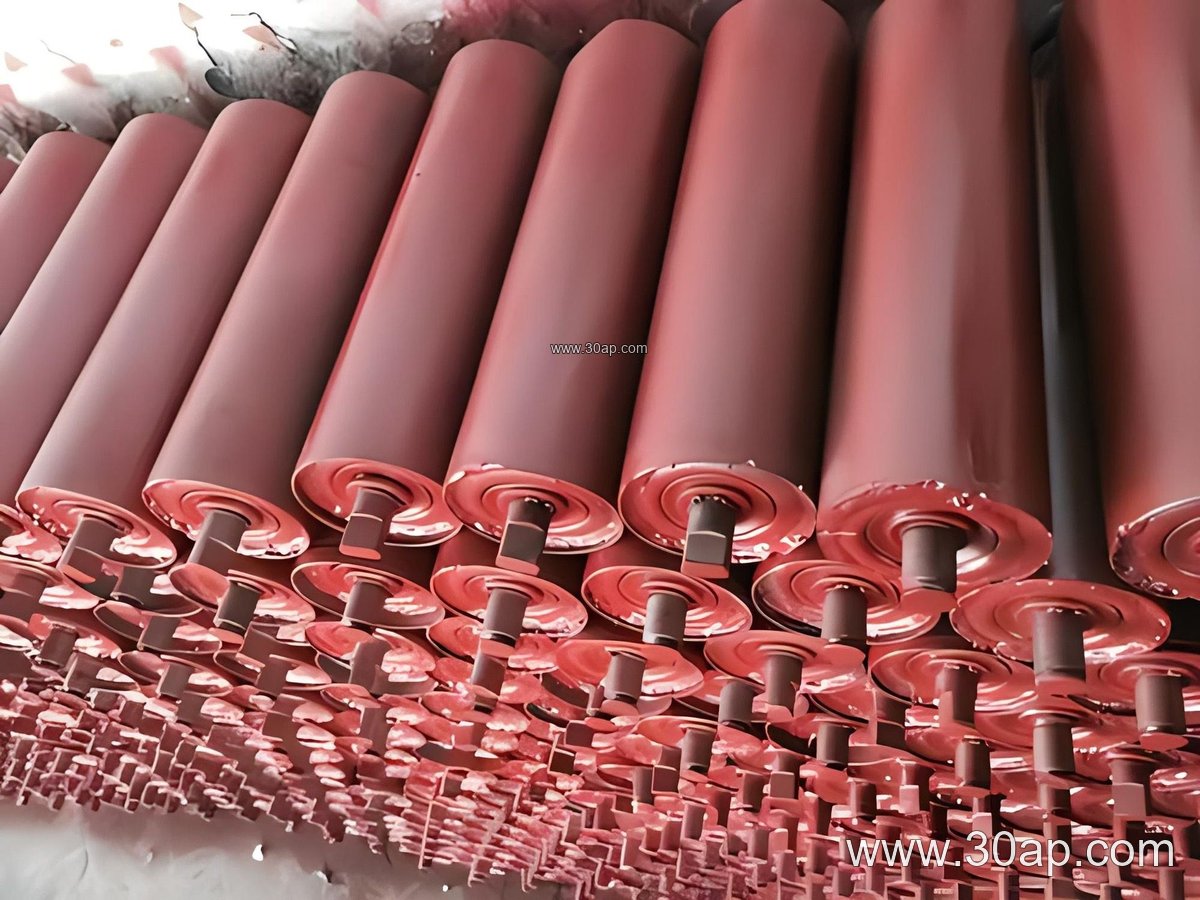
The typical mining sealed idler uses a steel tube shell with machined bearing seats at each end. The bearing housing contains a labyrinth seal or a combination of lip seals and dust guards. Common bearing sizes include 6205, 6305, and 6306, but the exact bearing is matched to the idler diameter and load rating. Roller diameters such as Ø89, Ø108, Ø127, and Ø133 are frequently used in mining conveyors, while larger diameters like Ø159 or Ø178 may appear on heavy-duty circuits. The shell surface can be plain steel, or it may carry rubber rings for impact absorption. The seal is the defining feature: it must retain grease and exclude contaminants without creating excessive drag.
Where Sealed Idlers Are Used
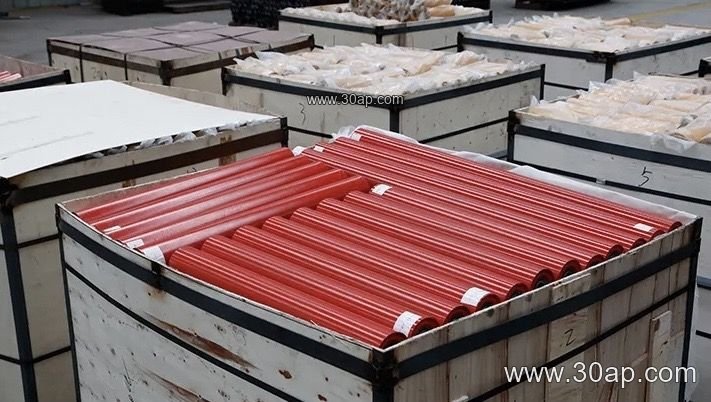
These idlers suit dusty and wet environments. In a coal preparation plant, a sealed idler helps resist coal dust and wash-down water. In a limestone quarry or iron ore operation, the seal protects against fine rock particles that would otherwise grind bearing surfaces. They are also found in cement plants, power plant coal handling systems, and sand and gravel lines. When the conveyor carries a Steel Cord Conveyor Belt or a heavy-duty fabric belt, sealed idlers help maintain consistent support along the carrying run. In underground coal mining, flame retardant and anti-static properties of the belt are critical, and the idler seal adds a layer of protection against moisture and fines.
Common Configurations and Dimensions
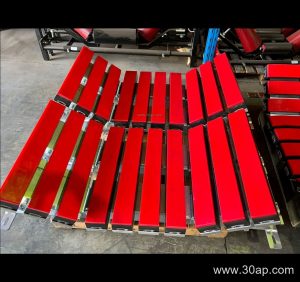
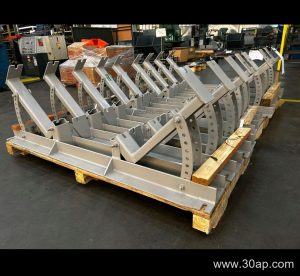
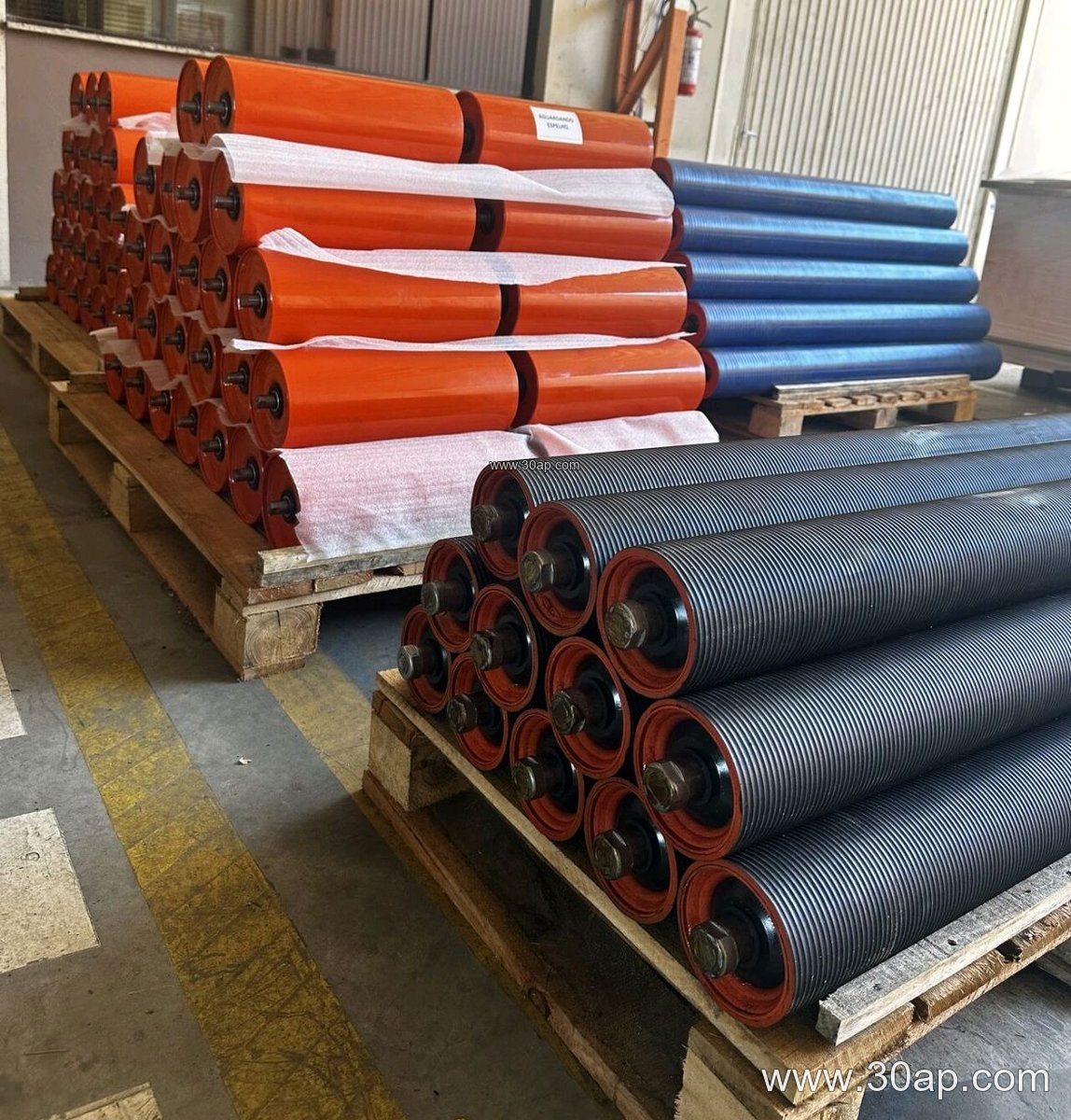
Sealed idlers are available in troughing, return, and impact arrangements. A three-roll troughing set with 30-degree or 35-degree trough angle is common for bulk materials. The roller length depends on belt width and trough geometry. The table below shows typical reference values; actual dimensions should be confirmed with the conveyor design.
| Belt Width | Typical Roller Length (three-roll trough) | Common Roller Diameter |
|---|---|---|
| B500 | 200 mm | Ø89 |
| B650 | 250 mm | Ø89 or Ø108 |
| B800 | 315 mm | Ø108 or Ø127 |
| B1000 | 380 mm | Ø127 or Ø133 |
| B1200 | 465 mm | Ø133 or Ø159 |
| B1400 | 530 mm | Ø159 |
| B1600 | 600 mm | Ø159 or Ø178 |
These figures are examples, not fixed rules. Side rollers and center rollers may differ in length. Bearing selection depends on load and speed, not on belt width alone.
Selection and Maintenance Notes
Buyers should match the idler seal type to the environment. A labyrinth seal may be sufficient for dry dust, while a contact seal with additional protection may be needed in wet conditions. Check the shaft diameter and bearing housing dimensions against the conveyor bracket. The idler should rotate freely by hand and show no grease leakage. During operation, listen for unusual noise and check for wobble. Replace idlers that have damaged seals or rough bearings. When used with a Flame Retardant Conveyor Belt in a coal mine, the idler should be compatible with the belt and the surrounding fire safety plan. For a Heat Resistant Conveyor Belt application, consider whether the idler seal material can tolerate elevated temperatures. Proper alignment of the conveyor bracket and regular inspection of the belt path help extend idler life. A sealed idler is not a substitute for correct belt tension or pulley alignment, but it is a practical choice for dusty mining conveyors.