What a High Impact Resistant Idler Does
Every conveyor has a point where material lands on the belt with force. At a crusher discharge, a transfer chute, or the head end of a feeding conveyor, the drop energy is high and the belt takes a beating. A high impact resistant idler, also called a buffer idler or impact roller, is installed directly under that loading zone to absorb shock before it reaches the belt carcass and the frame. In a quarry, a coal handling plant, or a cement plant, this single component often decides how long the belt lasts at the transfer point.
The purpose is simple: the idler takes the hit so the conveyor belt does not. Without it, repeated impact can crush the fabric or steel cord, loosen splices, and deform the idler shell itself.
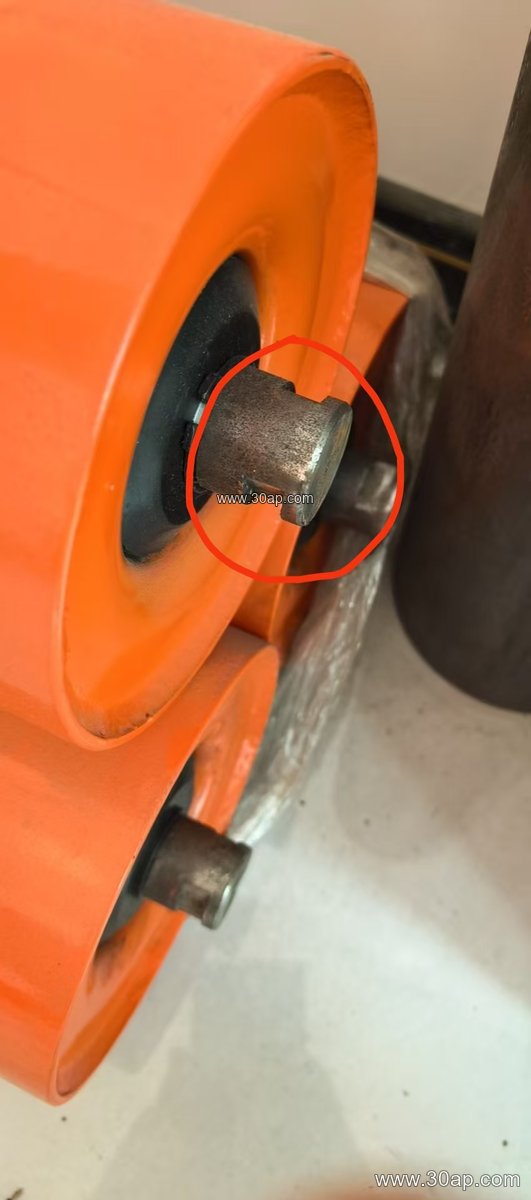
How the Impact Roller Is Built
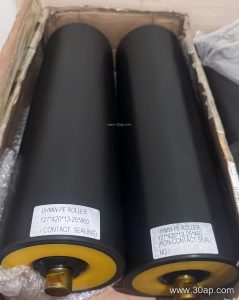
A standard carrying idler uses a steel tube shell. An impact roller changes that contact surface. The most common design wraps the shell with a series of rubber rings, giving the product its other name, the rubber ring buffer idler. The rings are spaced along the shaft and can compress slightly under load, spreading the force of falling rock or ore over a wider area.
Construction details that matter to buyers:
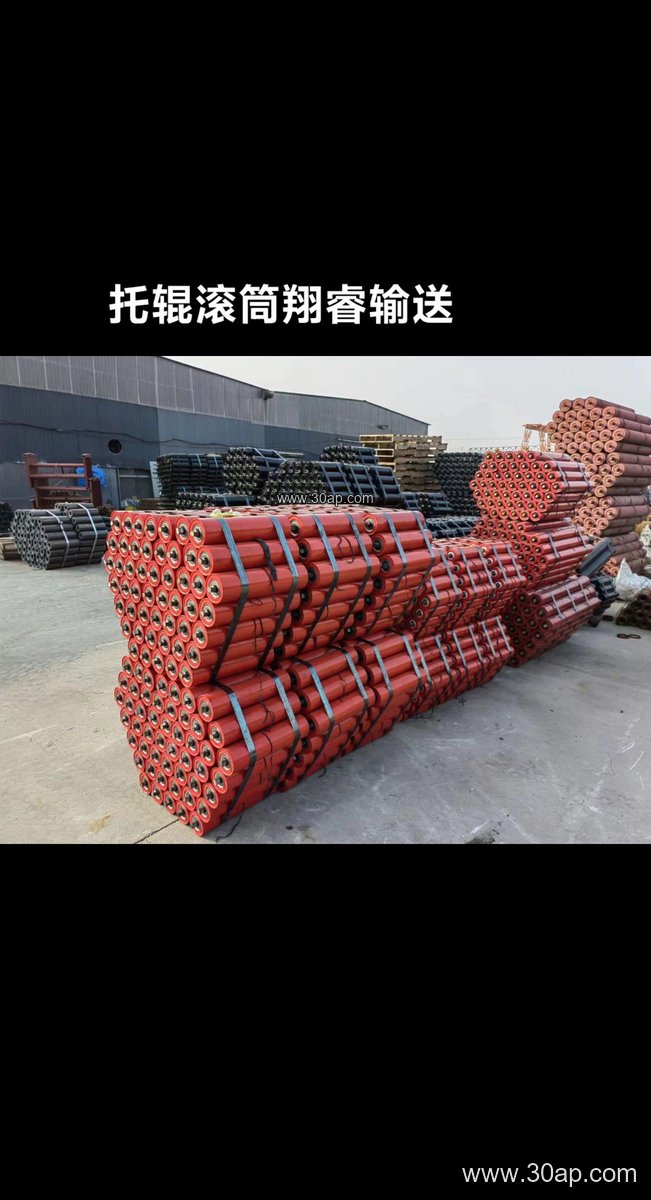
- Shell and shaft sized to the belt width and load, with bearings chosen for the duty rather than copied from a catalogue line.
- Rubber rings of a hardness suited to the material; softer rings absorb more energy but wear faster under sharp, hot, or oily loads.
- Sealing designed for dusty conditions, since transfer points in a stone crushing line or an iron ore plant are among the dirtiest spots on the conveyor.
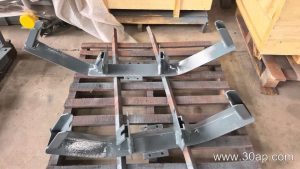
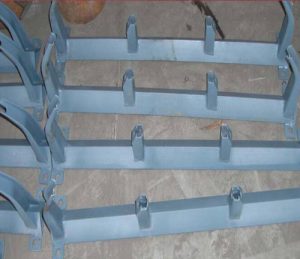
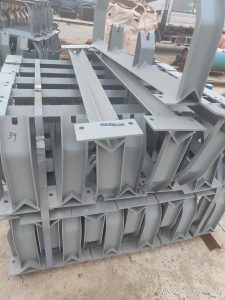
- Mounting dimensions that match the existing conveyor bracket and frame, so the roller can replace a standard unit in the same position.
Some plants also use a nylon or ceramic faced roller for general carrying duty, but those surfaces are not substitutes at the loading point. The impact resistant idler exists specifically to handle drop energy.
Where It Sits on the Conveyor
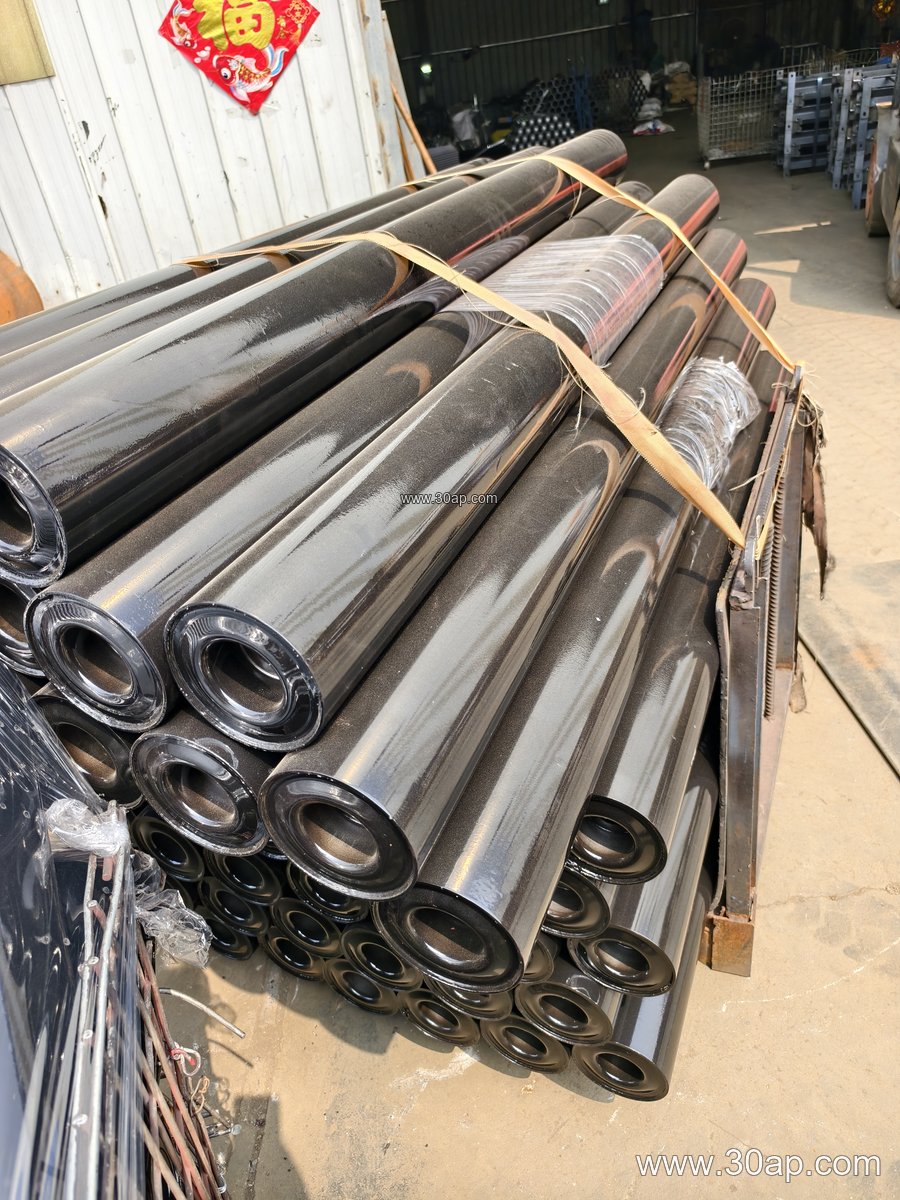
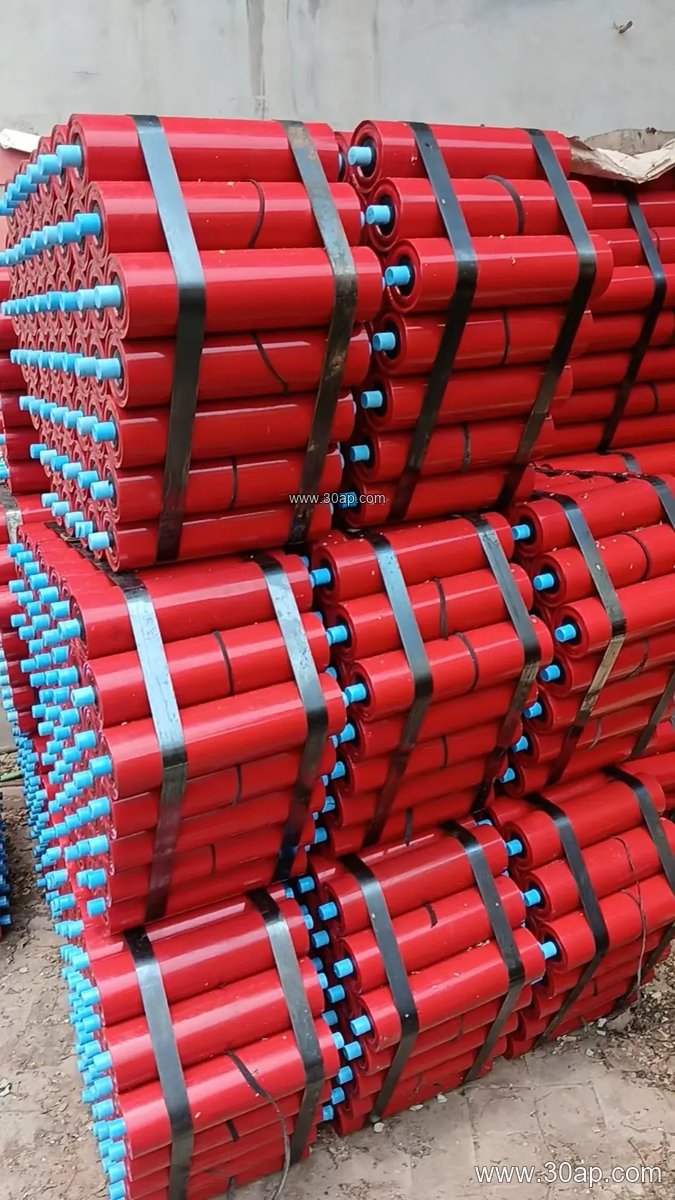
Impact rollers are usually arranged in a group of two or three units just below the skirted area where material first touches the belt. They are commonly set in a trough form so the belt keeps its normal profile while being supported. On a long overland conveyor, only a short section needs this treatment, but that section protects everything downstream.
Typical installs include:
- Crusher discharge and screen feed points in aggregate and ore plants.
- Coal receiving and transfer towers at power stations and wash plants.
- Belt loading stations at ports and ship loaders handling bulk material.
- Any transfer where a heavy lump or a fast stream of stone hits the belt.
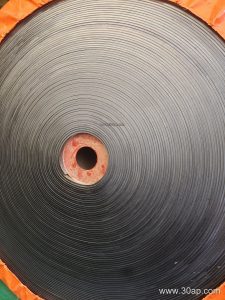
The belt itself is part of the decision. A thick, abrasion resistant conveyor belt with a strong fabric core tolerates more impact than a light two-ply belt, and an EP conveyor belt or steel cord conveyor belt used in heavy-duty mining service is often paired with a properly rated buffer group. The idler should be matched to the belt, not chosen in isolation.
Sizes and Selection Notes
Roller diameter and length are set by the belt width, the trough angle, and the frame design. Common roller diameters in this family run from about 89 mm to 159 mm for general service, with larger sizes used on wide, heavy belts. Belt widths from B650 up to B2000 appear in mining and port conveyors, and roller length changes with the trough configuration. The values below are typical reference points, not fixed rules.
| Belt width | Common three-roll trough length (approx.) | Typical roller diameter range |
|---|---|---|
| B650 | 250 mm | 89–108 mm |
| B800 | 315 mm | 89–133 mm |
| B1000 | 380 mm | 108–133 mm |
| B1200 | 465 mm | 108–159 mm |
| B1400 | 530 mm | 133–159 mm |
| B1600 | 600 mm | 133–178 mm |
Bearing size follows the load and shaft, not the belt width alone. Common bearings such as 6205, 6305, 6308, and 6310 appear across this range, and the same roller diameter can be built with different bearings for different duty. Trough angles of 20, 30, 35, and 45 degrees are all used; the angle affects how the belt sits and how the load is distributed across the rolls.
Buyer Checklist
- Confirm the drop height and lump size at the loading point, since these drive the ring hardness and roller spacing.
- Check that the mounting dimensions match the existing conveyor bracket and frame.
- Match the roller to the belt type in service, whether that is a multi-ply fabric core conveyor belt, an abrasion resistant conveyor belt, or a heavy-duty mining conveyor belt.
- Ask about sealing and bearing protection for dusty or wet conditions.
- Plan inspection of the buffer group during routine belt checks, because worn rings lose their cushioning effect quietly.
A well-chosen high impact resistant idler is a small part of the conveyor cost but a large part of its reliability. For more on matching rollers with belts and pulleys, see conveyor idler and conveyor belt guidance, or review impact resistant idler options for loading zones.